Air New Zealand (NZ) announced on 20 May 2026 that it will reinstate three non-stop international routes from Christchurch International Airport (CHC), Christchurch, connecting the South Island directly to Singapore Changi Airport (SIN), Tokyo Narita International Airport (NRT), and Perth Airport (PER) in Western Australia.
The carrier made the announcement at TRENZ26 — New Zealand’s premier inbound tourism trade event — in Tāmaki Makaurau, Auckland, in the presence of Chief Executive Nikhil Ravishankar, Christchurch Airport Chief Executive Justin Watson, and Prime Minister Christopher Luxon. The services, all operated on Boeing 787 Dreamliner widebody aircraft, are scheduled to commence between late October and late November 2026, pending regulatory approval, and tickets are on sale from today.
Route Launch Dates and Schedule Details for the Three New Christchurch Services
The three services follow a staggered launch calendar across late 2026. The Christchurch–Singapore service departs first, on 28 October, followed by Christchurch–Narita on 28 November, and Christchurch–Perth on 30 November.
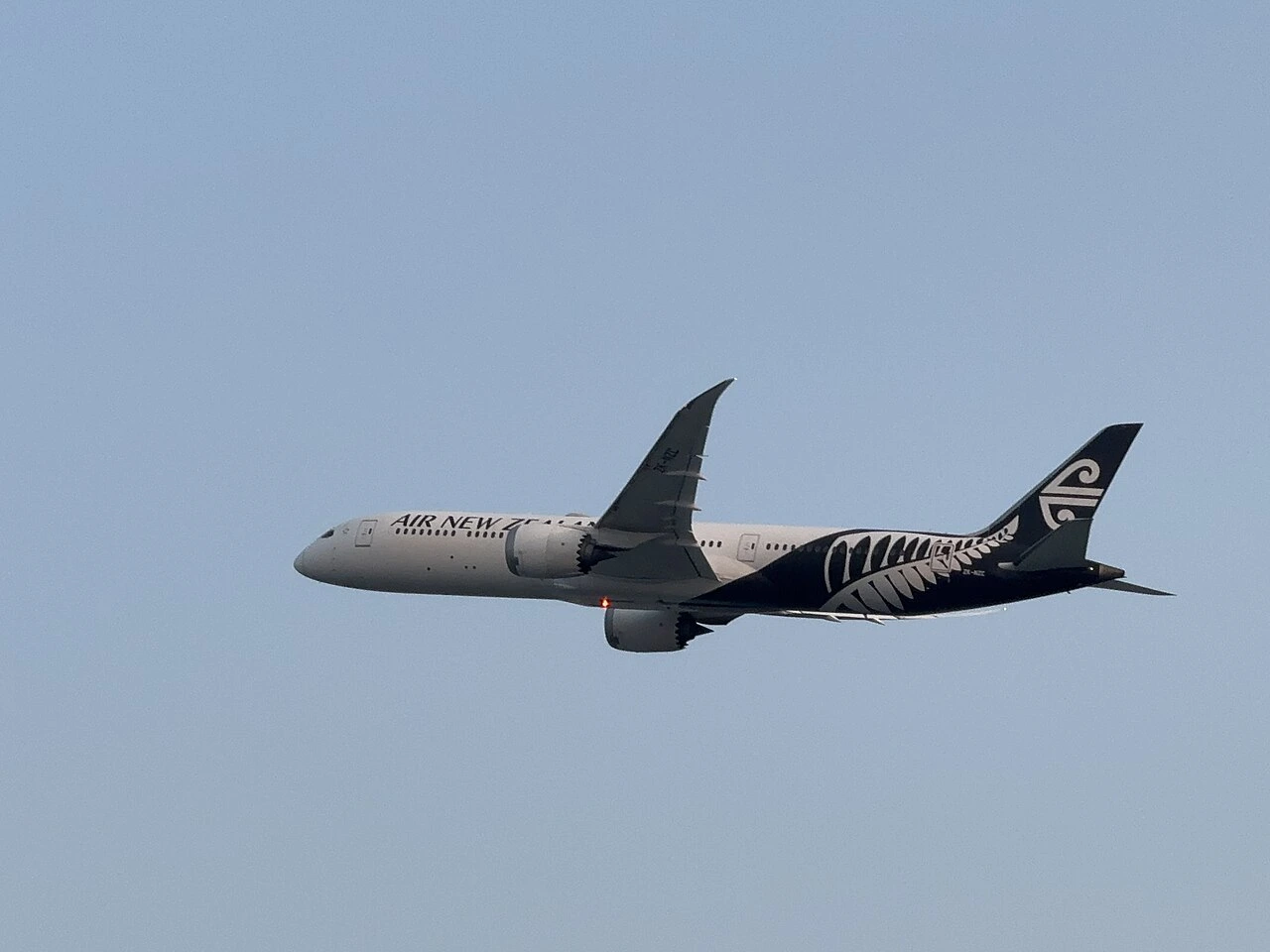
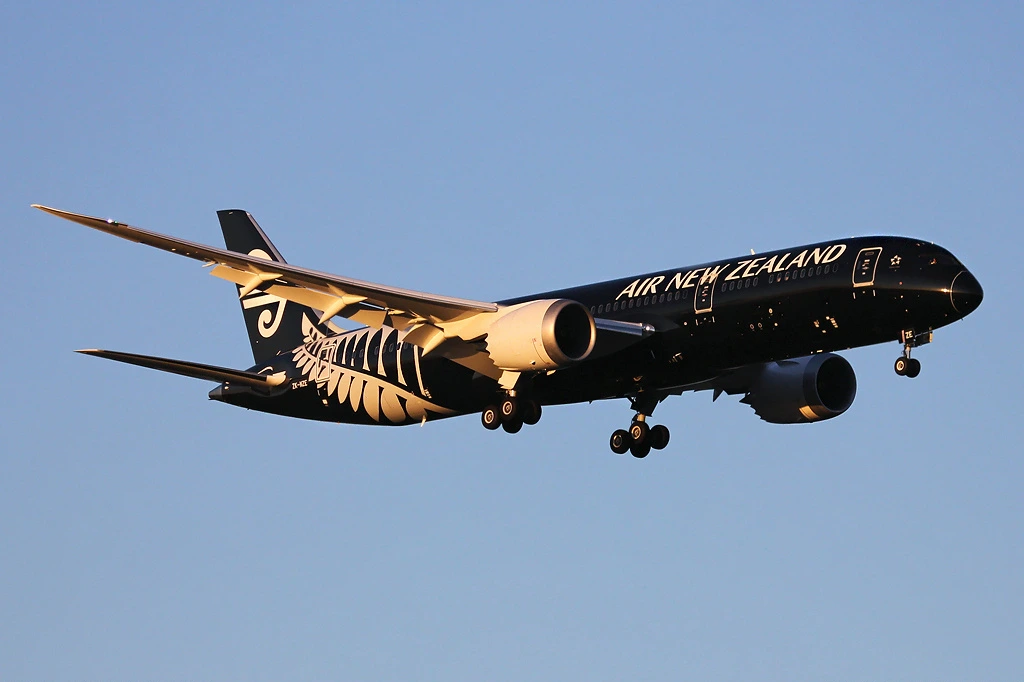
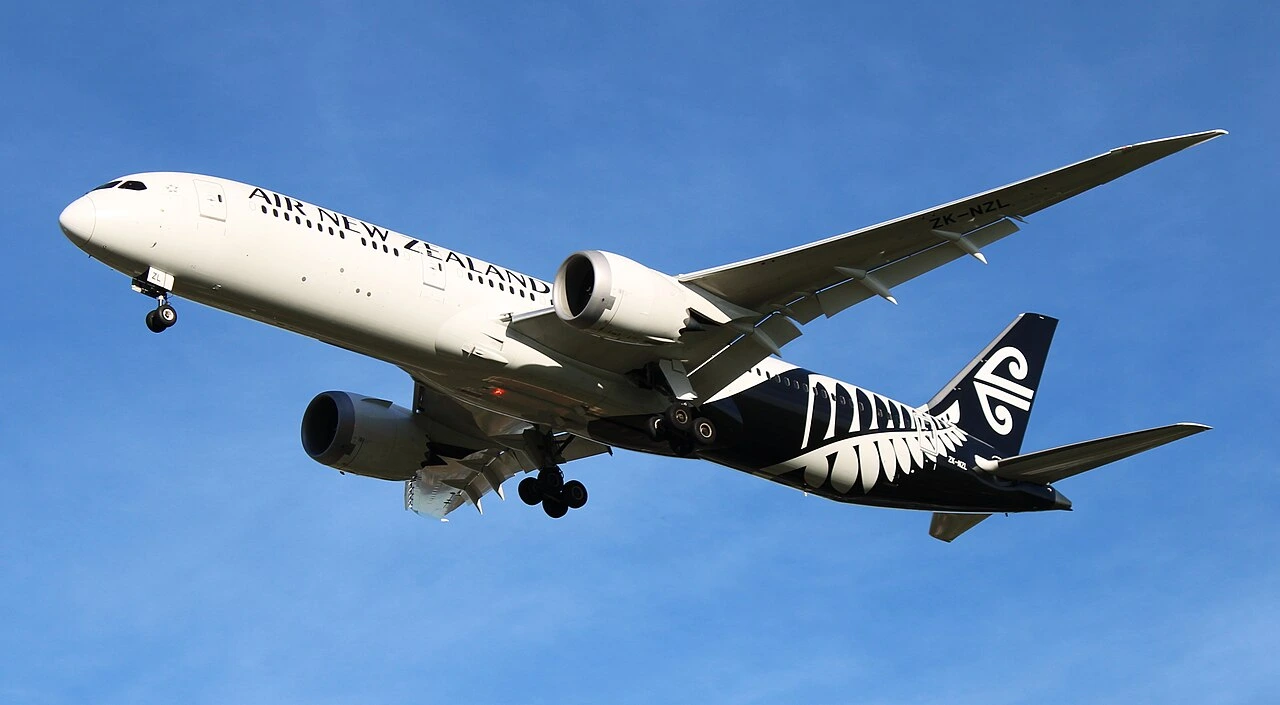
Each route will be operated using the Boeing 787-9 Dreamliner, a long-range widebody aircraft that enables non-stop service across all three corridors without technical stops. The 787’s fuel efficiency and extended range make such direct service operationally viable from a secondary gateway like Christchurch, which has historically channelled long-haul travelers through Auckland International Airport (AKL).
Passengers on these routes will no longer need to connect through Auckland, a routing inconvenience that has long characterized South Island access to Asia and Australia’s west coast. This structural shift redefines how international visitors physically enter New Zealand and how South Island residents access global hubs.
How Air New Zealand’s 787 Fleet Recovery Enabled This Expansion
The Christchurch expansion would not have been possible without the partial resolution of one of the most prolonged fleet crises in Air New Zealand’s recent history. The airline’s Boeing 787-9s are powered by Rolls-Royce Trent 1000 engines, which have suffered durability problems for years, while its Airbus A320neo-family narrowbodies carry Pratt & Whitney GTF engines subject to a separate, industry-wide maintenance crisis.
At its worst, up to eight aircraft were simultaneously grounded — nearly one-fifth of the mainline fleet — forcing the airline to suspend routes, lease replacement aircraft, and absorb significant financial losses. Air New Zealand posted a loss before taxation of NZ$59 million for the first half of its 2026 financial year, compared with earnings before tax of NZ$144 million in the equivalent prior period.
The tide is slowly turning. The airline now expects four grounded aircraft — across both the Airbus neo and 787 types — to return to service throughout 2026. Additionally, the first two of ten newly ordered GE GEnx-powered 787s are due for delivery before the end of the 2026 financial year. Together, these developments will deliver 20–25% widebody capacity growth over the next two years.
Wikimedia Commons
What The Airline’s Leadership Said About the Christchurch Strategy
Ravishankar framed the announcement as the first tangible expression of Air New Zealand’s growth posture after years of contraction. In an interview with the New Zealand Herald, he said:
“For the first time since pre-Covid really, we can talk about growth, and where we’re going to deploy some of that growth. We’ve got 20 to 25% growth in our wide-body long-haul flying coming into the airline over the next couple of years. And the first place we’ve chosen to deploy some of that growth is out of Christchurch.”
In the official press release, Ravishankar elaborated on the strategic rationale:
“The three new routes are a deliberate step to reconnect Christchurch directly to major global hubs in Asia, strengthen links into Australia, and change how the South Island connects to the world, including where visitors arrive and how they move through the country.”
He added that the routes reflect the strength of the partnership with Christchurch Airport and the joint effort that has gone into building them.
Christchurch Airport CEO Justin Watson described the announcement as a watershed for the region:
“Seeing multiple new international widebody services launch from Christchurch builds on the growth already happening across our international network and creates major opportunities for freight exporters, the tourism sector and our wider economy.”
Watson also stressed that route development requires sustained, deliberate effort: “New routes don’t happen overnight. They take sustained effort, collaboration, and giving airlines and travellers even more reasons to choose Christchurch.“
Government Backing is Also Backing the Singapore Mission Connection
Tourism and Hospitality Minister Louise Upston welcomed the announcement with explicit reference to New Zealand’s economic dependence on international connectivity. In her statement at the TRENZ26 event, she said:
“New Zealand is a trading nation so being well connected to the world matters. It supports tourism, helps our exporters reach global markets, and ensures people and goods can move reliably.”
Upston also drew a direct line between the announcement and diplomatic groundwork laid during the Prime Minister’s recent trade mission to Singapore. Both Air New Zealand and Christchurch Airport were represented on that mission. She described the Christchurch expansion as “effectively the first cab off the rank, showing how stronger international relationships can translate into real opportunities for business and tourism.”
_23-03-2025.jpg)

