According to a union announcement made by E tū, which is “the largest private sector trade union in Aotearoa New Zealand“, more than 1,200 cabin crew employed by Air New Zealand (NZ) are threatening industrial action over pay and working conditions. The dispute, which centres on what crew describe as inadequate remuneration and chronic fatigue risks, has escalated to the point where a strike appears increasingly likely.
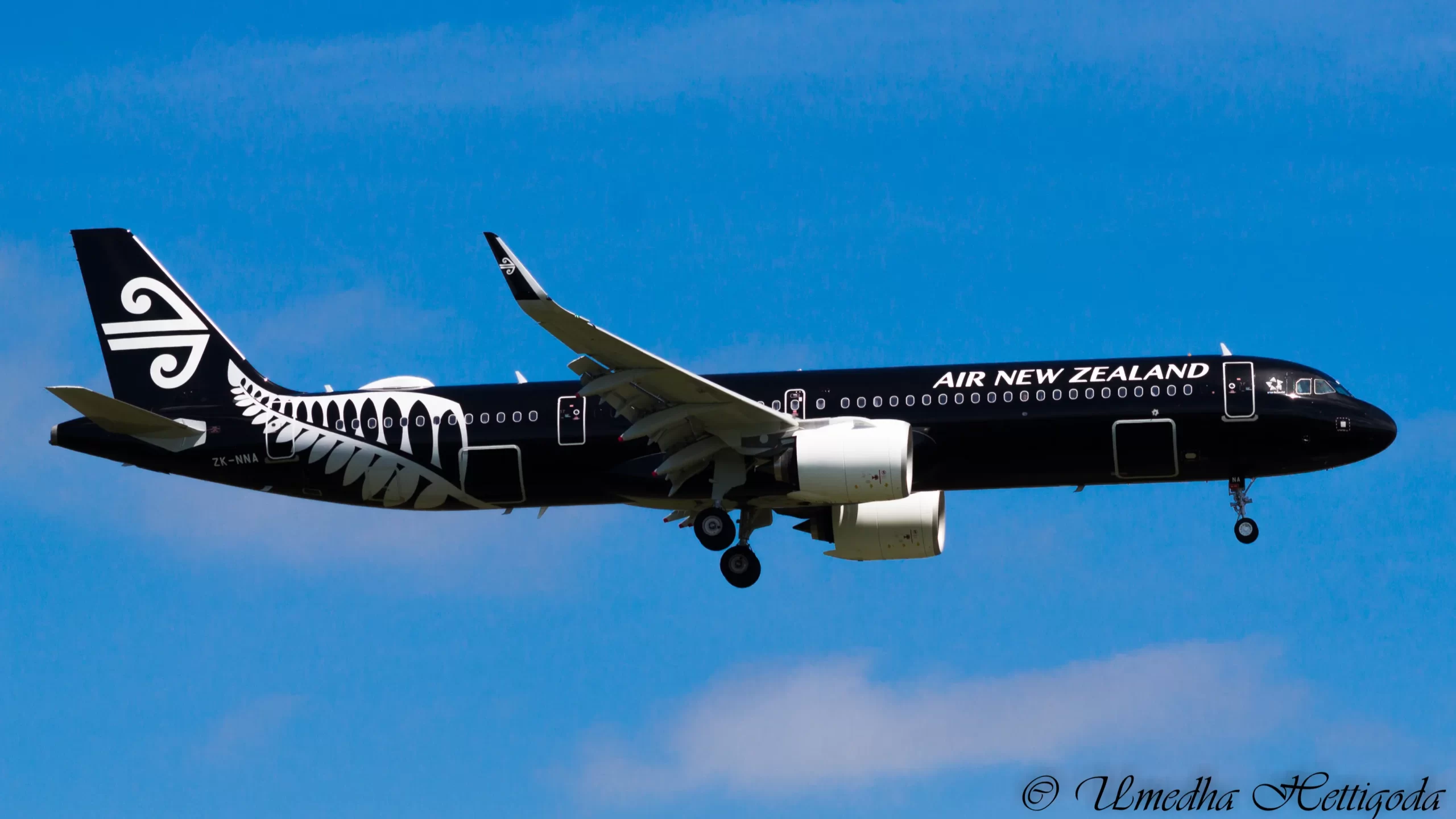
The action would primarily affect Auckland Airport (AKL), which is New Zealand’s largest international hub, and other major bases including Christchurch (CHC) and Wellington (WLG). The union argues that after protracted bargaining, management has failed to offer a “fair deal” to onboard staff, prompting members to prepare for a strike unless meaningful concessions are made.
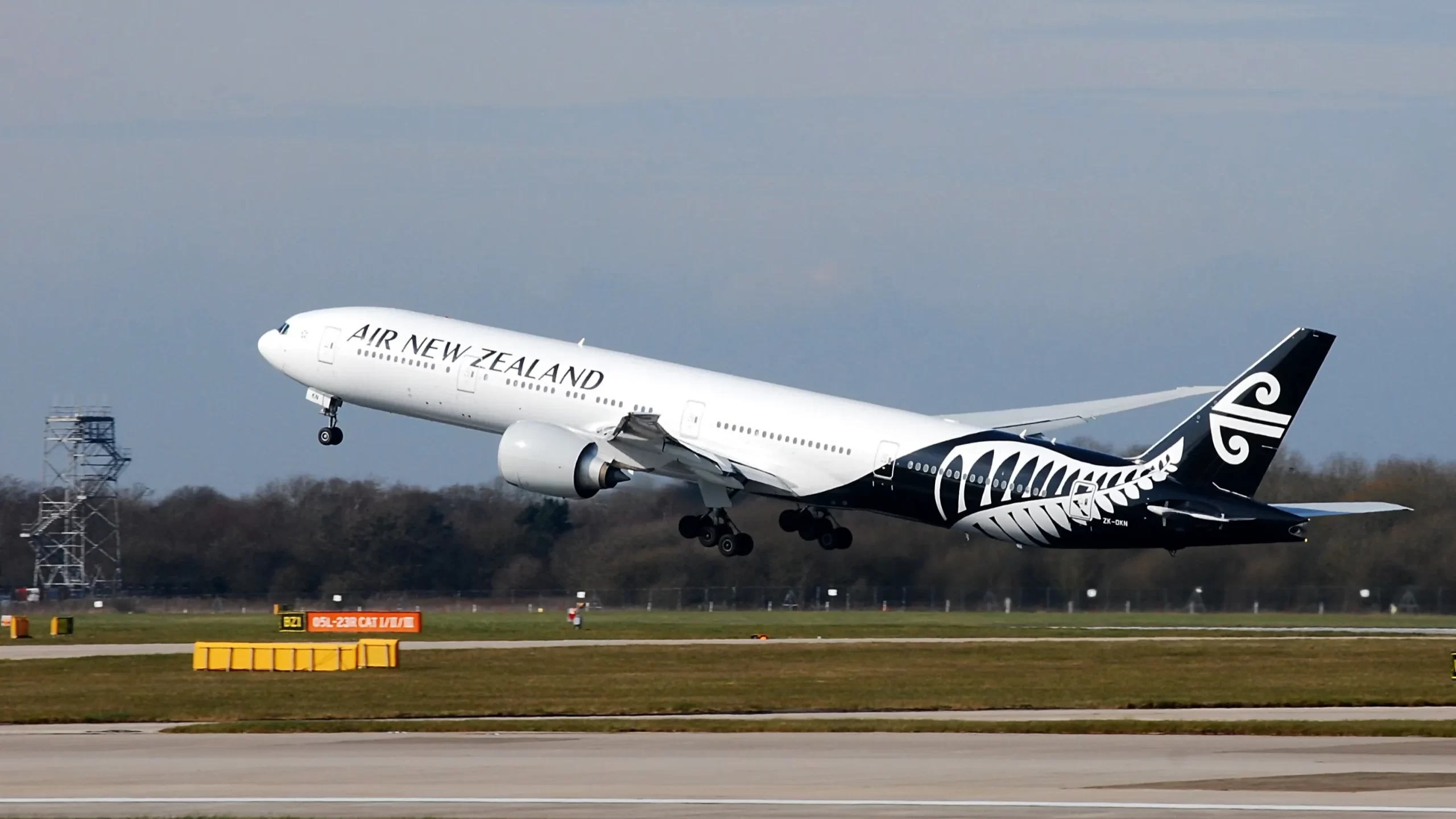
Union’s case for Cabin Crew Strike against Air New Zealand
According to E tū, the union that represents cabin crew of Air New Zealand, despite pay negotiations for flight attendants of the national carrier, they have not been fairly valued. The crew contend that their current wages do not properly reflect the following responsibilities of what Michael Wood, E tū Director, says are “shift workers“:
- unsociable hours
- frequent standby requirements that disrupt ordinary life
- rosters that change every month
- long periods away from their families
A popular example of the unsociable hours is red-eye flights, which typically take place around the mid-night to the early morning hours.
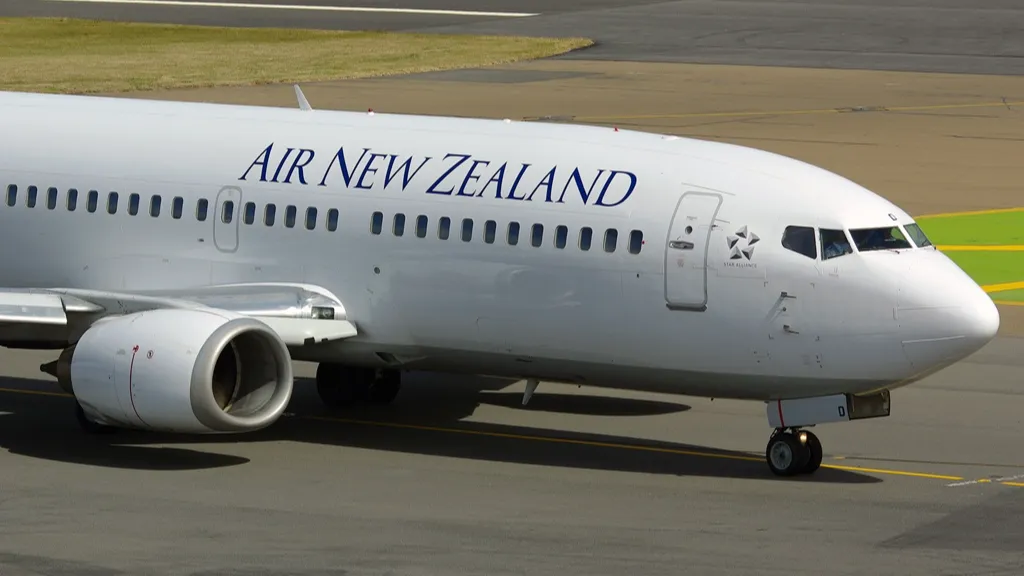
Aero Corner cited research, that pointed towards the fact that passengers “who travel via red-eye flights are at an increased risk of depression, heart diseases, and lower metabolism levels along with disturbed sleeping patterns due to the nature of red-eye flights”. The same could be true of cabin crew who are deployed regularly in red-eye flights as well.
Michael feels that Air New Zealand (which once painted an aircraft with Lord of the Rings livery) has not adequately addressed safety concerns tied to duty hours of these workers who are, in his own words, “the face of the airline“, and have suffered job cuts during the Covid-19 (4400 job losses since the beginning of 2020 till November 2020) and have “worked through huge challenges“.
What has added to the problem is the increasing cost of living in New Zealand. Besides, as we’ve touched upon previously, the rising burden of scheduling, and a perceived lack of recognition for experienced staff also adds to the woes. The union claims that their demands are not unreasonable but reflect a genuine need for sustainable and safe working conditions.
Air New Zealand’s Response to the Pay Dispute
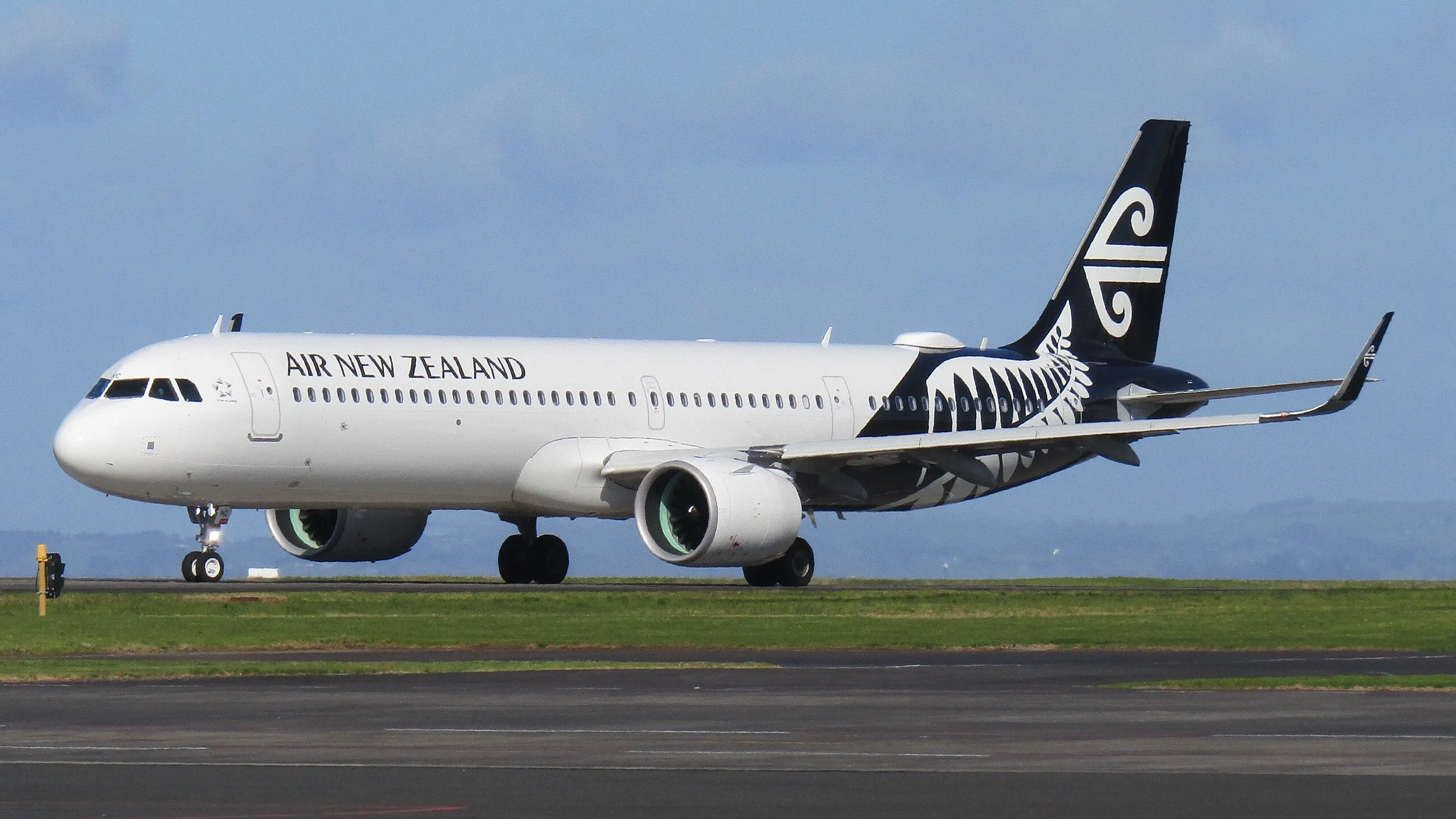
Air New Zealand’s chief executive officer, Nikhil Ravishankar, confirmed the airline was aware of the strike vote. He said: “We are aware that cabin crew represented by E tū union have voted to take industrial action. However, no formal notice of a strike has been received.” Negotiations with the union were set to continue that week, he added, with the goal of reaching “a fair and sustainable agreement that recognises the important work our crew do.”
The airline has also disputed how the union frames the pay issue. Its chief people officer, Nikki Dines, said looking at base salary alone does not tell the full story. She explained that cabin crew receive a guaranteed base salary regardless of hours worked, plus separate allowances tied to duties and time away from home, which together “significantly increase their total remuneration.” Dines said salaries had “absolutely” kept pace with inflation.
Air New Zealand has offered to raise base salaries by between 4.14 and 6.41 percent as talks continue.
All in All
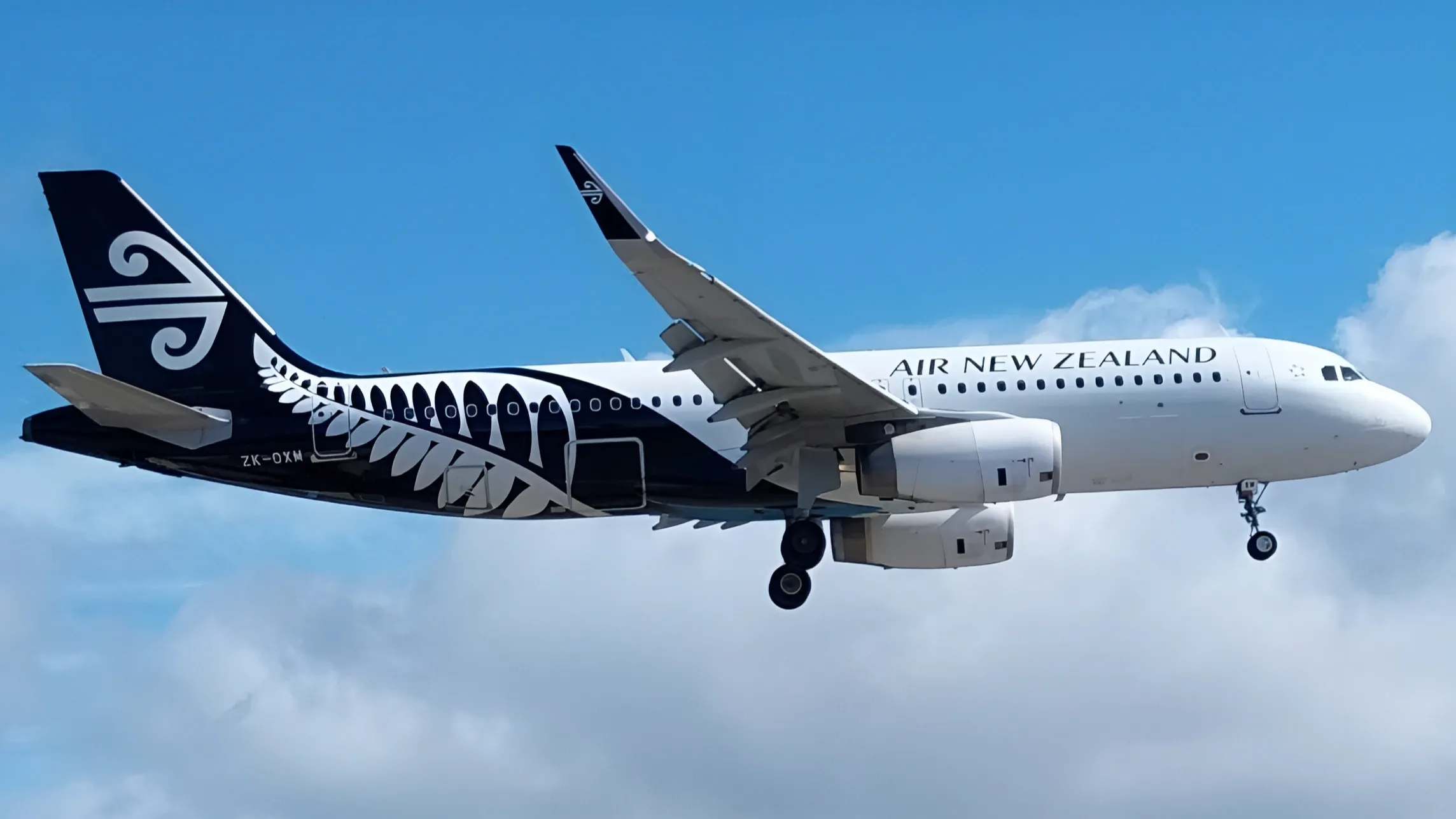
E tū has said that members had taken the following steps to avoid the possibility of flight disruptions
- Air New Zealand’s cabin crew on international duty will return to New Zealand during any action so as to avoid passengers being stranded outside the nation.
- The week prior to Christmas will not see any strike
Michael Wood feels that the best way to avoid any form of travel disruption is “for Air New Zealand to engage in good faith and negotiate a fair outcome”, and has iterated that the organization remains “ready to work hard in the coming weeks to reach a settlement.”

.jpg)


