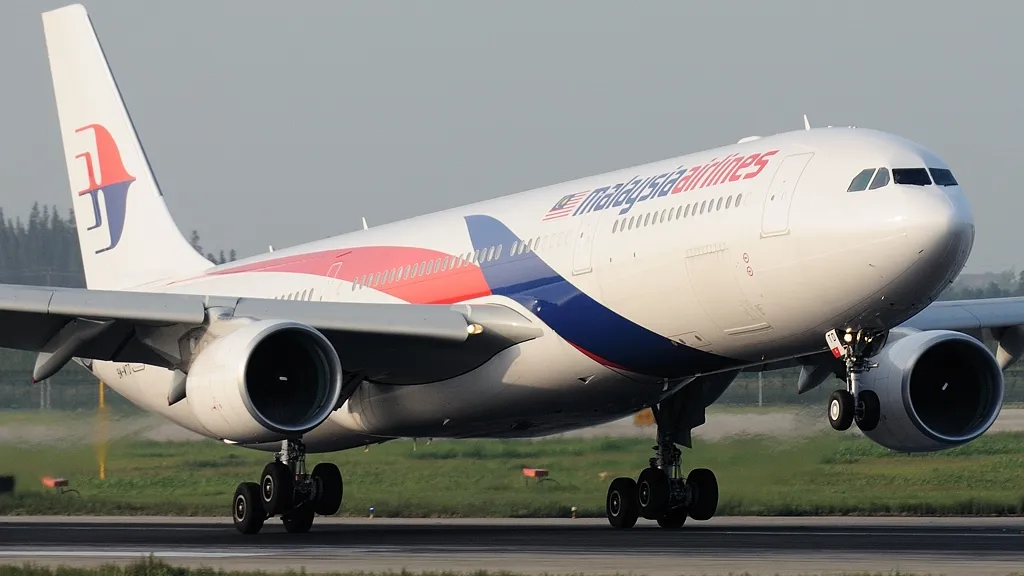
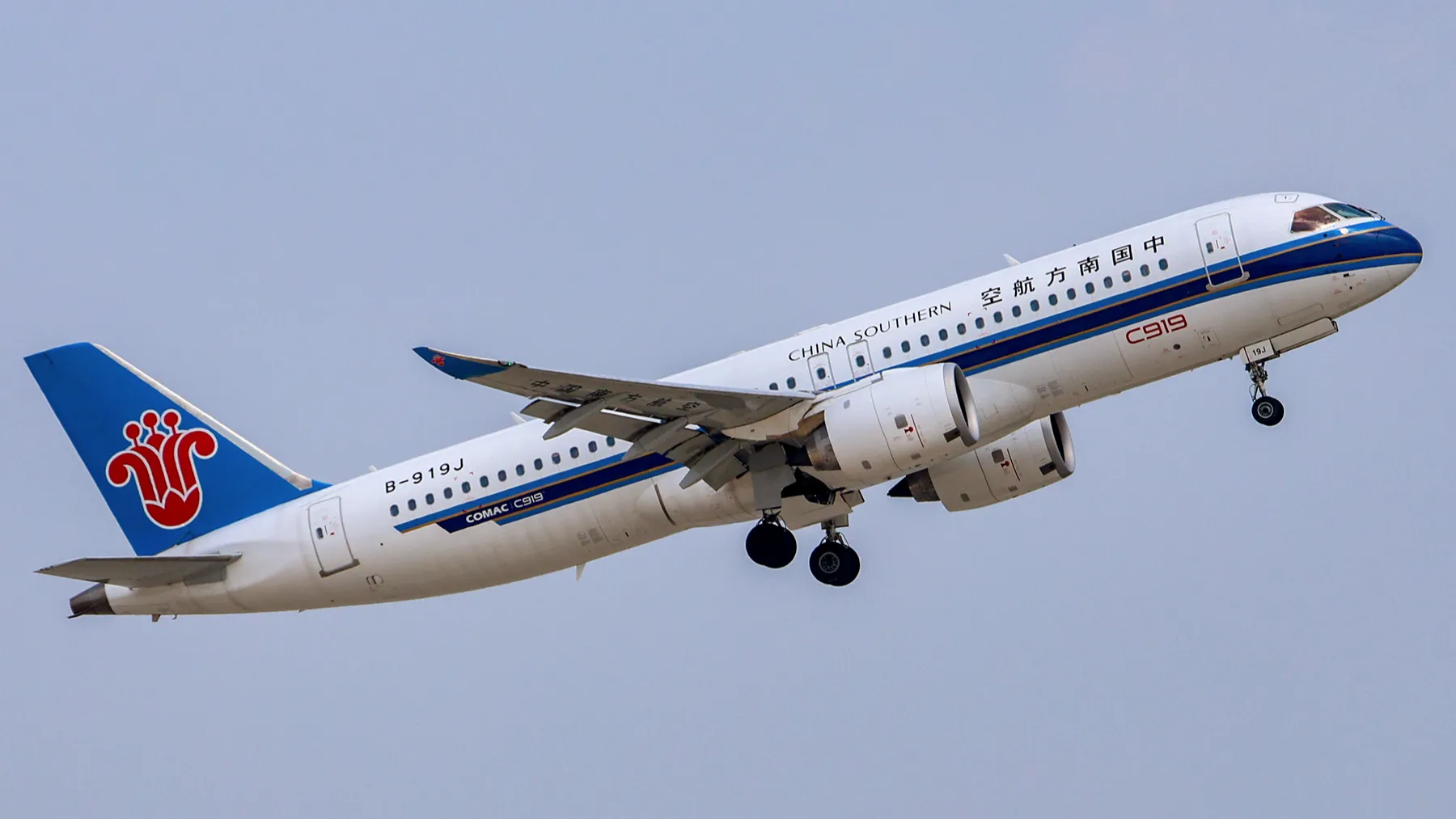
Malaysia Aviation Group’s (MAG), Malaysia Airlines (MH), whose IATA code is synonymous with one of the greatest aviation mysteries of them all, MH370, is intensifying its engagement with China as it eyes the purchase of Chinese-made aircraft to fuel its ambitious expansion into the world’s second-largest aviation market, said MAG’s Group Managing Director, Datuk Captain Izham Ismail, in an exclusive interview with China Daily.
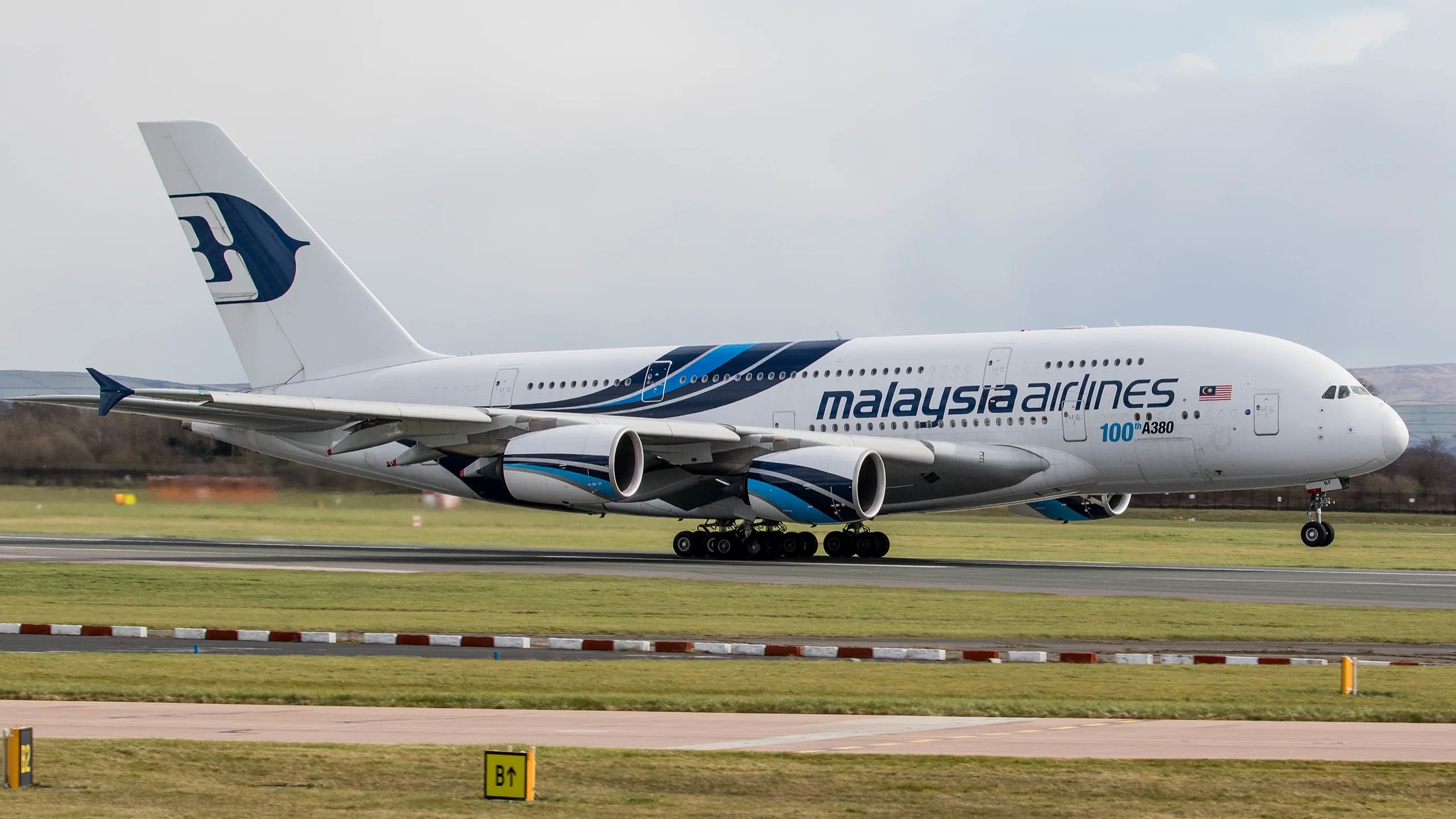
Malaysia Aviation Group (MAG)
| Attribute | Details |
|---|---|
| Full name | Malaysia Aviation Group |
| Parent company | Government-linked holding (Khazanah Nasional Berhad) |
| Founded | 1972 (as Malaysia Airlines System, later restructured under MAG in 2015) |
| Headquarters | Kuala Lumpur, Malaysia |
| Key airlines under MAG | Malaysia Airlines (MH), Firefly, MASwings, Amal |
| Main hub | Kuala Lumpur International Airport (KUL), Sepang, Malaysia |
| Fleet size (2025) | ~130 aircraft across all airlines |
| Domestic market share (pre-2017) | 55% of revenue |
| International market share (2025) | 90% of revenue |
| Key business portfolios | Airlines, loyalty & travel services, aviation services |
| Employee strength (2025) | ~20,000 staff across all divisions |
| Recent initiatives | China market expansion, potential COMAC aircraft acquisition, fleet modernization |
| Strategic partnerships | Codeshare agreements with multiple Asia-Pacific and global airlines |

Confirming Malaysian Airlines’ Penchant for Chinese jets
MAG’s confirmation that it is evaluating Commercial Aircraft Corporation of China (COMAC) jets — including the C909, C919, and potentially the future C929 — as part of its long-term fleet strategy. According to data from planespotters.net, the carrier only has three aircraft types in service. These include the following:
| Attribute | Airbus A330 | Airbus A350 XWB | Boeing 737 |
|---|---|---|---|
| Current In Service | 28 | 7 | 51 |
| Current Parked | 1 | – | 3 |
| Current Total | 29 | 7 | 54 |
| Future 2 | 4 | – | – |
| Avg. Age | 10.3 years | 7.5 years | 9.9 years |
* future refers to “only include new-built aircraft close to delivery and expected second-hand deliveries. They do not include all outstanding orders as reported by aircraft manufacturers.”
MAG’s intention of adding Chinese built COMAC aircraft in its fleet aims to support MAG’s broader network growth in China and bolster its aspiration to rank among the top 10 global airlines by 2030- after all, Ismail said that MAG had already rebuilt its China capacity to approximately 70 percent of its pre‑COVID level:
“By 2026, as part of our network growth plan that focuses predominantly on China, we hope and are targeting to resume at least to the pre-pandemic level……We know we are a bit side end, but we have huge ambitions, and China is really a market Malaysia Airlines should focus on”

The airline plans to ramp up service further: from January 9, 2026, Malaysia Airlines will resume the Kuala Lumpur – Chengdu route, raising its weekly flights to around 60. The group is also exploring secondary Chinese cities such as Shenzhen and other tier‑two markets.
MAG is placing COMAC aircraft on its radar because of their potential cost‑competitiveness and alignment with its expansion plans.
But this isn’t the first time such an expressing interest in COMAC jets. Only last month, Captain Izham Ismail, had said to Yicai that Malaysian was looking at aircraft models that could support its growth and COMAC was “also under consideration” and that it took the evaluation of Chinese jets seriously.
“The evaluation is part of the airline’s plans for the five-year period ending in 2040. “Our communication with COMAC began last year, deepened further in the second quarter of this year, and we will continue to evaluate the C919 as a potential candidate for Malaysia Airlines’ future fleet. Any business decision must consider innovation, safety, airworthiness certification, operational feasibility, and most importantly, commercial value…”

Which COMAC jets is Malaysia considering?
MAG is in discussions with COMAC about three aircraft:
- the smaller C909
- the narrow‑body C919
- the future wide‑body C929
Ismail expressed strong interest in the C919, calling it “very competitive” whilst also noting that the C909 may be too small for MAG’s long-haul aspirations, though C909 has already entered markets Laos, Indonesia, and Vietnam. A senior executive from Malaysia Airlines Group was quoted earlier this year in Asian Fin as having said that the carrier’s “operations at Subang International Airport are well-suited for the smaller aircraft produced by COMAC”
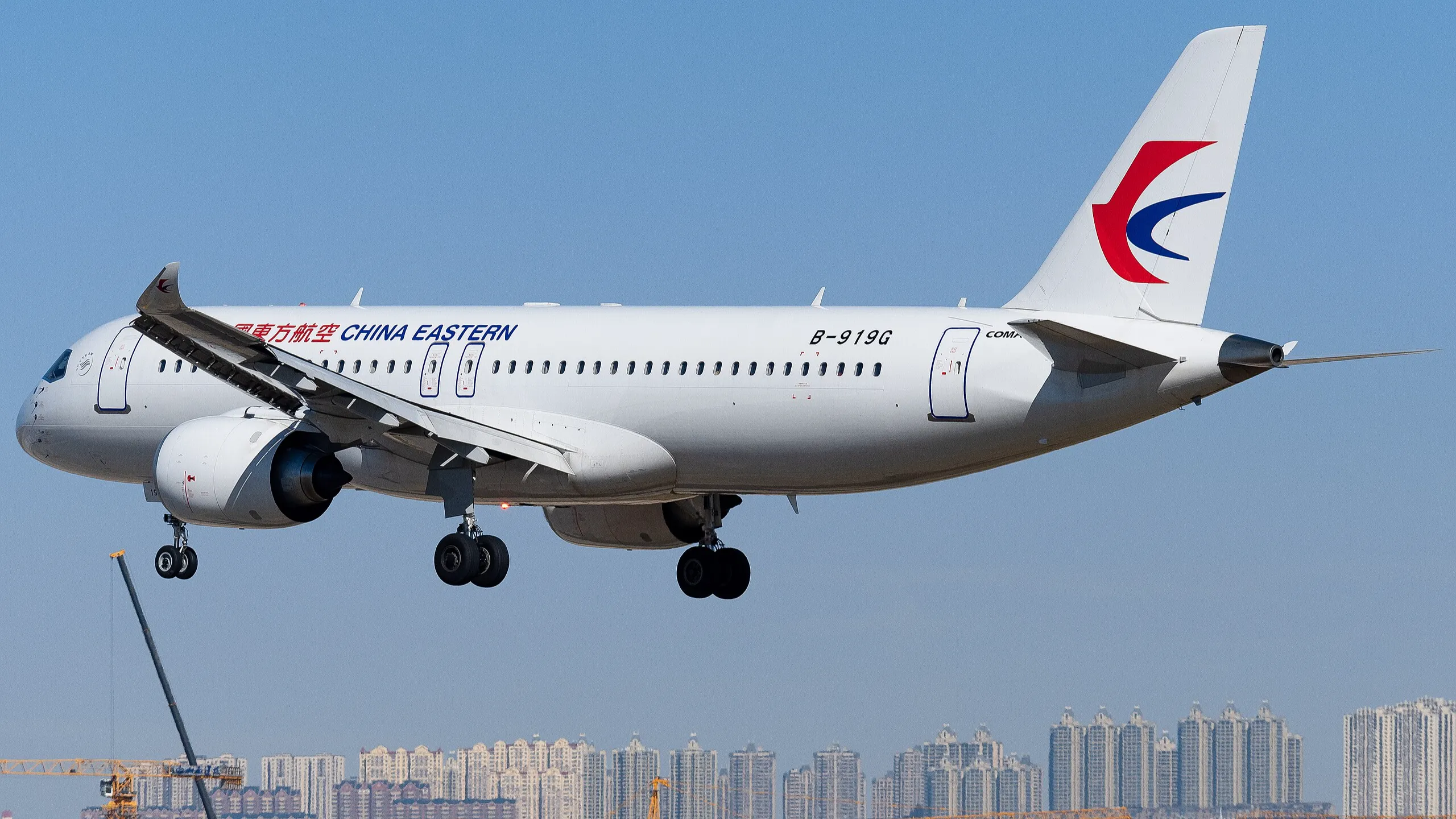
The development of the C929’s is still some years off, noted Ismail, without deviating away from the possibility that it could become a viable option by in the next decade:
“The C919 continues to be interesting. As for the C929, we know its development will be a bit further down the road. By 2031, Malaysia Aviation Group’s bigger airplanes will be aging. It’s the right time. Maybe when the time is right, COMAC would have the certification internationally. C929 may be a good option…”

Why is Malaysia Inching Towards Chinese Jets?
In May this year, China Daily had reported that Malaysian had acquired the following aircraft as a part of its narrowbody fleet renewal:
- 18 Boeing 737-8 aircraft
- 2 Boeing 737-10
The same publication had said that the carrier was looking for a fleet “of 55 Boeing 737-8 and 737-10 aircraft by 2030.” and aiming to “gradually phase out the older generation Boeing 737-800 aircraft”. The carrier has 40 Boeing 737-800s that average 13 years.
According to Ismail, China’s success story is set to stretch over the next decade, and the MAG wants to be a part of its Asian neighbor’s success
“I am very impressed with the progress and economic improvement in China over the last decade. It has made multiple leaps and bounds. I foresee that China’s economic growth will continue in a strong, progressive manner. That itself is part of the success of the Chinese economy…..we hope the Chinese market will welcome us. Malaysia Airlines wants to contribute to this successful story”
He emphasized that MAG is not simply chasing capacity but wants an aircraft that makes commercial sense — one that offers innovation, cost control, and long-term viability.
Moreover, MAG’s China traffic is recovering rapidly: beyond reinstating major routes, it is tapping into second-tier cities and projecting strong demand in those markets., and COMAC’s numbers might offer just that. The C919 (entered commercial service on May 28, 2023) operated by China Eastern Airlines, which is one of the busiest carriers in the nation, already has the following impressive numbers:
-
More than 15,200 commercial flights.
-
Total flight hours logged exceed 37,200 hours of safe and efficient operation.
-
Over 2.1 million passengers have been transported as of September 19.
-
Average seat occupancy rate is over 85%.
As of the end of January, the C909 series has transported over 19 million passengers and accumulated 580,000 hours of safe flight across 644 domestic and international routes. Since its maiden commercial flight on June 28, 2016, a total of 160 C909 aircraft have been delivered.
Looking at the Specifications of the Chinese jets that Malaysian is interested in
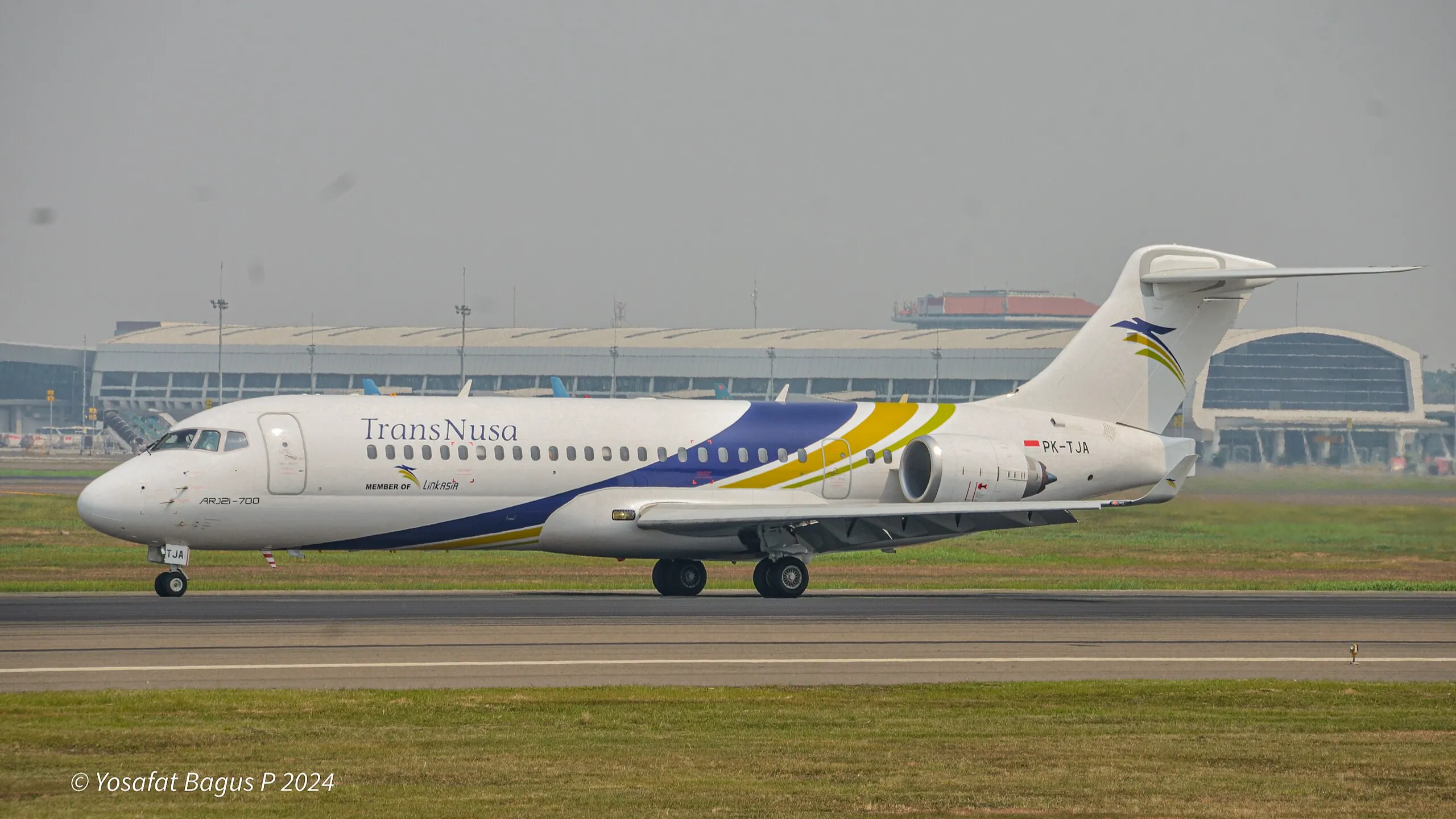
COMAC 909 is a regional jet that is able to occupy around 90 passengers. Its primary users are Chengdu Airlines, Air China, China Southern Airlines, and China Eastern Airlines. The aircraft has a normal cruise speed of Mach 0.78 (828 km/h; 447 kn; 514 mph) and a maximum range of 2000nmi.
Let’s look at the specifications of the Chinese aircraft that Malaysian has shows a strong affinity for:
| Specification of the COMAC 919 | Details |
|---|---|
| Seats | 168 |
| Avionics | Rockwell Collins, Honeywell, CETC, GE AVIC |
| Wing Tips | No winglets |
| Ceiling | 39,700 ft · 12,100 m |
| Range | 3,000 nm · 3,450 mi · 5,560 km |
| Max Cruise Speed | 520 kt · 598 mph · 963 km/h |
| Approach Speed (Vref) | 135 kt · 155 mph · 250 km/h |
| Takeoff Distance | 6,550 ft · 2,000 m |
| Landing Distance | 5,250 ft · 1,600 m |
| Max Takeoff Weight (MTOW) | 181,000 lb · 82,000 kg |
| Max Payload | 45,000 lb · 20,400 kg |
| Fuel Capacity | 7,200 gal · 27,200 L · 21,800 kg (Jet A) |
| Engine | 2 × CFM International LEAP-1C |
| Engine Type | Turbofan |
| Thrust | 2 × 31,000 lbf · 138 kN |
Data: AeroCorner

Regulatory and Certification Challenges of C919 that Malaysian will Have to Look Into
One of the biggest questions facing MAG’s COMAC evaluation is regulatory approval. The COMAC C919 holds certification from China’s Civil Aviation Administration but lacks approval from several international regulators.
The European Union Aviation Safety Agency (EASA), for instance, has stated that certifying the C919 will likely take three to six years, reported Flight Global:
“Speaking exclusively to the French economics publication L’Usine Nouvelle, European Union Aviation Safety Agency executive director Florian Guillermet stated that the regulator had informed Comac that the jet “will not be able” to be certified this year. Guillermet, who took on the role of EASA chief a year ago, told the publication that certification should be achieved “within three to six years”. Comac has previously indicated that it would seek approval for the C919 in Europe.”
This long timeline of EASA certification could defer MAG’s ability to use the aircraft on many international routes. In Chinese routes, however, the C919 was deployed in as many as 122 flights for one particular route in February alone. Simple Flying reported that the following were the ten busiest COMAC 919 routes in February this year:
| Rank | Route | Airline | Approx. Distance |
|---|---|---|---|
| 10 | Hong Kong (HKG) → Shanghai–Hongqiao (SHA) | China Eastern (MU) | ~1,230 km |
| 9 | Chengdu-Shuangliu (CTU) → Beijing Capital (PEK) | Air China (CA) | — |
| 8 | Shanghai–Hongqiao (SHA) → Guangzhou (CAN) | China Southern (CZ) | ~1,174 km |
| 7 | Beijing Capital (PEK) → Hangzhou (HGH) | Air China (CA) | — |
| 6 | Beijing-Daxing (PKX) → Xi’an (XIY) | China Eastern (MU) | — |
| 5 | Shanghai–Hongqiao (SHA) → Wuhan (WUH) | China Eastern (MU) | ~682 km |
| 4 | Shanghai–Hongqiao (SHA) → Chongqing (CKG) | China Eastern (MU) | — |
| 3 | Guangzhou (CAN) → Hangzhou (HGH) | China Southern (CZ) | — |
| 2 | Shanghai–Hongqiao (SHA) → Chengdu-Tianfu (TFU) | China Eastern (MU) | ~1,616 km |
| 1 | Shanghai–Hongqiao (SHA) → Xi’an (XIY) | China Eastern (MU) | ~1,231 km |

Comparable Moves for COMAC by Asian carriers in the past
A couple of months ago, AirAsia, another carrier based in Malasia hinted about its interest in the Chinese jets, with the CEO of the parent company of Air Asia expressing its COMAC order during the Belt and Road Summit in Hong Kong, reported AeroTime. Indonesia’s TransNusa already operates the COMAC C909 on its longest route between Sam Ratulangi International Airport (MDC) in Menado and Guangzhou Baiyun International Airport (CAN), and was the first carrier to deploy the COMAC.
“a US$2 billion order by start-up carrier GallopAir in 2023 for 30 Comac aircraft, including the smaller C909 regional jet formerly known as the ARJ21. On its website, the Brunei-based airline called the order Comac’s largest international sale, and likely the first overseas C919 purchase”
Outstanding COMAC C919 Orders
| Customer | Outstanding Orders |
|---|---|
| Undisclosed Customers | 473 |
| Air China | 102 |
| China Eastern Airlines | 96 |
| Tibet Airlines | 40 |
| China Southern Airlines | 3 |
These parallels show that COMAC’s commercial footprint is expanding in Southeast Asia, though widespread international deployment remains nascent. The Star

All in All
Malaysia Airlines, via Malaysia Aviation Group, is seriously evaluating Chinese-manufactured jets from COMAC — notably the C919 — to underpin its network expansion in Chinabut the success of this endeavor will depend heavily on COMAC’s progress in securing global airworthiness approvals.
It will also be interesting to see if the 919s get EASA approval by the time Malaysia gets its COMACs and if it doesn’t which airspaces such as Chinese, Brunei, and Indonesia where Malaysia will deploy the C919s.