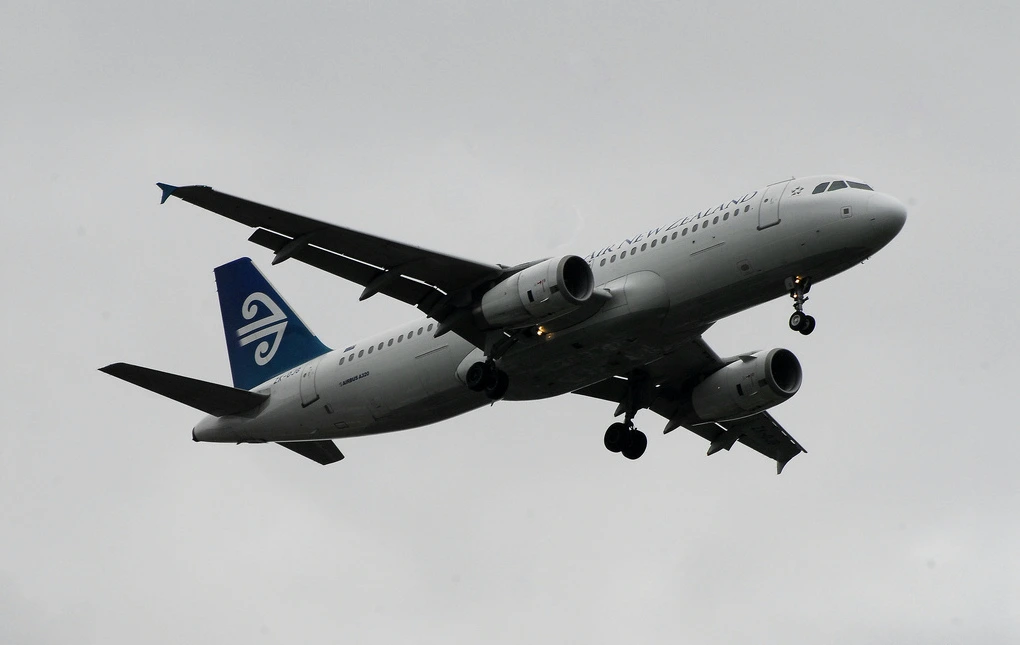
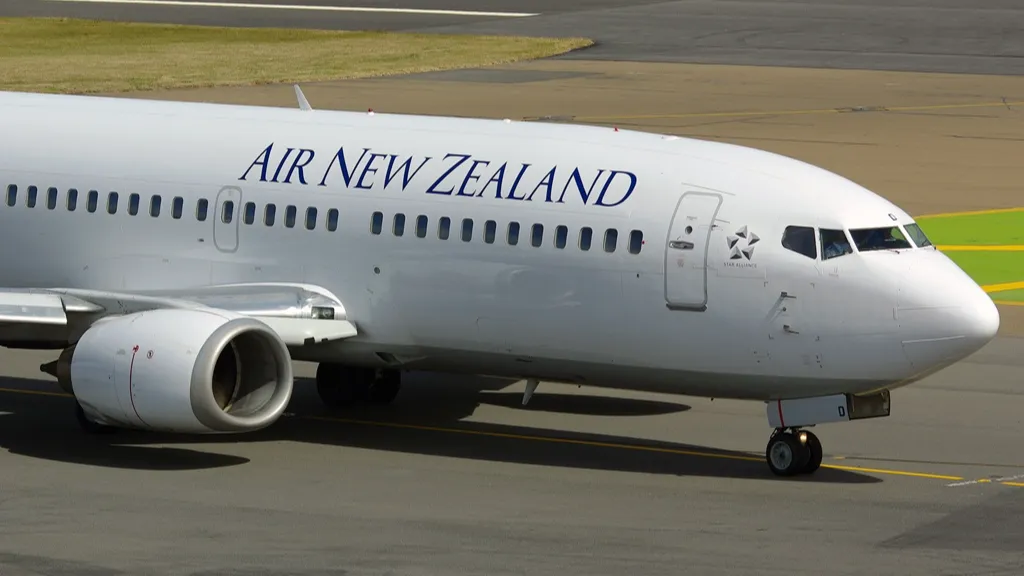
Air New Zealand (NZ) improved its on-time performance by 8 percent in June 2026 compared with the same month last year. The airline operated 12,279 flights that month, and 86 percent touched down within 15 minutes of schedule, leaving 1,719 flights late, or roughly 57 a day. Chief operations officer Kate Boyer told RNZ’s Checkpoint programme on 16th July 2026 that the airline wants that figure closer to 90 percent.
Boyer said three factors drove the improvement: scheduling changes, digital tools and procedures, and a shift in company culture. Air New Zealand has also begun using artificial intelligence to predict delays before they happen and to give passengers more detailed, real-time explanations when a flight runs late. The push comes as Auckland-based Air New Zealand tries to close a persistent reliability gap with rival Qantas, which was named the world’s most punctual major airline for the same month.
On-Time Score Hides a Wide Domestic-International Gap
Air New Zealand’s 86 percent figure blends two very different results. Domestic flights ran on time 89 percent of the time in June, while international flights managed only 78.8 percent, according to Boyer.
Long-haul routes carry more variables, from overseas air traffic control delays to weather far from New Zealand’s own airports. Domestic disruptions can also ripple through the wider network quickly. In June, a fire at Wellington Airport forced a temporary closure that added to the month’s delay total, showing how a single local incident can affect the airline’s nationwide punctuality score.
Data provider OAG measured Air New Zealand’s June on-time performance slightly lower, at 84.42 percent, because its figure also factors in cancelled flights. Travel data firm Cirium separately tracks the airline’s yearly performance and reported Air New Zealand reached a 79.29 percent on-time arrival rate across 171,216 flights in 2025, placing it second in the Asia Pacific region for the year.
That 2025 result already showed the domestic network improving faster than international routes. Cirium recorded an 81 percent on-time arrival rate for Air New Zealand’s domestic flights across 2025, helped by new ground service roles and targeted staff training. Regional services fluctuated more through the year, reaching 84.5 percent in November before dropping to 81.2 percent in December, months when weather and holiday traffic both put pressure on turnaround times.
Schedule, Digital Tools, And Culture Drive the Improvement
Boyer named the most critical factor first. She said, “Going on-time is the most important thing for our customers”, calling it the most critical moment of customer trust in the whole travel experience.
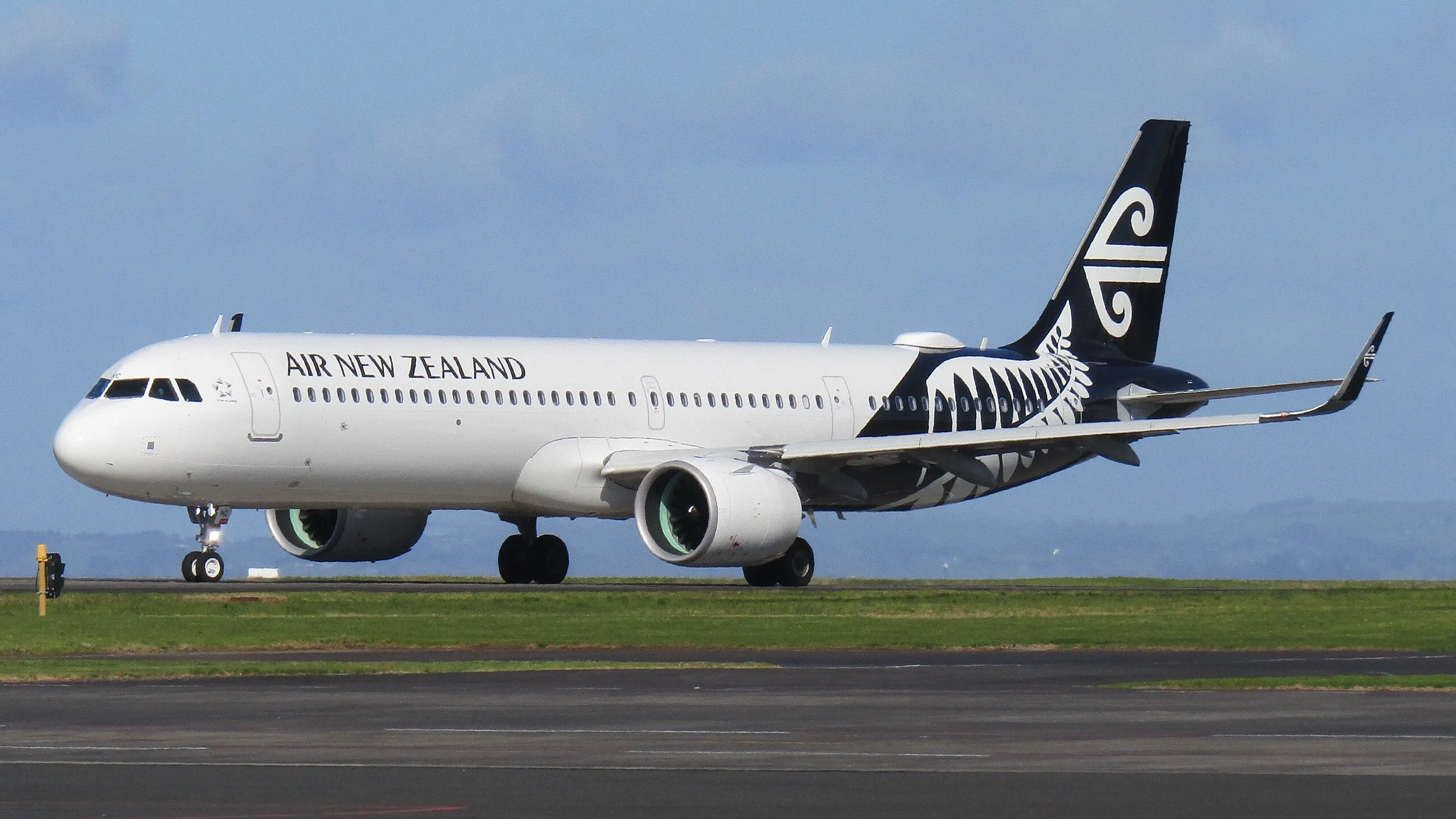
Behind the scenes, Air New Zealand has been asking frontline staff for ideas on what could be changed to get planes out on time. Boyer said this staff-led approach, rather than simply flying fewer routes, explains most of the gain. She noted that recent schedule consolidations, made in response to rising jet fuel costs, created only a little extra buffer in the system compared with the scale of the overall improvement.
Improving punctuality also carries personal stakes for passengers, not just operational ones. Boyer pointed to travellers with weddings, funerals, or job interviews riding on a single flight, saying the airline takes that responsibility seriously given how high-stakes travel can be for many customers.
AI Now Predicts Delays Before They Happen
Air New Zealand is using artificial intelligence in what Boyer called a number of interesting ways. Two applications stand out from the rest:
- Assigning the right aircraft to the right route, to make the overall flight network more resilient to disruption
- Predicting how a specific delay, such as a crew swap or last-minute aircraft change, is likely to affect a flight’s departure time
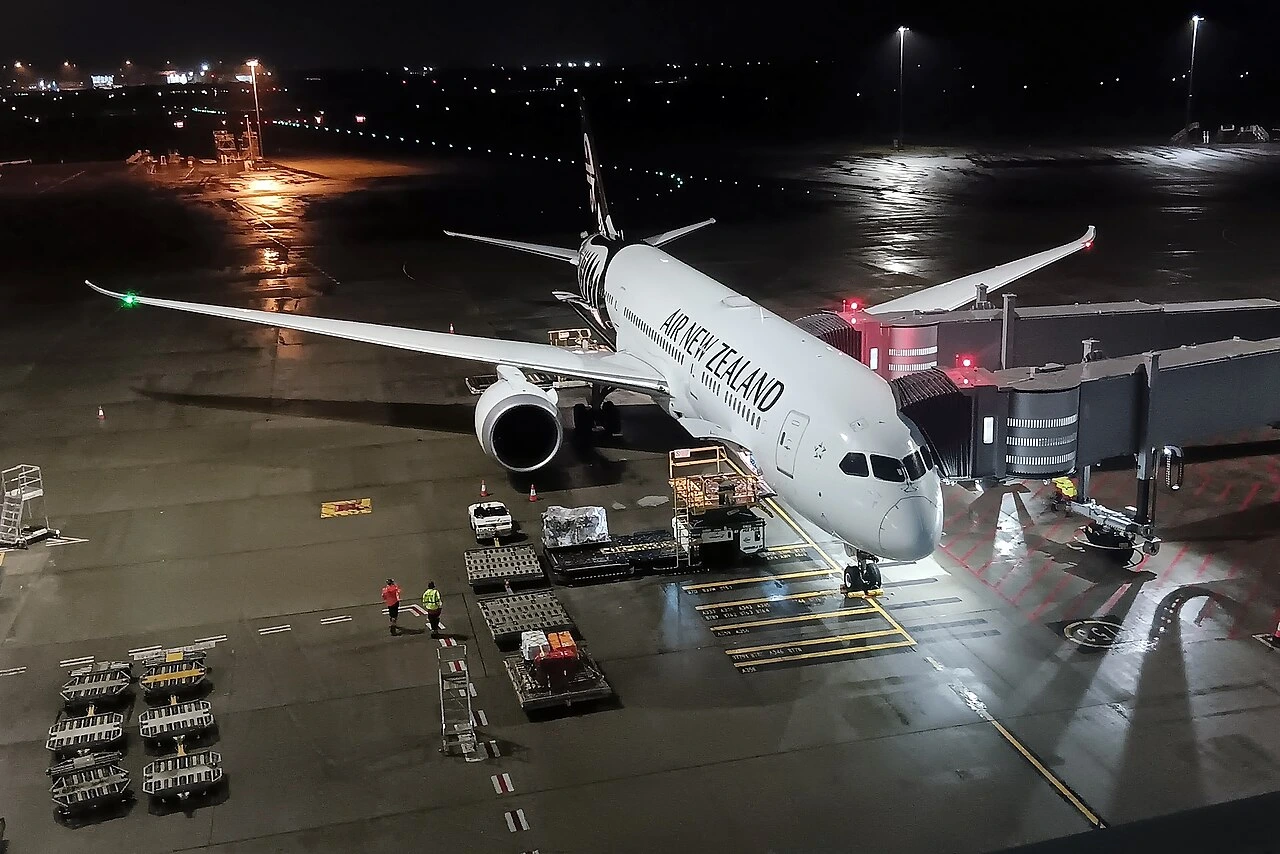
Boyer said the second application changes what airline staff can tell passengers in the moment. If ground teams know a delay is coming from a crew or aircraft change, the AI system estimates how long that delay will run, letting staff share far more detailed information than a generic “delayed” notice.
The goal is trust, not just data. Boyer said more transparent, granular explanations help passengers understand why a flight was delayed or cancelled, rather than leaving them guessing. Air New Zealand has also built an automated rebooking system to support customers once a disruption does occur.
Air New Zealand’s Reliability Push Trails Qantas Across the Tasman
Air New Zealand’s punctuality campaign comes as its trans-Tasman rival sets the regional benchmark. Qantas Airways (QF) was named the world’s most punctual major airline for June 2026, posting an 87.16 percent on-time score across 22,617 flights, according to OAG.
The cancellation gap between the two carriers is wider still. Among Australasian airlines tracked for June, Jetstar cancelled just 0.77 percent of flights and Qantas cancelled 1.59 percent, while Air New Zealand’s cancellation rate reached 3.61 percent, more than double its closest trans-Tasman rival. Qantas has also climbed from 106th in the world for punctuality three years ago to first place today, a turnaround Air New Zealand has cited internally as it works toward its own stated goal of becoming the world’s most respected airline.
Reliability Push Fits into a Wider Network and Product Overhaul
Air New Zealand’s operational focus follows a period of financial strain. The airline reported a first-half loss for the 2026 financial year, driven by jet engine maintenance issues, softer demand, and rising costs, and it has separately launched a strategic review of its network and fleet deployment.
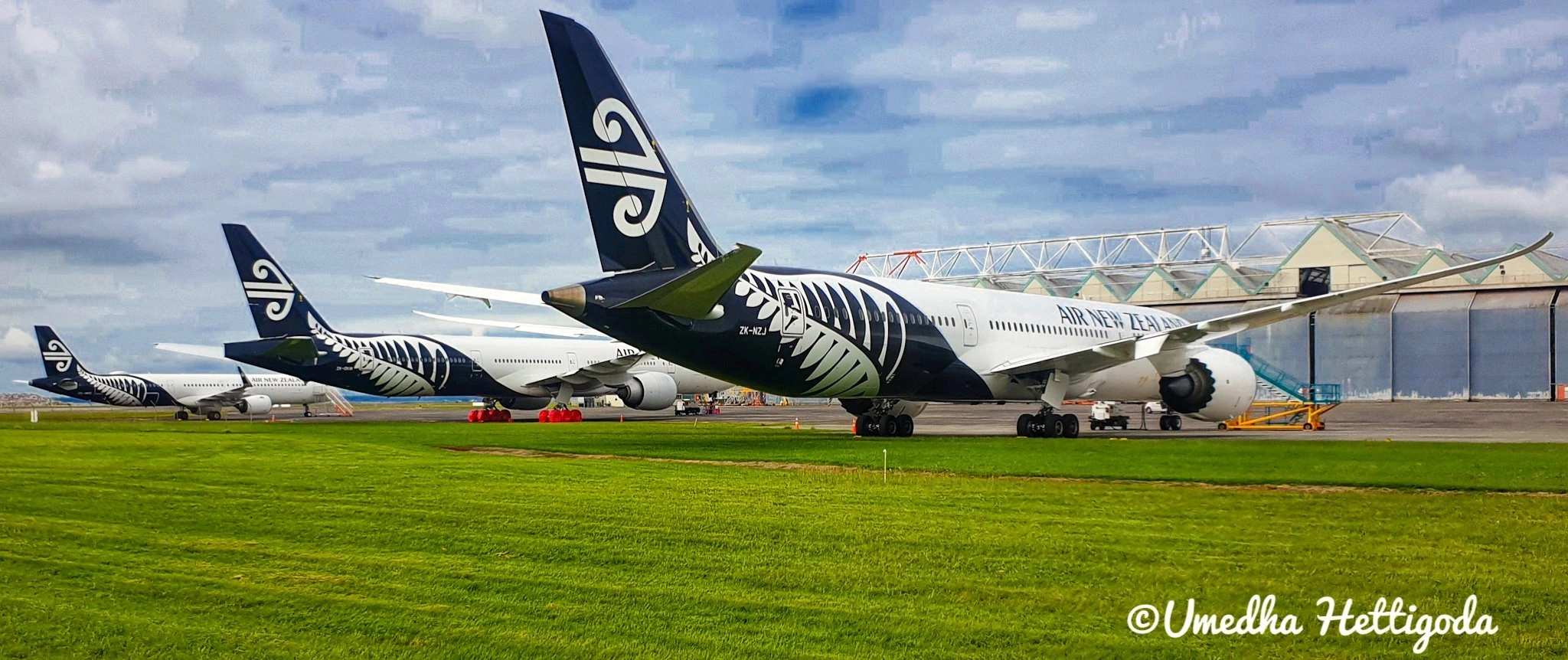
Chief executive Nikhil Ravishankar, who took over the role in October 2025, has made punctuality one of several priorities as the airline works toward profitability. Air New Zealand is simultaneously investing in new products for the same long-haul routes where its on-time performance lags furthest behind, including lie-flat economy sleeping pods, branded Skynest, planned for Boeing 787-9 aircraft on flights exceeding 17 hours from Auckland Airport (AKL), Auckland.

.jpg)

.jpg)
.jpg)
