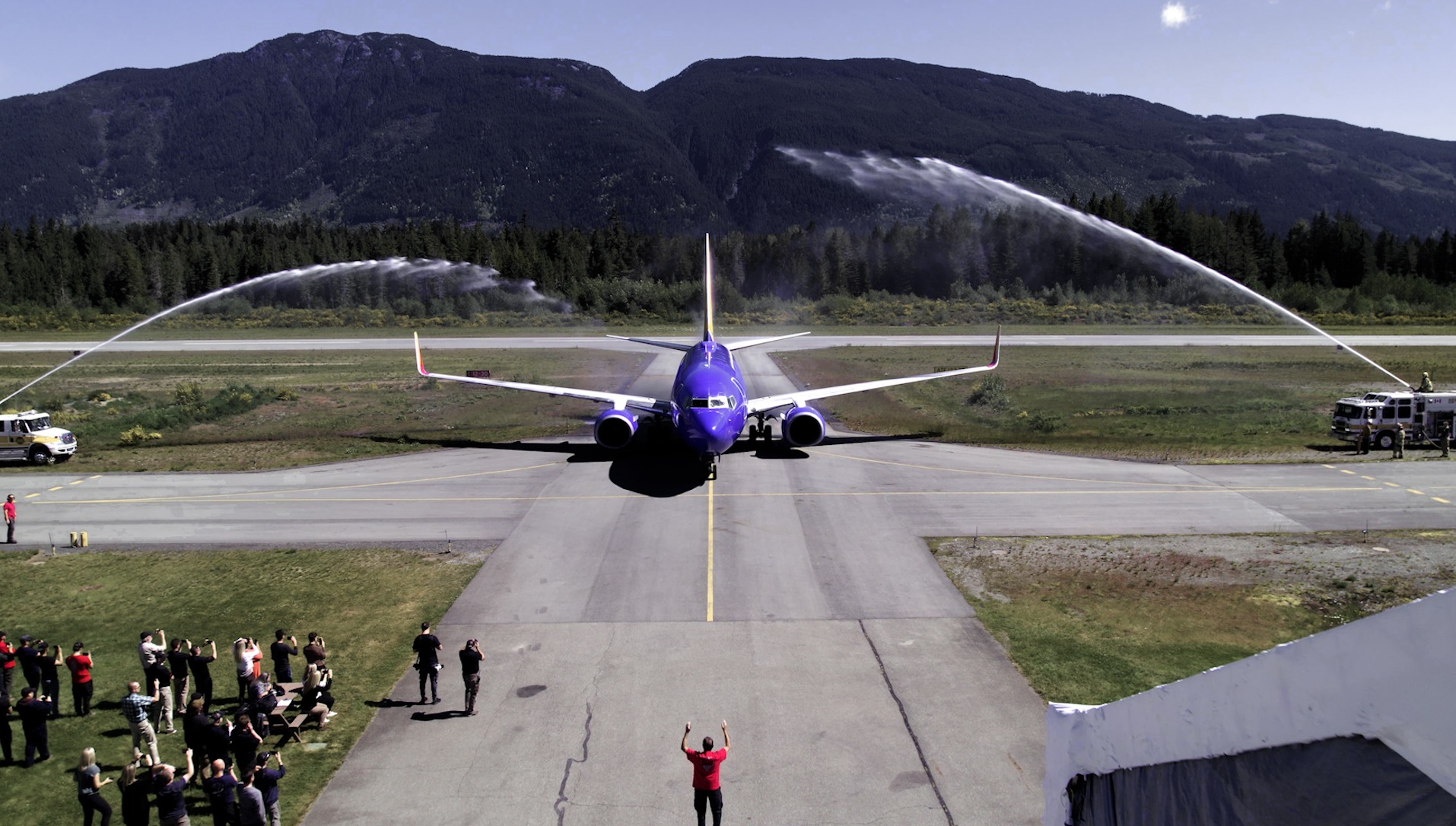
On May 23, 2024, a British Columbia-based aerial firefighting company, Coulson Aviation, announced the arrival of its first Boeing 737-700 aircraft. Coulson Aviation stated that they would be converting the retired Southwest Airlines 737-700 into a firefighting tanker, with up to ten 737-700s joining its fleet, becoming the world’s highest-capacity large air tankers. As the aircraft will find new life as a powerful firefighting tool, it is supposed to become the world’s highest capacity Large Air Tanker (LAT).
An increased need for aircraft (like the converted Boeing 737-700) to fight wildfires
In a research paper published in Nature, it was reported that the instances of wildfire were increasing:
“Wildfires burned 384 Mha of land in 2023, the highest since 2017 but 5% lower than the 2001–2022 average. These fires emitted an estimated 2,524 Tg C, 30% of which came from Canada’s record fire season.”
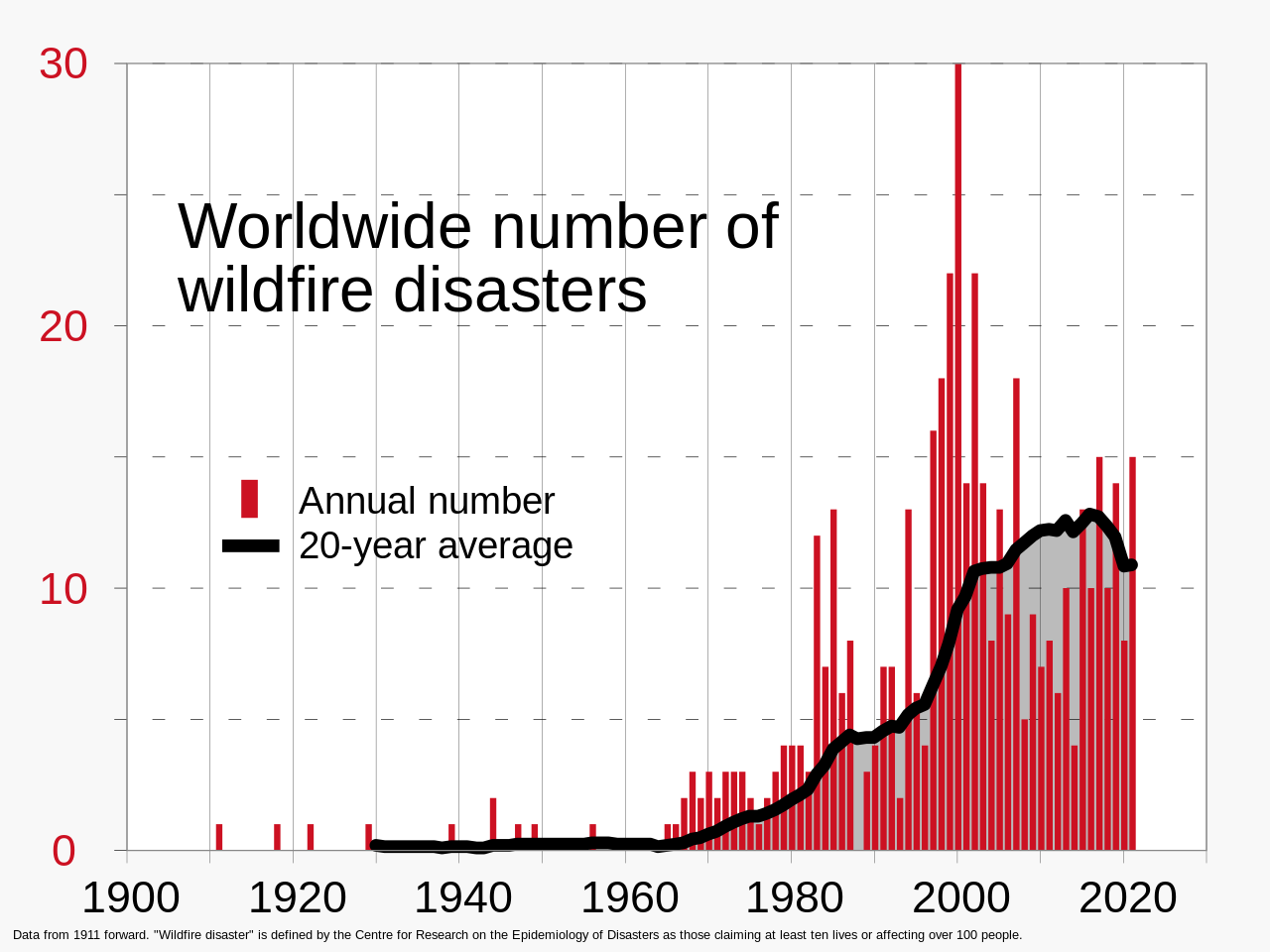

The photograph is “based on data from the Centre for Research on the Epidemiology of Disasters Source for data: Haddad, Mohammed; Hussein, Mohammed. “
Some numbers were also quoted by Coulson Aviation, which will operate Southwest’s retired 737-700s to fight wildfires:
“In 2023, global fires emitted over 2.1 billion tons of carbon dioxide (more than most countries), and contributed to over 340,000 premature deaths due to air pollution. Larger, more capable aircraft are an important tool to extinguish a fire while they are small, before they turn into mega fires that endanger and affect lives and property.”
Coulson has a number of aircraft that are set to deal with forest fires. Its fleet include:
- Chinook CH-47 Helitankers
- Blackhawk UH-60 Helitankers
- C-130 Hercules
- Sikorsky S-61 Helicopters
- Sikorsky S-76 Helicopters
- Bell 412 Helicopters
- Cessna Citation
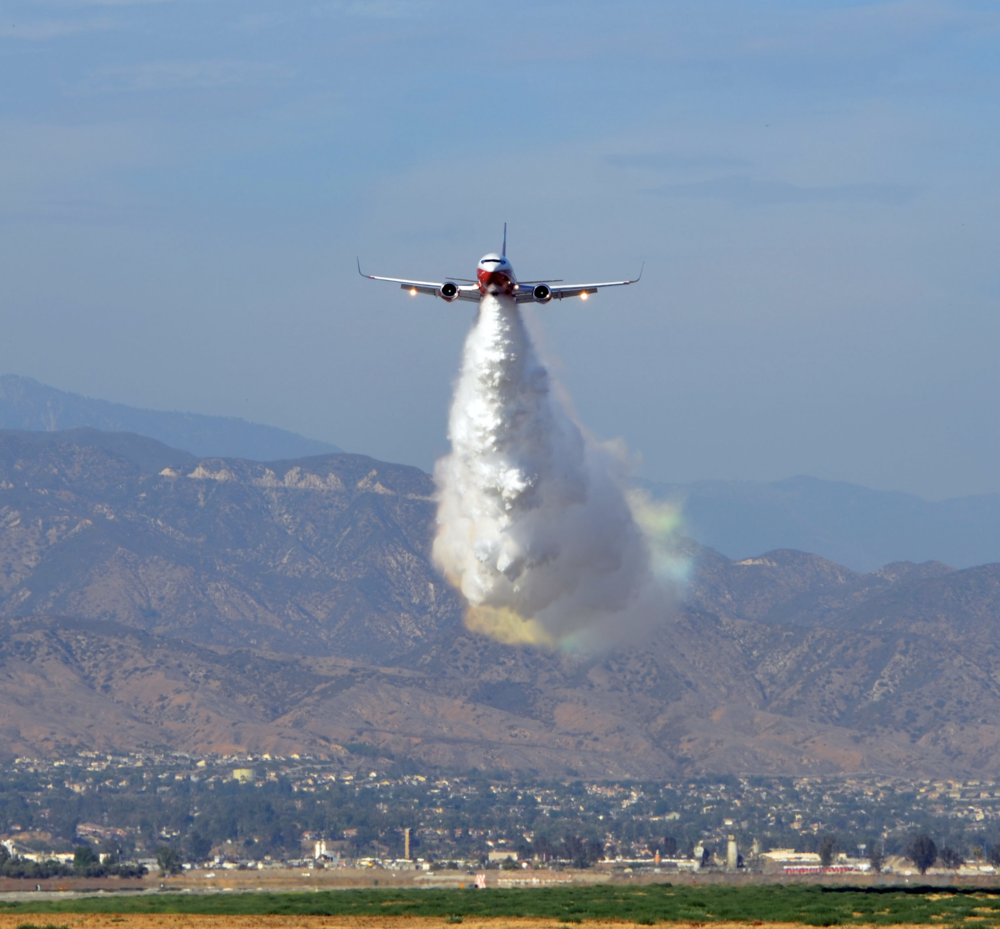
Photo: Coulson Aviation
A Boeing 737 operated by Coulson Aviation in action.
The Boeing 737-700 doesn’t quite have the capacity of a Very Large Air Tanker (VLAT), which can hold almost 8000 liters of fire retardant. Although the size of a Boeing 737-700 can make it difficult to land and take off, its usefulness has been encapsulated by Western Fire Chiefs Association:
“Large airtanker (LAT) planes, with their capacity for 2,000 to 4,000 gallons of fire-retardant, offer higher and more widespread coverage. This is helpful for putting out forest fires, as they can fly above the canopy..”
Details of Southwest’s converted Boeing 737-700 that will fight wildfires
The newly converted Boeing 737-700, now known as the Next Generation Fireliner, is poised to revolutionize firefighting capabilities for Coulson Aviation. Its unique multi-role capability, allowing it to transport passengers when not deployed on active fire fighting missions, has made it a sought-after Large Air Tanker for foreign governments. This versatility not only streamlines the process of finding flight and maintenance crew and aircraft parts but also underscores its exceptional value.
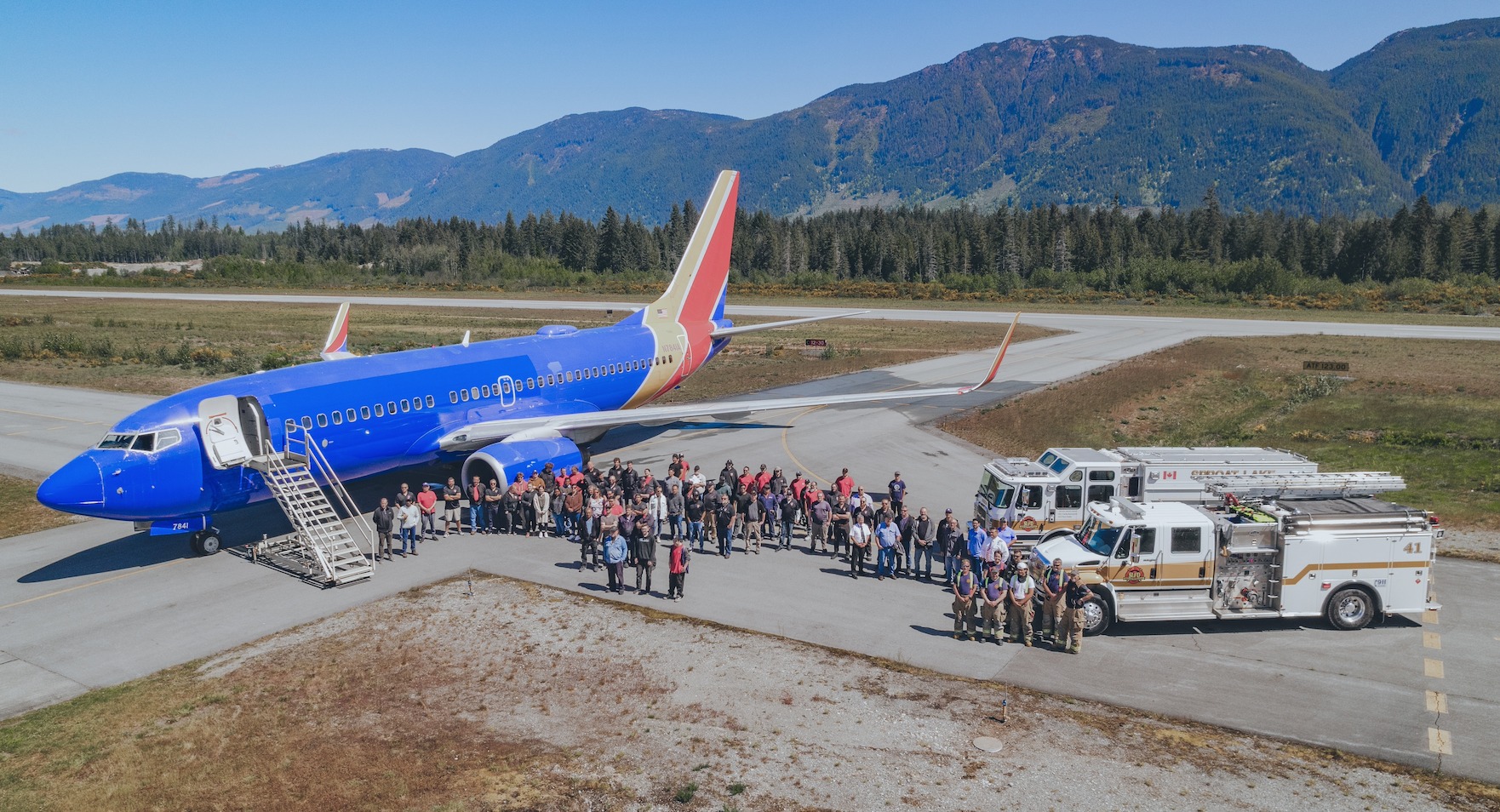
The Next Generation Fireliner, with its increased payload of 5,000 gallons (19,000 liters), sets a new standard for LATs worldwide. Its significantly lower fuel burns than previous-generation aircraft makes it the most efficient converted tanker in Coulson Aviation’s fleet. The Boeing 737-700 is the first of up to ten aircraft that Coulson is set to acquire. Till date, the entire 737 of Coulson’s fleet has been supplied by Southwest Airlines.
The age of the aircraft acquired is 23.3 years and was produced in Renton, US. The aircraft with the manufacturer serial number (MSN) of 28015 was first acquired by Maersk Air in 2001. Jet Time Finland delivered the aircraft to Southwest Airlines in 2016.
Coulson Aviation is buoyant at the prospects of the aircraft
The Boeing 737-700 has an ability to arrive at fire scenes faster and deploy a larger volume of fluids. This comes in handy in initial attack missions, preventing fires from escalating into deadlier mega-fires. By taking down fires early, the aircraft is expected to play a significant role in protecting the environment and enhancing firefighting efforts, a cause we can all contribute to.
Britt Coulson, the company’s president and chief operating officer, said:
“Our new 737-700 Next Gen FIRELINER program will build on our existing 737-300 platform, which has been extremely successful for us. The FIRELINER platform has been the go-to Large Air Tanker for foreign governments to purchase due to its unique multi-role capability allowing it to transport passengers when not deployed on active fire fighting missions as well as supports a streamlined process in finding both flight and maintenance crew and aircraft parts.”
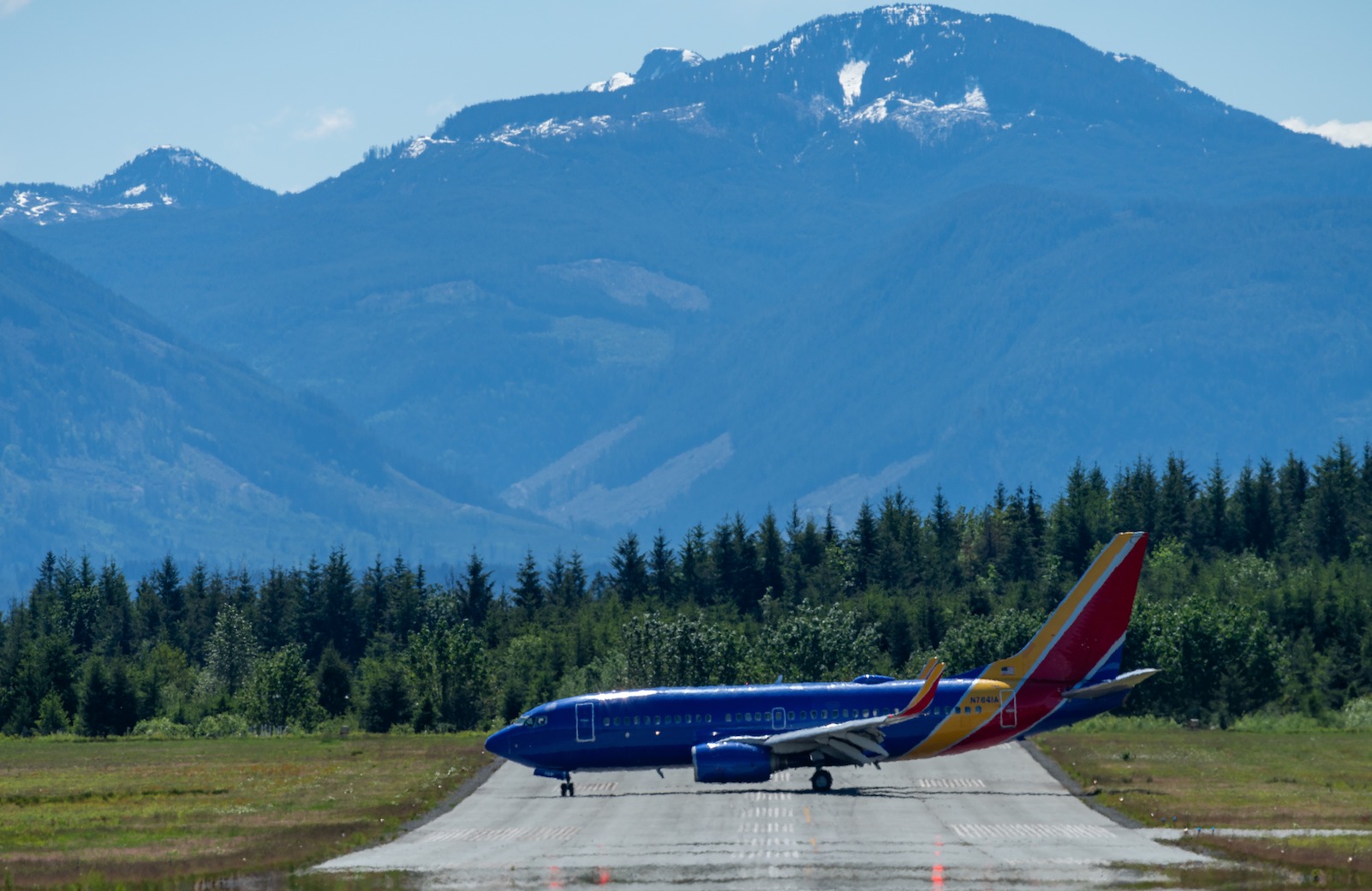
The Boeing 737-700 acquired from Southwest Airlines by Coulson Aviation.
Furthermore, he added that the jet is easy to maintain and is supported by an experienced maintenance and operational crew. The diverse Coulson fleet includes Lockheed C-130 aircraft configured as aerial tankers alongside multiple converted military helicopters and dozens of other aircraft. The airline’s older generation airliners have long served as the go-to air tankers for foreign governments to utilize for firefighting purchases, Coulson added.