President Donald Trump unveiled a $22.5 billion redevelopment plan for Washington Dulles International Airport (IAD) from the White House on July 29, 2026. Transportation Secretary Sean Duffy and United Airlines (UA) CEO Scott Kirby joined the announcement, which sets out a decade-long rebuild of the airport’s terminal, concourses and transit system. The project replaces the aging Concourse C-D, expands the Eero Saarinen-designed main terminal and retires the airport’s mobile lounges, according to a report by ABC News.
The plan grew out of a 2025 master plan that had committed roughly $7 billion to Dulles upgrades. Officials expanded that figure more than threefold after reviewing over 30 design submissions following a December 2025 request for proposals. Metropolitan Washington Airports Authority (MWAA), which owns and operates the airport, will lead construction while United, the airport’s dominant carrier, finances a share of the cost.
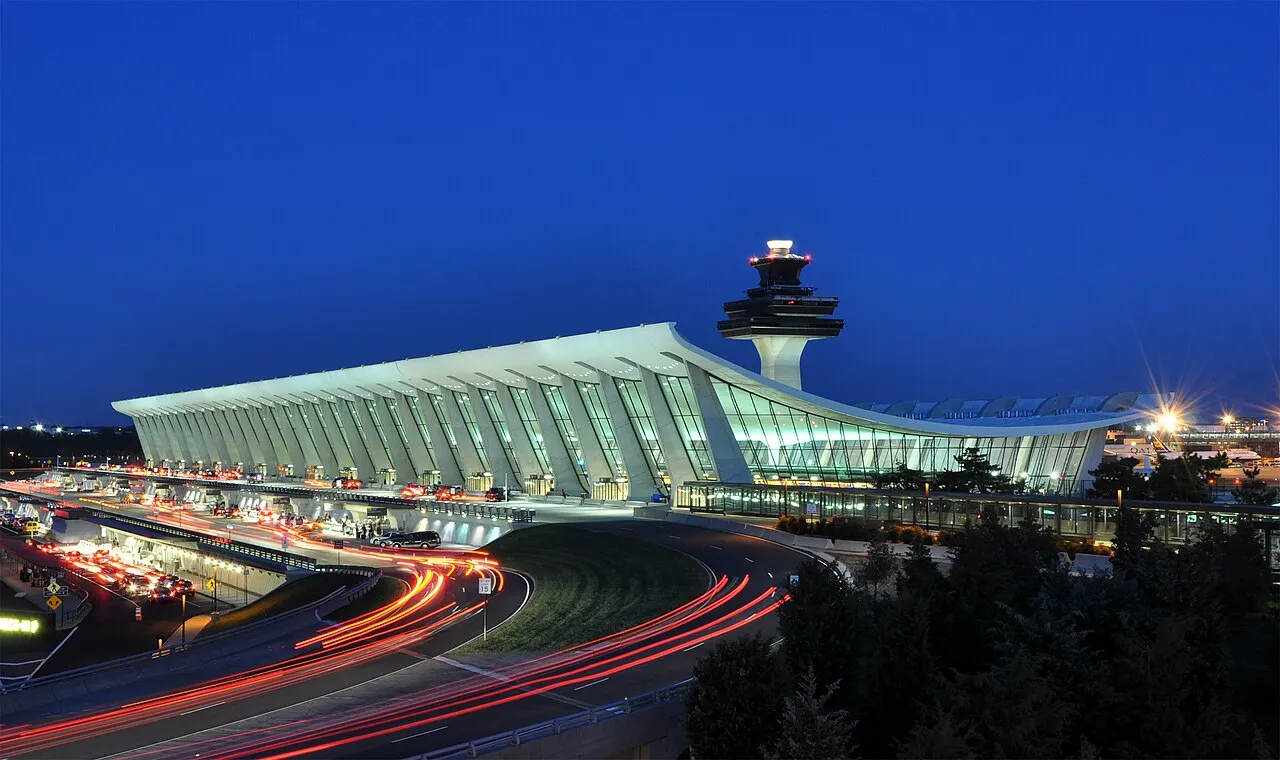
What The 22.5 Billion Dollar Plan Actually Builds
The redevelopment adds more than 5 million square feet of new or renovated terminal space. It also includes a multi-story parking garage with about 32,000 spaces, which Trump called the largest garage in the world. Construction happens in phases so the airport can stay open throughout.
The work splits into five separate construction packages. Each targets a different part of the airfield.
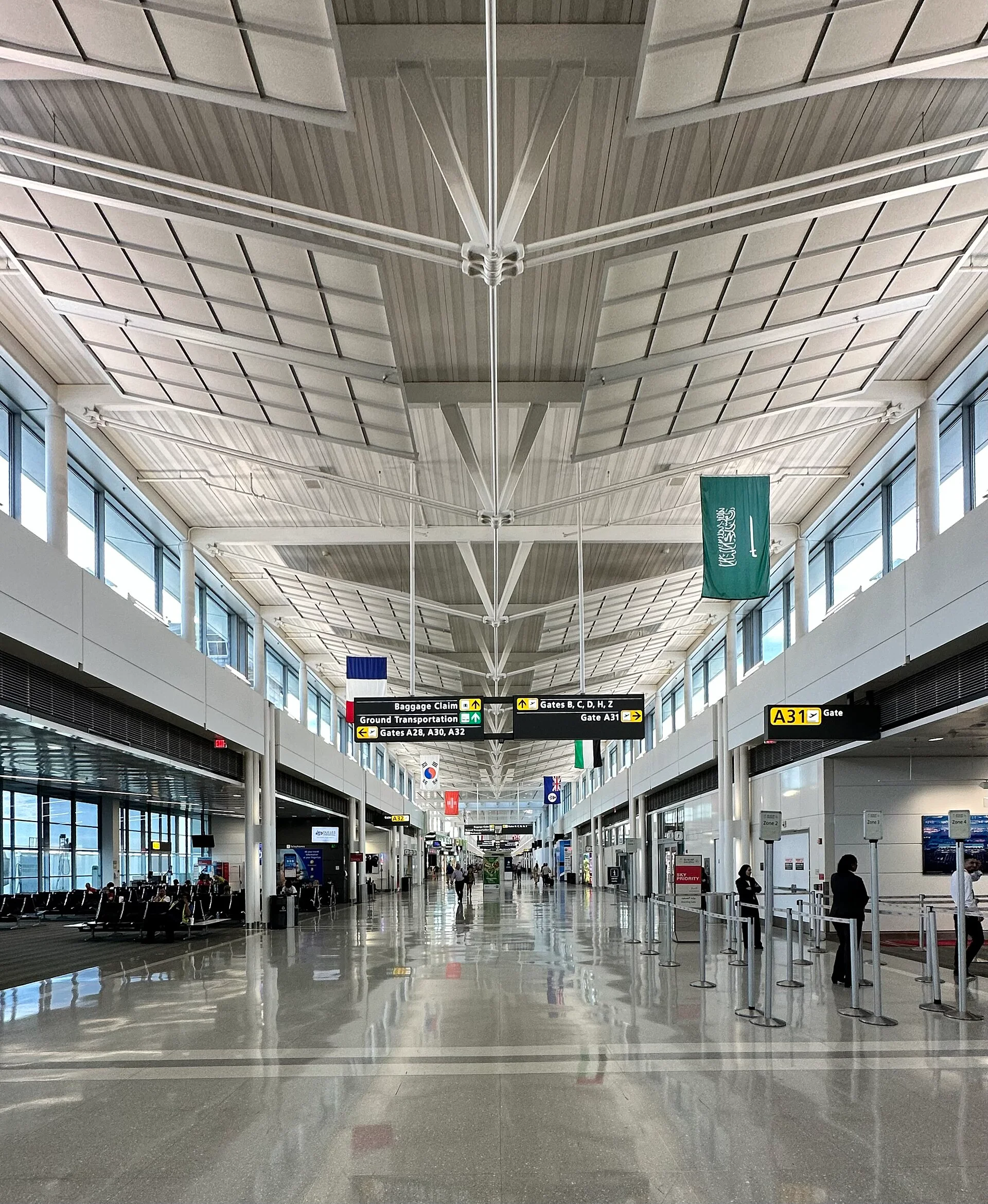
- Main Terminal and Concourse A: expands Saarinen’s terminal, turns ticket counters perpendicular to the curb, and adds a 14-to-16-gate extension to Concourse A.
- AeroTrain and pedestrian tunnel: extends the underground train to two new stations and links every concourse with a walking tunnel.
- Concourse E: the first phase opens this fall and will later be renamed Concourse C.
- Concourse D: a new domestic concourse built south of the current Concourse E.
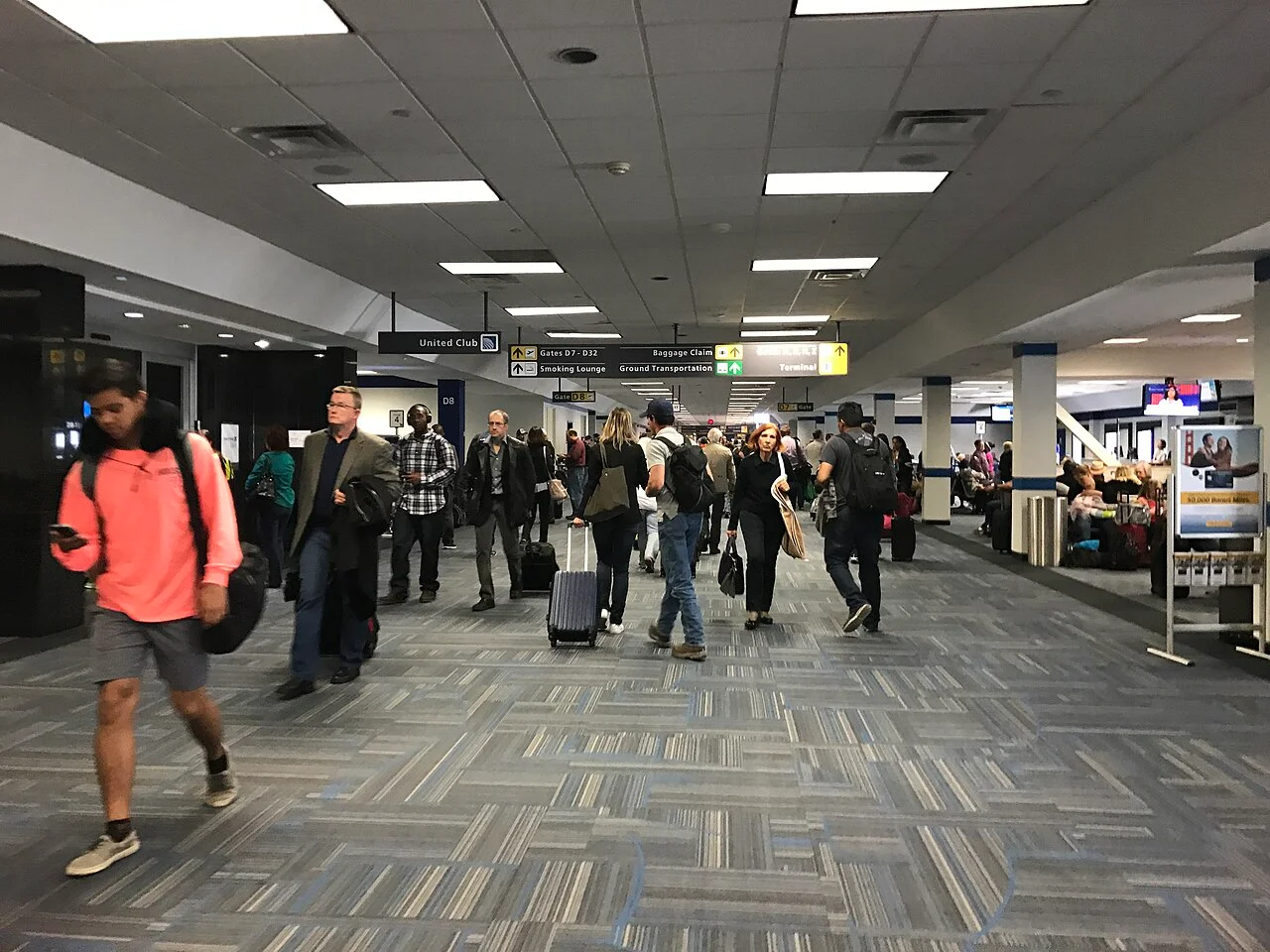
- Concourse B: a new regional concourse on the site of today’s Concourse C-D.
Aerotrain Expansion Replaces Dulles People Movers
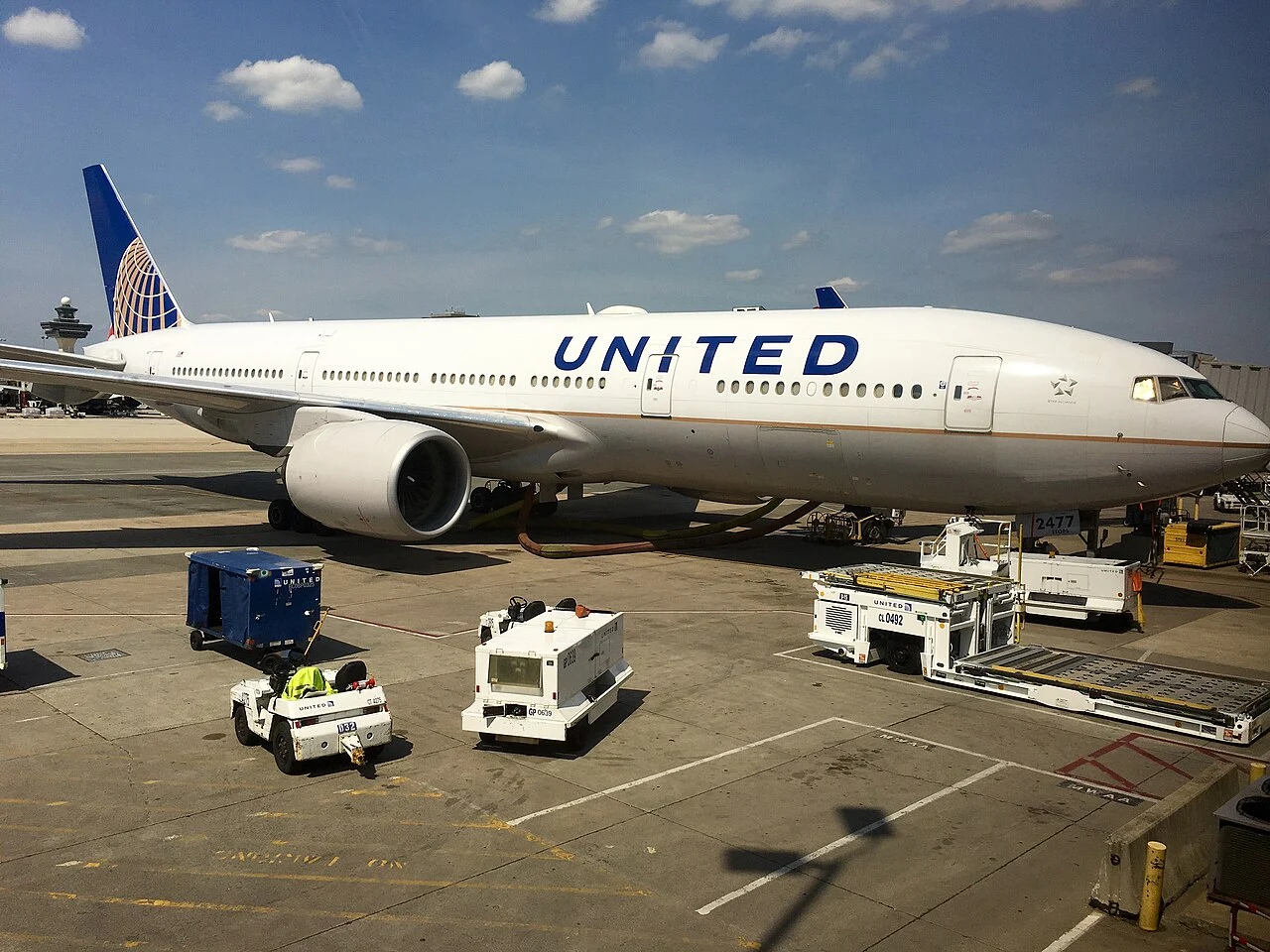
Dulles has used mobile lounges, known as people movers, to shuttle passengers across the tarmac since the airport opened in 1962. The redevelopment retires that system. In its place, MWAA will build an underground, U-shaped AeroTrain extension alongside new moving walkways to speed up transfers between gates.
Duffy described the replacement as a horseshoe rail system that moves passengers faster than the current shuttles. The change also brings a larger U.S. Customs facility for arriving international travelers and a modernized baggage system.
How United Airlines Stands to Benefit from The IAD Overhaul
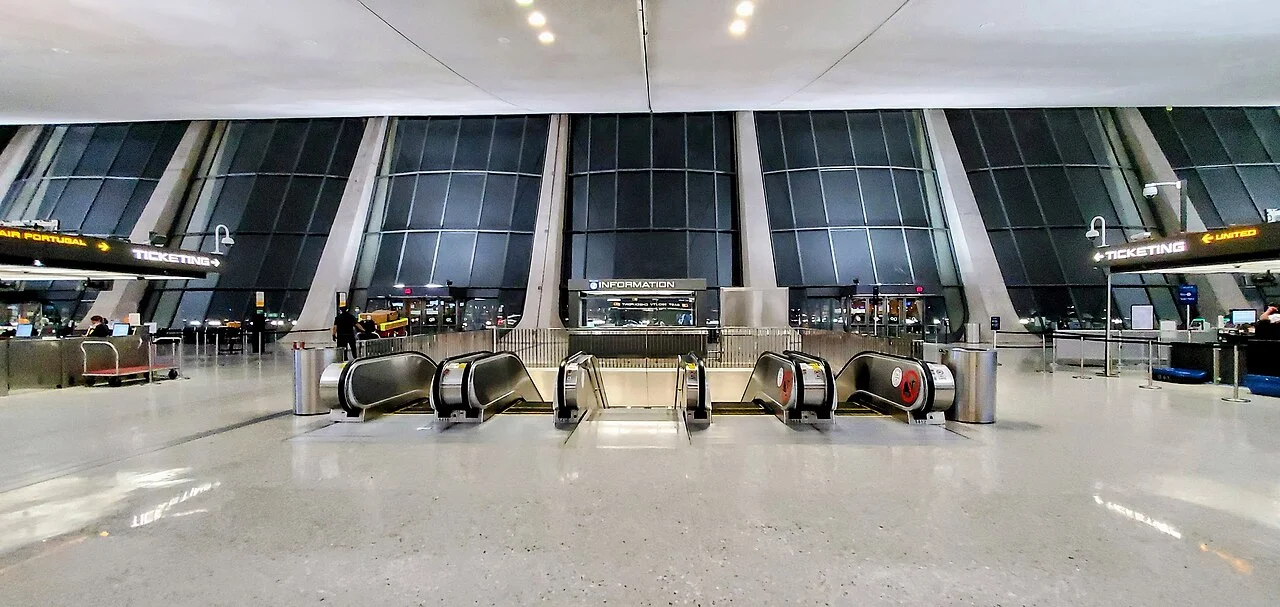
United carries roughly 70% of Dulles’s passenger traffic, and the airport ranks as the airline’s sixth-largest hub. Seats at IAD are set to rise 24% this year compared with 2019, United’s previous peak, trailing only its Denver International Airport (DEN) hub in growth. “We designed it by and large,” Kirby said of the plan in June. “We’re excited about it.”
The rebuild is expected to lift United’s gate count at IAD from 89 to 111 narrowbody-equivalent gates by 2045. More gates support new routes. United already added nine routes from Dulles in 2026, including new nonstop service to Rafael Nunez International Airport (CTG) in Cartagena, Colombia, starting in December.
That Cartagena route stands out because United normally routes Latin American flights through its George Bush Intercontinental Airport (IAH) or Newark Liberty International Airport (EWR) hubs. Newark faces space limits and airspace congestion, so United is shifting some growth to Dulles instead. Kirby said in December 2024 that the airline saw room to “double the size” of its international footprint at IAD.
United also plans a new Polaris lounge in the connector between the main terminal and Concourse A, according to comments from the airline’s chief commercial officer, Andrew Nocella. A separate 40,000-square-foot United Club themed around Washington, D.C. is already under construction inside the new Concourse E.
Financing The Project Through Bonds Not Federal Funds
The $22.5 billion cost will not come from direct federal funding. MWAA plans to issue municipal bonds, and participating airlines, led by United, will cover part of the expense. Congress will still need to approve some elements before the full plan moves forward.
That financing structure raises questions about future airport fees. The project’s cost works out to far more per passenger than comparable airport programs elsewhere. Los Angeles International Airport (LAX) is running a $30 billion capital program ahead of the 2028 Olympics, yet LAX served 73.7 million passengers in 2025 compared with Dulles’s 29 million.
Kirby has pushed back on estimates that the project could raise United’s cost per enplanement, or CPE, to $90 per passenger. “The $90 CPE is not correct because there’s going to be more Es,” he said in June, meaning added passenger volume at Dulles would spread the project’s cost across more travelers and lower the per-passenger burden.
Preserving Eero Saarinens Landmark Terminal Design
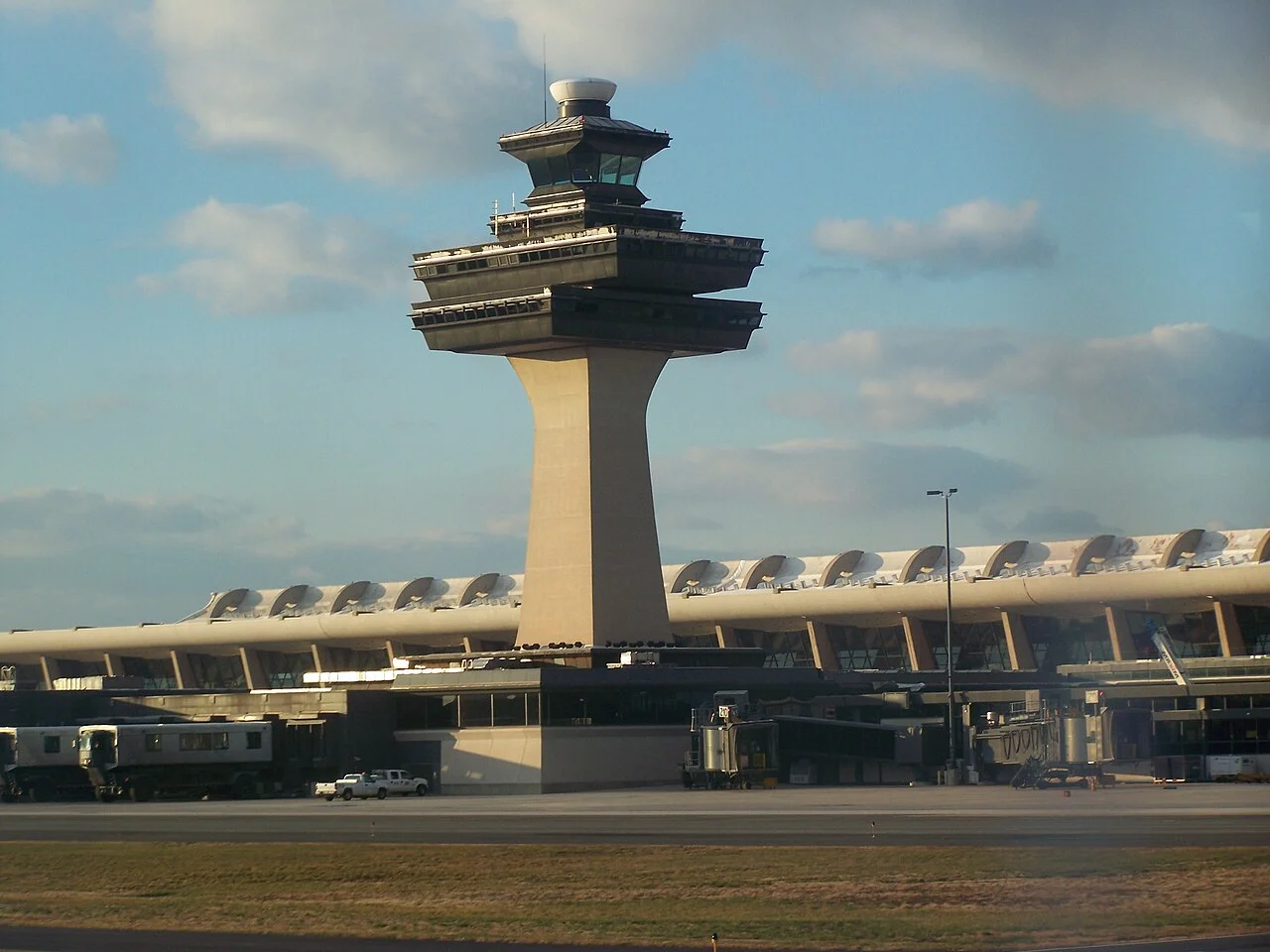
Saarinen’s 1962 main terminal is one of the most recognized works of modern American airport architecture. Officials have said the redevelopment will keep the building’s exterior form intact while rebuilding the interior. MWAA wrote in a June solicitation that it intends to maintain the iconic architectural design while undertaking a comprehensive transformation of the interior spaces.
Not everyone is convinced the plan protects the terminal enough. Preservation group Docomomo DC wrote to the U.S. Department of Transportation in January that the Dulles Main Terminal is one of the most significant works of modern architecture in the United States and a globally recognized masterpiece by Eero Saarinen. The group added that it strongly opposes any approach that would compromise the terminal’s essential form, structure or spatial qualities. Renderings released with the plan show a large new expansion standing close beside the original terminal, which has fueled some of that concern.

_@_Washington_Dulles,_2016.jpg)


