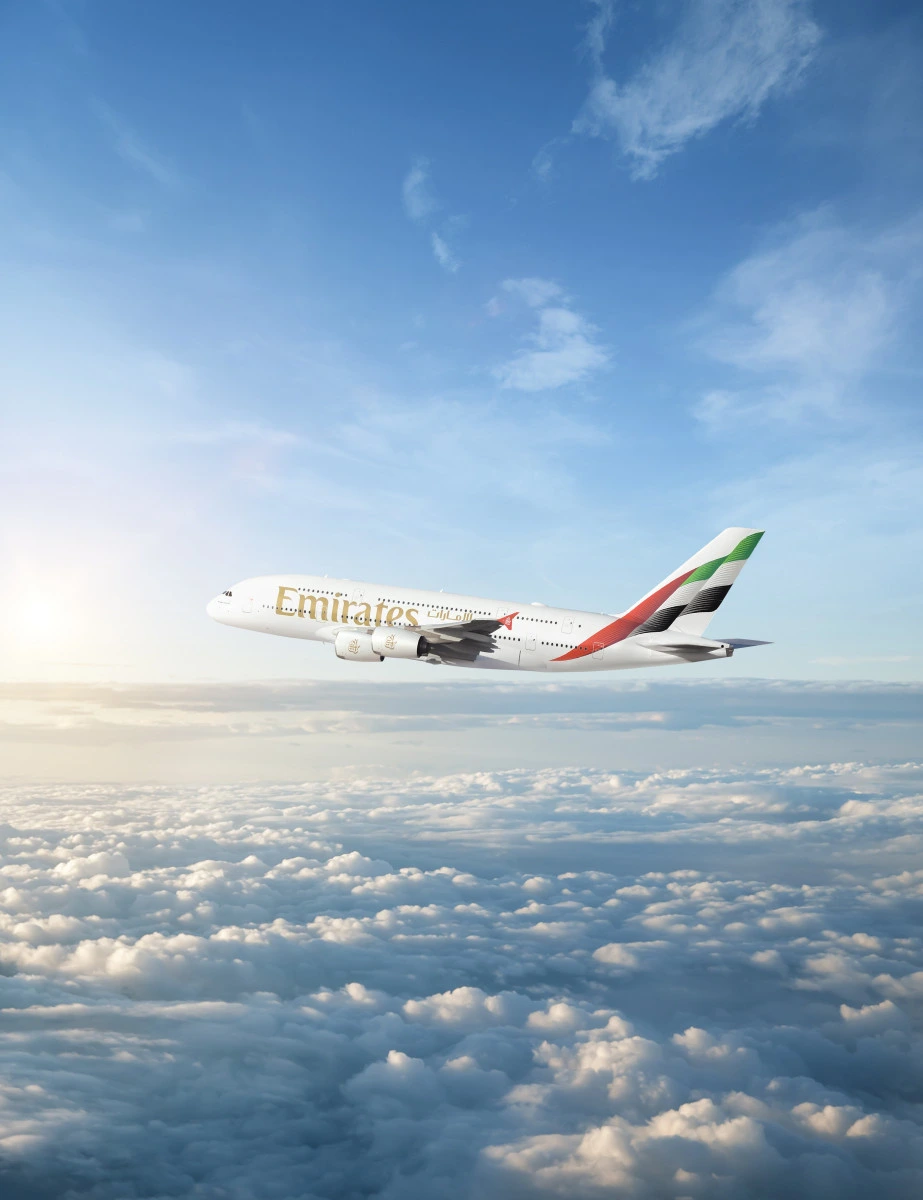
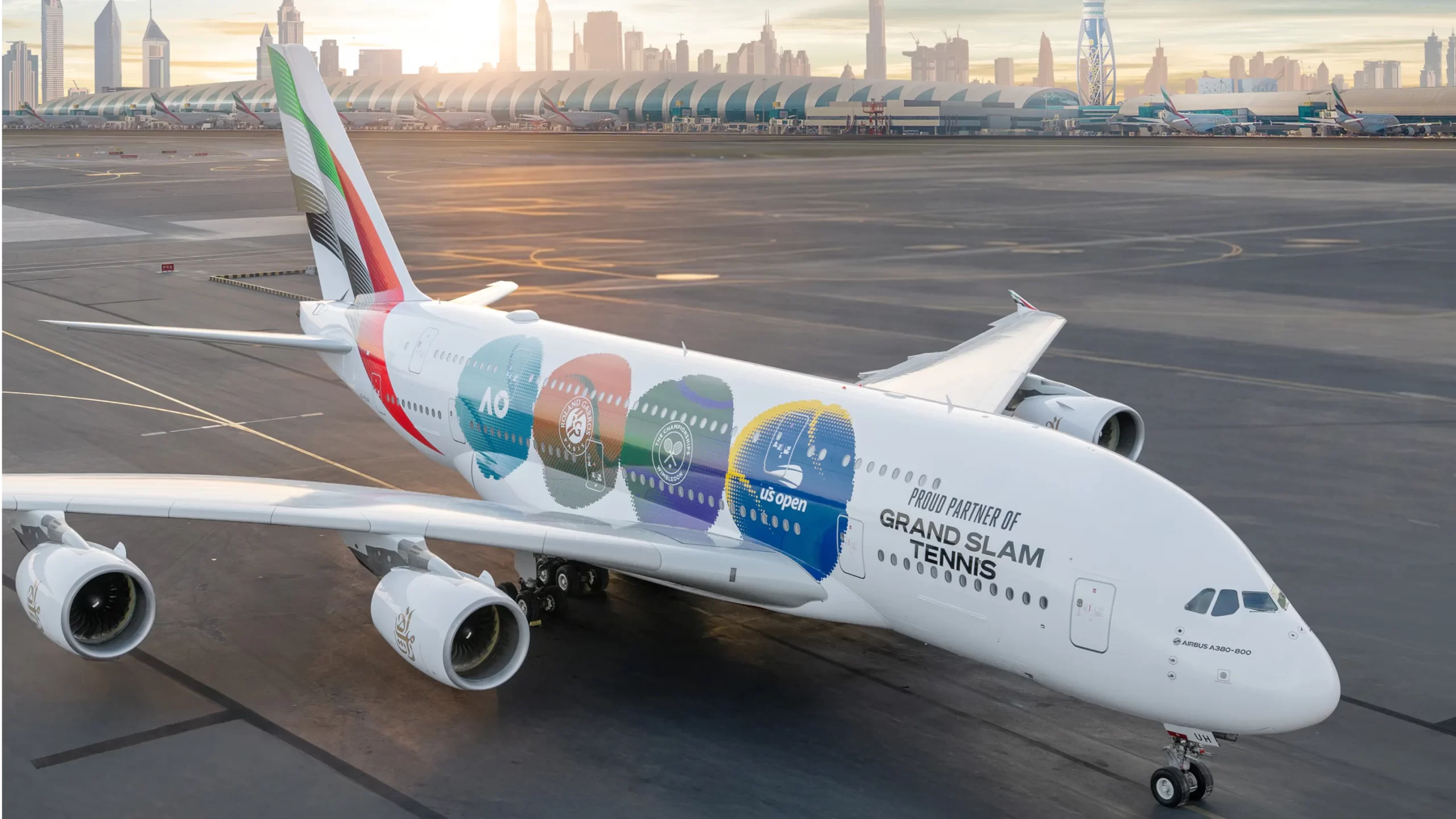
Soekarno-Hatta International Airport (CGK) in Tangerang, Banten, is preparing to receive an Airbus A380 for the first time in years. The superjumbo will touch down as a one-off charter rather than a regular scheduled service, InJourney Airports Corporate Secretary Group Head Arie Ahsanurrohim clarified in a statement Saturday. Emirates (EK) will operate the Airbus A380-800 on flight EK358 from Dubai International Airport (DXB) into Jakarta on August 8, 2026, at 10:25 p.m. local time, before flying back to Dubai as EK359 the following morning. According to ANTARA News, the flight exists to carry two European football clubs into Indonesia for a pre-season exhibition, not to launch a new Jakarta route.
“The Emirates Airbus A380-800 flight to Soekarno-Hatta International Airport will take place on a one-off basis on August 8, 2026,” Ahsanurrohim said. “There are no additional scheduled flights for this aircraft type following this arrival.” Soekarno-Hatta General Manager Heru Karyadi separately confirmed that the airport can handle the aircraft, backed by three runways and specialised ground support facilities. The arrival coincides with the Indonesia Super Cup 2026, a marquee friendly between Chelsea and AC Milan at Gelora Bung Karno Stadium in Jakarta on the same day.
What Makes This Landing Rare For Jakarta’s Airport
Indonesia’s busiest airport has never hosted a scheduled Airbus A380 service, despite handling far more passenger traffic than any other airport in the country. Heru said the flight confirms Soekarno-Hatta’s capability to accommodate ICAO Aerodrome Reference Code 4F aircraft, the classification reserved for the largest passenger jets flying today. Only a short list of the ten biggest passenger planes in the world carry that designation, and the A380 tops it by a wide margin.
The one-off nature of the flight matters because Code F certification alone does not guarantee regular superjumbo traffic. Airlines only deploy the A380 on routes with enough sustained demand to fill its cabin, and Jakarta has never had a carrier commit to that on a permanent basis. This charter shows the infrastructure exists, even though the commercial case for a standing Jakarta route apparently does not yet.
Inside The Runways And Ratings That Can Take The A380’s Weight
Soekarno-Hatta operates three active runways, and two of them meet the technical bar for Code F aircraft. Runway 07R/25L measures 3,660 metres by 60 metres, and Runway 07L/25R measures 3,600 metres by 60 metres, both exceeding what a fully loaded A380 needs for takeoff. A third runway, 06/24 at 3,000 metres, opened in 2019 and lets the airport handle up to 81 aircraft movements an hour.
Specific engineering details back up the airport’s readiness for the aircraft’s weight:
- Runway 07R/25L carries a Pavement Classification Rating of 1290/R/D/X/T
- Runway 07L/25R carries a Pavement Classification Rating of 1290/R/D/X/U
- Terminal 3’s Apron G holds a rating of 1010/R/B/X/T, with dedicated parking stands
- Parallel taxiways and aprons were engineered specifically for double-deck wide-body jets
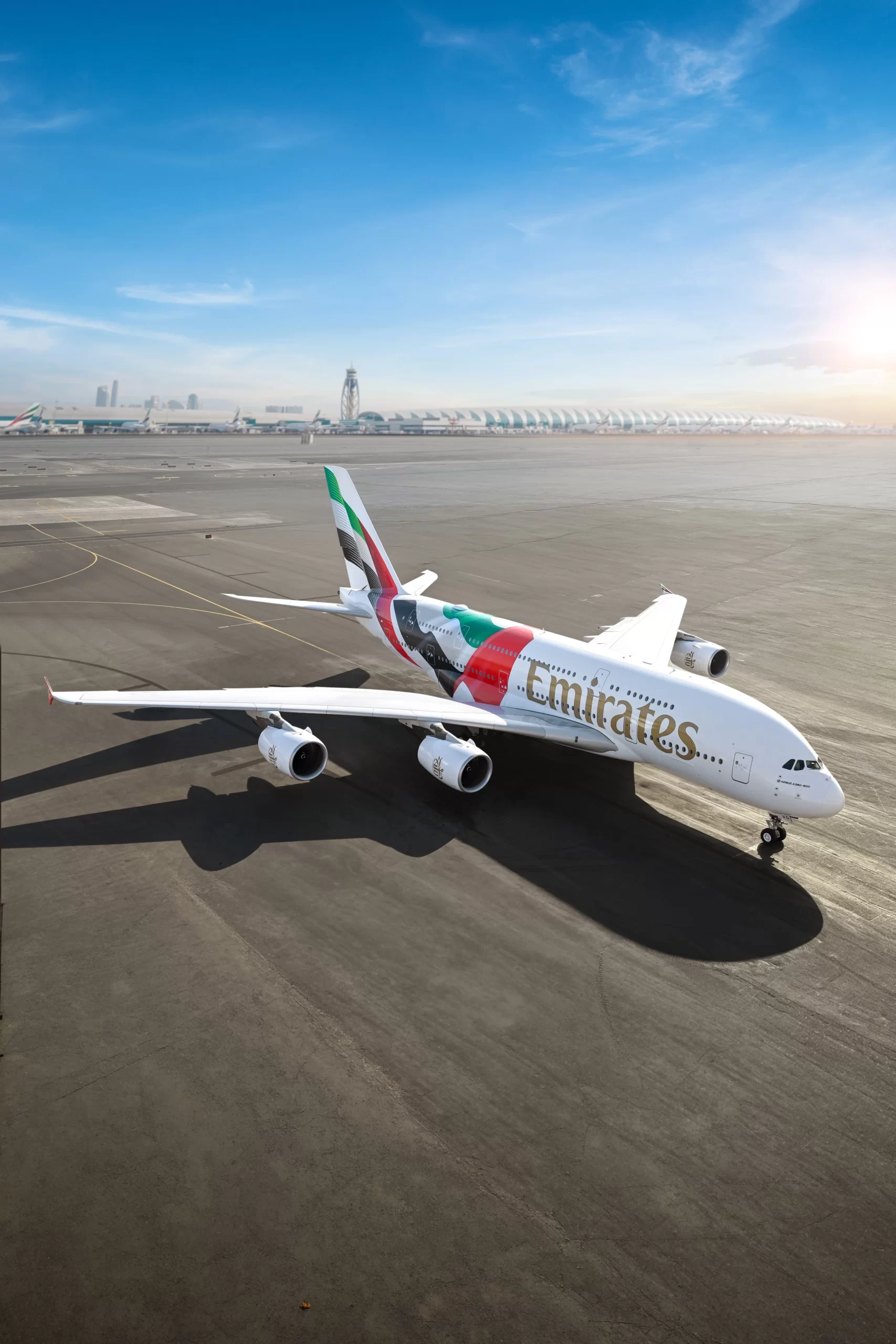
Terminal 3, the airport’s newest and the hub for full-service international carriers, is expected to handle the arrival. The terminal opened in 2016 and already serves as Garuda Indonesia’s main base.
Why The World’s Largest Passenger Jet Needs Special Treatment
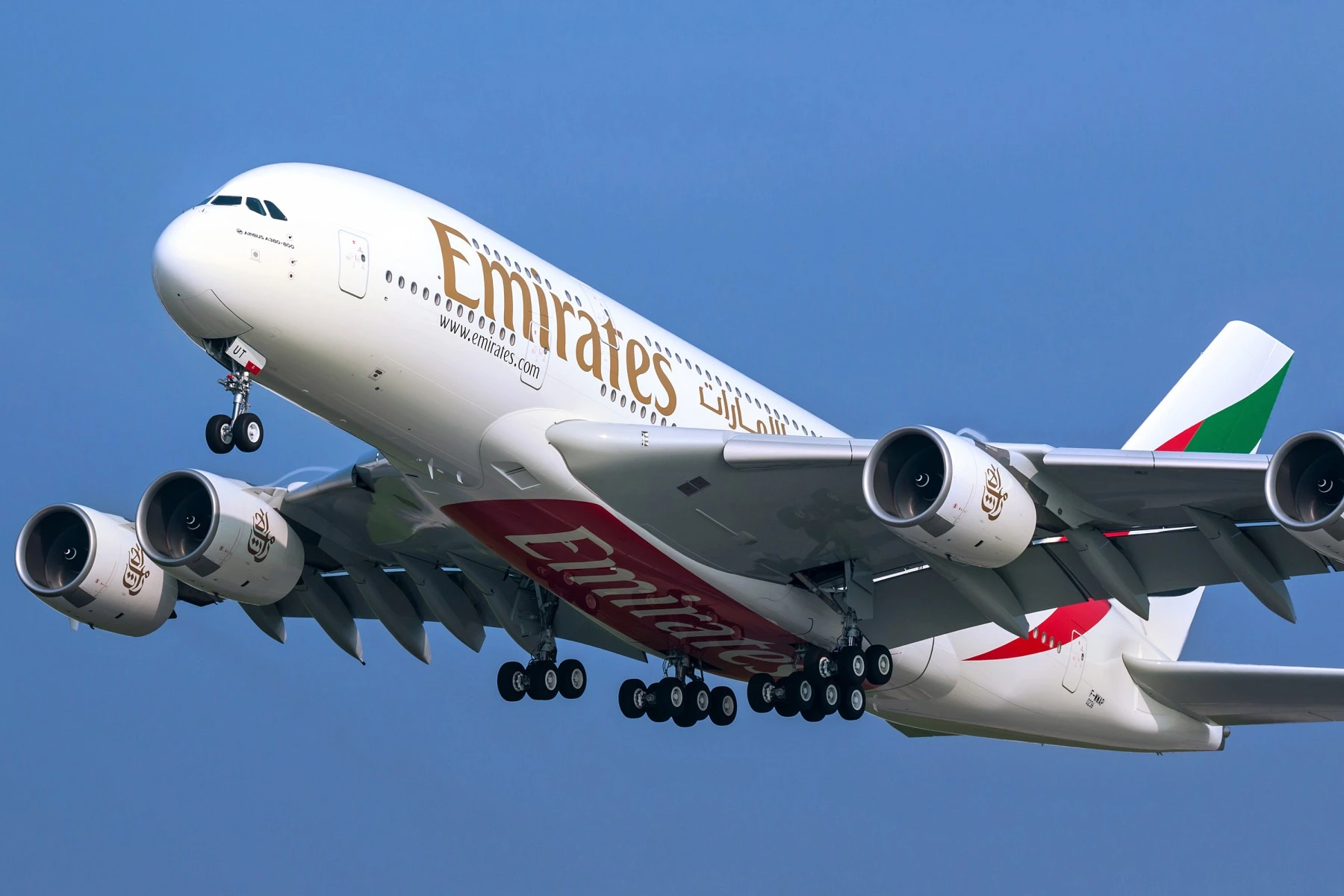
The Airbus A380 earns its Code F classification through sheer size: its wingspan at 79.75 metres, just under the 80-metre ceiling that separates Code F from smaller aircraft categories. That scale is why an airport rated for Code E jets, such as the Boeing 777 or Airbus A350, cannot automatically take an A380 without upgrades to taxiways, parking bays, and runway strength.
The aircraft can seat up to 853 passengers in a high-density single-class layout, and its landing gear carries 22 wheels, a record among passenger jets. Airbus stopped building new A380s after roughly 250 aircraft, since the jet only turns a profit for airlines that concentrate huge passenger volumes through one or two hub airports. That economic reality, more than any technical limit, is why so few airports worldwide receive the aircraft on a scheduled basis.
How Soekarno-Hatta Compares With Bali’s A380 History
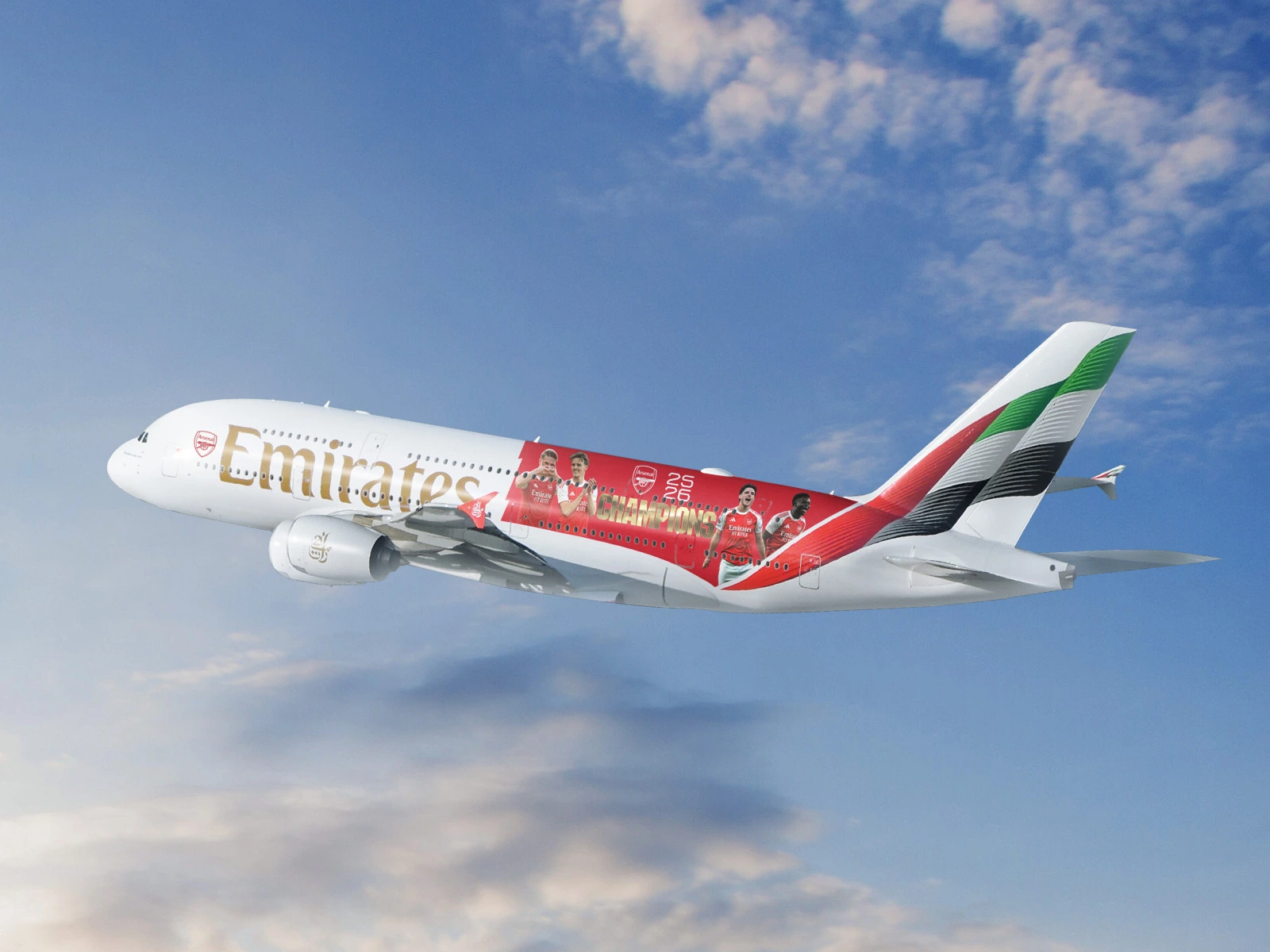
Jakarta is not actually the first Indonesian airport to welcome the superjumbo. Bali’s I Gusti Ngurah Rai International Airport (DPS) claimed that milestone first, when Emirates’ A380 landed there on June 1, 2023, becoming the first-ever scheduled A380 service to Indonesia. Unlike the Jakarta charter, Bali’s route ran daily for years, connecting Dubai and Denpasar and carrying more than 380,000 passengers in its first twelve months alone.
That contrast makes Soekarno-Hatta’s situation unusual. Indonesia’s largest hub by passenger volume is only now receiving its first A380, years after a smaller resort airport hosted the aircraft on a scheduled daily basis. Bali’s run also ended: Emirates swapped the A380 for a Boeing 777 on the Dubai-Denpasar route from January 17, 2026, closing out the superjumbo’s only regular presence in Indonesian skies. Bali airport officials said at the time that the switch would not affect the airport’s broader operations or facilities.
Emirates’ Superjumbo Fleet And Why Airlines Still Fly It
Emirates remains the world’s largest A380 operator by a significant margin, running 116 of the aircraft as of early 2026. That scale lets the airline deploy the jet selectively on charter and peak-demand flights even after retiring it from routes like Bali, since it can absorb one-off deployments without disrupting its wider network. Few other carriers have that flexibility, which is part of why superjumbo sightings remain rare outside a handful of concentrated hubs such as Dubai, London Heathrow, and Singapore.
The aircraft’s operating history in Indonesia now includes two separate chapters: a sustained scheduled run into Bali that has since ended, and an isolated charter into Jakarta built around a single sporting event. Both cases underline the same point raised in Avio Space’s aircraft rankings: the A380 works best when demand is either constant and concentrated, as it was on the Bali-Dubai route, or exceptional enough to justify a single flight, as with the Jakarta charter.

_(3100408933).jpg)
The Football Match Driving The One-Off Flight
The charter exists because of the Indonesia Super Cup 2026, a pre-season exhibition pairing Premier League club Chelsea against Serie A side AC Milan at Gelora Bung Karno Stadium on August 8. Nine Sport Inc. founder and promoter Arif Putra Wicaksono confirmed during a July 28 press conference that both clubs will field star-studded squads, with Cole Palmer, João Félix, and Luka Modrić among the players expected to feature. Wicaksono added that Chelsea midfielder Enzo Fernández remains on extended rest following the 2026 World Cup, though a late appearance in Jakarta has not been ruled out.
The match will be broadcast live across 70 countries, and organisers reported that more than half of available tickets had already sold as of late July. That demand explains why Emirates chose its largest aircraft for the charter rather than a standard wide-body, giving both travelling fans and Jakarta-based supporters a single, high-capacity flight rather than splitting the movement across multiple smaller aircraft.