A group of aviation technology companies has sued Emirates, alleging the airline stole trade secrets behind a passenger meal preordering platform. The lawsuit was filed on July 17, 2026, in the U.S. District Court for the District of Colorado, naming The Emirates Group, Emirates Airlines, and Dubai National Air Travel Agency as defendants.
The plaintiffs, Nourish Aviation Holdings LLC and Aviation Nutrition Network Investment Holdings Ltd., say they pitched Emirates on a joint venture in 2020 and shared confidential technical details over months of subsequent talks. Emirates launched its own business class meal preorder feature in 2023, and the plaintiffs argue the airline could not have done so without the information they disclosed.

What The Lawsuit Claims About the Meal Preorder Platform
Nourish says its platform goes well beyond letting passengers pick from a fixed set of onboard meal choices, something airlines have offered for decades. The company claims its real innovation lies in the operational plumbing behind the scenes, Law360 reported.
According to the complaint, the platform links a passenger’s reservation data to a dynamic ordering system, then routes each order through catering, airport, and cabin-service workflows so crews know exactly what to prepare, load, and deliver. The company also says its system uses advance demand data to cut food waste and improve product availability across flights.
Nourish alleges it sent Emirates (EK) a “Joint Venture Proposal” in 2020, describing how the platform could work with Emirates-owned dnata’s catering operation. Months of discussions followed, during which the plaintiffs say they disclosed confidential implementation details.
Emirates Launched Its Own Preorder Feature In 2023
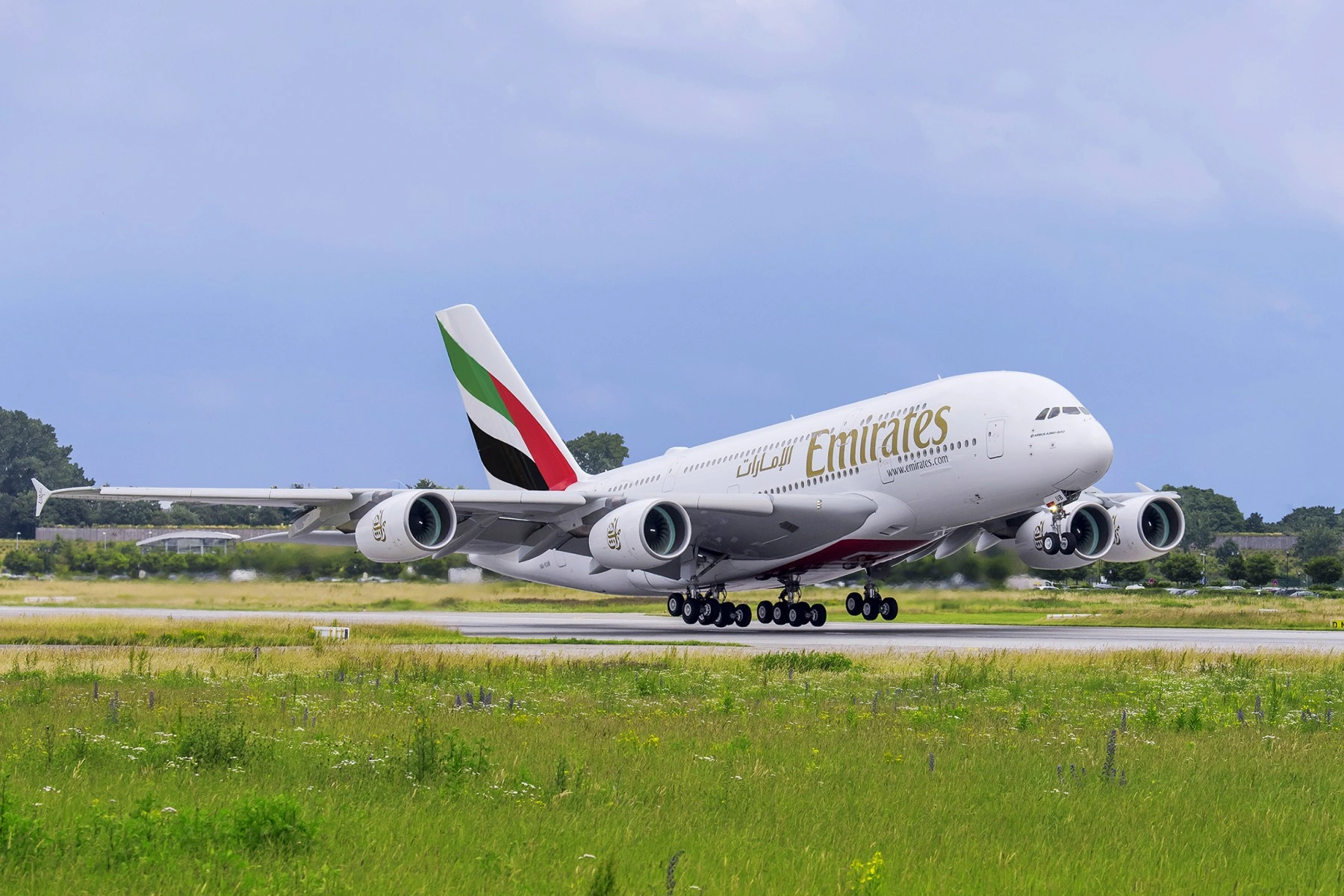
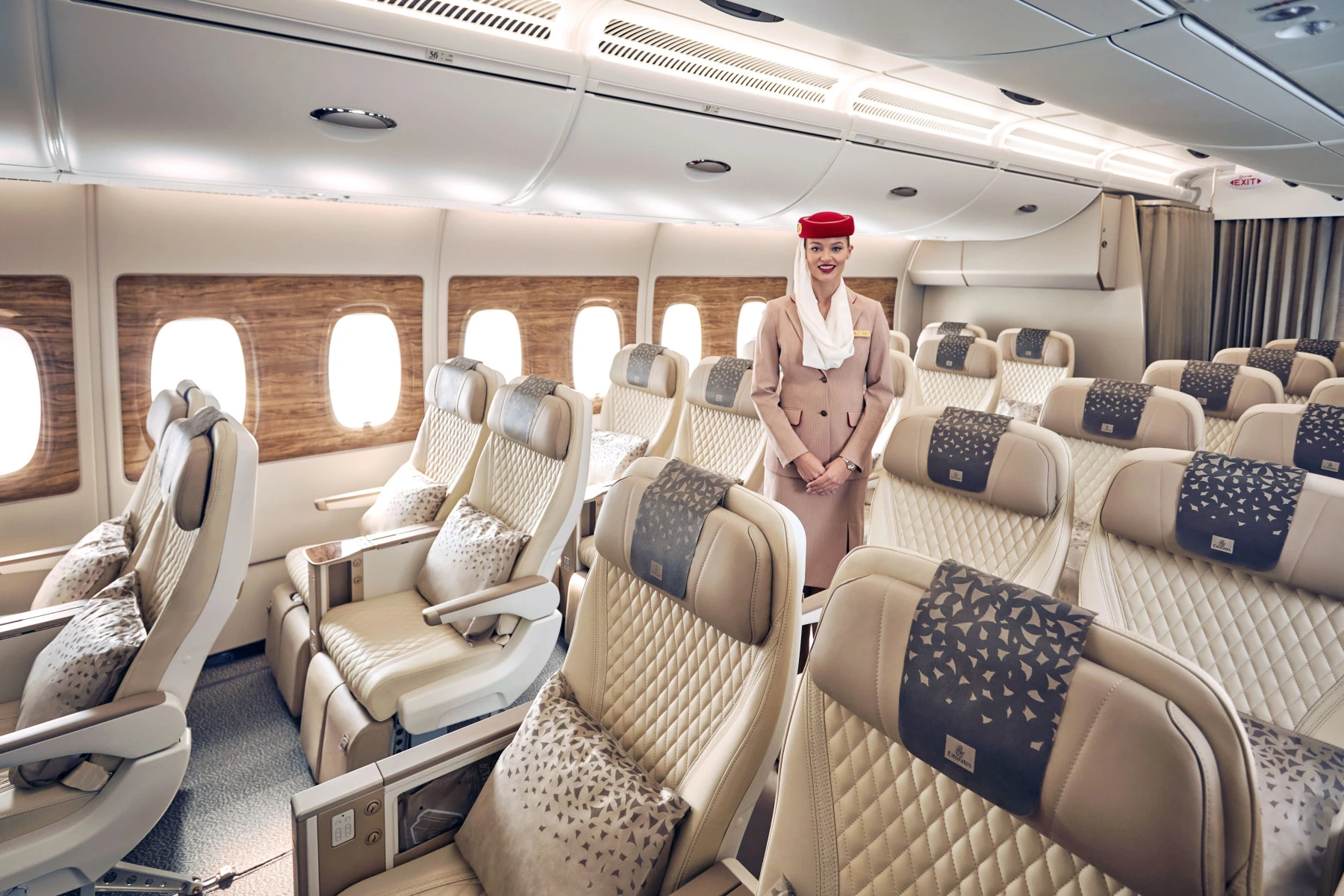
Emirates rolled out its business class meal preorder service in July 2023, initially on flights between Dubai and London. The airline let business class passengers select main courses up to 14 days before departure, on routes to Heathrow Airport (LHR), Gatwick Airport (LGW), and Stansted Airport (STN).
The lawsuit alleges Emirates had already tried to build a similar system on its own before meeting Nourish, but struggled with the technology. It claims the airline then used what it learned from the joint venture discussions to succeed where its own earlier effort had failed, without ever signing a partnership deal.
The complaint was filed on July 17, 2026, one day before the third anniversary of Emirates’ July 18, 2023 announcement, a timing analysts say was likely chosen to meet the statute of limitations for trade secret claims.
The Legal Bar the Startup Must Clear
To win, Nourish must prove two things: that its platform contained an actual trade secret not generally known in the industry, and that Emirates acquired or used that information in breach of a confidentiality obligation.
The fact that Emirates had reportedly struggled with its own version before the talks with Nourish could support the plaintiffs’ case. Meal preordering, however, is not a new concept in commercial aviation, which could weaken the claim that the underlying idea was a protectable secret.
How Emirates’ Feature Compares to the Rest of the Industry
Meal preordering has circulated among full-service carriers for decades. According to Simple Flying, Singapore Airlines introduced pre-order meals in 1998, long before Emirates entered the space, and other carriers including ANA, Virgin Atlantic, and Lufthansa have since rolled out similar pre-order menus.
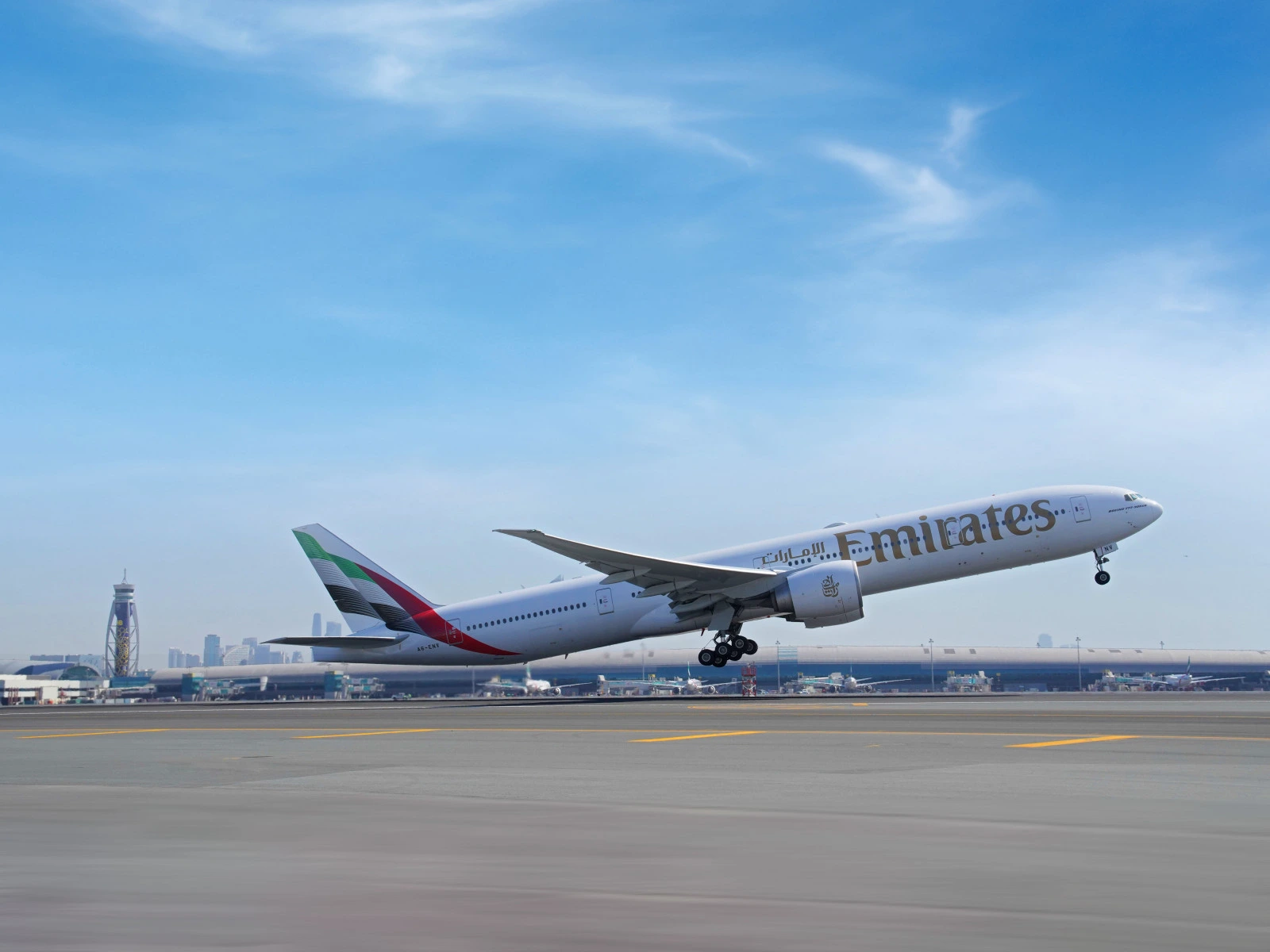
Emirates’ own feature remains narrower than what Nourish says it pitched. The airline’s tool is a limited business class meal selection function, not the broader paid marketplace or gate-delivery system the startup claims to have proposed. That gap between what was pitched and what Emirates built could become a central point of dispute as the case proceeds.
Why The Case Was Filed in Colorado
The choice of venue has drawn scrutiny. Nourish has an LLC registered in Colorado, but Emirates is headquartered in Dubai, the parties’ meetings did not take place in Colorado, and Emirates does not currently operate flights to Denver.
Denver International Airport (DEN) has said it expects Emirates service to Dubai to launch at some point, which could eventually give the airline a more direct connection to the state. For now, the jurisdictional link rests on the plaintiff’s corporate registration rather than any Emirates presence in Colorado.
What Happens Next
The case is in its early stages, and Emirates has not yet filed a public response. Trade secret misappropriation claims typically hinge on detailed factual findings about what was disclosed, when, and under what confidentiality terms, meaning the dispute could take months or years to resolve.
Docket records show the case, filed under the Defend Trade Secrets Act of 2016, was registered with the Colorado District Court on July 17, 2026. Both sides are likely to focus early arguments on jurisdiction and on whether Nourish’s platform meets the legal definition of a trade secret.