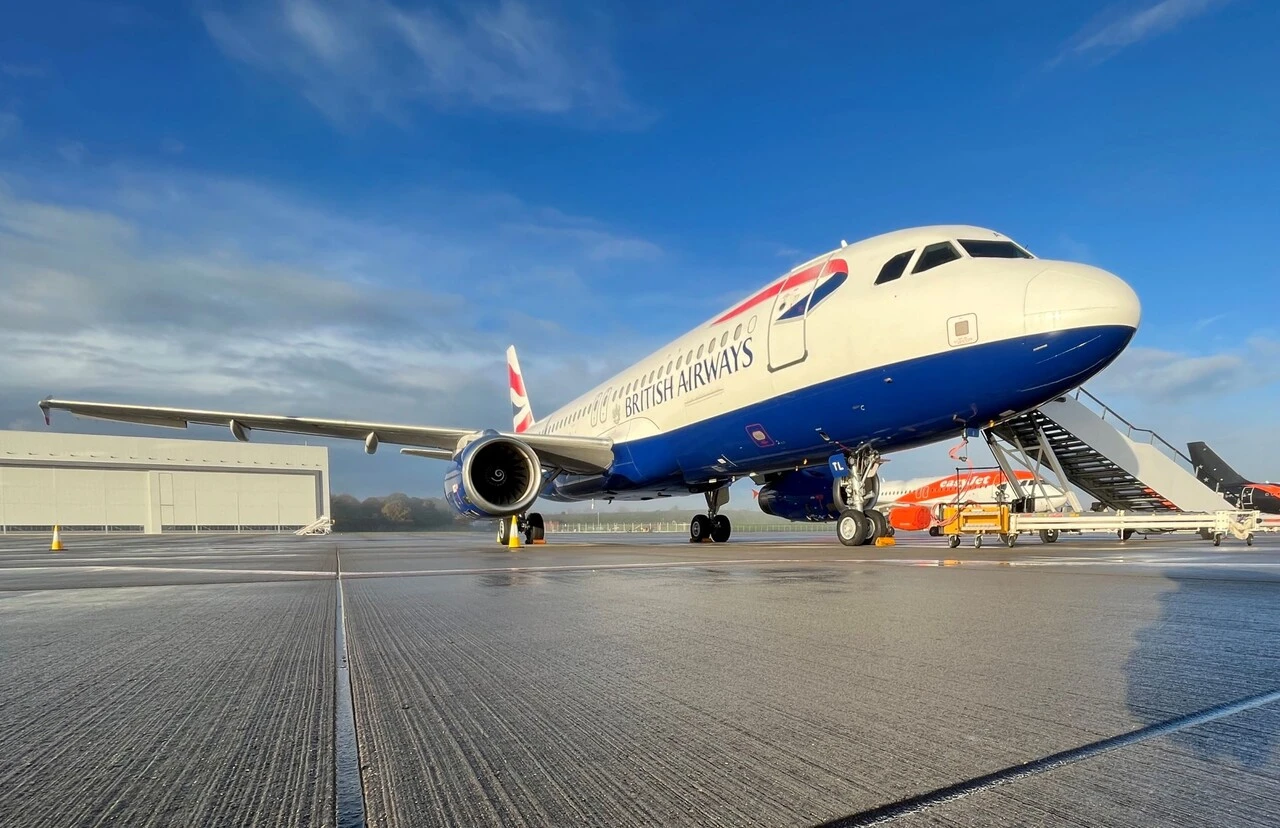
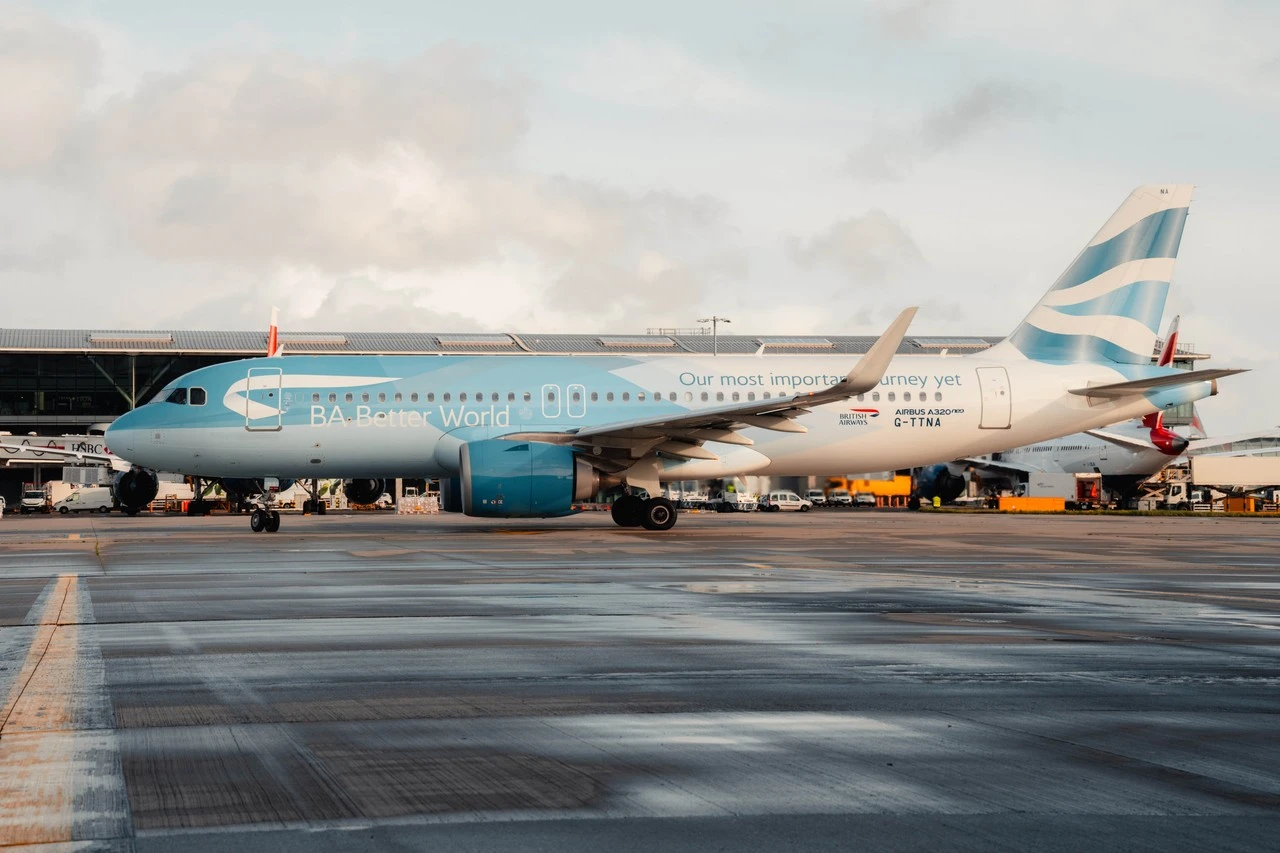
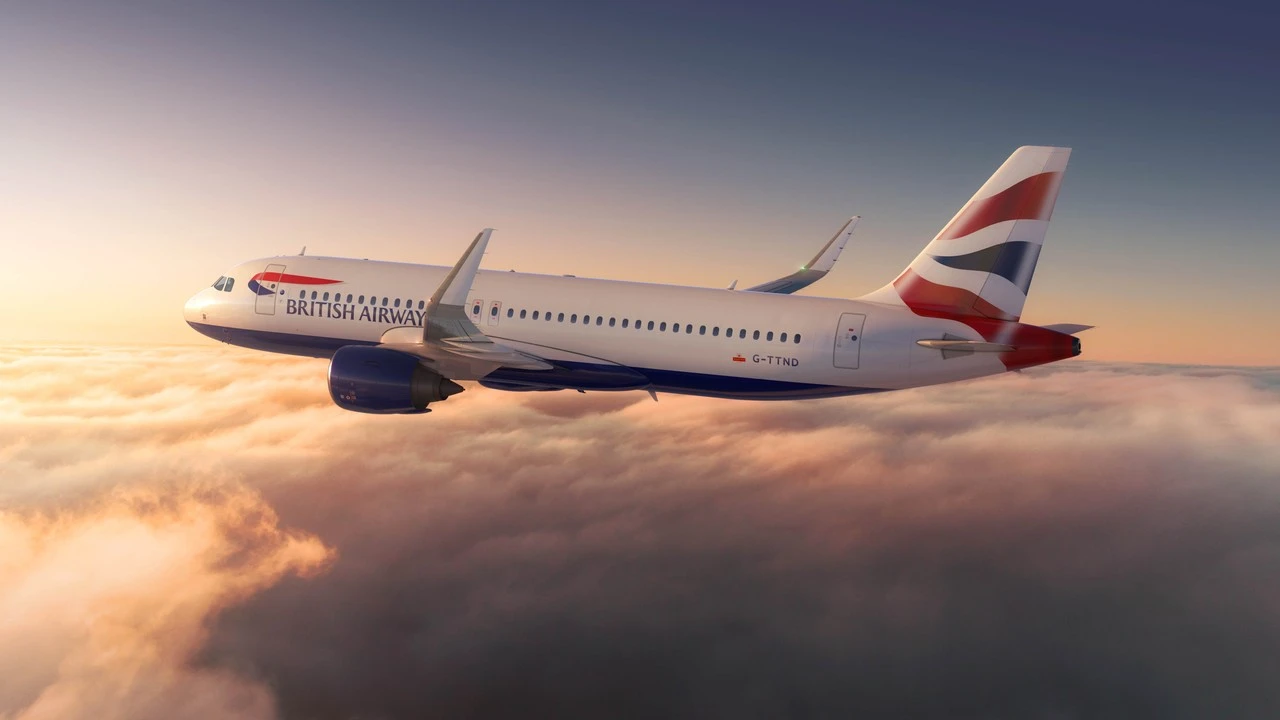
British Airways (BA) flight BA547 was forced to abort its landing at London Heathrow Airport (LHR) on 22 July 2026 after the crew discovered a hydraulic fault affecting the landing gear. The Airbus A320neo, registered G-TTNR, was just 450 feet above the ground when the pilots performed a go-around, according to the Mirror.
The aircraft had departed Rome Fiumicino Airport (FCO) at 11:40 local time and flew normally until its final approach into Heathrow shortly after 1pm. The crew climbed back to altitude, worked through emergency checklists, and landed safely on a second attempt around 35 minutes later, with no injuries reported among passengers or crew.
What Went Wrong on Final Approach
Flight BA547 operates daily between Rome Fiumicino Airport and London Heathrow, a route of roughly 1,445 kilometres. The Airbus A320neo left Rome on schedule and cruised without incident before starting its descent over the English Channel.
Trouble began only on final approach to Heathrow’s northern runway, 09L. The flight crew detected a hydraulic system fault that affected the landing gear’s ability to deploy properly, according to flight-tracking coverage from AirLive.
Pilots Abort Landing at 450 Feet and Squawk 7700
At around 450 feet, roughly 137 metres above the ground, the pilots aborted the landing and carried out a go-around rather than risk touching down with a compromised landing gear. The aircraft climbed back to approximately 3,700 feet and entered a holding pattern.
During the hold, the crew transmitted a squawk 7700 code, the international transponder signal used to declare a general emergency, to secure priority handling from air traffic control. The pilots then spent about 20 minutes working through emergency checklists to isolate the fault before lining up for a second approach.
Heathrow Shifts to Single-Runway Operations
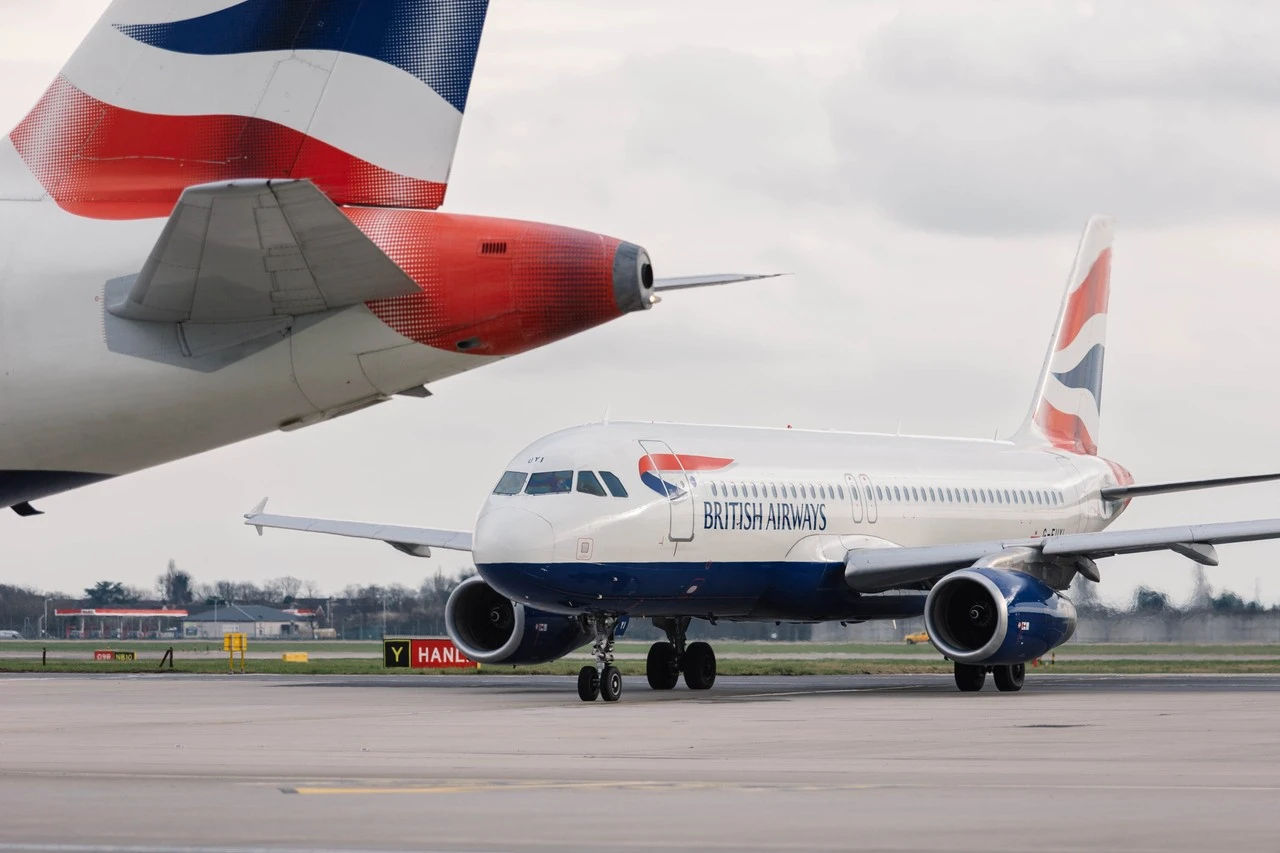
Heathrow, the world’s seventh-busiest airport, temporarily diverted inbound traffic away from runway 09L for the duration of the emergency. Air traffic controllers shifted arriving flights onto the airport’s southern runway, 09R, for around ten minutes while BA547 circled.
Airport fire and rescue crews moved into position on the runway ahead of the second landing attempt, a standard precaution whenever an aircraft reports a landing gear-related fault. The response reflects Heathrow’s routine protocol for potential gear malfunctions rather than any confirmation that a serious failure had occurred.
Key details of the incident:
- Flight: BA547, Rome Fiumicino to London Heathrow
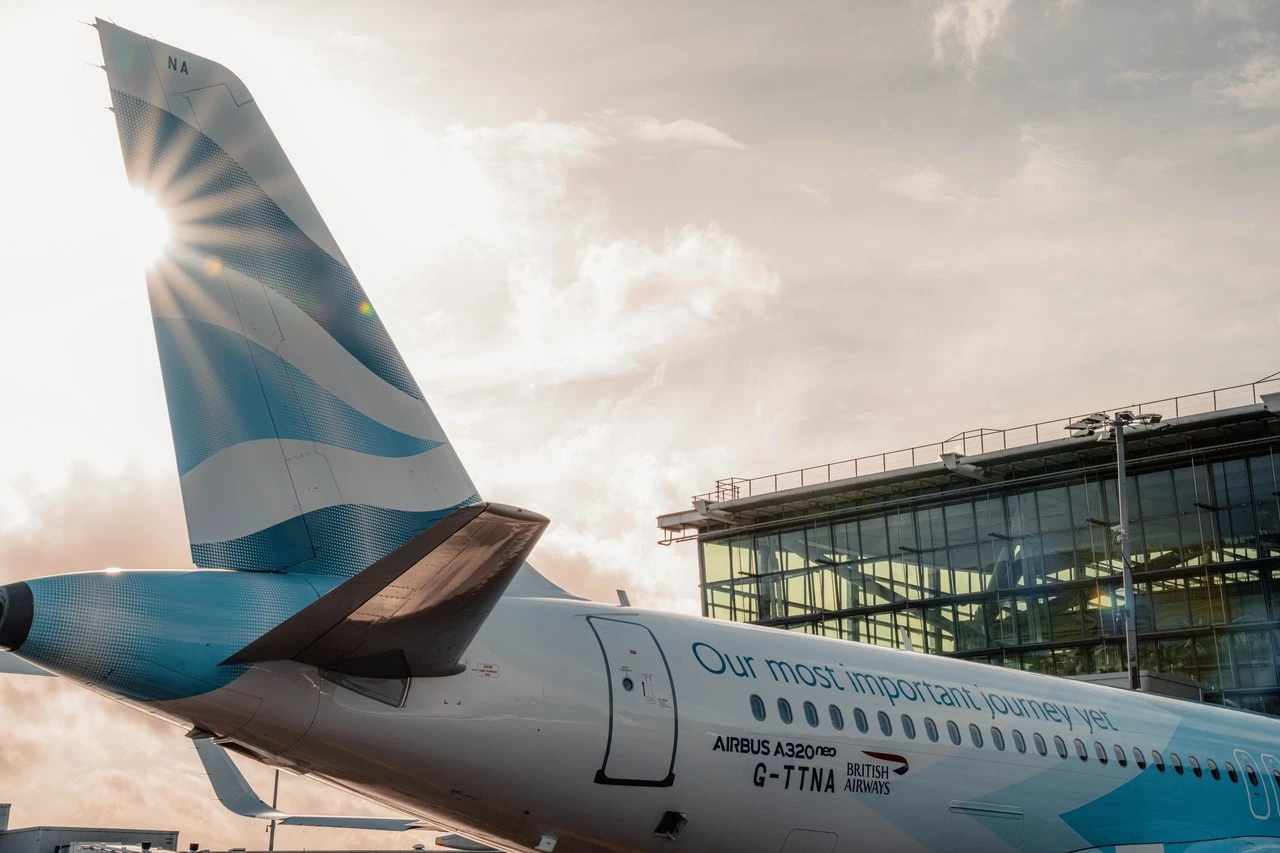
- Aircraft: Airbus A320neo, registration G-TTNR
- Fault detected: hydraulic system issue affecting landing gear deployment
- Altitude at go-around: 450 feet (137 metres)
- Holding altitude: approximately 3,700 feet
- Time in holding pattern: about 20 minutes
- Runway affected: Heathrow’s 09L, with traffic shifted to 09R
- Outcome: landed safely on second approach, no injuries reported
Details of the Aircraft Involved
Second Approach and Safe Landing
After completing its checklists, the crew lined up for a second approach and landed safely at Heathrow, roughly 40 minutes behind schedule, according to flight-tracking data cited by Aviation Today. Passengers disembarked normally once the aircraft was inspected and cleared from the runway.
Heathrow operations returned to normal shortly afterward, with minimal lingering delays for other flights. British Airways had not issued an official statement on the cause of the hydraulic fault at the time of writing, and neither the UK Civil Aviation Authority nor the Air Accidents Investigation Branch had commented publicly.
The BA547 go-around adds to a run of operational scares for British Airways this year. Just a day earlier, all three pilots operating flight BA276 from Hyderabad to Heathrow fell ill with suspected food poisoning, with one pilot needing supplemental oxygen mid-flight after a shared breakfast at their crew hotel, as previously reported.
British Airways also diverted a Washington-to-London flight to Boston in 2025 after a suspected bird strike filled the cabin with smoke, and a separate BA jet made an emergency landing in Manchester after smoke was spotted in the cockpit. Taken together, the incidents point to a pattern of high-profile technical and operational scares rather than a single isolated event, even though each case was resolved without injury.
What Happens Next
British Airways will likely conduct a technical inspection of G-TTNR before returning it to service, following standard procedure after any landing gear-related fault. Airlines typically ground an affected aircraft until engineers confirm the hydraulic system is fully functional.
Passengers on BA547 experienced a delay of roughly 40 minutes rather than a cancellation, since the aircraft landed safely on its second attempt. British Airways has not announced any wider changes to its Rome-Heathrow schedule as a result of the incident.