Search for an official “Qatar Airways engineer salary” figure and you won’t find one. Unlike its widely publicized cabin crew and pilot compensation, Qatar Airways has never released a public pay scale for the licensed engineers and technicians who keep its fleet airworthy. Every number in circulation — including the ones below — is a third-party estimate, built from crowd-sourced pay platforms rather than a confirmed company table. Here’s what the actual data shows, and how it stacks up against the rest of the industry.
Two Roles, One Hangar, Very Different Authority
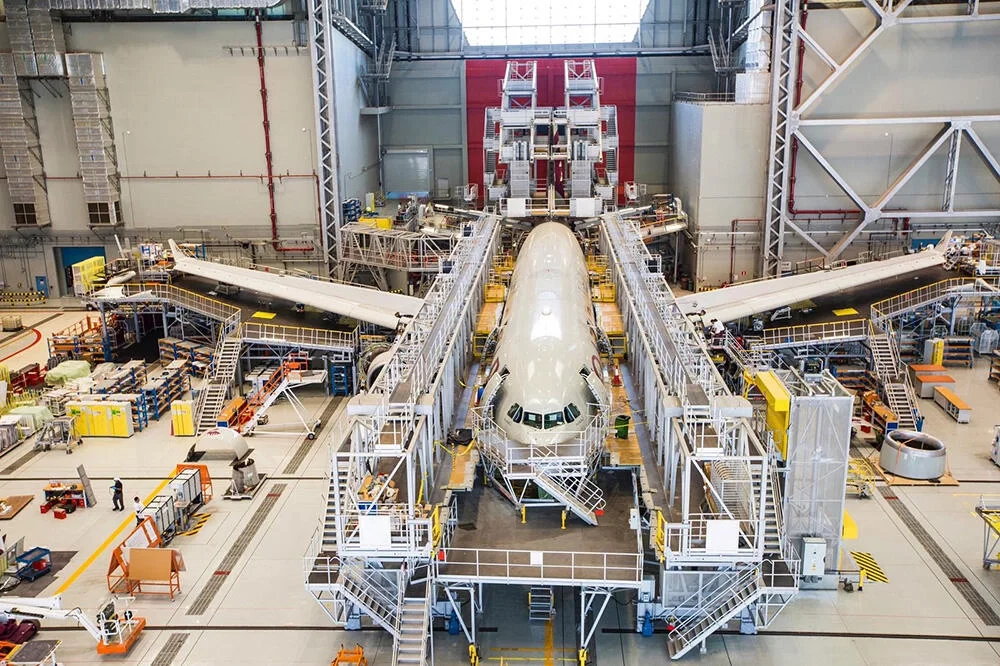
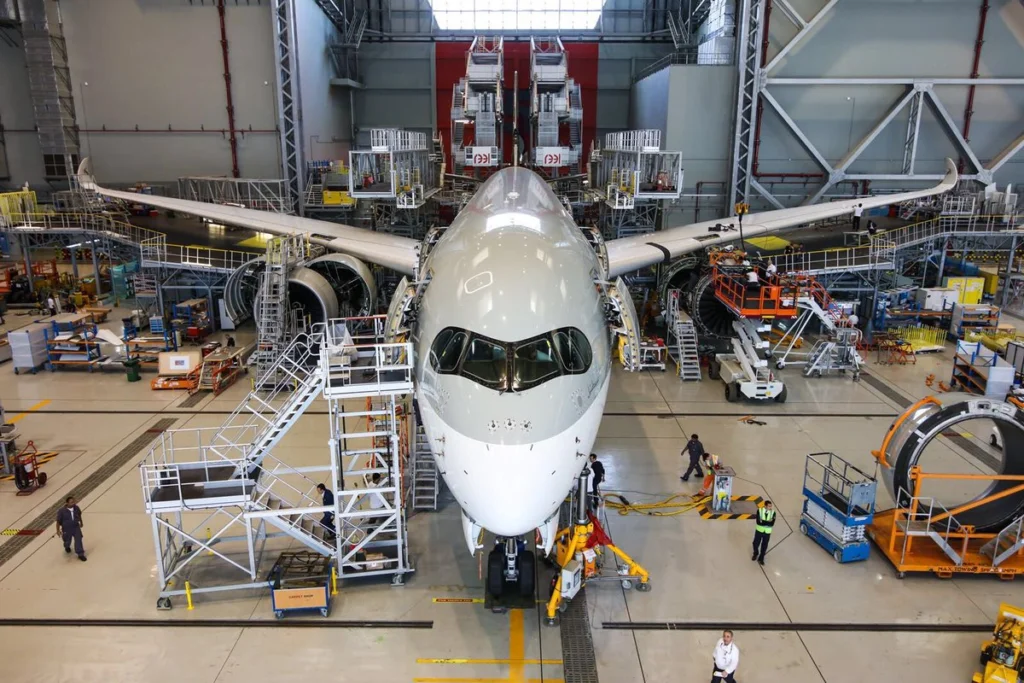
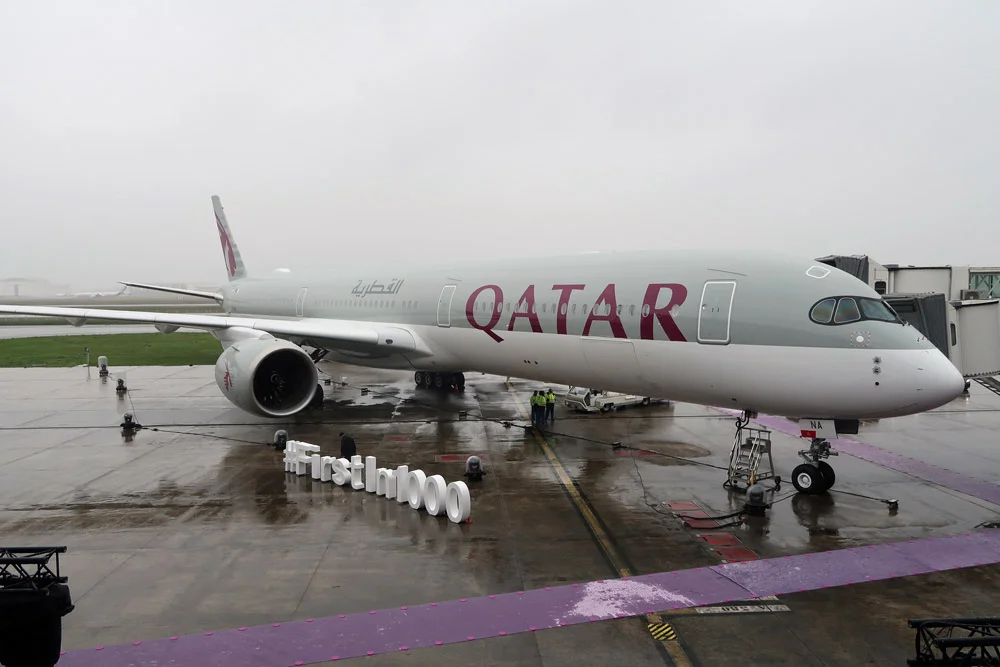
Qatar Airways (QR) runs a fleet spanning the Airbus A320 family, A350, and A380 alongside the Boeing 777 and 787 Dreamliner, out of its Hamad International Airport hub in Doha. Keeping that fleet flying involves two distinct job families that are often lumped together but carry very different levels of legal responsibility.
Aircraft Maintenance Engineers (AMEs) hold a recognized licence — typically EASA Part-66 or an equivalent accepted by the Qatar Civil Aviation Authority — and the legal authority to certify that an aircraft is fit to re-enter service. Day to day, that means diagnosing mechanical and avionics faults, reviewing completed maintenance documentation, supervising technicians during repairs, and signing the paperwork that clears a jet to fly. It’s that certifying signature, not seniority alone, that separates engineer pay from technician pay at nearly every airline in the world, and Qatar Airways is no exception.
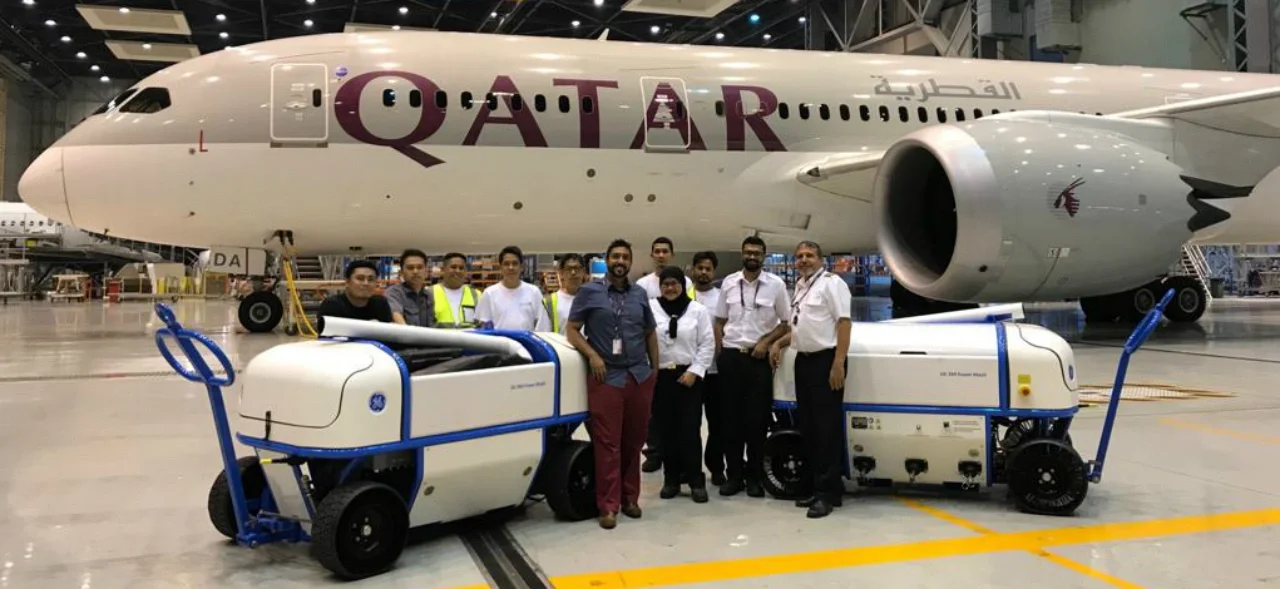
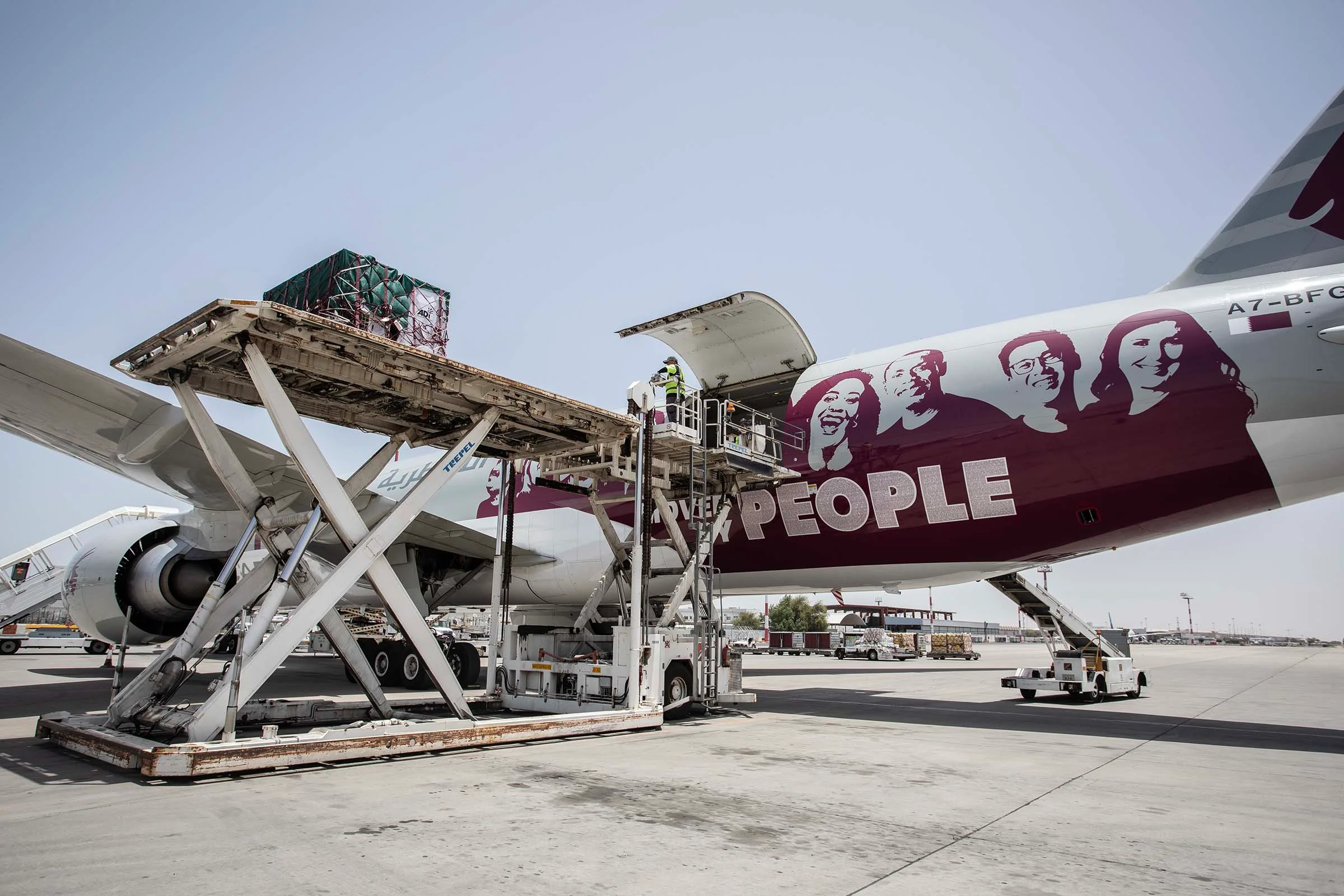
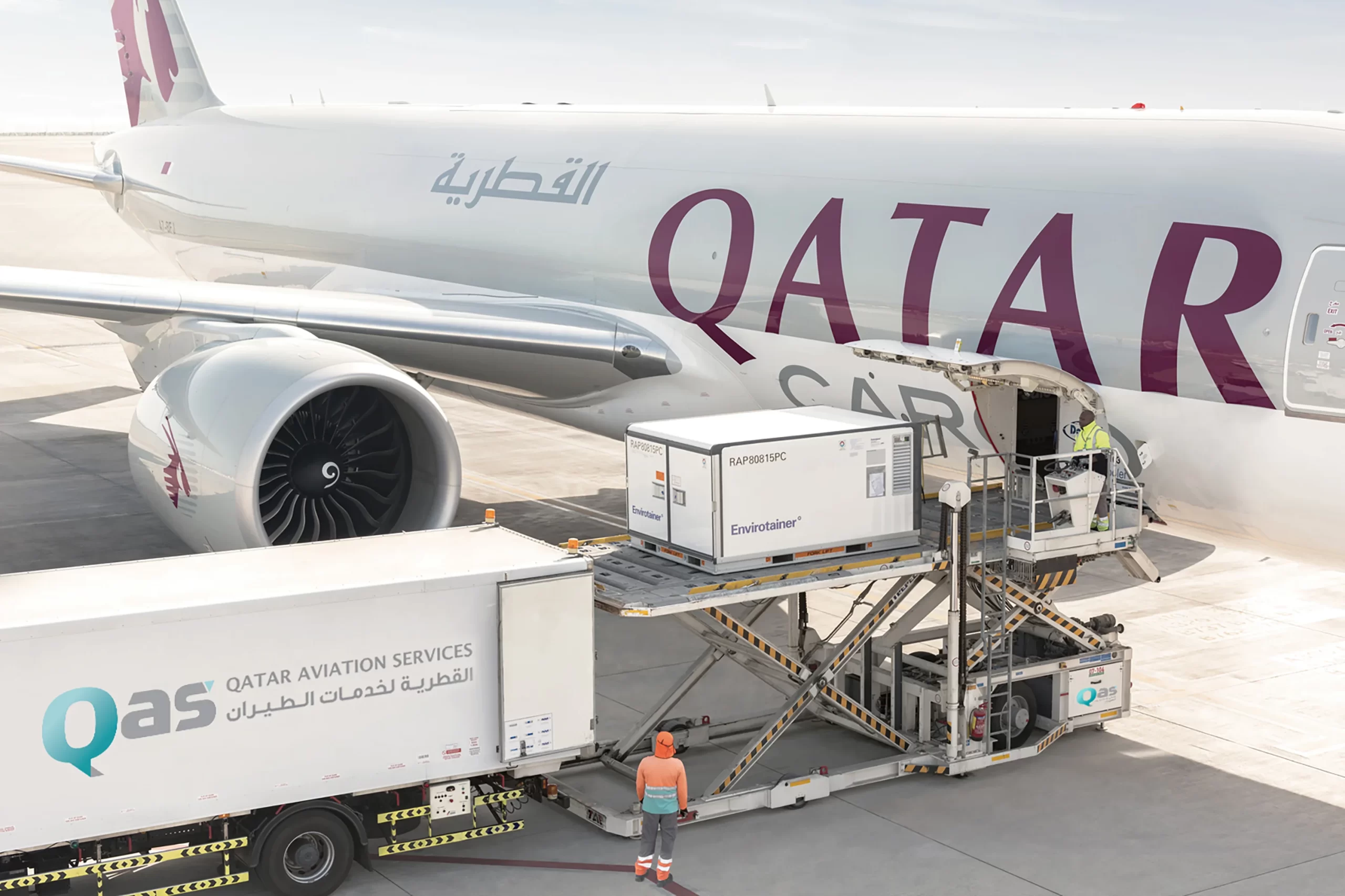
Aircraft Maintenance Technicians carry out the bulk of the physical work: component replacement, routine servicing, hydraulic and electrical troubleshooting, and assisting engineers with fault diagnosis. Technicians form the backbone of day-to-day maintenance operations, and many spend their early careers building toward a maintenance licence so they can eventually move into a certifying role themselves.
Why Qatar Airways Doesn’t Publish a Pay Scale
Qatar Airways’ careers materials describe entry requirements, shift expectations, and the scale of its engineering operation in detail, but — like almost every major carrier outside a small handful of operators that disclose pilot and cabin crew pay bands — it stops short of stating a basic salary or total package figure for AME or Aircraft Technician roles. That leaves third-party crowd-sourced platforms as the only real window into what these jobs actually pay, and even those sources don’t fully agree with each other.
Qatar Airways AME and Technician Salary in 2026
The most useful data comes from Glassdoor’s Doha-specific salary listings, which pull directly from employees who’ve submitted their own pay rather than a national average that blends in unrelated industries.
Aircraft Maintenance Engineers: Glassdoor’s Doha-specific listing for the general “Aircraft Maintenance Engineer” title at Qatar Airways shows a total pay range of roughly QAR 7,000 to QAR 19,000 a month, with a reported median around QAR 17,000. Once an engineer holds a full licence, pay moves up noticeably: Glassdoor’s separate “Licensed Aircraft Engineer” listing for Doha shows a range of QAR 16,000 to QAR 27,000 a month (median ~QAR 23,000), and engineers specifically holding a B1 licence — the category covering mechanical and structural certification on large commercial jets — report a tighter, higher band of QAR 29,000 to QAR 31,000 a month (median ~QAR 30,000).
Zooming out to Qatar Airways’ global, company-wide Glassdoor data (which folds in engineers based outside Doha as well), the picture skews considerably higher: an average total pay of roughly $129,000 a year, a typical 25th–75th percentile range of $99,000 to $170,000 a year, and top earners reporting as much as $216,000 a year at the 90th percentile. That gap between the Doha-specific and global-aggregate figures is a reminder that self-reported data blends different seniority levels, licence categories, and even currencies — so it’s best read as a directional range rather than a precise number.
Aircraft Maintenance Technicians: Glassdoor’s Doha-specific listing for the “Aircraft Maintenance Technician” title at Qatar Airways shows a total pay range of roughly QAR 8,000 to QAR 13,000 a month (median ~QAR 12,000). Technicians who’ve obtained a formal licence report meaningfully more: the “Licensed Aircraft Technician” listing for Doha shows a range of QAR 15,000 to QAR 17,000 a month (median ~QAR 16,000) — evidence that, just as with engineers, certification is what actually moves the needle on technician pay, not tenure by itself.
Working estimate for 2026:
| Role | Monthly range (QAR) | Approx. annual (USD) |
|---|---|---|
| Aircraft Maintenance Engineer (unlicensed/general) | QAR 7,000–19,000 | ~$23,000–$62,000 |
| Licensed Aircraft Engineer | QAR 16,000–27,000 | ~$52,000–$89,000 |
| B1 Licensed Aircraft Engineer | QAR 29,000–31,000 | ~$95,000–$102,000 |
| Aircraft Maintenance Technician (unlicensed/general) | QAR 8,000–13,000 | ~$26,000–$43,000 |
| Licensed Aircraft Technician | QAR 15,000–17,000 | ~$49,000–$56,000 |
USD conversions use an approximate rate of 1 USD ≈ 3.64 QAR. As with every airline in this comparison, the honest takeaway is that a single confirmed number doesn’t exist — what does exist is a consistent pattern: licence category, not years of service alone, is the single biggest lever on pay.
How Qatar Airways Compares to Other Carriers in 2026
None of the airlines below publish an official AME or technician pay scale either — this data gap runs across almost the entire industry outside a handful of operators that disclose pilot and cabin crew pay. The figures here are pulled from each carrier’s dedicated 2026 salary analysis, using the same approach throughout: company-specific crowd-sourced data where it exists, alongside national market benchmarks where it doesn’t.
| Airline | AME / Certifying Engineer (annual) | Technician (annual) |
|---|---|---|
| Qatar Airways | QAR 192K–372K (~$52,000–$102,000), Doha-specific licensed engineer range | QAR 96K–204K (~$26,000–$56,000), Doha-specific licensed technician range |
| Emirates | AED 124K–192K (~$34,000–$52,000) market-wide; AED 365K–625K (~$99,000–$170,000) company-specific | Not separately quantified in available data |
| Turkish Airlines | TRY 420,000–900,000 (~$8,900–$19,100) | TRY 204,000–240,000 (~$4,300–$5,100), mechanic-level |
| All Nippon Airways | ¥6.5M–¥14M (~$43,000–$93,000) | ¥4M–¥8.5M (~$27,000–$57,000) |
| Lufthansa Technik | €42,000–€57,000+ (~$48,000–$65,000) | €28,000–€67,000 (~$32,000–$76,000) |
| Air France | €38,000–€62,000+ (~$43,000–$71,000) | €24,000–€45,000 (~$27,000–$51,000) |
| Ethiopian Airlines | ETB 288K–2.6M (~$1,800–$16,250) company-specific; ETB 49K–159K (~$310–$990) market-wide | ETB 336K–1.1M (~$2,100–$6,900) company-specific; ETB 23K–79K (~$145–$495) market-wide |
Read purely in dollar terms, Qatar Airways’ licensed engineer pay lands in a similar bracket to All Nippon Airways and modestly below the top end of Emirates’ company-specific range — while sitting comfortably above Turkish Airlines and the Ethiopian Airlines national-market figures. That positioning tracks with Qatar Airways’ position as one of the Gulf’s two dominant wide-body carriers, competing for the same pool of licensed engineering talent as Emirates and Etihad. It’s also worth flagging that the UAE and Qatar both offer tax-free income, which meaningfully changes the real value of a given AED or QAR figure compared to a taxed European salary of similar nominal size.
What It Takes to Get Hired
Qatar Airways Engineering is competitive, and the entry bar reflects that.
Across both roles, applicants are generally expected to bring:
- A diploma or degree in aircraft maintenance or a related engineering discipline
- Solid working knowledge of aircraft systems and maintenance practices
- Strong English communication skills
- Willingness to work rotating shifts and irregular hours
- A demonstrated commitment to safety and regulatory compliance
Licensed Aircraft Engineer roles typically also require:
- A recognized maintenance licence — EASA Part-66 or an equivalent accepted by the Qatar Civil Aviation Authority
- Several years of hands-on commercial aircraft maintenance experience
- Type ratings on aircraft such as the A350, 777, or 787 — a strong advantage given Qatar Airways’ fleet mix
- Prior certifying experience within an airline or MRO environment
Aircraft Technician roles typically require:
- A technical diploma or vocational qualification in aircraft maintenance
- Practical, hands-on maintenance experience
- Familiarity with airline or MRO procedures
- Strong troubleshooting instincts and the ability to work well in a team
The well-worn path here, as at every carrier in this comparison, is technician first, licence second — with the licence being the single highest-leverage move for anyone chasing engineer-level pay.
Beyond the Paycheck
Base salary is only part of what factors into total compensation at Qatar Airways Engineering. Commonly reported extras include:
- Housing or accommodation support for eligible roles
- Medical insurance coverage
- Annual leave entitlements
- Staff travel concessions across the Qatar Airways network
- Structured training and professional development
- Hands-on exposure to one of the youngest wide-body fleets in the industry
- Internal progression pathways from technician through to certifying engineer
Combined with Qatar’s tax-free personal income, these benefits materially affect the real value of whichever base figure ends up closest to accurate for a given role.
Bottom Line
There’s no official “Qatar Airways AME salary” or “technician salary” for 2026 to point to — the airline hasn’t published one, and the figures above are the best available estimate built from crowd-sourced, Doha-specific data rather than a confirmed company table. What is defensible is the shape of the picture: licensed engineers, and B1-licensed engineers in particular, earn substantially more than unlicensed staff performing similar work, and that gap tracks certification authority far more closely than years on the job. Set against Emirates, Lufthansa, Air France, ANA, Turkish Airlines, and Ethiopian Airlines, Qatar Airways’ likely engineering pay sits solidly in the upper-middle of the pack globally — competitive enough, combined with tax-free income and a modern wide-body fleet, to remain one of the more attractive maintenance employers in the region.
FAQs
What is the main difference between an Aircraft Engineer and an Aircraft Technician at Qatar Airways? Aircraft Engineers hold a recognized maintenance licence and the legal authority to certify an aircraft as fit to return to service, while Technicians primarily carry out the hands-on maintenance, inspection, and repair work under that certification.
Can an Aircraft Technician progress to an Engineer role at Qatar Airways?
Yes. The standard route is for technicians to build hands-on experience and then pursue a recognized maintenance licence, which is consistently the biggest single factor separating technician pay from engineer pay across the industry.
Does Qatar Airways publish an official salary scale for engineers and technicians?
No. Unlike some of its published cabin crew and pilot pay information, Qatar Airways has not released an official salary table for AME or Aircraft Technician roles. All figures, including those in this piece, come from third-party crowd-sourced platforms like Glassdoor.

What factors influence an AME’s salary at Qatar Airways?
Based on available data, the biggest drivers are licence category (particularly a B1 licence), aircraft type ratings, years of certifying experience, and whether the role carries supervisory or leadership responsibilities.
How does Qatar Airways engineering pay compare to Emirates?
In dollar terms, Qatar Airways’ licensed engineer range sits below the top end of Emirates’ company-specific Glassdoor figures but above Emirates’ broader UAE market-wide benchmark — though both carriers’ true pay likely sits somewhere within a wide range, since neither publishes an official scale.