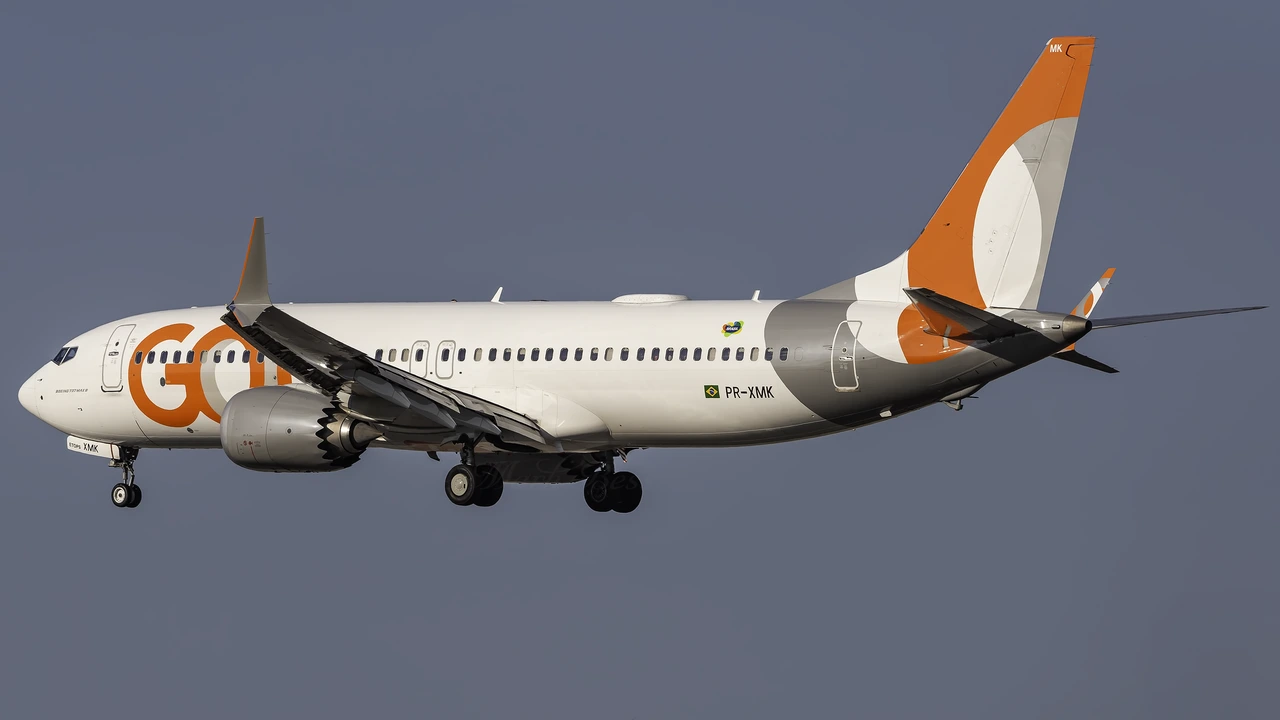
Two Boeing 737 MAX 8 aircraft operated by Brazilian carrier GOL Linhas Aéreas (G3) are being scrapped at Pinal Airpark (MZJ) in Marana, Arizona, after spending barely six months in passenger service. Both jets were pulled from GOL’s schedule in early February 2026 following chronic maintenance issues, then flown to Confins International Airport (CNF), Belo Horizonte, before being formally returned to their lessor in March.
The two aircraft, registered PS-GRM and PS-GRN, are believed to be among the first Boeing 737 MAX jets ever intentionally sent to a parts scrapper rather than repaired and returned to service. The case was first reported by Brazilian aviation outlet Brasil Aviation and detailed further by travel blog View From The Wing on July 21, 2026.
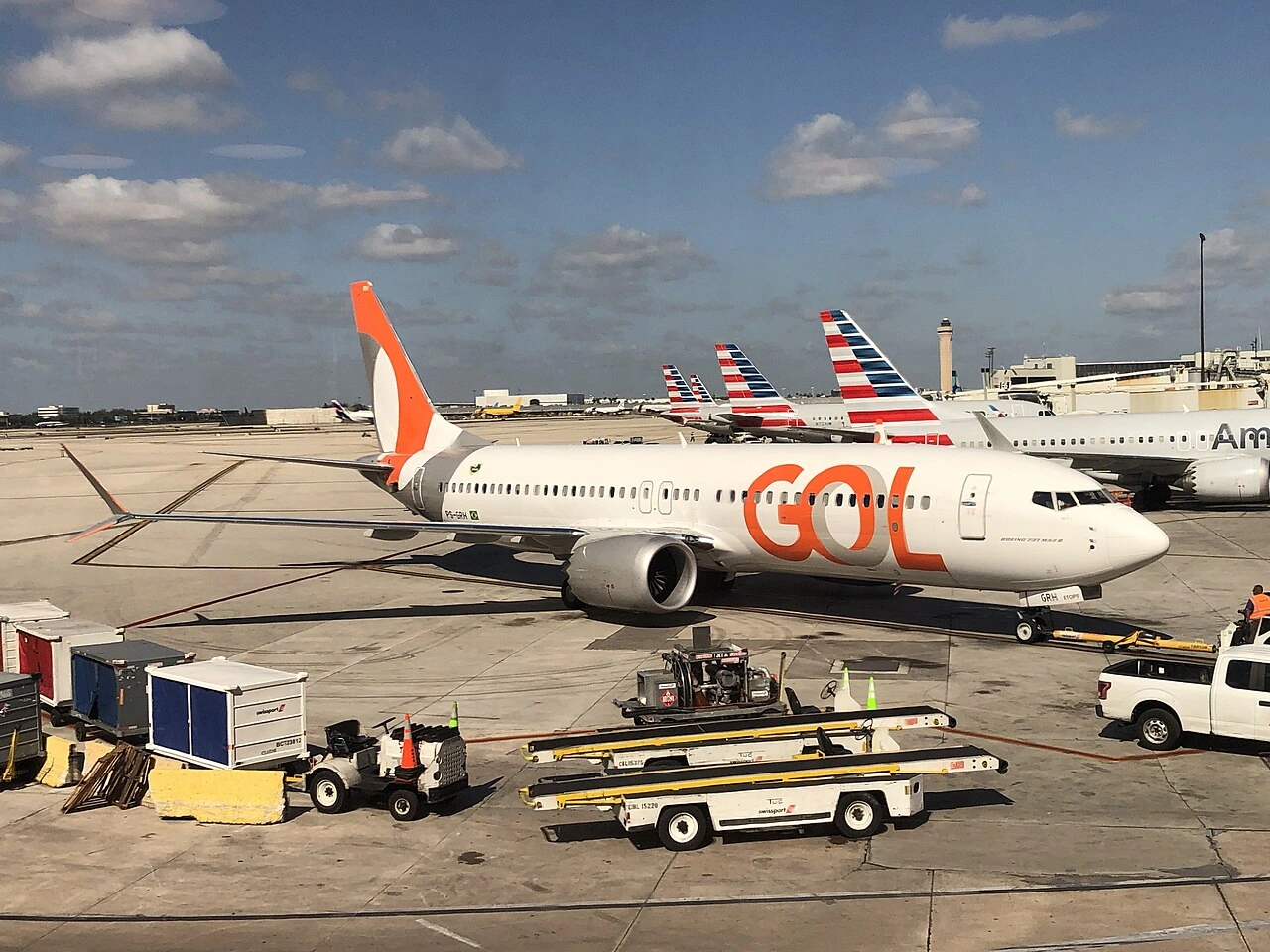
What Went Wrong with GOL’s Two Boeing 737 MAX 8 Jets
The two aircraft reportedly suffered from chronic factory-related issues tied to their CFM LEAP-1B engines, alongside separate center-of-gravity problems. Both faults combined to push maintenance time and operating costs well above normal levels for the type.
The result was a pattern of frequent, unscheduled shop visits almost immediately after entry into service. Rather than continue absorbing the added maintenance burden, GOL grounded both jets and began the process of returning them to their lessor.
Reporting from Brazilian outlet AEIN, published in February while the jets sat idle at Confins, said the aircraft were performing below expectations and spending more time in the hangar than comparable planes in GOL’s fleet. That reporting came weeks before the planes were formally handed back.
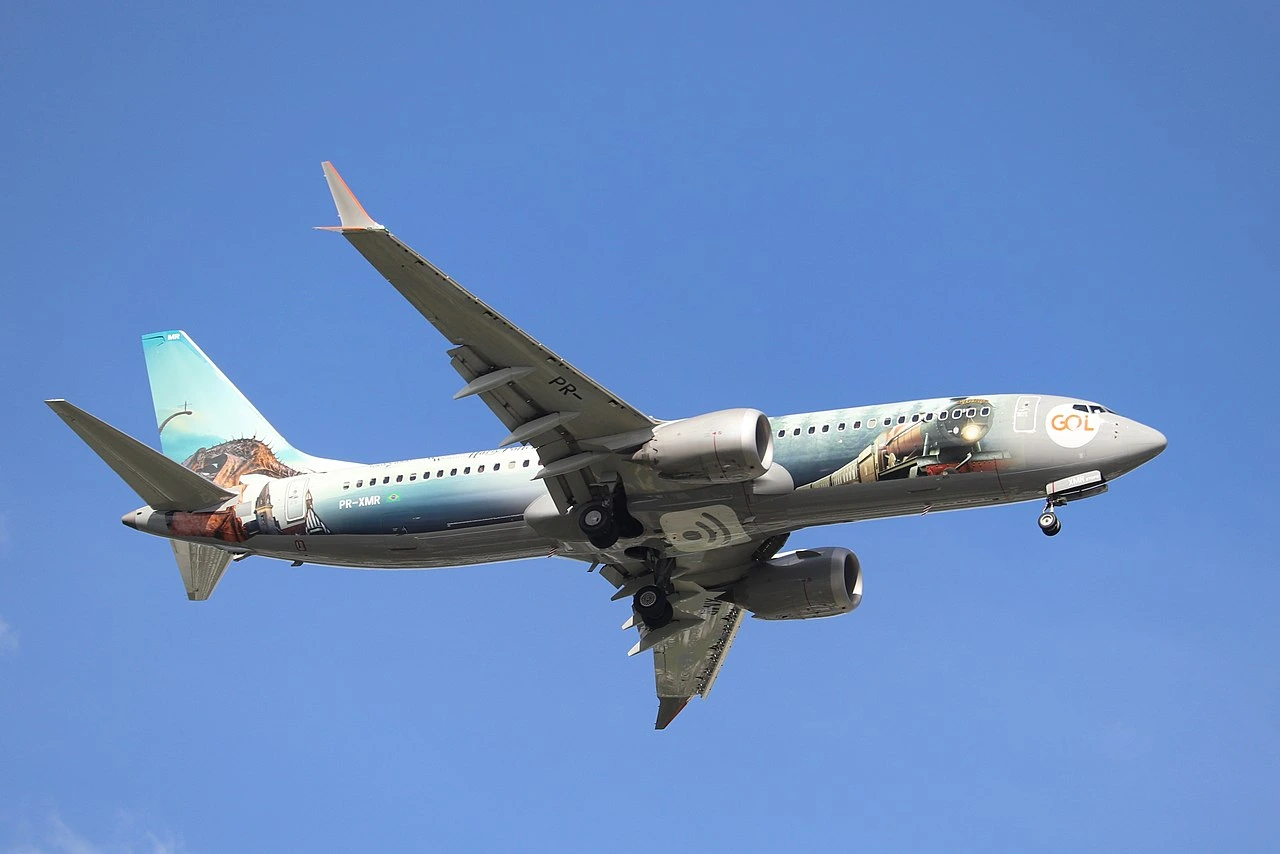
Timeline: From Delivery to the Arizona Desert
The two jets entered service only weeks apart in late 2025 but were pulled from GOL’s operation almost simultaneously in 2026. Key dates include:
- PS-GRM (line number 9264) first flew on July 25, 2025, and was delivered to GOL on September 17, 2025
- PS-GRN (line number 9370) first flew on October 9, 2025, and was delivered on November 11, 2025
- Both aircraft stopped normal passenger service at the start of February 2026
- The planes spent roughly seven weeks parked at Confins before being formally returned to the lessor in March 2026
- Both jets touched down for the last time at Pinal Airpark on March 29, 2026, for final teardown
The gap of more than 100 line numbers between the two aircraft is notable. Line number spacing this wide makes it unlikely the jets came from a single flawed production batch, despite early descriptions of the pair as a “bad batch.”
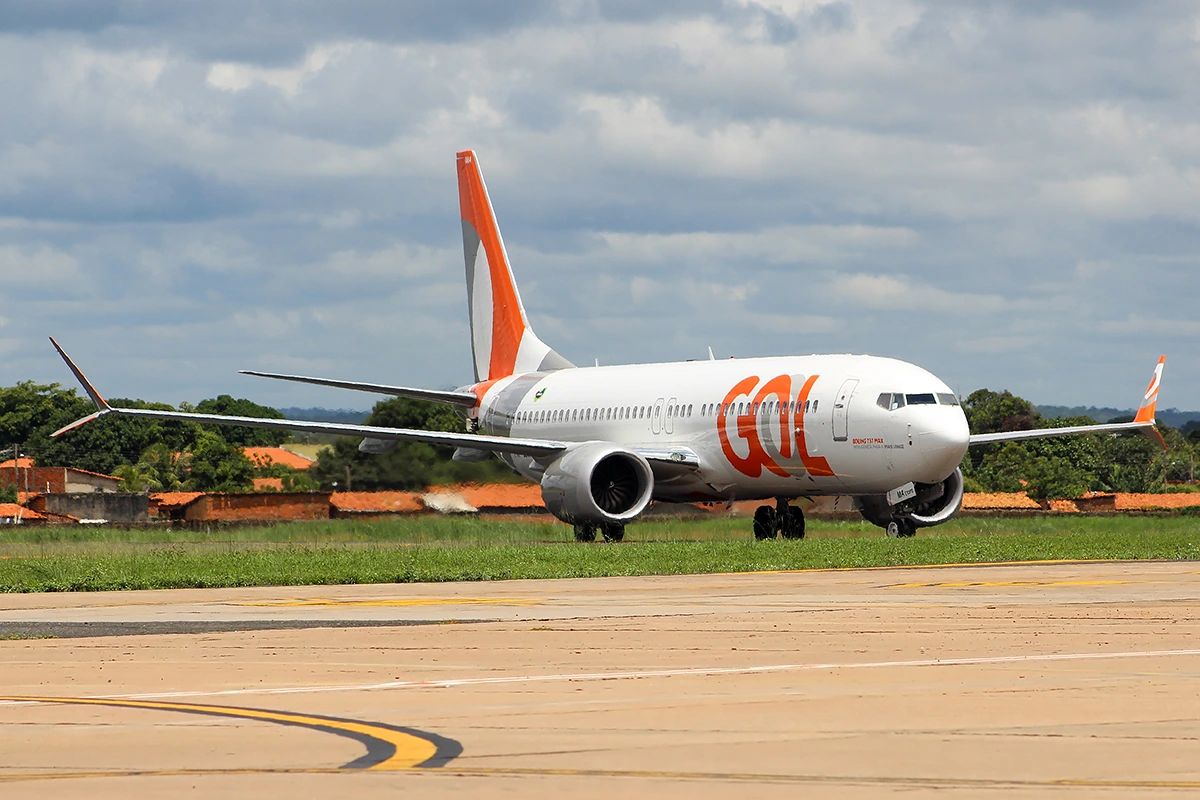
Why A Third Sister Jet Went to Air Algerie Instead
A third aircraft, registered PS-GRO with line number 9494, was built and delivered to GOL between the two troubled jets but never entered passenger service at all. GOL declined to formally accept the aircraft, and it was returned to the lessor without seeing revenue flying under the Brazilian carrier.
Unlike its two sister jets, PS-GRO shows no sign of the same technical problems. The aircraft spent about three months undergoing work with Lufthansa Technik after leaving GOL, then re-entered the market and was delivered this month to Algerian flag carrier Air Algerie as part of an ongoing fleet modernization push. Its Brazilian registration has since been replaced with the Algerian tail number 7T-VLQ.
The relatively uneventful path taken by PS-GRO undercuts the theory that all three aircraft shared a common manufacturing flaw. It also raises the question of why two jets built more than 100 positions apart, but not the one built between them, developed near-identical chronic faults.
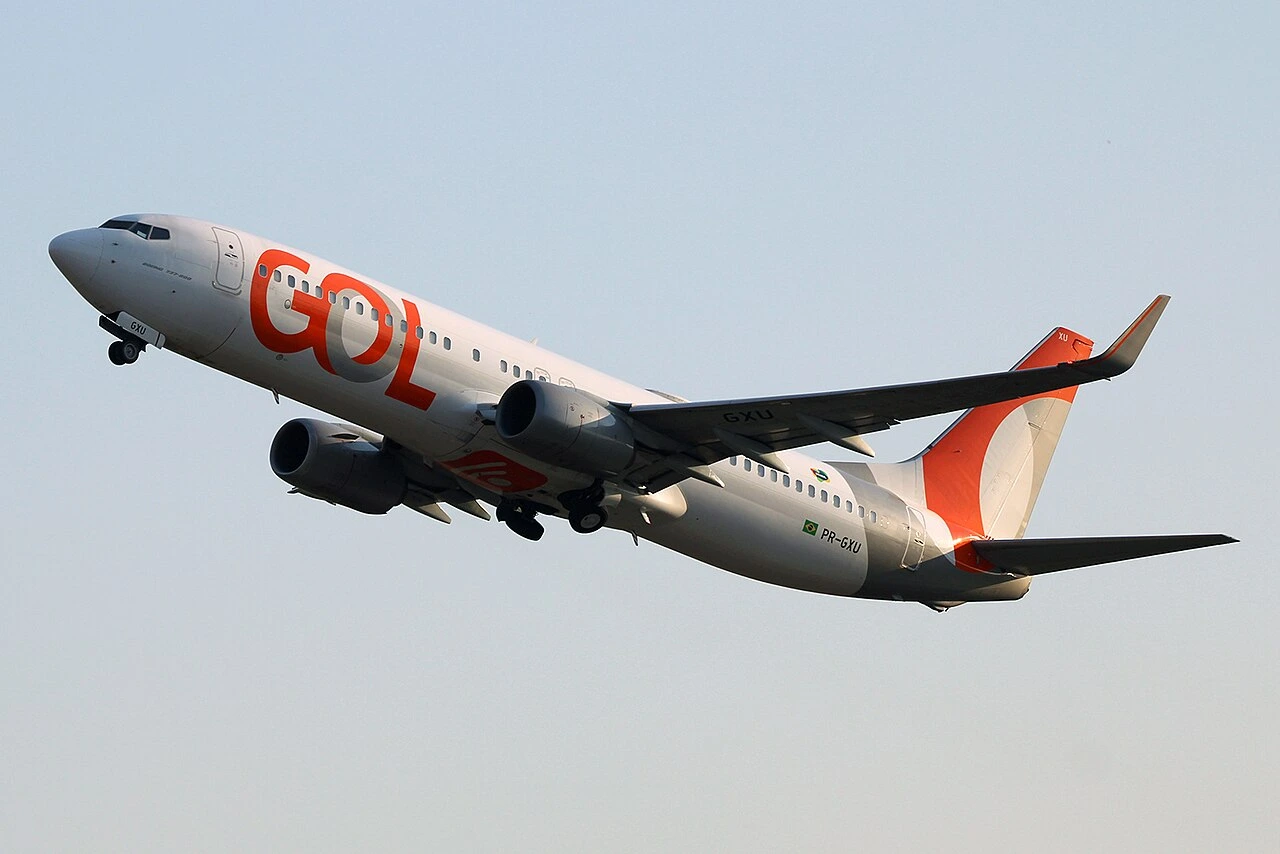
The Financial Logic of Scrapping Nearly New Aircraft
For an airline, an aircraft only generates revenue while flying passengers. Persistent center-of-gravity and engine faults meant GOL’s two 737 MAX 8s were burning more fuel and requiring inefficient routing whenever they did fly, cutting into the carrier’s margins.
Continuing to operate the jets would have required dedicated engineers and constant troubleshooting at GOL’s Confins maintenance base. Returning the aircraft removed that ongoing labor and hangar overhead, along with the compounding costs of chronic component failures.
Because GOL leased rather than owned the aircraft, rejecting them also stopped lease payments on jets that were producing little operational return. A parts company confirmed in May 2026 that it had acquired roughly year-old 737 MAX airframes for teardown, and the lessor involved is now advertising what it calls “first-to-market” 737 MAX parts sourced from low-utilization aircraft.
How This Compares to Other Boeing 737 MAX Quality Problems
The GOL case adds to a run of quality-control issues that have followed the 737 MAX program since it resumed full-rate deliveries. In January 2024, a door plug blew out of an Alaska Airlines 737 MAX 9 mid-flight, an incident that prompted the FAA to cap Boeing’s monthly production rate and tighten oversight of its assembly lines.
Boeing has since worked to rebuild trust in its narrowbody quality processes, including opening a new production line at its Everett facility this year to diversify output beyond the historic Renton site. Unlike the 2024 door plug incident, which centered on a missing bolt during assembly, the GOL case points toward engine-related and structural issues that surfaced only after the aircraft entered daily service.
The financial stakes differ too. The Alaska Airlines incident triggered a grounding of the entire MAX 9 fleet and a federal investigation, while GOL’s two jets have simply been pulled quietly from service and are headed for the scrapper without triggering a type-wide grounding or regulatory action against Boeing.


.jpg)


