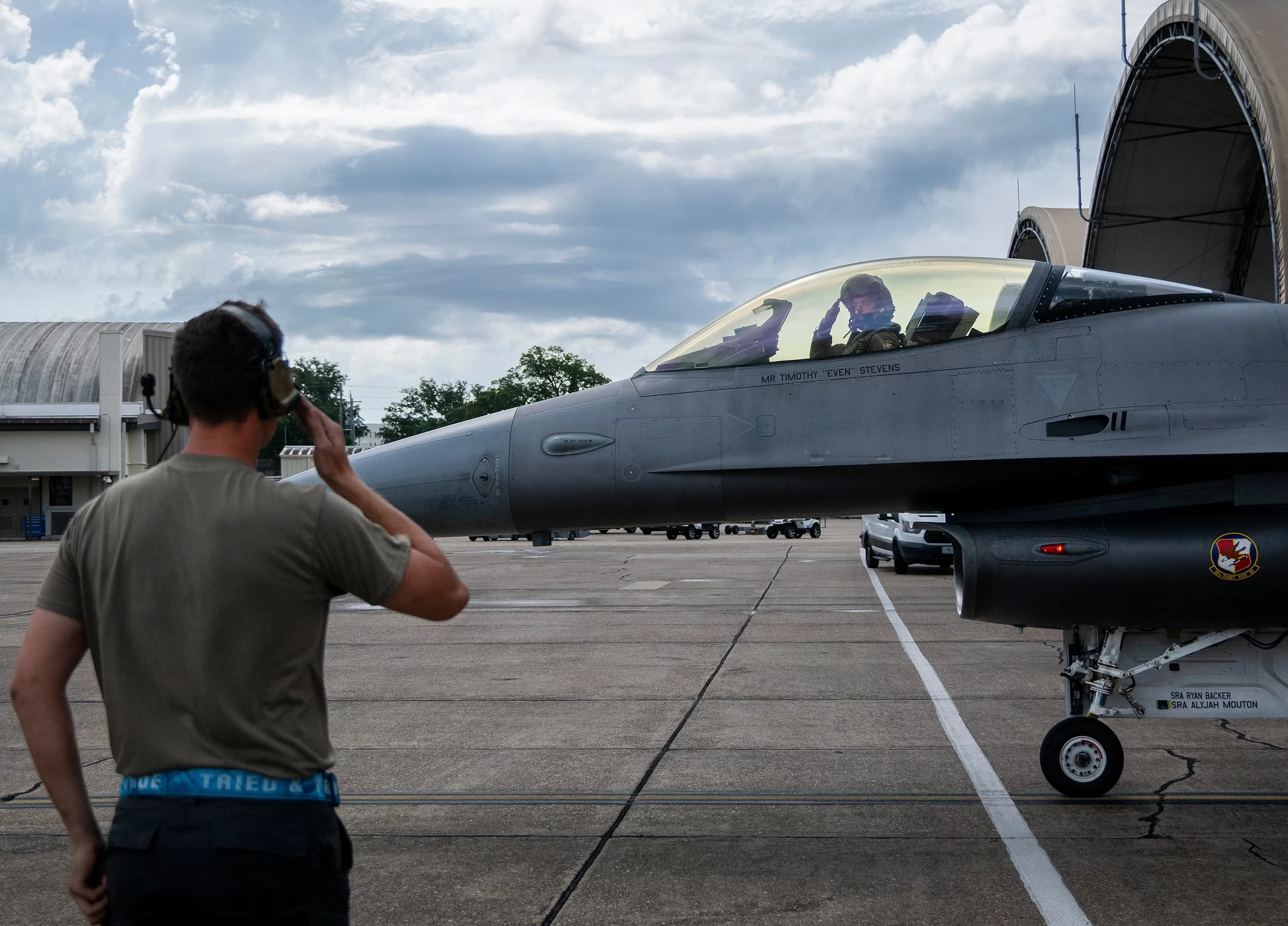
The North American Aerospace Defense Command (NORAD) launched F-16 Fighting Falcon fighter jets on July 19, 2026, after more than 10 general aviation aircraft entered Temporary Flight Restriction (TFR) airspace over Bedminster and East Rutherford, New Jersey. This news comes only days after AI flew this aircraft type operated by the United States Air Force (USAF).
The restricted airspace had been established to protect President Donald Trump and other world leaders attending the FIFA World Cup Final near Newark Liberty International Airport (EWR). Teterboro Airport (TEB), one of the nation’s busiest general aviation airports, was located within the affected airspace.
Three of the aircraft required direct military interception, with NORAD pilots deploying warning flares during two of those encounters. Every intercepted aircraft was safely escorted out of the restricted area, and officials reported no injuries or accidents.
NORAD Responds to Multiple Airspace Violations
More than 10 general aviation aircraft violated the restricted airspace on July 19, prompting NORAD to respond. Of those incidents, three required F-16 fighter jets to intercept the aircraft.
During each interception, military pilots followed internationally recognized procedures, beginning with radio communication and visual signals before escalating their response when pilots failed to acknowledge instructions.
According to Army Recognition, the unusually high number of violations in a single day underscored NORAD’s ability to rapidly detect, identify, intercept, and safely resolve multiple airspace incursions without affecting legitimate air traffic. Until positively identified, every unknown aircraft is treated as a potential security concern.
The Federal Aviation Administration (FAA) established the Temporary Flight Restriction as President Donald Trump attended the FIFA World Cup Final at MetLife Stadium alongside Canadian Prime Minister Mark Carney and Mexican President Claudia Sheinbaum.
Spain claimed a 1-0 victory over Argentina in the championship match, attracting heads of state, senior government officials, and celebrities to East Rutherford.
The combination of presidential security requirements and a major international sporting event created one of the most demanding domestic security operations in recent years.
Protecting the restricted airspace required coordination between the FAA, the US Secret Service, NORAD, and several other federal agencies.
NORAD also regularly enforces Temporary Flight Restrictions around President Trump’s Bedminster residence and his Mar-a-Lago property in West Palm Beach, Florida.
Why NORAD Used Warning Flares
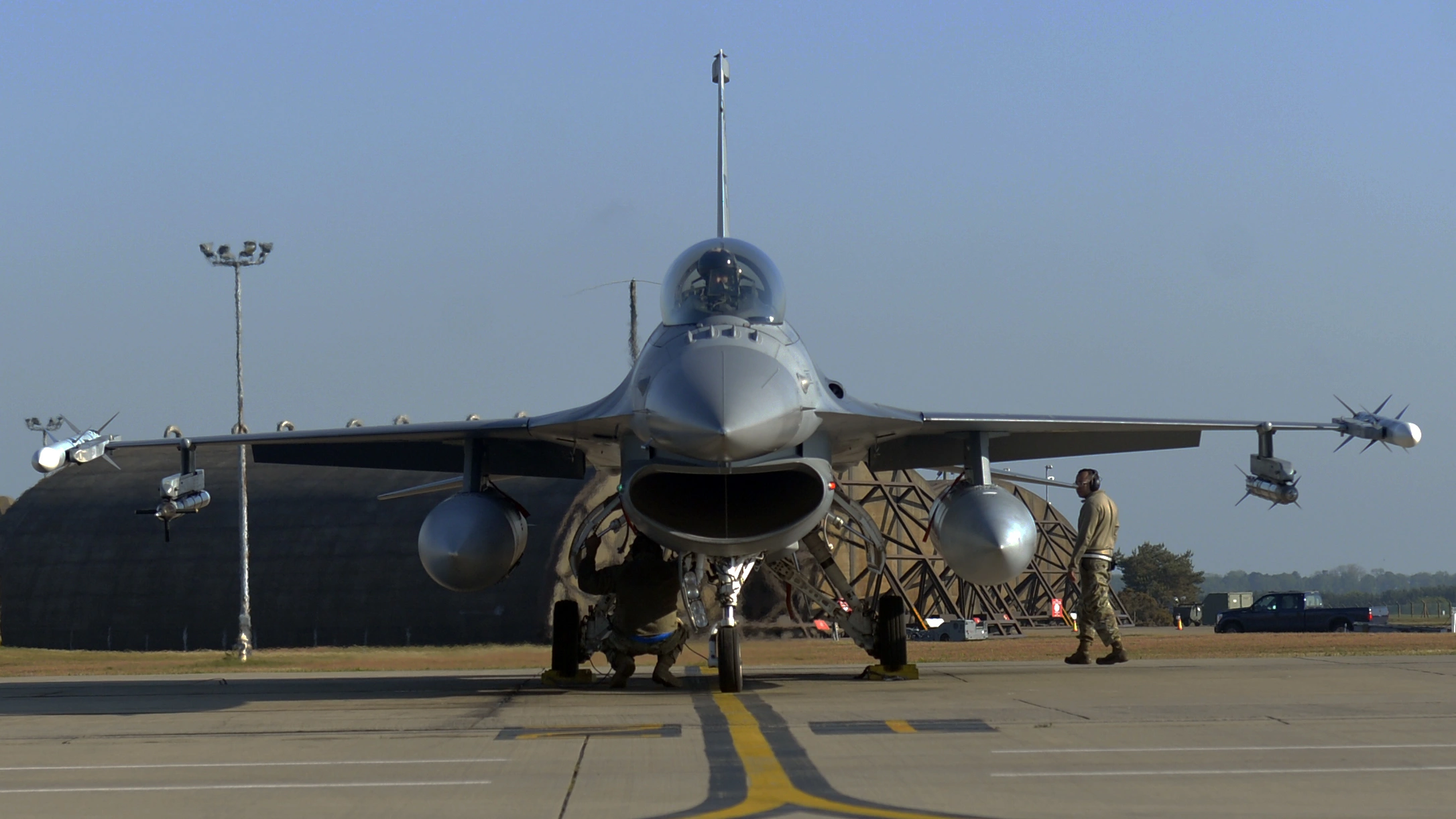
During two of the interceptions, F-16 crews released military warning flares after civilian pilots did not respond to the standard interception procedures.
NORAD emphasized that the flares are non-lethal visual signals intended solely to attract a pilot’s attention.
The command said the flares are deployed with the highest regard for safety, burn out rapidly and completely, and do not pose a risk to people on the ground. Since some residents may have observed the flares, NORAD publicly explained their purpose.

Why the F-16 Remains NORAD’s Primary Interceptor
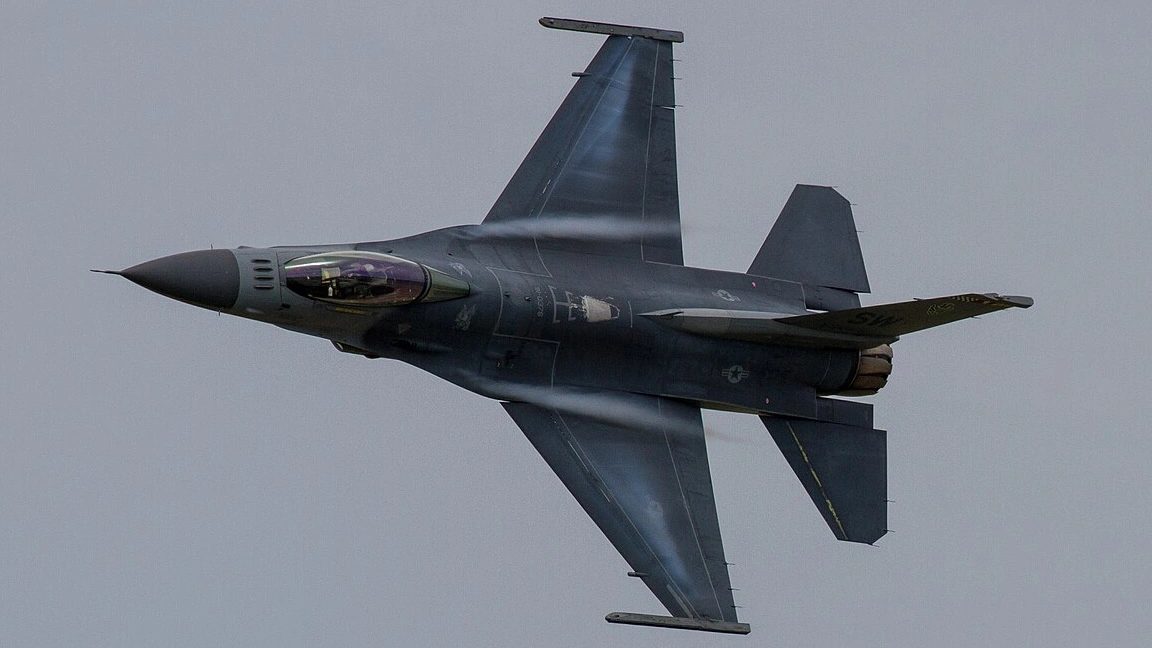
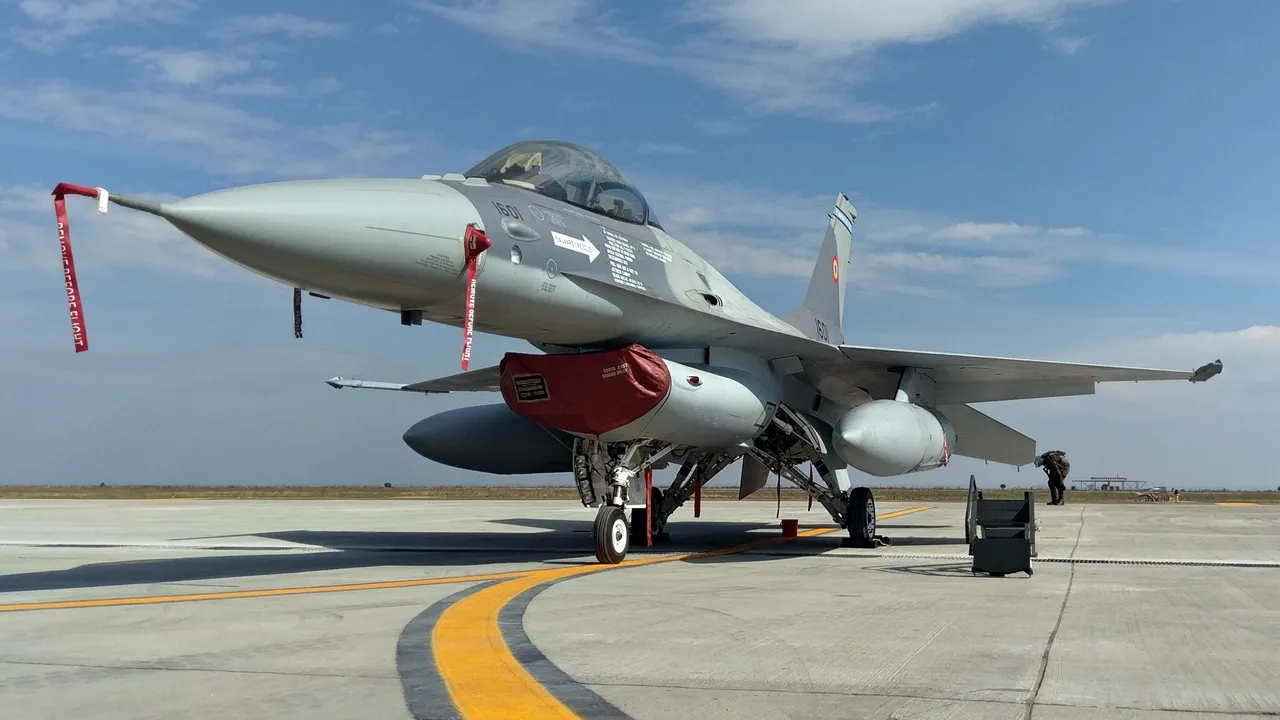
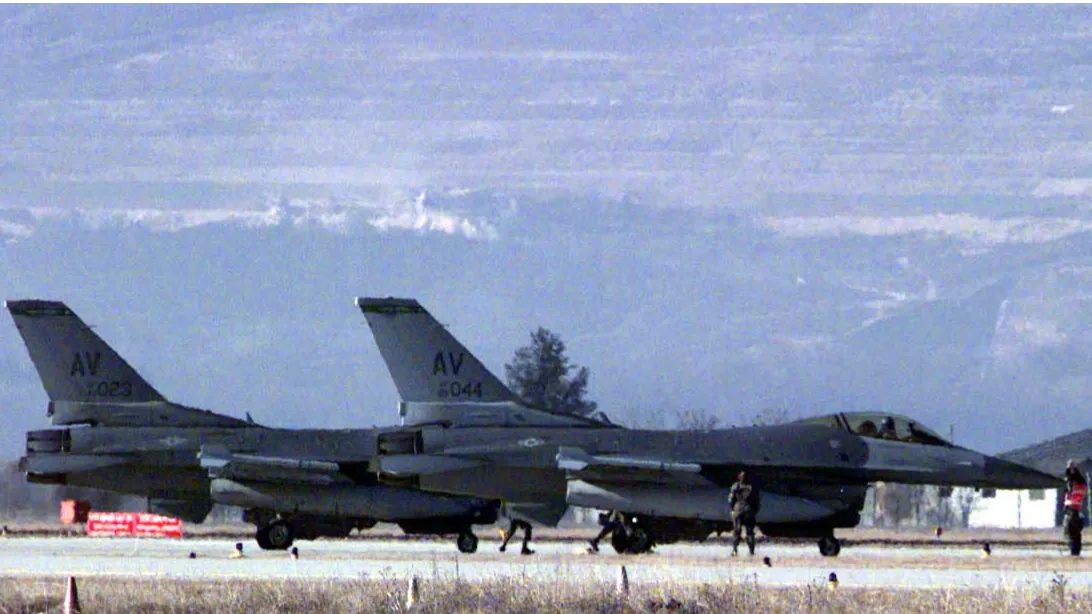
The US Air Force F-16 Fighting Falcon continues to serve as one of NORAD’s primary homeland defense aircraft due to its speed, maneuverability, advanced radar capabilities, and ability to quickly identify unknown aircraft.
Interceptor pilots first attempt to establish communication using radio calls and visual signals. Warning flares are used only when those efforts fail.
The objective is to establish contact with the aircraft and safely escort it out of restricted airspace rather than use force.
Instructions for Pilots During an Interception
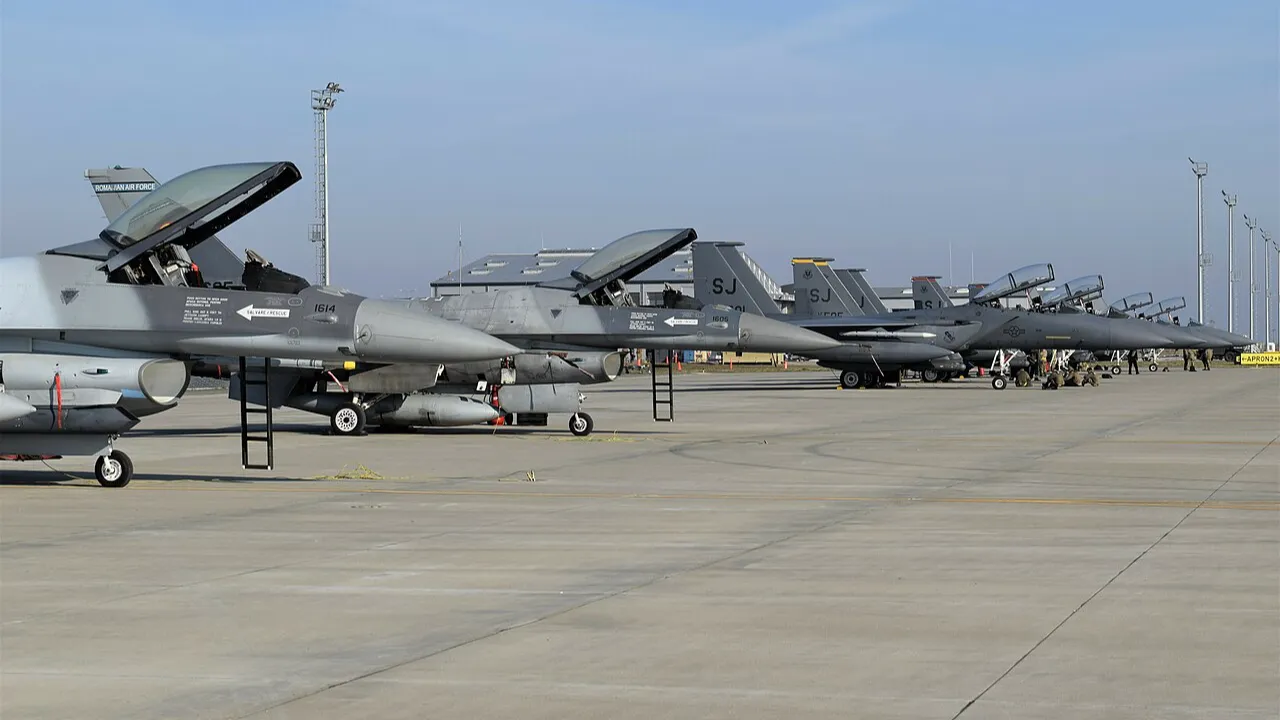
NORAD advised that any pilot intercepted by military aircraft should immediately tune to emergency frequency 121.5 or military frequency 243.0 and reverse course until further instructions are received.
Both frequencies are monitored continuously during homeland air defense missions, allowing military crews to communicate with aircraft that may have entered restricted airspace unintentionally.
The command also reminded pilots to review current Notices to Airmen (NOTAMs) and FAA Temporary Flight Restrictions before every flight.

How Temporary Flight Restrictions Protect Sensitive Events
Temporary Flight Restrictions have become a key element of US homeland security since the September 11 attacks, particularly during presidential travel and major public events.
Similar restrictions have historically been implemented during events such as the FIFA World Cup and Olympic Games, where large crowds and high-profile attendees require enhanced security.
The FAA establishes these restricted zones through NOTAMs, typically creating an inner no-fly area extending about 10 nautical miles and an outer security ring reaching up to 30 nautical miles where additional operating restrictions apply. Pilots operating near these areas are expected to review all current NOTAMs before departure.
Investigations Continue After Airspace Breaches
Officials have not identified the aircraft involved or confirmed whether they were recreational aircraft, business jets, or other types of general aviation flights.
Authorities also have not announced any enforcement action against the pilots, although investigations into the violations remain ongoing.
Under FAA regulations published through NOTAMs, pilots who violate Temporary Flight Restrictions may face warnings, fines, certificate suspensions, or other enforcement measures.
The airspace interceptions formed part of a broader security operation surrounding the FIFA World Cup. Federal authorities also charged four individuals as a nationwide drone enforcement effort resulted in more than 400 drone seizures across host cities.
Most airspace violations occur because pilots fail to review current restrictions or misunderstand changing airspace requirements rather than intentionally entering prohibited areas.
Even so, NORAD maintains aircraft and crews on constant alert. Successfully intercepting three aircraft while protecting presidential movements and securing one of the world’s largest sporting events demonstrated the importance of continuous radar surveillance, rapid fighter response, and close coordination among military aviation, civilian air traffic control, federal law enforcement, and intelligence agencies across North America’s aerospace defense network.