Qatar Airways (QR) revealed plans on January 12, 2017, to launch nonstop service from its Doha Hamad International Airport (DOH) hub to Harry Reid International Airport (LAS) in Las Vegas, Nevada. The carrier set a firm start date of January 8, 2018, with four flights a week in each direction operated by Boeing 777-200LRs. Had the route launched, Qatar Airways would have become the first Gulf carrier to provide regular scheduled service to Las Vegas, joining an American network that already included Atlanta, Boston, Chicago, Dallas-Fort Worth, Houston, Los Angeles, Miami, New York JFK, Philadelphia and Washington DC.
Then-CEO Akbar Al Baker framed the announcement as part of a broader push into the western United States. He said adding Las Vegas to the route map had been “long overdue,” pointing to growing passenger demand from the East via the airline’s Doha hub. The route never came close to launching. Qatar Airways has never operated a scheduled commercial passenger flight to or from Las Vegas, and the city remains the sole notable gap in the carrier’s otherwise expansive US network.
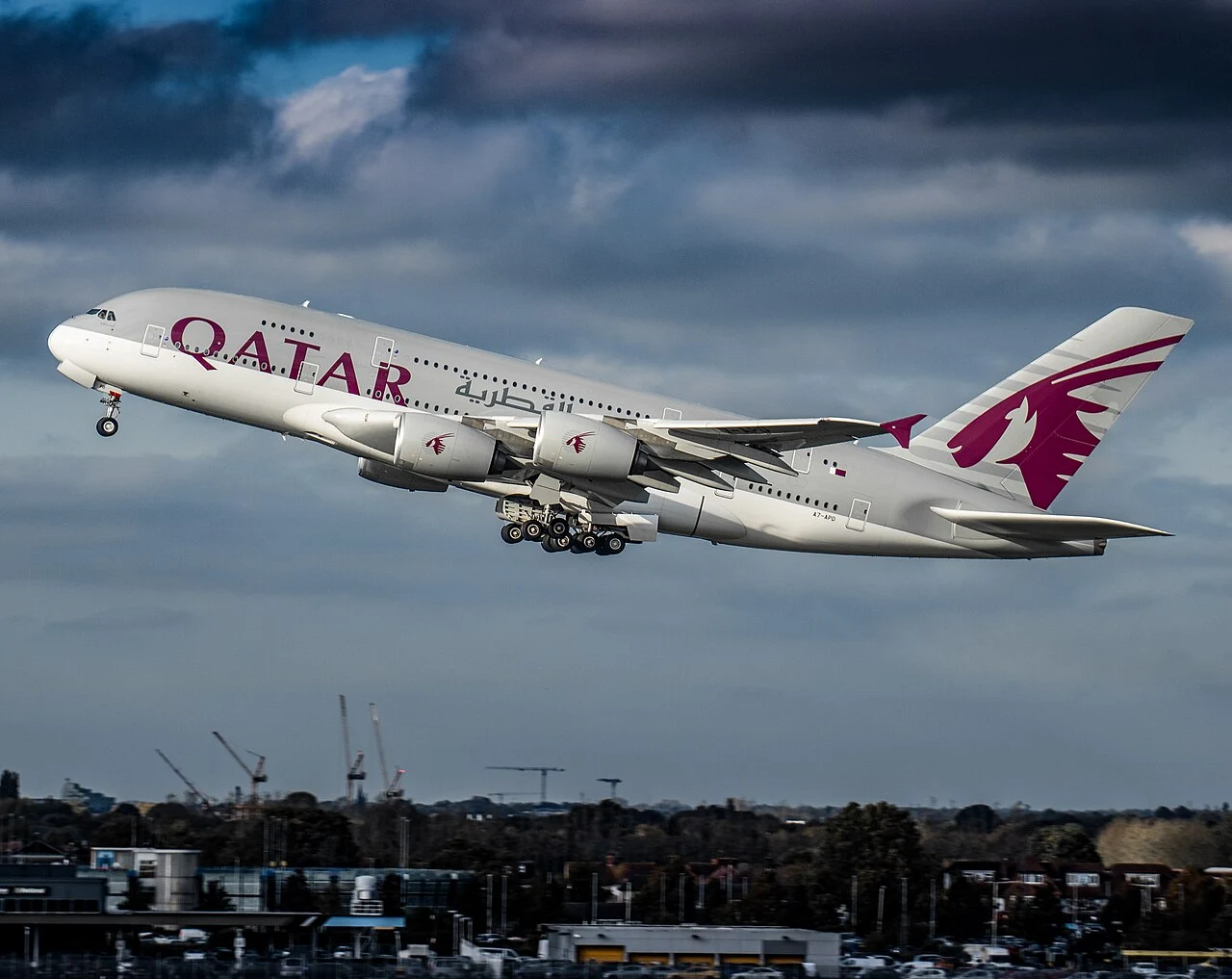
The Gulf Blockade Grounded the Route Before It Started
The Las Vegas plan collapsed for reasons that had nothing to do with Nevada. In June 2017, five months after Qatar Airways announced the route, Saudi Arabia, the United Arab Emirates, Bahrain and Egypt severed diplomatic ties with Qatar and closed their airspace to Qatari aircraft, accusing the country of supporting terrorism, a claim Qatar rejected as unjustified, Simple Flying reported.
The closures forced Qatar Airways to reroute flights over Iran, Turkey and Oman, and the airline was forced to drop 18 destinations from its network as a direct consequence of the blockade.
The disruption was severe by any measure. The four blockading countries had made up roughly 17.5% of Qatar Airways’ weekly capacity from Doha and accounted for more than 19% of all its flight departures, and the carrier suffered a near-9% decline in passenger numbers in the year to March 2018.
Against that backdrop, an unlaunched long-haul route to a leisure destination in Nevada was an easy casualty. Contemporary reporting from aviation blog One Mile at a Time confirmed the Las Vegas route was shelved as part of the airline’s broader retrenchment, alongside other unlaunched plans for Rio de Janeiro and Santiago de Chile.
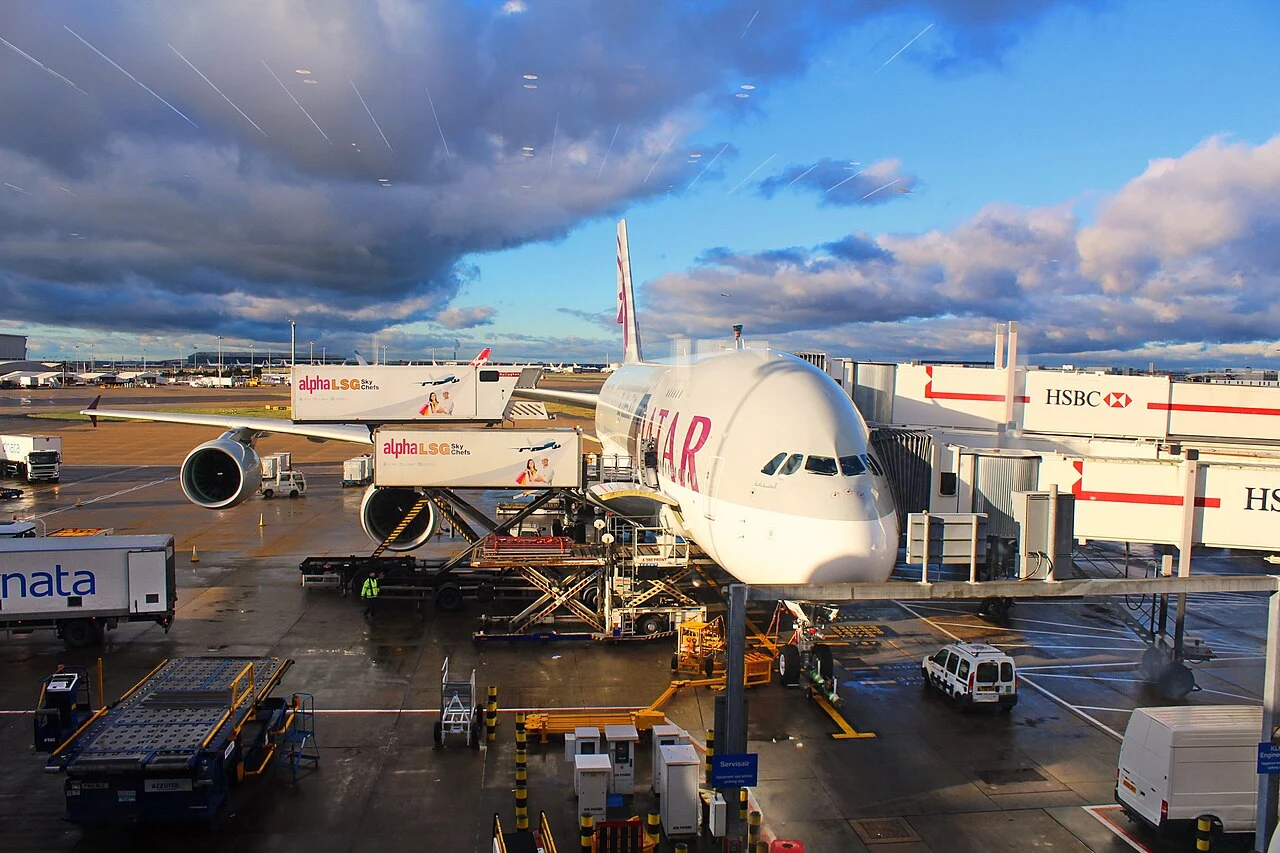
At the ITB Berlin travel trade show in March 2018, Al Baker discussed plans for how the airline would “finally” launch its “perpetually delayed” Las Vegas route, though the service never materialized and Qatar Airways has not revived the plan since.
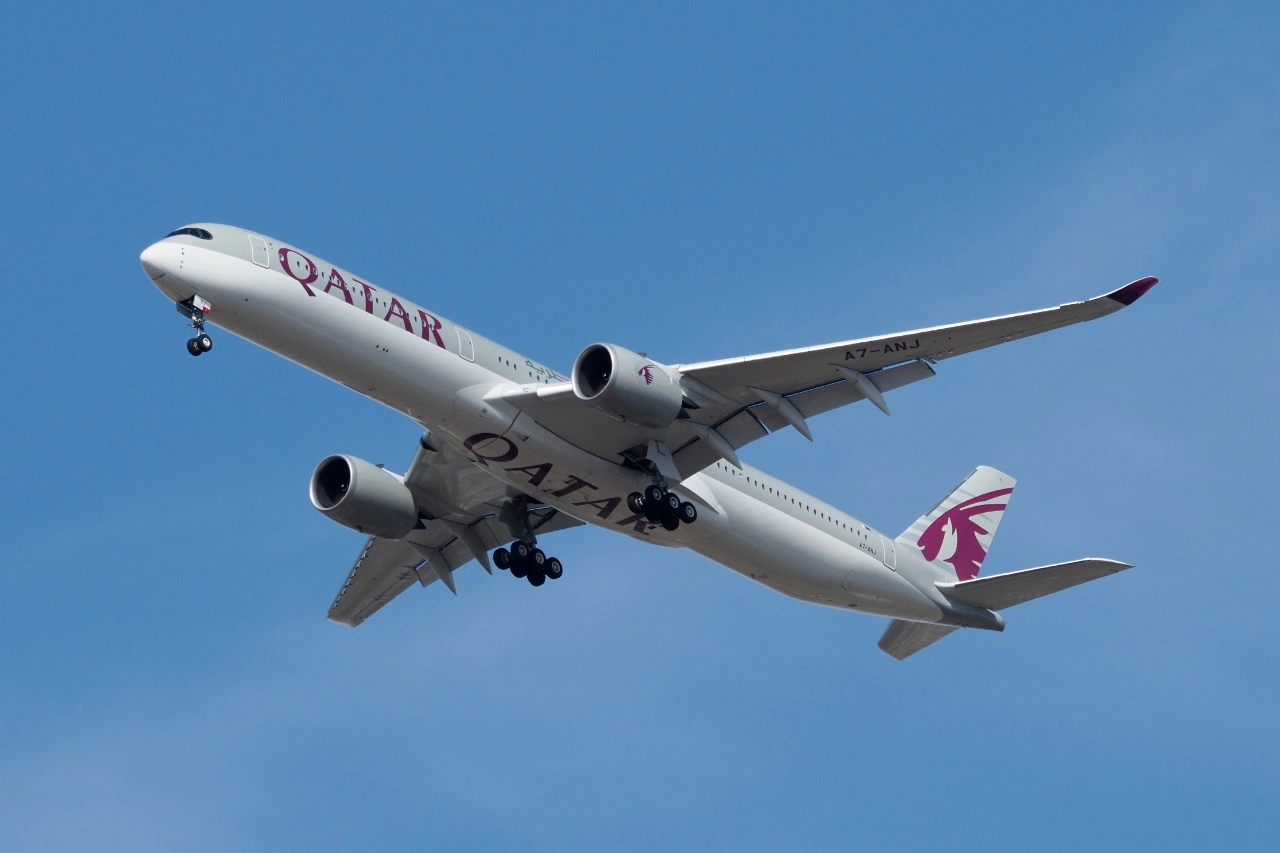
How Las Vegas Compares to Qatar Airways’ Other Recent Route Expansions
The abandoned Las Vegas route stands out against a decade of steady network growth for Qatar Airways elsewhere. The carrier has continued expanding into new Saudi and regional markets long after the blockade ended, including a 2025 launch of nonstop service to Red Sea International Airport on Saudi Arabia’s west coast, its 12th Saudi destination. That pattern of continued expansion elsewhere makes the Las Vegas gap more conspicuous rather than less, since the airline has clearly kept adding routes in the years since the diplomatic rift eased.
The blockade itself was resolved relatively quickly compared with how long the Las Vegas route has stayed dormant. Saudi Arabia, Bahrain, Egypt and the UAE reopened their airspace and land and sea borders to Qatar in January 2021, following a Gulf Co-operation Council summit in Al-Ula. That gave Qatar Airways more than four years to relaunch Las Vegas flights if it wanted to, yet the route has not returned to the airline’s network planning in that time.
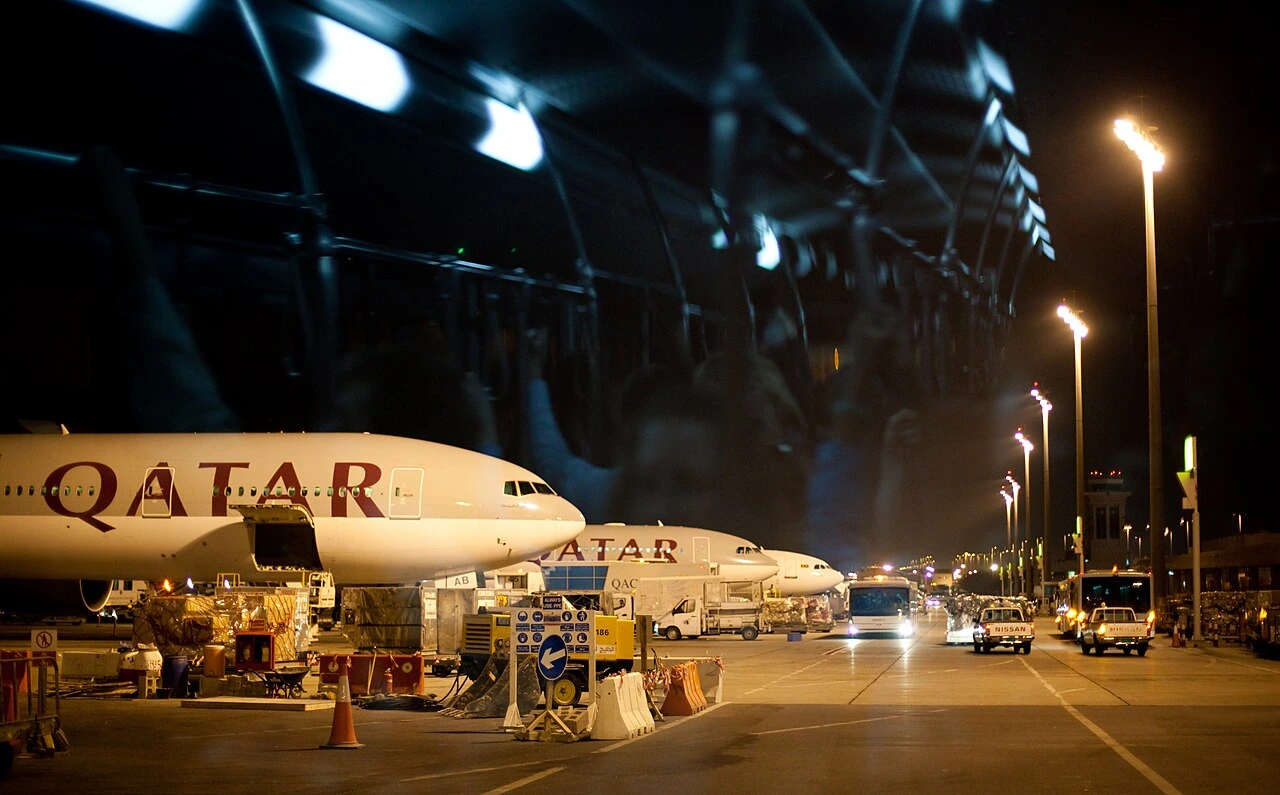
Why The Numbers Suggest Qatar Airways Isn’t Missing Much
Current booking data raises real doubts about how much demand ever existed for the route. According to Simple Flying’s analysis of booking figures, a combined two-way total of just 2,775 passengers flew between Doha and Las Vegas last year, or around eight people a day on average. Even Tel Aviv, described as the most popular Middle Eastern destination from Las Vegas, drew only 26,918 passengers, or about 74 a day.
Las Vegas simply isn’t a major long-haul gateway to begin with. Most of its international service runs to European cities, led by London Heathrow (LHR) with 75 flights in a typical month, followed by Amsterdam (AMS) and Frankfurt (FRA). Seoul (ICN) is its only scheduled Asian connection, and no Middle Eastern carrier serves the airport nonstop today, which means travelers between the two regions still have to connect, typically through a European or other US hub.
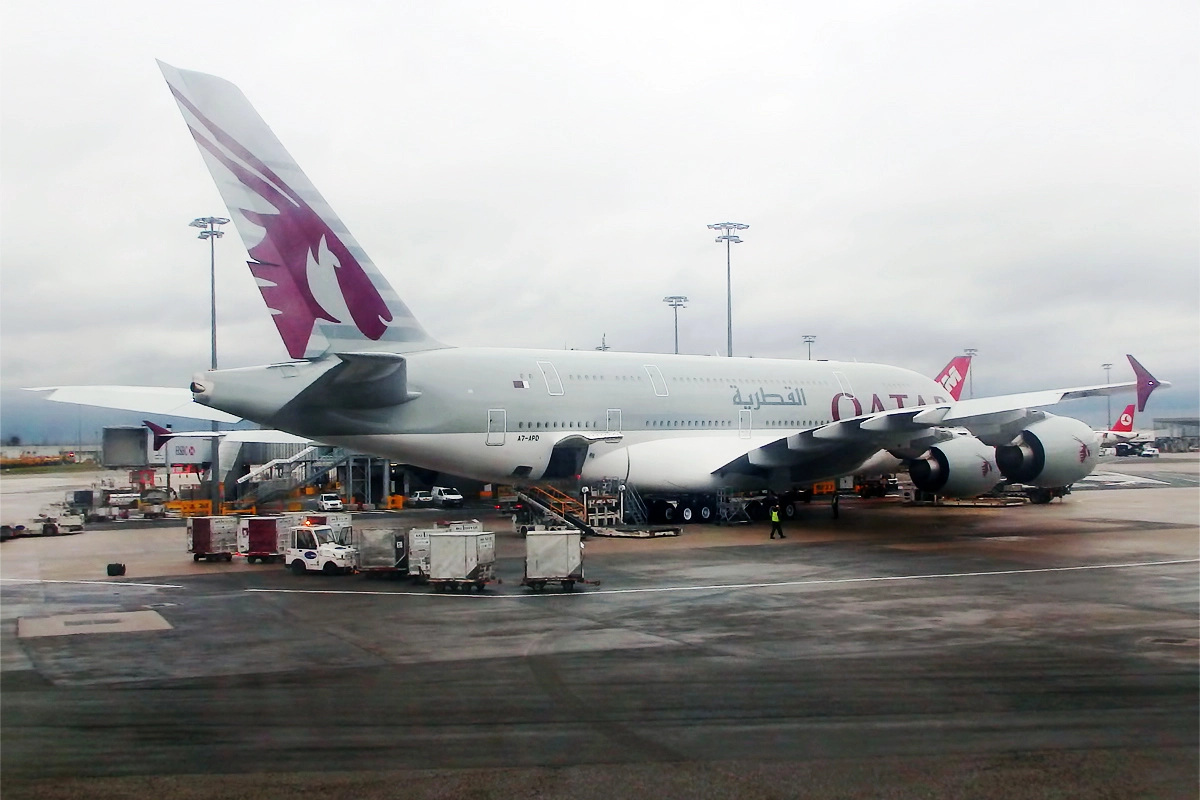
What This Means for Travelers and Rival Gulf Carriers
For now, anyone flying between Las Vegas and Qatar’s home region has to connect, most commonly through Qatar Airways’ existing US gateways such as Los Angeles or New York JFK, or via a European hub. No other Gulf carrier has stepped in to fill the gap either; Emirates, Etihad Airways and Turkish Airlines all serve major US cities but none currently operates nonstop Las Vegas flights, leaving the market Qatar Airways once targeted still open.
Given the modest passenger numbers currently moving between the two cities, a nonstop revival appears unlikely in the near term unless demand patterns change substantially.
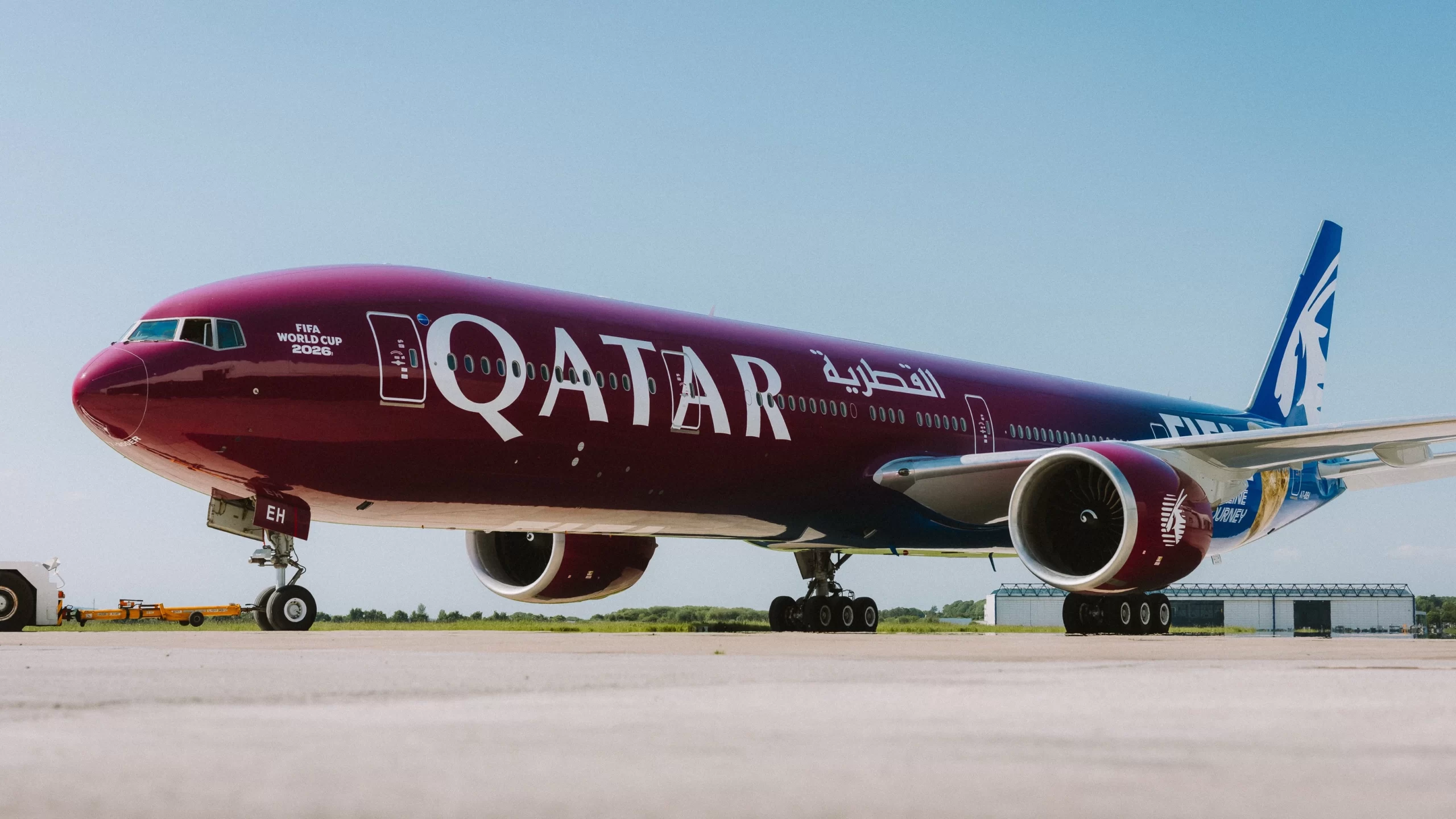
The episode also illustrates a broader risk that long-haul carriers face when they announce routes years ahead of launch. Qatar Airways gave itself a full year of lead time between the January 2017 announcement and the planned January 2018 start, a common practice that lets airlines build bookings and secure slots.
That same lead time, however, left the route exposed to a geopolitical shock that had nothing to do with route economics. Airlines with single-hub, long-haul networks are particularly sensitive to this kind of disruption, since a hub city’s regional airspace access can change how far a route timetable stretches almost overnight.


_@_LHR,_2018-10-04.jpg)


_(2).jpg)