Two British Airways (BA) Boeing 777-200ER aircraft turned back to London Heathrow Airport (LHR) on consecutive days in July 2026, after unspecified technical issues struck each jet mid-flight. Flight BA229 aborted its journey to Baltimore/Washington International Thurgood Marshall Airport (BWI) on Thursday, July 9, and flight BA183 turned around over the Irish Sea while heading to John F. Kennedy International Airport (JFK) on Friday, July 10. Both aircraft dumped fuel before landing safely, and British Airways canceled both services, moving passengers onto other flights or overnight hotels.
The back-to-back turnbacks involved two of British Airways’ oldest widebody jets, registered G-YMMH and G-RAES, which have flown for the airline for more than 25 and 29 years respectively, Simple Flying reported. No injuries were reported in either event, and neither plane suffered visible damage on its return to Heathrow.
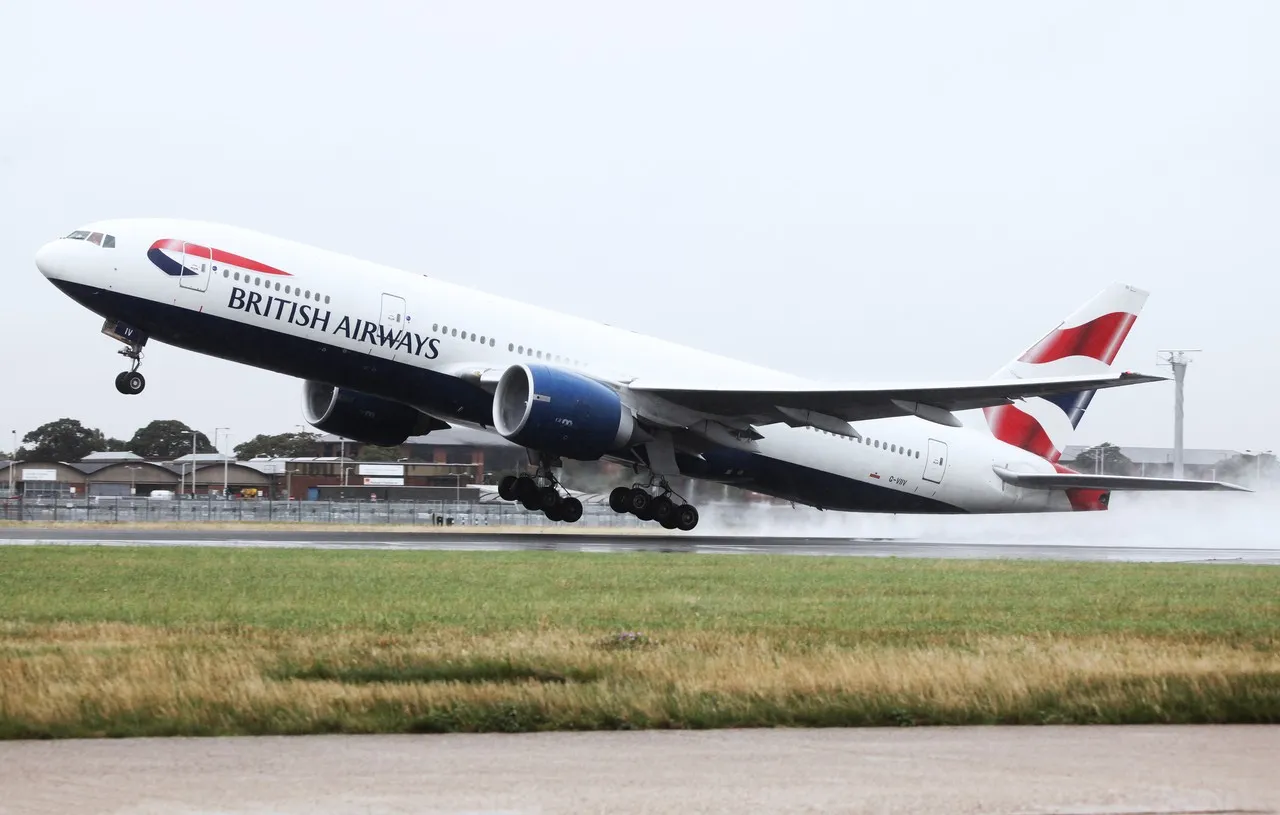
British Airways Flight BA229 Diverts Back to Heathrow Over Ireland on Its Way to Baltimore
Flight BA229 left Heathrow more than an hour behind schedule on July 9, according to early tracking reports from AirLive. The Boeing 777-200ER, registered G-YMMH, climbed to a cruising altitude of 34,000 feet over Ireland when the flight crew was alerted to a technical fault. The pilots decided to turn the aircraft around rather than continue over the Atlantic Ocean.
Because the plane was carrying a full load of fuel for the long transatlantic crossing, the crew needed to dump fuel before the aircraft could land safely back in London (You can read our guide how widebody jets like the 777 use this procedure to shed weight before an early return ). G-YMMH landed at Heathrow roughly two hours after its initial departure. British Airways then canceled the Baltimore service and pulled the aircraft from service so engineers could investigate the fault.
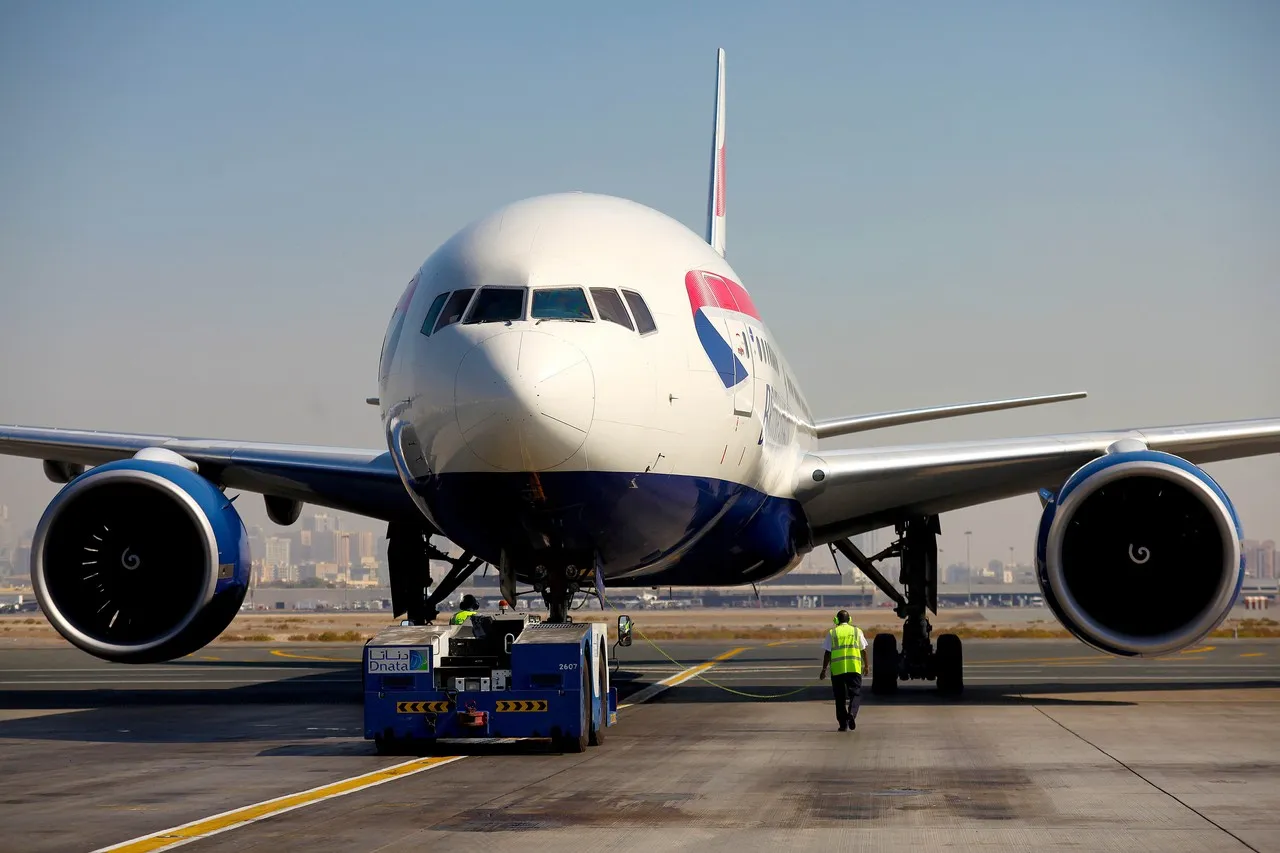
Flight BA183 Aborts Its Climb to New York One Day Later
A second, separate incident struck the same aircraft type barely 24 hours later. Flight BA183, bound for JFK, departed Heathrow at 8:30 p.m. local time on Friday, July 10. Flight-tracking data showed the Boeing 777-200ER, registered G-RAES, stop its initial climb at 20,000 feet before the crew adjusted to 25,000 feet.
The captain ultimately declared a technical issue and began a turnaround while the aircraft was flying over the Irish Sea. G-RAES landed safely back at Heathrow about two hours after departure. British Airways has not confirmed whether the BA229 and BA183 faults were related, and it remains unclear if the underlying issue is more widespread across the airline’s 777 fleet.
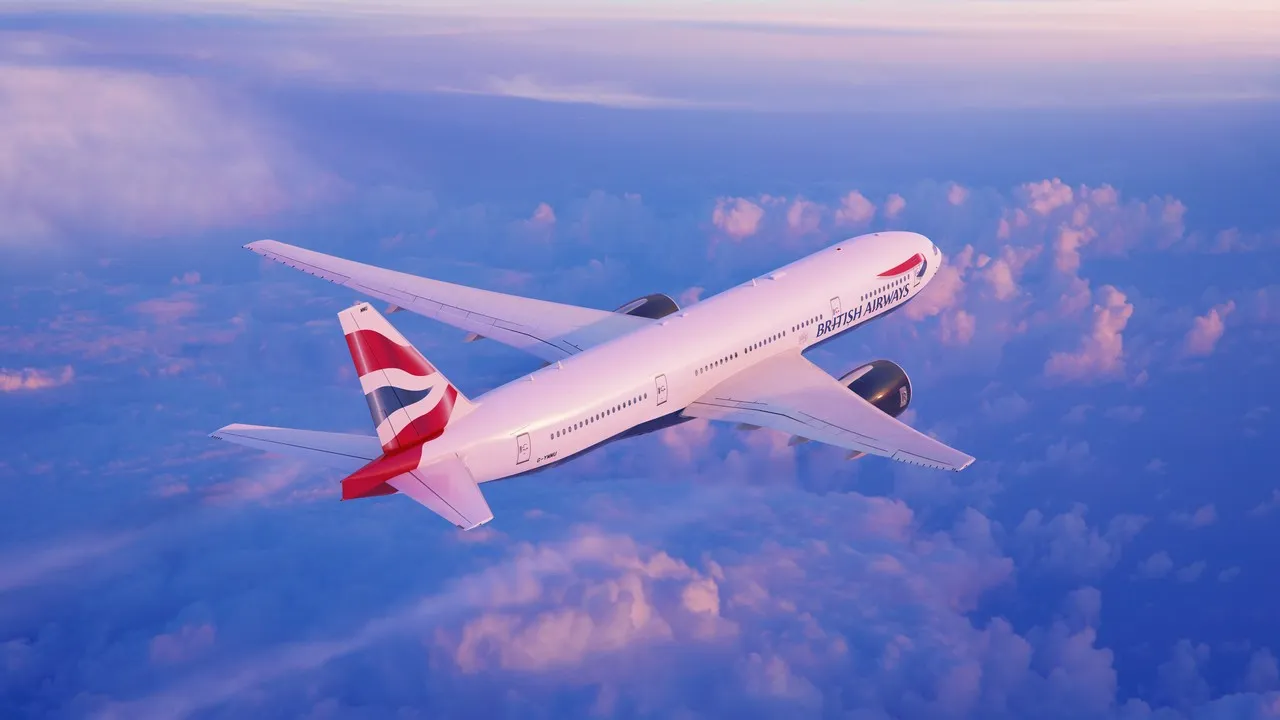
Two Of British Airways’ Oldest Boeing 777-200ERs Were Involved
British Airways was the launch customer for the 777-200ER decades ago, and the two aircraft involved this week rank among the oldest jets in its current fleet, according to ch-aviation data cited by Simple Flying. Their specifications differ noticeably because of when each entered service:
- G-YMMH: delivered to British Airways on October 14, 2000; more than 25.8 years in service; configured with 38 Club World (business), 40 World Traveller Plus (premium economy), and 184 World Traveller (economy) seats.
- G-RAES: delivered to British Airways on June 10, 1997; more than 29.1 years in service; configured with 8 First, 49 Club World, 40 World Traveller Plus, and 138 World Traveller seats.
The four-class configuration on G-RAES, including a First cabin, marks it as one of the airline’s few remaining 777s still fitted with first-class seating, a layout British Airways has been phasing out fleet-wide.

How British Airways Managed the Passenger Disruption
British Airways rebooked affected travelers from both flights onto alternative services, with some passengers placed in overnight hotel accommodation ahead of departures the following day. Engineering teams took each aircraft out of service to inspect the reported faults before returning either jet to commercial flying. The airline has not released a public statement detailing the specific nature of either technical issue.
Passengers on both canceled flights are also entitled to protection under UK261, the United Kingdom’s flight compensation law adapted from the former EU261 regulation. According to Flightright, technical faults are usually treated as within an airline’s control, which normally makes compensation payable unless the fault stems from a rare hidden manufacturing defect. Under UK261, delays of three hours or more can qualify passengers for payments of up to £520, alongside meals, hotel stays, and rebooking assistance during the wait, as AirHelp outlines in its guide to the regulation.

All in All
British Airways has already signaled plans to retire its 777-200ER fleet gradually, shifting long-haul capacity onto the Boeing 787 Dreamliner, the incoming 777-9, and the Airbus A350. Heathrow’s own congestion adds another layer to the story. The airport runs more than 100 daily flights to the United States across 31 routes, and any diverted long-haul jet occupies a stand and a slot that other departures may need. A pair of unplanned returns within 48 hours therefore ripples beyond the two canceled flights, briefly tightening capacity at one of the world’s most tightly scheduled hubs before operations return to normal.

.jpg)
