Nervous flyers regularly ask the same question before booking a ticket: is there a time of year, or a time of day, when flying is genuinely safer? Researchers and aviation regulators have studied this question directly, drawing on decades of global accident data from the International Civil Aviation Organization (ICAO) and national aviation authorities. The short answer is that flying is remarkably safe no matter when you go, and the small differences that do exist have more to do with weather patterns and traffic volume than any inherent danger tied to a specific month or hour.
The topic matters because so many people misjudge aviation risk based on memorable headlines rather than data. A 2022 academic review of aviation weather trends, along with direct statements from the U.S. Federal Aviation Administration (FAA), gives a clearer, evidence-based picture of when accidents actually cluster and why. This article works through what that research shows, from seasonal weather effects to time-of-day turbulence patterns, and compares flying’s overall safety record with other forms of transportation.


How Safe is Flying Right Now? By the Numbers
Any discussion of timing has to start with how rare aviation accidents are in the first place. IATA reported an all-accident rate of 0.80 per million sectors in 2023, meaning roughly one accident for every 1.26 million flights, the lowest rate recorded in over a decade. That figure improved on a five-year rolling average of 1.19 accidents per million flights between 2019 and 2023.
Long-term research backs up that trend. A study from MIT researchers found the risk of dying on a commercial flight fell to roughly 1 in 13.7 million passenger boardings globally between 2018 and 2022, a dramatic improvement compared with earlier decades. MIT professor Arnold Barnett, who co-authored the research, said the chance of dying during an air journey keeps dropping by about 7 percent annually. Against that backdrop, questions about timing matter less than they might feel like they do; the baseline risk is already extremely low across the calendar.

Is There a Safer Season to Fly?
The most direct answer to the seasonal question comes from a 2018 study that reviewed worldwide weather-related aircraft accidents from 1967 through 2010. Researchers split the globe into four latitude zones to check whether regional weather patterns, such as winter ice in northern latitudes or year-round storms near the equator, translated into predictable accident trends. The FAA reviewed the same conclusions and told researchers at McGill University’s Office for Science and Society that it had not identified any other broad, seasonal or monthly incident trends beyond what the weather study already documented.
That doesn’t mean weather plays no role at all. The same study found that the share of accidents connected to weather rose from roughly 40 percent to about 50 percent of all aviation accidents over the decades studied, even as raw accident numbers improved overall due to better aircraft and training. Zones closest to the equator showed a higher proportion of weather-related accidents, but the researchers attributed that to older aircraft and less mature aviation infrastructure in developing regions along those latitudes, rather than to more severe weather itself.

Why Summer Months See More Aviation Accidents (Without Being More Dangerous)?
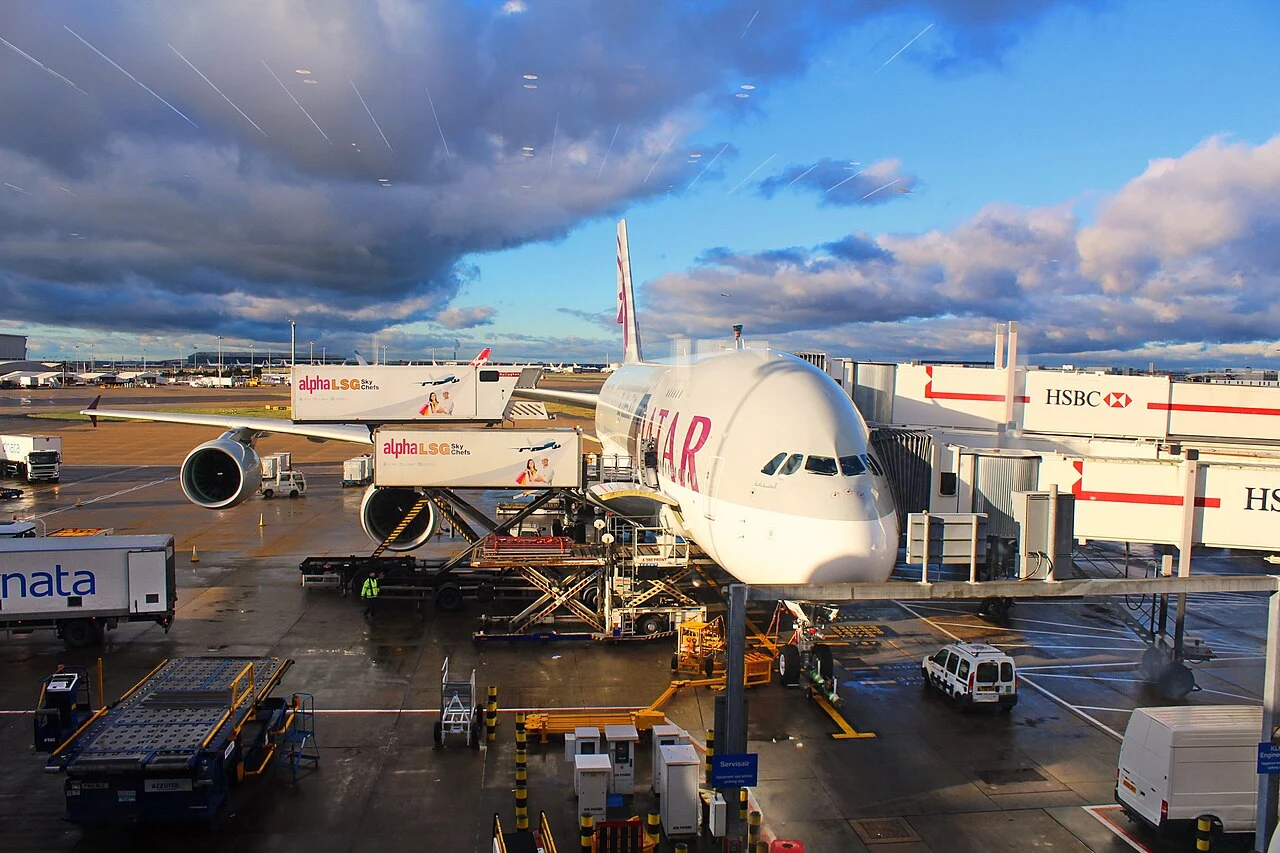
Anyone tracking raw accident counts by month will notice a real pattern: more accidents happen between June and September than in other periods. Dr. Daniel Bubb, a former airline pilot and now an associate professor at the University of Nevada, Las Vegas, explained the likely cause directly to researchers: far more flights operate during those months simply because that’s when the most people travel.
That distinction matters for how travelers should read the data. A higher raw count of accidents during peak summer travel does not mean each individual flight carries more risk in July than in February. When accident totals are adjusted for the sheer volume of flights operating, the summer bump largely disappears, which is consistent with the FAA’s finding that there is no reliable seasonal safety trend once traffic volume is accounted for.

Is Morning or Night Safer?
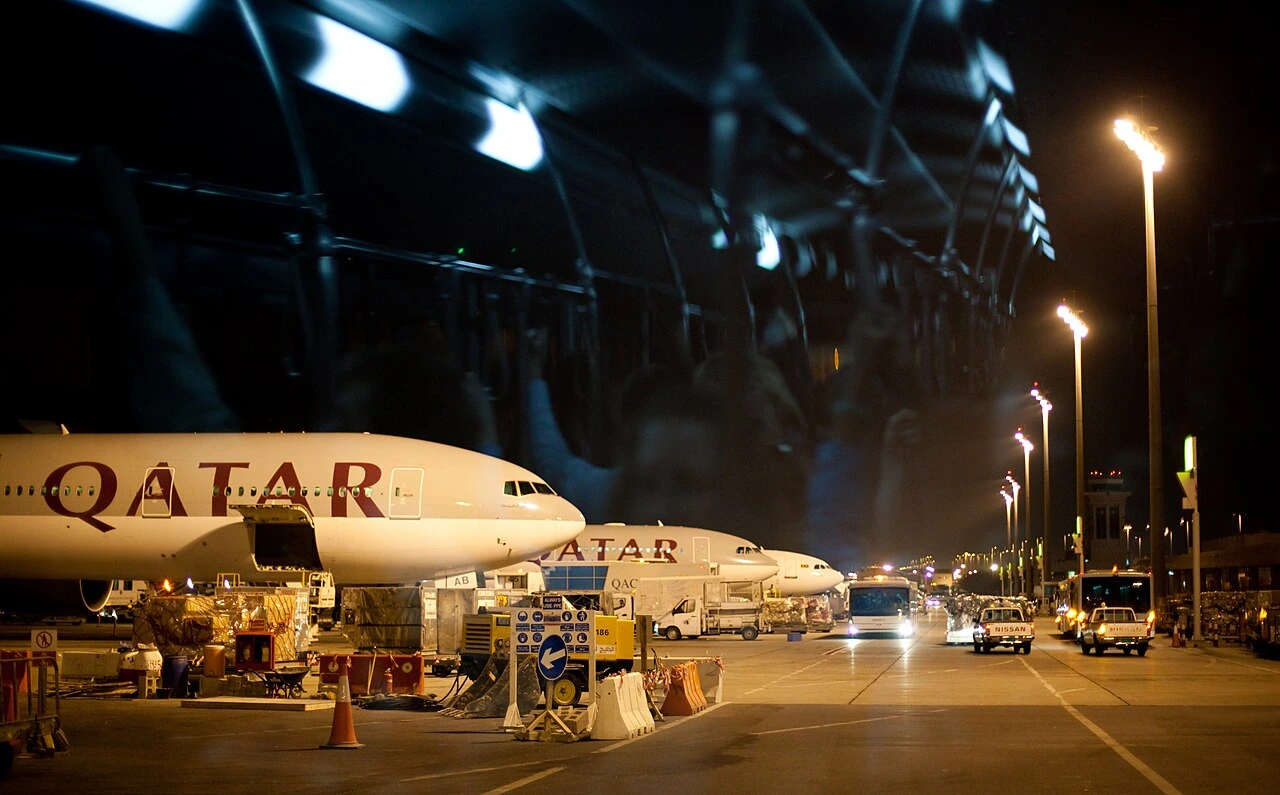
Time of day raises a narrower, more specific question than season does, and the clearest data available concerns turbulence rather than accidents directly. Turbulence forecasting service Turbli analyzed more than 25 million flight measurements and found that nighttime flights encounter less turbulence on average than daytime flights. That difference largely comes down to solar heating: as the sun warms the ground during the day, rising warm air currents create the kind of unstable conditions that produce bumpy rides, particularly during takeoff, climb, and descent.
A few practical points are worth separating out from that finding:
- The turbulence difference is most noticeable during takeoff and landing, not at cruising altitude, where conditions tend to even out regardless of time of day.
- Turbulence discomfort is not the same as an actual safety risk; modern aircraft are engineered to handle far more stress than ordinary, or even severe, turbulence produces.
- Circadian rhythm disruption affects flight crews on irregular schedules more than it affects the statistical safety of any individual flight.
In short, a night flight may feel smoother, but that comfort difference should not be confused with a meaningfully lower accident risk.

Comparing Flying’s Safety Record to Driving and Other Transport
Because absolute aviation accident numbers can sound alarming in isolation, comparing them with other transportation modes gives useful context. In 2023, just 33 plane passengers were injured over 773 billion miles of domestic US air travel, a rate so low that a passenger could circle the globe over 940,000 times for every one airplane injury. By contrast, over 47 million people were hurt in passenger vehicles on US highways between 2003 and 2023, an average of roughly 2.2 million injuries every year.
That gap holds even when accounting for how differently the two travel modes are measured. Highway fatality rates have actually risen over the past decade, while aviation’s equivalent rate has continued a decades-long decline driven by better aircraft design, improved crew training, and more advanced navigation and collision-avoidance technology. Against that comparison, debating the safest month or hour to fly is a much smaller question than it might first appear.
Why Where You Fly Matters More Than When
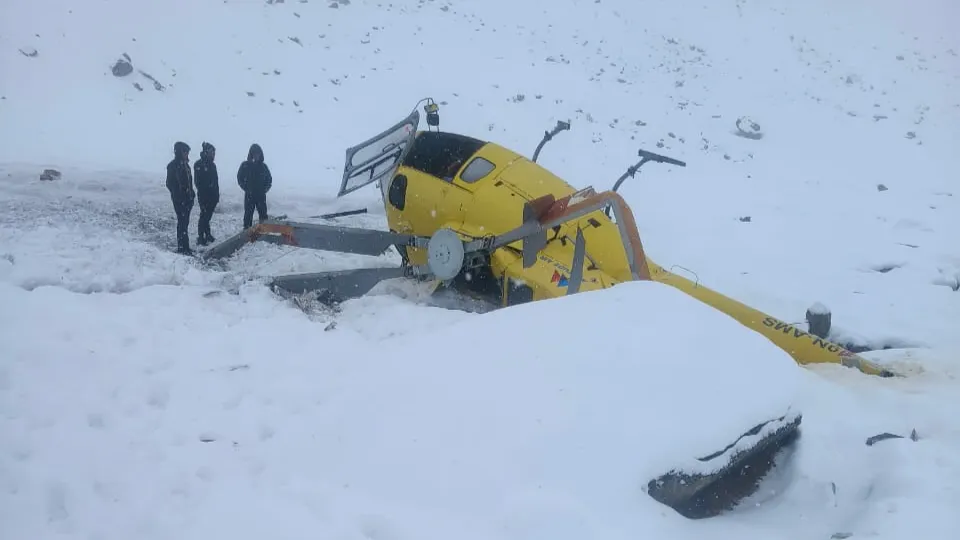
If timing has only a marginal effect on safety, geography and infrastructure matter considerably more. The 2018 weather study found that snow, despite being common in the coldest of the four latitude zones studied, has never been recorded as the primary cause of an accident there, since airports in those regions are built and staffed specifically to handle it. By contrast, the same amount of snow falling in a region unaccustomed to it can create real hazards, because neither the airport infrastructure nor operational procedures are designed around that kind of weather.
That pattern extends to broader safety statistics as well. Research consistently shows commercial aviation safety varies far more by country and regulatory environment than by calendar date, reflecting differences in fleet age, oversight, and airport infrastructure rather than any predictable temporal pattern. A flight’s safety profile depends far more on the airline, the aircraft type, and the regulatory environment it operates within than on the specific week or hour of departure.
.jpg)
What Nervous Flyers Should Actually Take Away from the Data
The evidence is consistent across multiple independent sources: there is no meaningfully safer month, season, or time of day to fly in terms of accident risk. What the data does support is a related but different point, that flying overall ranks among the safest ways to travel, regardless of when a trip happens to be scheduled. Choosing a flight based on convenience, cost, or personal comfort with turbulence is a reasonable approach, since none of those factors meaningfully change the underlying safety math.
For travelers who still feel anxious despite the numbers, that anxiety is understandable but not well supported by the statistics, since aviation safety continues to improve year over year across nearly every measure researchers track. The aviation industry logs, analyzes, and acts on data from every incident worldwide, which is part of why the long-term safety trend keeps moving in one direction regardless of the calendar.