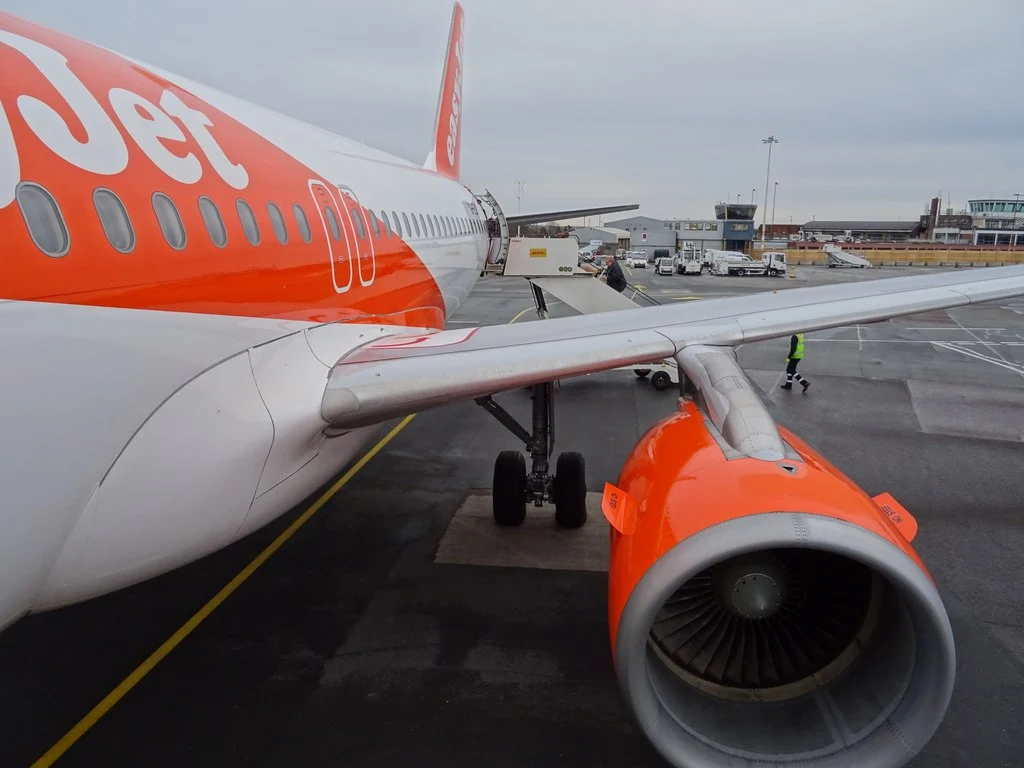
An easyJet (U2) flight travelling from Iceland to Italy diverted to Edinburgh Airport (EDI) on Wednesday after its pilots and cabin crew ran out of legally permitted duty hours. Flight U23970 was flying from Reykjavík–Keflavík Airport (KEF) to Milan Malpensa Airport (MXP) when the diversion happened, The Herald Scotland reported.
The crew reached their legal duty limit because of an earlier delay on a previous flight. This meant they could not legally continue flying all the way to Milan. easyJet chose to route the aircraft through Edinburgh instead, so a fresh crew could take over and finish the journey. The stop added roughly six hours to the total journey time, with the aircraft finally landing in Italy in the early hours of Thursday morning.
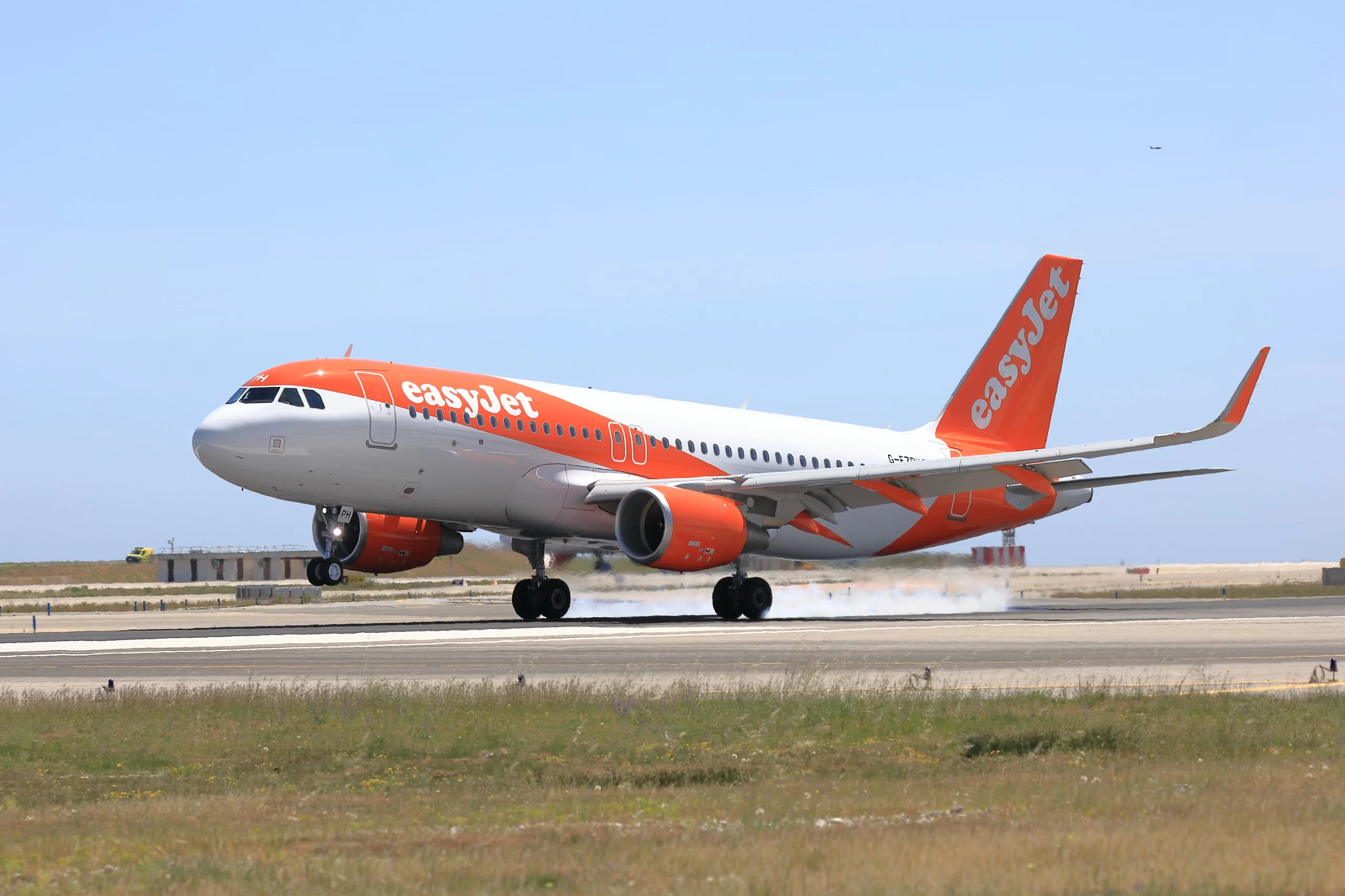
easyJet Flight U23970 Diverts to Edinburgh Airport for a Crew Change
Flight U23970 was never scheduled to touch down in Scotland. The service was meant to fly directly from Reykjavík–Keflavík Airport, Iceland’s main international gateway, to Milan Malpensa Airport, one of Italy’s busiest hubs. The aircraft instead diverted to Edinburgh Airport, Scotland’s busiest airport by passenger numbers.
Once on the ground, easyJet swapped in a new set of pilots and flight attendants. Only after the replacement crew boarded could the aircraft continue toward Milan. This kind of stop is known in the industry as a crew change or “slip” diversion. It happens when the working crew can legally fly the aircraft but cannot legally fly it all the way to its original destination.
The earlier delay pushed the crew close to their limit before they even left for Milan. Rather than cancel the sector outright, easyJet opted for the Edinburgh stop as the fastest way to get passengers to Italy.
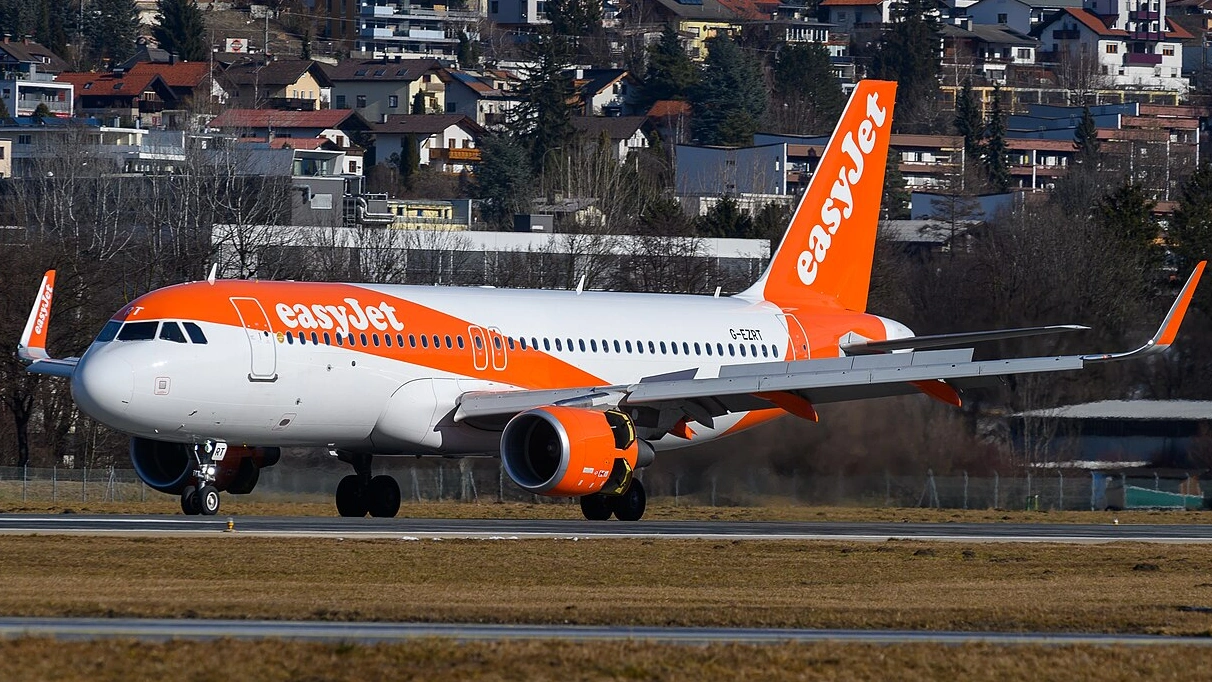
What Flight Time Limitations Mean for Passengers and Crew
Flight Time Limitations, often shortened to FTL, are legal rules that cap how long pilots and cabin crew can work, fly, and remain on duty. In the UK, these rules sit with the Civil Aviation Authority (CAA), which largely follows the framework set by the European Union Aviation Safety Agency (EASA). Both regulators built these limits to manage fatigue and protect flight safety, as the CAA explains on its flight time limitations page.
A standard daily duty period usually maxes out at 13 to 14 hours for a single or double crew. That ceiling can shift depending on how many flight sectors a crew works and what time of day their duty begins. An early-morning or late-night start typically shortens the allowable duty period even further.
These limits are not flexible guidelines. Once a crew reaches its cap, they are legally barred from operating another flight, regardless of how close they are to the destination. That rule is exactly what forced easyJet’s hand on Wednesday.
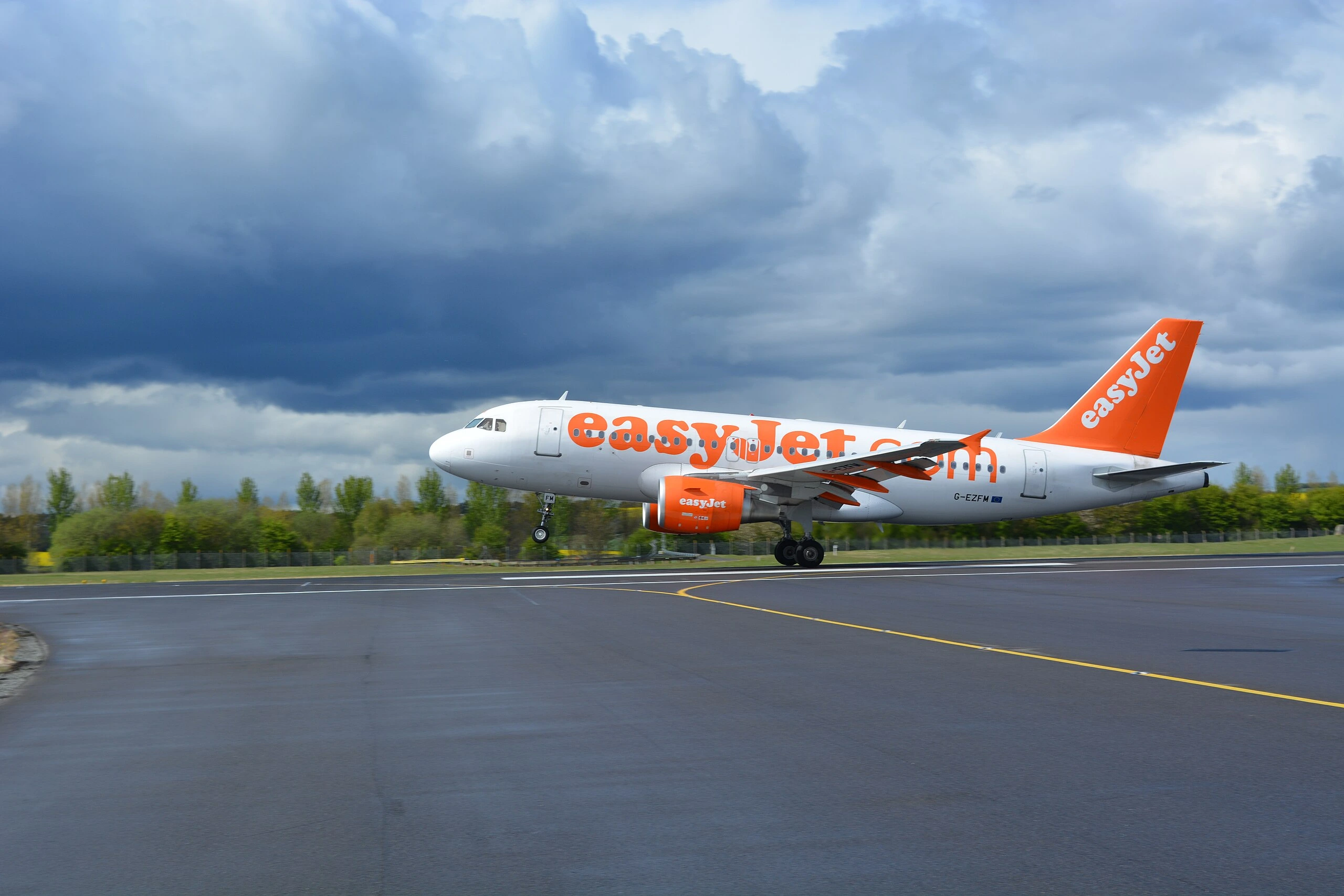
Flight Tracking Data Reveals the Six-Hour Delay into Milan
Flightradar24 tracking data cited by The Herald shows the aircraft landing in Edinburgh at 5pm on Wednesday. It sat on the ground for more than four hours before departing again at around 9:20pm that evening. The flight finally touched down at Milan Malpensa Airport at 3:05am on Thursday, almost six hours behind its original schedule.
The gap between landing and departing in Edinburgh reflects the time needed to source a fresh crew, brief them, and prepare the aircraft for a second takeoff. This kind of ground time is typical for crew-swap diversions, since airlines rarely keep a spare crew waiting at every airport a diverted flight might land at.
Passengers on board effectively spent the evening on the ground in Scotland rather than in the air. The six-hour delay places this diversion among the more disruptive FTL-related incidents that Scottish airports have handled in 2026.
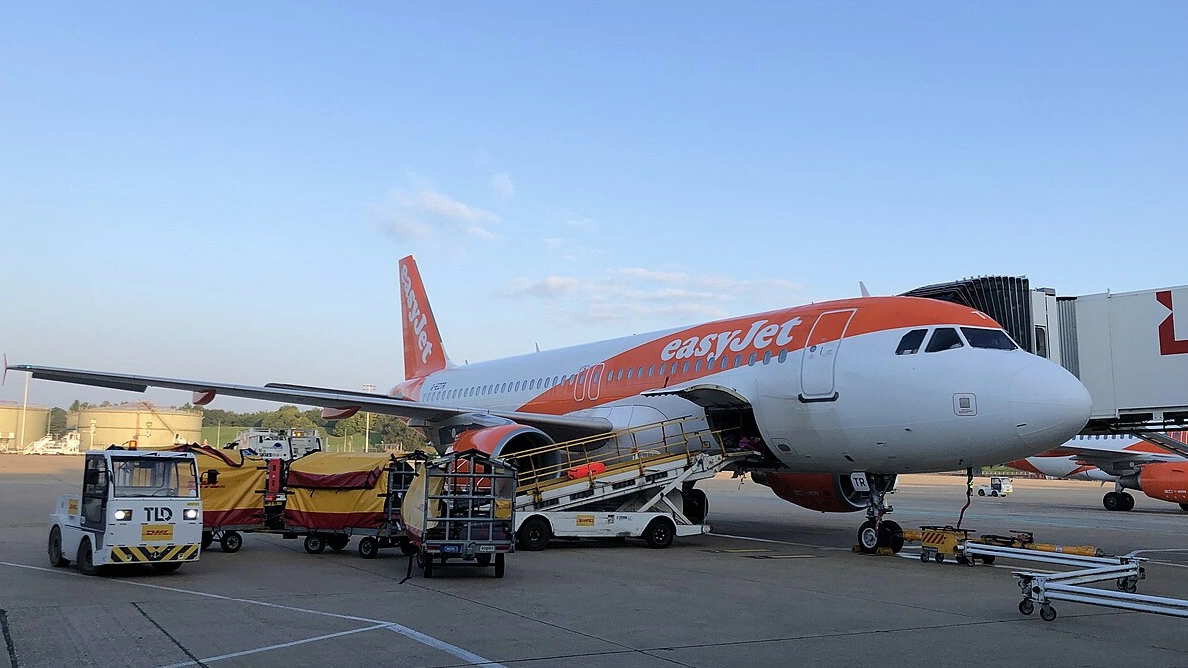
This is not the only easyJet flight to run into trouble over Scotland in recent months. Last month, easyJet flight from Palma de Mallorca bound for Glasgow was forced to divert to Liverpool due to a lack of fuel. That aircraft landed at Liverpool John Lennon Airport instead of Glasgow Airport, its intended destination.
easyJet described that stop as a “technical stop,” adding that this is “standard operating procedure.” In a separate message to passengers, the airline said the disruption was “outside of our control and is considered to be an extraordinary circumstance.” The airline also told travellers, “we plan to refuel and continue your flight as soon as possible.”
All in All
Passengers caught up in a crew-swap diversion like this one typically face a long wait rather than a cancelled trip. The process depends on the airline finding and briefing a replacement crew at the diversion airport, which can take several hours.
Under UK and EU passenger rights rules, compensation eligibility often depends on whether the cause of the delay counts as within the airline’s control. Crew duty limits are generally treated differently from weather or air traffic control restrictions, so affected passengers may want to check their specific entitlement with easyJet directly.
.jpg)


