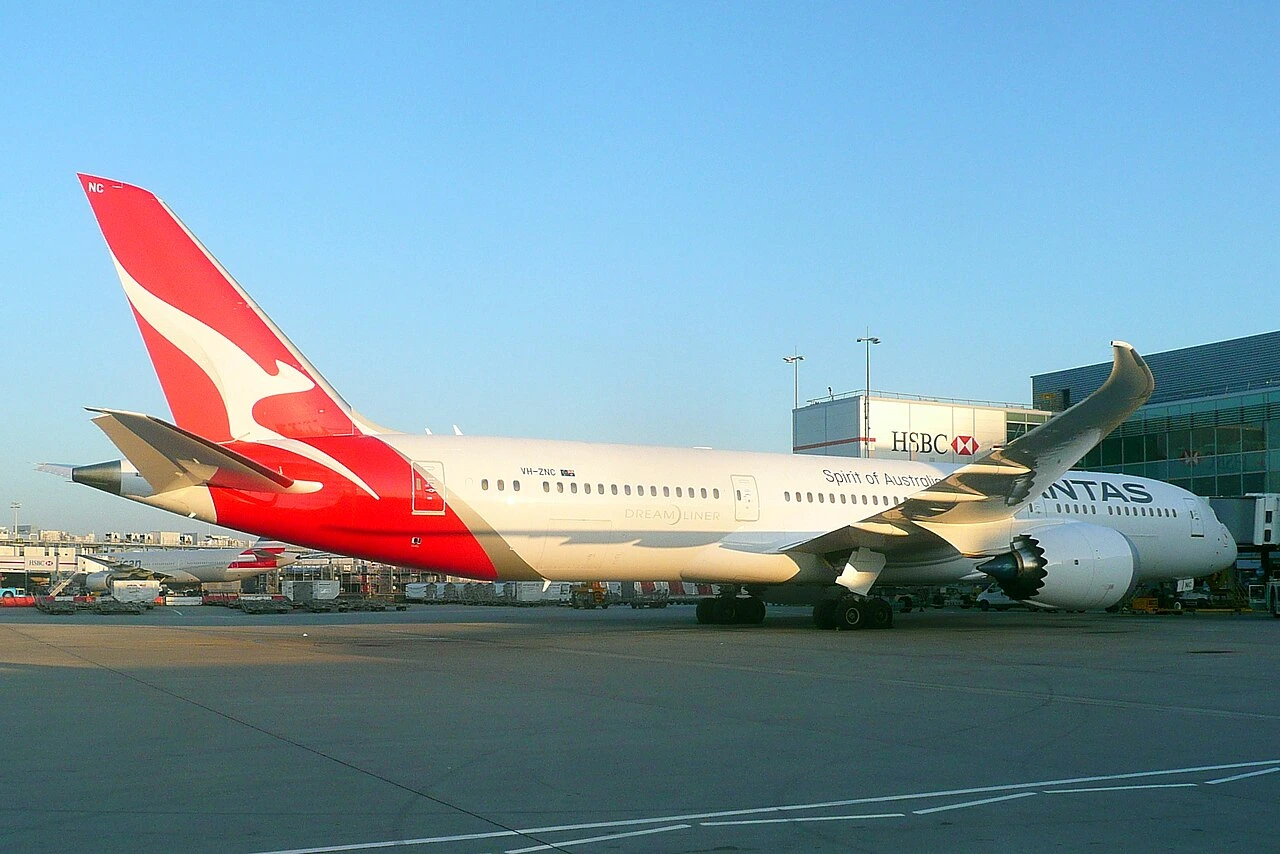
Qantas Airways (QF) has been named the world’s most punctual major airline for June 2026. Aviation data firm OAG confirmed the result, giving the Australian flag carrier an on-time performance (OTP) score of 87.16%, based on 22,617 flights that month. The ranking places Qantas ahead of Colombia’s Avianca (87.00%) and India’s IndiGo (86.64%) in the “major airline” category, which covers carriers operating more than 20,000 flights a month.
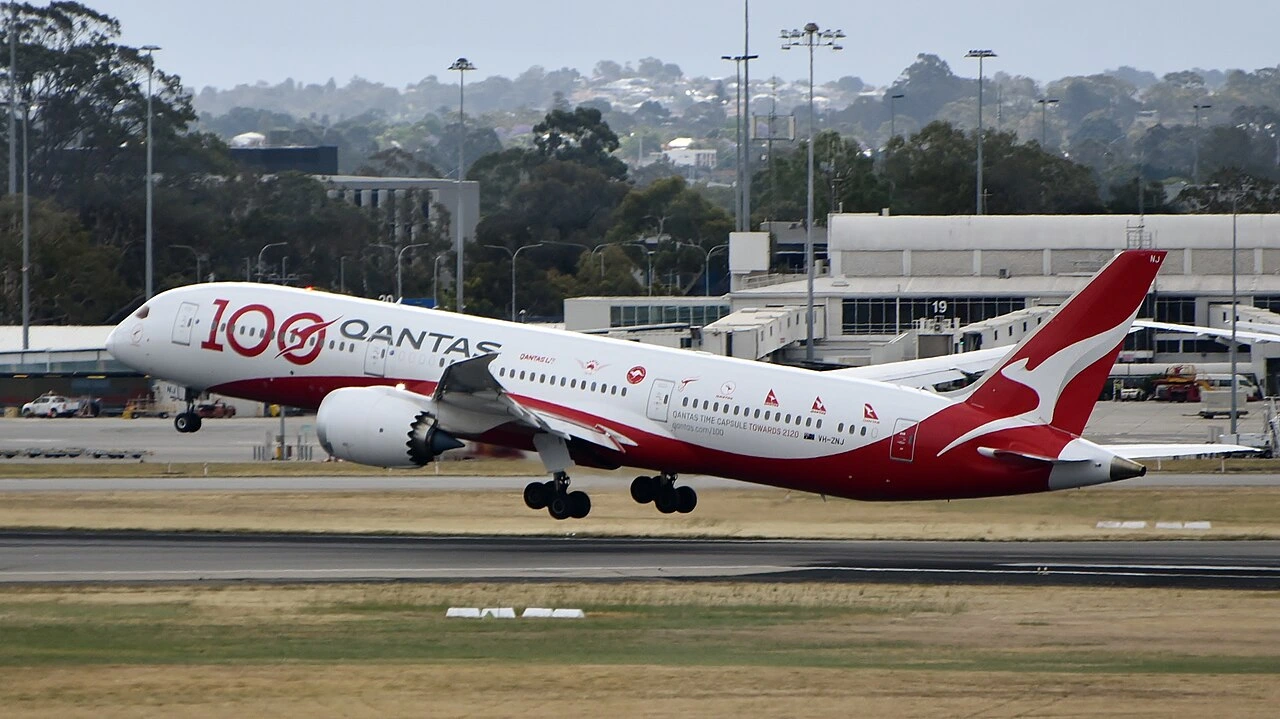
The result was announced on 9 July 2026, and it caps a run of strong performances rather than a single lucky month. Qantas finished second globally in April 2026 and third in May, meaning it has now placed in OAG’s global top three for five of the past six months. Three years ago, the same airline ranked 106th in the world for punctuality, a gap that frames just how far its operations have come.
_@_LHR,_2018-05-08.jpg)
What Qantas’s 87.16% On-Time Score Actually Measures
OAG’s monthly rankings track the share of flights that depart or arrive within 15 minutes of their published schedule. The “major airline” category applies to carriers flying more than 20,000 sectors a month, which puts Qantas alongside global giants such as Delta Air Lines and American Airlines rather than smaller regional operators.
Qantas’s 1.59% cancellation rate for June sat mid-table among the top carriers, better than SAS Scandinavian Airlines (2.04%) and Azul Airlines (2.54%), though behind IndiGo’s 0.20%. Within Australia, a Qantas spokesperson said almost 85% of domestic flights departed on time in June, the airline’s best domestic result since 2017.
The same spokesperson added that the international network also performed strongly, with 74% of flights departing on time and more than 87% arriving within 30 minutes of schedule. That domestic and international split matters, since Qantas operates both dense short-haul routes and some of the longest non-stop flights in the world.
Here are the rankings of the most punctual airlines in full:
| Rank | Airline | Region | On-Time Performance (OTP) | Cancellation Rate | Flights |
|---|---|---|---|---|---|
| 1 | Qantas Airways | Southwest Pacific | 87.16% | 1.59% | 22,617 |
| 2 | Avianca | Latin America: Upper South America | 87.00% | 0.97% | 22,910 |
| 3 | IndiGo | Asia: South Asia | 86.64% | 0.20% | 64,599 |
| 4 | SAS Scandinavian Airlines | Europe: Western Europe | 83.65% | 2.04% | 22,943 |
| 5 | Pegasus Airlines | Europe: Eastern/Central Europe | 83.10% | 0.26% | 20,121 |
| 6 | Azul Airlines | Latin America: Lower South America | 81.92% | 2.54% | 22,646 |
| 7 | LATAM Airlines Group | Latin America: Lower South America | 81.73% | 1.34% | 48,475 |
| 8 | Delta Air Lines | North America | 81.32% | 1.43% | 158,530 |
| 9 | China Southern Airlines | Asia: North East Asia | 80.89% | 0.31% | 62,991 |
| 10 | Alaska Airlines | North America | 80.38% | 0.76% | 47,548 |
| 11 | Japan Airlines | Asia: North East Asia | 79.85% | 3.58% | 25,289 |
| 12 | Hainan Airlines | Asia: North East Asia | 78.25% | 2.87% | 20,747 |
| 13 | JetBlue Airways | North America | 77.66% | 1.27% | 28,061 |
| 14 | All Nippon Airways | Asia: North East Asia | 77.11% | 3.29% | 24,928 |
| 15 | KLM Royal Dutch Airlines | Europe: Western Europe | 75.64% | 2.88% | 22,628 |
| 16 | China Eastern Airlines | Asia: North East Asia | 75.16% | 3.51% | 64,684 |
| 17 | United Airlines | North America | 75.00% | 1.17% | 156,494 |
| 18 | Deutsche Lufthansa AG | Europe: Western Europe | 74.49% | 1.45% | 31,422 |
| 19 | American Airlines | North America | 72.21% | 3.10% | 202,446 |
| 20 | Air France | Europe: Western Europe | 71.95% | 1.04% | 23,757 |
| 21 | Frontier Airlines | North America | 70.97% | 1.50% | 20,194 |
| 22 | British Airways | Europe: Western Europe | 70.07% | 2.01% | 26,395 |
| 23 | Ryanair | Europe: Western Europe | 69.74% | 0.12% | 112,420 |
| 24 | Air Canada | North America | 69.26% | 4.40% | 34,067 |
| 25 | easyJet | Europe: Western Europe | 65.71% | 1.33% | 56,054 |
| 26 | Southwest Airlines | North America | 64.94% | 0.53% | 124,517 |
.jpg)
How Qantas Climbed from 106th to No. 1 in Three Years
Qantas’s post-pandemic years were difficult well beyond punctuality. Staff shortages, grounded aircraft, congested airports and a demand surge nobody had planned for combined to create widespread delays and cancellations, badly denting the airline’s reputation with travellers.
Since becoming chief executive in 2023, Vanessa Hudson has made operational reliability the clearest priority of her tenure. Her approach has been described as methodical rather than dramatic, built on steady process changes instead of a single fix.
The recovery shows up in the data. Qantas moved from a 106th-place global ranking three years ago to first place in June 2026, a turnaround that industry observers say reflects sustained investment across scheduling, staffing and fleet management rather than a short-term push.
The Operational Playbook Qantas Used to Cut Delays
Several concrete changes underpin Qantas’s improved punctuality. According to reporting on the airline’s operations, the carrier has combined technology, ground-process changes and fleet renewal to reduce the delays that used to cascade across its schedule.
Key measures include:
- Using artificial intelligence tools to manage daily flight operations and anticipate disruptions before they cascade.
- Overhauling ground turnaround procedures at major airports to speed up aircraft readiness between flights.
- Tightening crew and aircraft allocation so replacement crews and spare aircraft are available closer to where they are needed.
- Boarding some aircraft through two doors at once, cutting the time spent at the gate.
- Continuing a AU$15 billion fleet renewal program, replacing older aircraft with new Airbus A220s and A321XLRs.
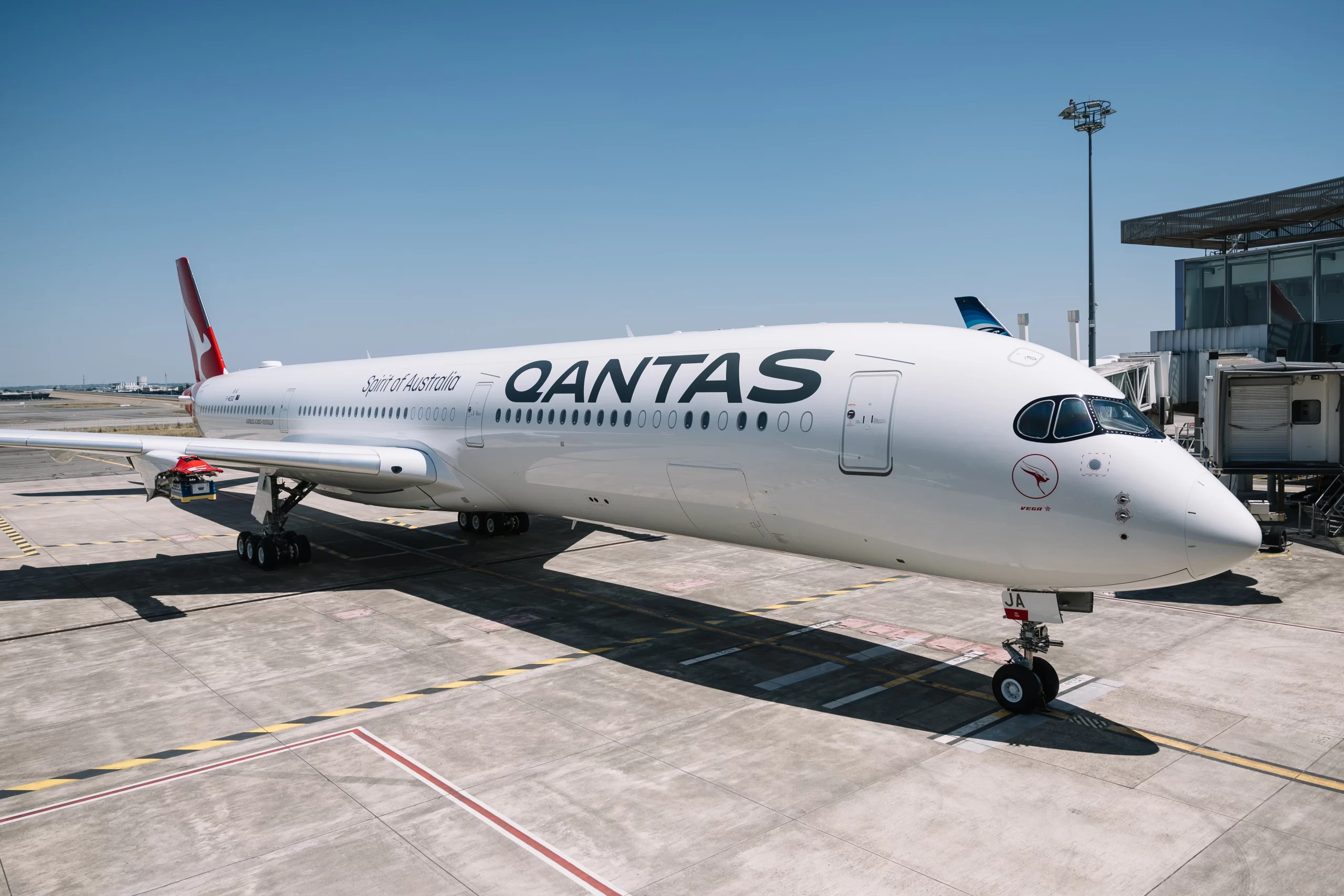
The fleet renewal piece is already visible on Qantas’s network. The airline’s Airbus A321XLRs, which entered domestic service between Sydney, Melbourne and Perth in late 2025, run on newer Pratt & Whitney engines and have already begun replacing Qantas’s ageing Boeing 737 fleet, which averages more than 17 years old. Newer aircraft need fewer unscheduled repairs, which supports tighter, more reliable schedules.
How Qantas’s Punctuality Measures Compare with Rival Airlines
Qantas is not alone in treating turnaround speed as a competitive edge. Second-placed Avianca and third-placed IndiGo, both of which beat Qantas on cancellations in June, have taken different routes to strong punctuality.
IndiGo, which came third in the June rankings, has built its reputation on a single-aircraft-family fleet of Airbus A320s and A321s. That standardisation simplifies crew training and maintenance, and the airline uses a similar two-door boarding technique to Qantas, cutting deboarding time through an additional front door on select aircraft. IndiGo has also introduced a third ramp system at remote aircraft stands, shaving three to five minutes off turnaround at some of its busiest airports.
Further down the June table, the contrast becomes clearer. American Airlines, Air Canada and easyJet, ranked 19th, 24th and 25th respectively, all recorded on-time rates below 73%, alongside cancellation rates as high as 4.40% for Air Canada. The gap between the top and bottom of the table underscores how much operational discipline, rather than network size alone, separates the most and least punctual major carriers.
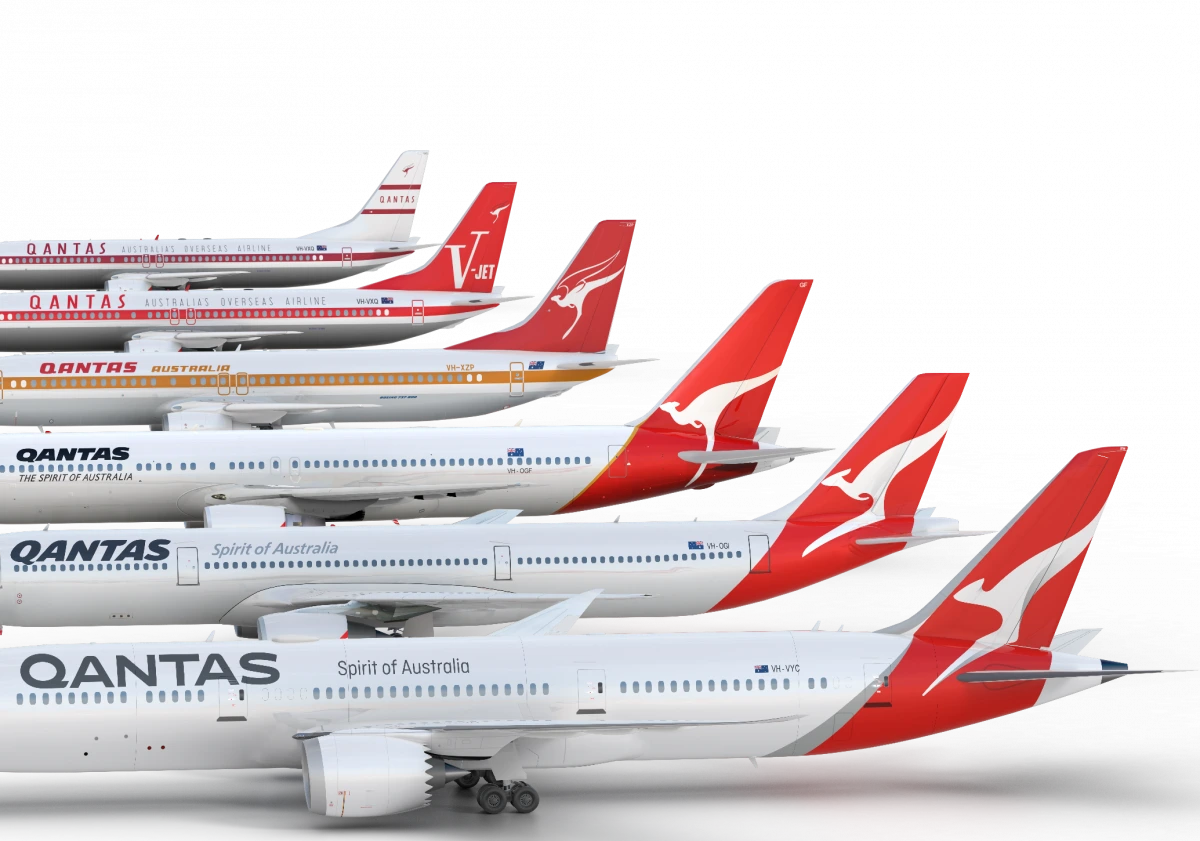
Domestic Rivals Also Delivered Strong Results in June
Qantas was not the only Australasian airline to post solid punctuality numbers in June. In the “large airline” category, covering carriers with 10,000 to 20,000 monthly flights, Air New Zealand placed eighth globally with an OTP of 84.42%, ahead of Virgin Australia in 18th (80.12%) and Qantas’s budget offshoot Jetstar in 24th (75.86%), KarryOn reported.
That gap between Qantas and Jetstar is worth noting. Despite sitting under the same parent company, Jetstar’s punctuality recovery has lagged behind the mainline brand, even though Jetstar posted the lowest cancellation rate of Australasia’s major carriers at just 0.77%.
In the broader “all airlines” category, which includes smaller operators flying more than 1,500 flights a month, Indonesia’s Garuda Indonesia topped the table with a 97.13% OTP, ahead of Japan’s Fuji Dream Airlines (93.29%) and South Africa’s FlySafair (93.18%). Those results show that smaller, more contained networks can post even higher on-time rates than global carriers like Qantas.
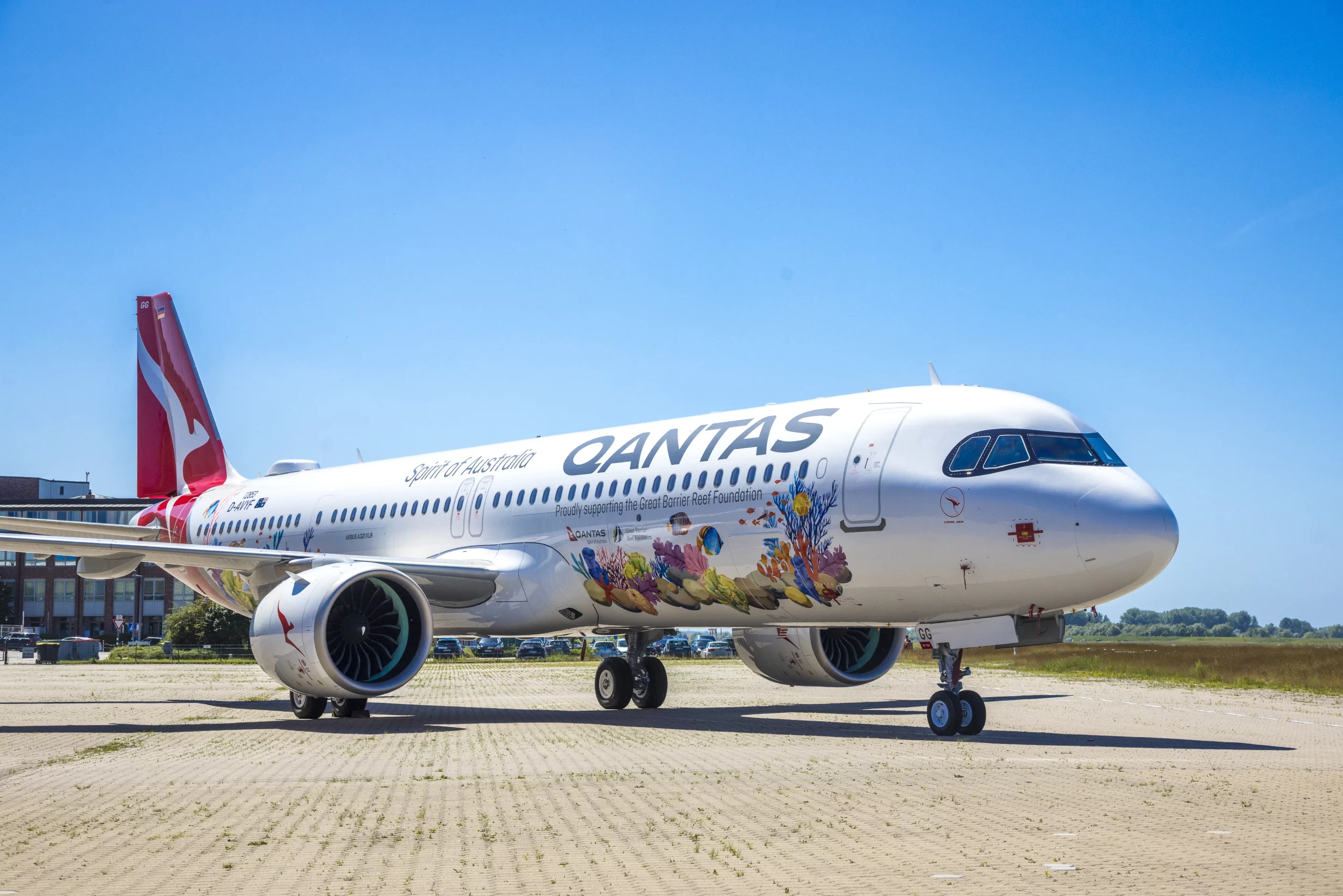
Why The Milestone Follows a Turbulent Post-Pandemic Period
Qantas’s punctuality result lands alongside other signs of a broader reputational recovery. In May 2026, Brand Finance’s Airlines 50 report ranked Qantas as the 13th most valuable airline brand in the world, with its brand value rising 24% to US$3.2 billion, the airline’s highest global ranking since 2019.
That positive trend has not been universal. Separate research by Roy Morgan named Qantas the fifth most distrusted brand in Australia in early June 2026, a finding that runs counter to the punctuality and brand-value results. The contrast suggests that operational improvements have not yet fully repaired trust built up over the airline’s difficult post-pandemic years.
Cost pressures are also mounting even as punctuality improves. Higher fuel prices linked to conflict in the Middle East are expected to add around AU$800 million to Qantas’s expenses in the second half of the 2026 financial year, and longer flight routings around restricted airspace are adding further strain to international operations.
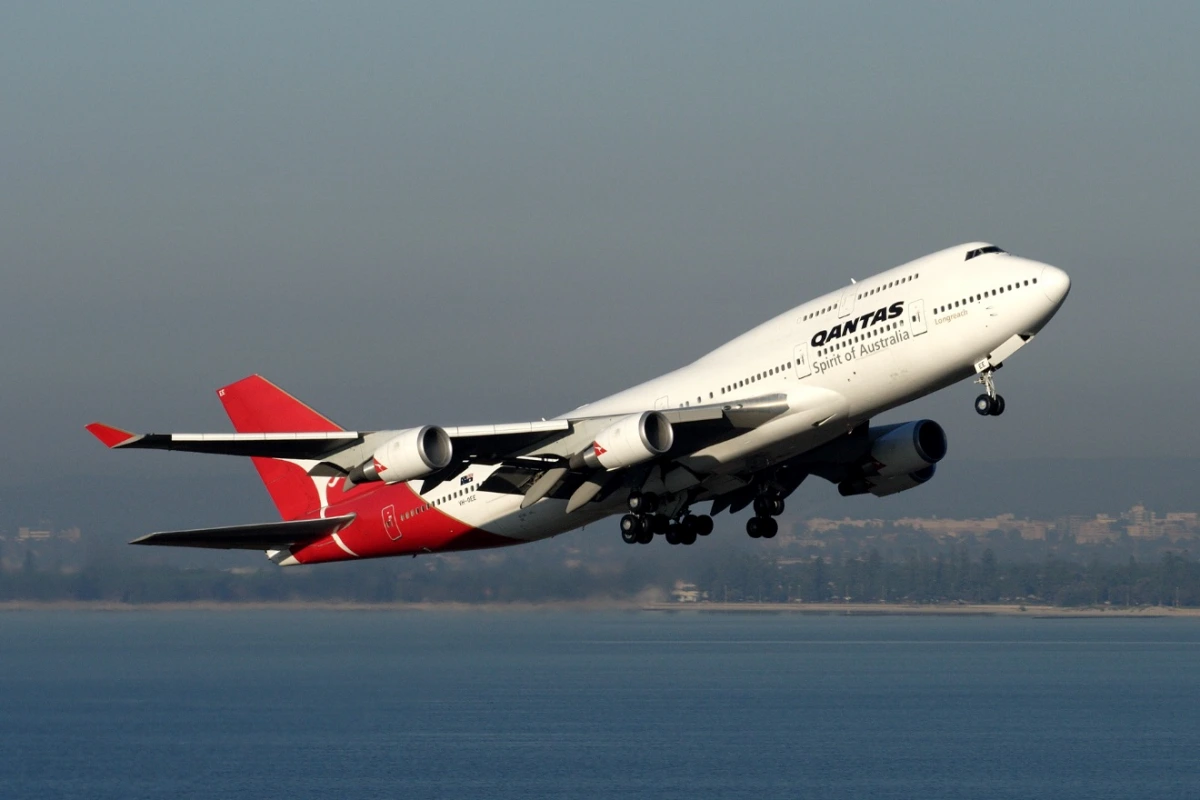
How Other Outlets Have Covered Qantas’s Punctuality Run
Coverage of Qantas’s climb up the OAG rankings has evolved as the airline’s results improved through 2026. In May, Australian Aviation and other outlets reported Qantas’s second-place finish for April, framing it as a reputational turnaround after a difficult post-pandemic stretch for the airline.
By July, once Qantas had reached the top spot, coverage shifted from incremental improvement to a broader comeback narrative. DMARGE described the result as one of aviation’s biggest comebacks, tracing the airline’s path from a 106th-place ranking three years earlier to global leadership in June. KarryOn’s coverage stayed closer to the raw data, publishing OAG’s full monthly table alongside commentary on what consistent punctuality means for travel advisors and travellers.
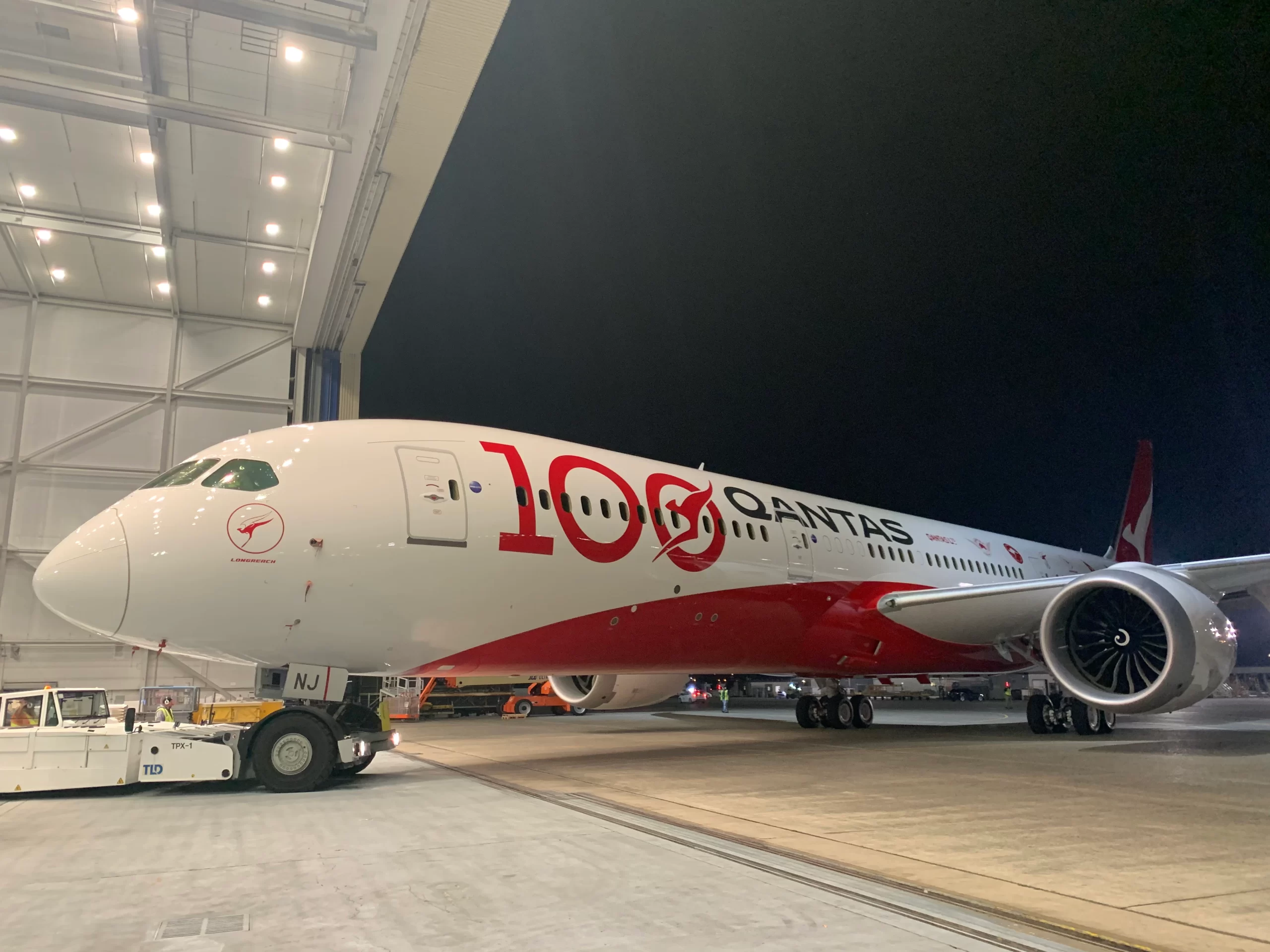
What Comes Next for Qantas
Qantas Domestic chief executive Markus Svensson has signalled that reliability remains a core priority even as external cost pressures build, suggesting the airline does not see June’s result as a finishing point. Sustaining a top-three global ranking through a financially pressured second half of the year is now the more difficult test.
The airline’s fleet renewal program continues to roll out newer, more reliable aircraft, which should support further gains in punctuality over time. Qantas is also weighing an additional widebody order, choosing between Boeing 787 Dreamliners and the Airbus A350-900, as part of its long-term fleet strategy.
For now, Qantas holds a rare position among major global airlines: the most punctual carrier in its size category, at a moment when many larger rivals are still working through post-pandemic congestion and staffing constraints.