AirAsia (AK) has officially become AirAsia Group Berhad. The formal switch from AirAsia X Berhad took effect on 2 July 2026, after Malaysia’s Companies Commission registered the new name. Shareholders approved the change at the company’s 19th Annual General Meeting on 25 June 2026, in Kuala Lumpur, Malaysia.
The new name marks more than a corporate rebrand. It confirms that AirAsia’s short-haul and long-haul businesses now sit under one listed entity, positioning the carrier to pursue its long-stated goal of becoming the world’s first low-cost network carrier. The announcement was made public on 9 July 2026, and it caps a restructuring process that has run since early 2026.

What The Name Change from AirAsia X Berhad Covers
AirAsia X Berhad was the listed, long-haul arm of the AirAsia business, flying widebody aircraft on routes beyond Southeast Asia. Under the new AirAsia Group Berhad name, that same listed company now serves as the holding structure for the group’s full airline operations.
The switch does not create a new airline. It reorganises how the existing AirAsia carriers report and operate under one corporate umbrella. Flights, fares and loyalty programmes continue to run under familiar AirAsia branding for passengers.
On Malaysia’s Bursa exchange, the company trades under the ticker AAX. According to KLSE Screener, its share price stood at RM1.13 on the day of the announcement, giving it a market capitalisation of roughly RM3.79 billion.
For passengers, the rebrand changes little in the short term. Bookings, loyalty points and customer service channels continue as before, since the change applies to the parent company rather than to individual flying certificates. Regulators in each of AirAsia’s home markets still license the underlying airlines separately, including AirAsia Berhad in Malaysia and Thai AirAsia in Thailand.
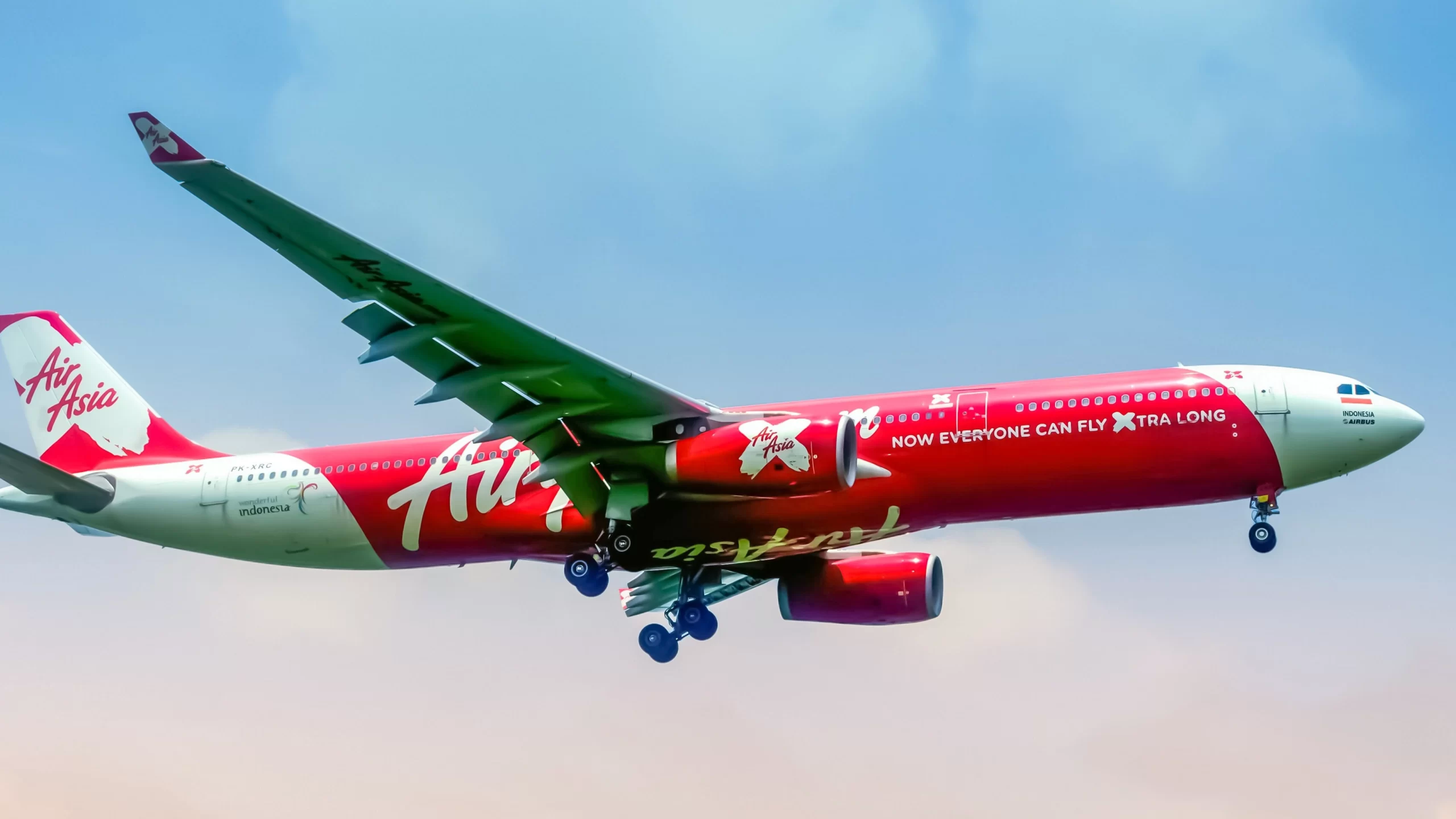
Why AirAsia Group Wants to Be the First Low-Cost Network Carrier
A network carrier typically connects passengers across a hub through coordinated schedules and interline agreements, a model usually associated with full-service airlines. AirAsia Group aims to run this same model on a low-cost cost base, something no budget airline has achieved at global scale.
The strategy centres on connecting traffic through Kuala Lumpur International Airport (KUL) and Bangkok, letting passengers transfer between short-haul and long-haul AirAsia flights on a single itinerary. Group CEO Bo Lingam has pointed to strong demand across Asean destinations and continued emphasis on this so-called Fly-Thru connectivity.
AirAsia first outlined the low-cost network carrier ambition publicly in February 2024, describing a hub-and-spoke model built around virtual hubs across Asia, Europe, Africa and the United States. The rebrand carries that plan into its next phase.
No other budget carrier has combined a hub-and-spoke, interline-style network with low-cost pricing at global scale. Ryanair and easyJet in Europe, and Southwest in the United States, have largely stayed point-to-point rather than building transfer hubs. AirAsia’s bet is that its Kuala Lumpur and Bangkok hubs, paired with a single low-cost brand, can close that gap.
Leadership Reaction to the Rebrand
Chairman Tan Sri Jamaludin Ibrahim described the shareholder vote as a vote of confidence in the group’s direction. He called the name change “a defining milestone in our ambition to become the world’s first low-cost network carrier”.
He linked the new structure directly to AirAsia’s short- and medium-haul network, saying it lets the group unify its airlines to improve connectivity and passenger journeys. He added that a larger fleet and broader route network should unlock new growth opportunities for shareholders and guests.
Group advisor Tony Fernandes has framed the consolidation in similar terms since the process began. He described the goal as returning to “one airline group and one brand,” with Capital A repositioned as a separate, non-aviation holding company once the aviation assets moved to AirAsia Group.
How The Consolidation Happened
The rebrand is the final step of a longer restructuring at Capital A Berhad, AirAsia’s former parent company. AirAsia X completed its acquisition of AirAsia Berhad and AirAsia Aviation Group from Capital A on 18 January 2026, consolidating short- and medium-haul operations under one listed entity.
The deal was settled through the issuance of 2.31 billion new AirAsia X shares to Capital A and its shareholders. AirAsia X also assumed RM3.8 billion in debt that Capital A previously owed to AirAsia Berhad.
The Companies Commission of Malaysia approved reservation of the AirAsia Group name on 24 February 2026. The board then filed its formal name-change proposal with Bursa Malaysia on 24 April 2026, ahead of shareholder approval in June. Capital A is separately working to exit its Practice Note 17 financial distress classification after four consecutive profitable quarters.
Practice Note 17 status applies to Bursa-listed companies facing serious financial difficulty, and it carries extra reporting and compliance requirements. Capital A entered this category after pandemic-era losses eroded its shareholders’ equity. Shifting the airline business to AirAsia Group, a separately capitalised entity, was one part of the wider plan to resolve that status.
Fleet And Network Strategy Behind the Low-Cost Network Carrier Model
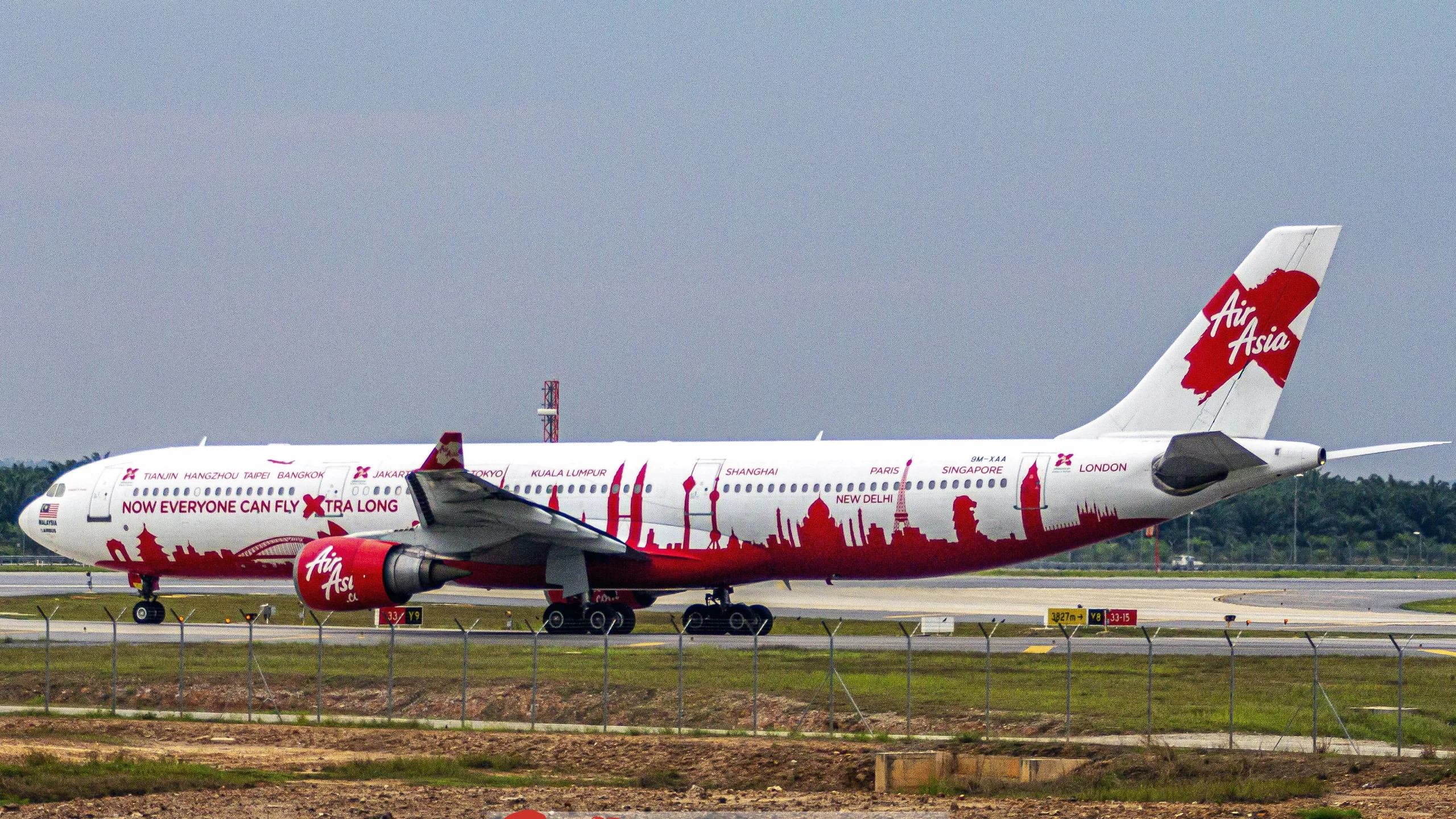
AirAsia Group’s low-cost network carrier plan rests on a large, standardized fleet built almost entirely around Airbus aircraft. The group’s order book supports this scale-first approach across both short-haul and long-haul flying.
Key fleet and network figures include:
- An orderbook that has included 647 Airbus aircraft, made up of 612 A320-family jets and 35 A330-family widebodies, alongside further A321neo, A321XLR and A330neo deliveries.
- A record order for 150 Airbus A220 aircraft, with options for 150 more, intended to complete the fleet strategy for a narrowbody global low-cost network carrier and phase out the A330 fleet over time
The A220 order, confirmed in May 2026 at an Airbus ceremony in Mirabel, Canada, will free up A320 and A321 aircraft for medium-haul routes once deliveries begin in 2028. It also frees A330s for longer-haul flying into Europe, Australia and North America.
Market Reaction and Stock Performance
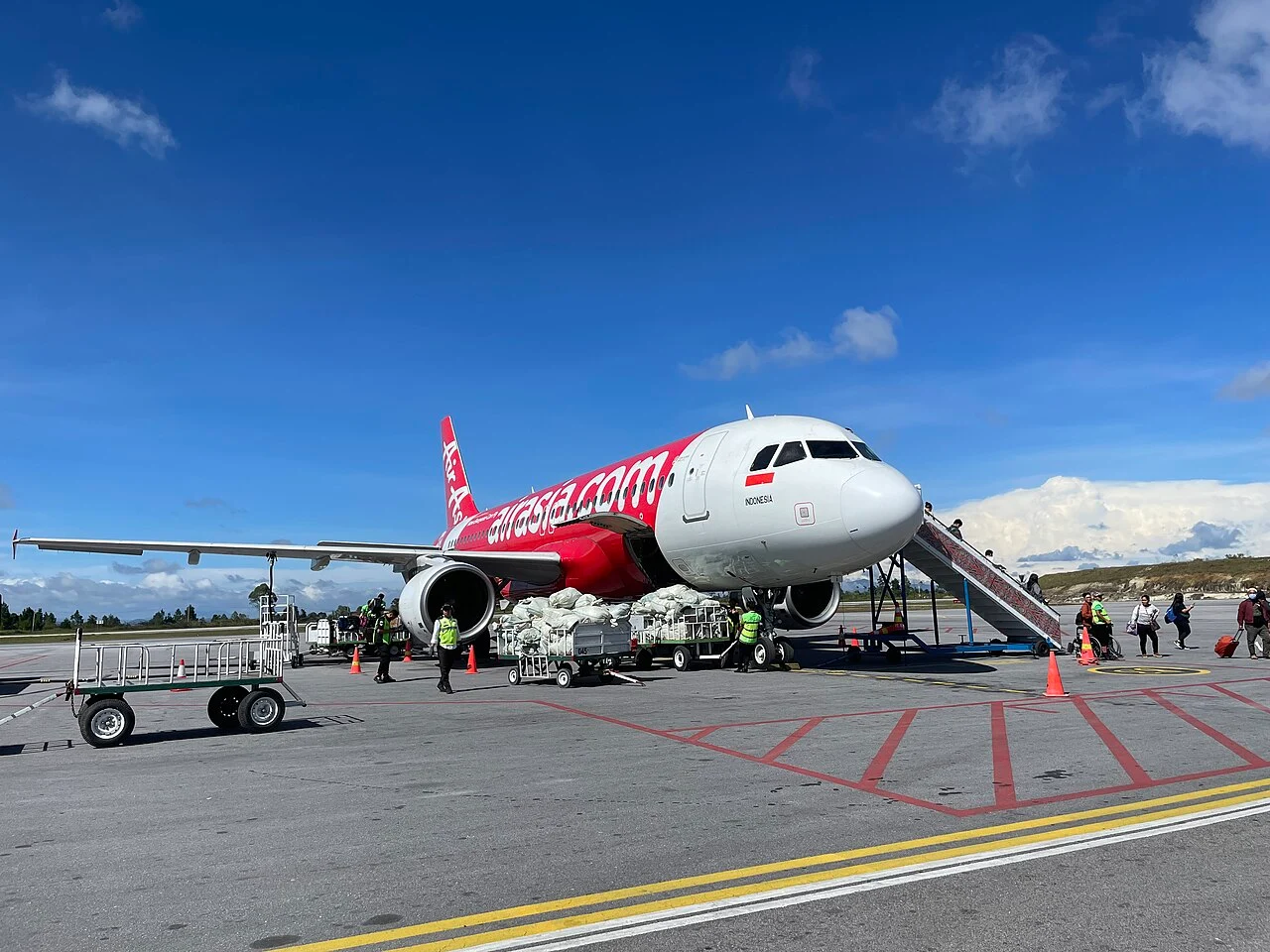
AirAsia Group shares fell 0.1 sen to RM1.13 on the day the name change was confirmed, keeping the stock roughly flat around the announcement. The move gave the company a market capitalisation of about RM3.79 billion.
The stock has fallen 35% since the start of 2026, according to the same report. That decline reflects the broader restructuring period the company has gone through, including the debt assumption tied to the Capital A asset transfer.
Investors have so far treated the rebrand as a formality rather than a fresh catalyst. The bigger financial questions center on how quickly the group can convert its consolidated network into improved earnings.
.jpg)


.jpg)

.jpg)
