Ask three different pilot-pay trackers what an Air Canada (AC) captain earns and the numbers won’t line up. That’s not sloppy reporting — Air Canada pay is set through a collective agreement between the airline and its pilots’ union, and the exact hourly pay tables aren’t published in full. Every figure below is a reconstruction from union-adjacent salary trackers, job boards, and reported contract terms, not a leaked pay scale.
That reconstruction got a lot more generous in October 2024. Air Canada’s pilots, represented since May 2023 by the Air Line Pilots Association (ALPA) after the former Air Canada Pilots Association voted to merge into the larger US-based union, ratified a new agreement that delivered a 42 percent pay increase over four years, according to CBC reporting cited by Simple Flying. Older salary guides written before that contract phased in are now simply out of date.
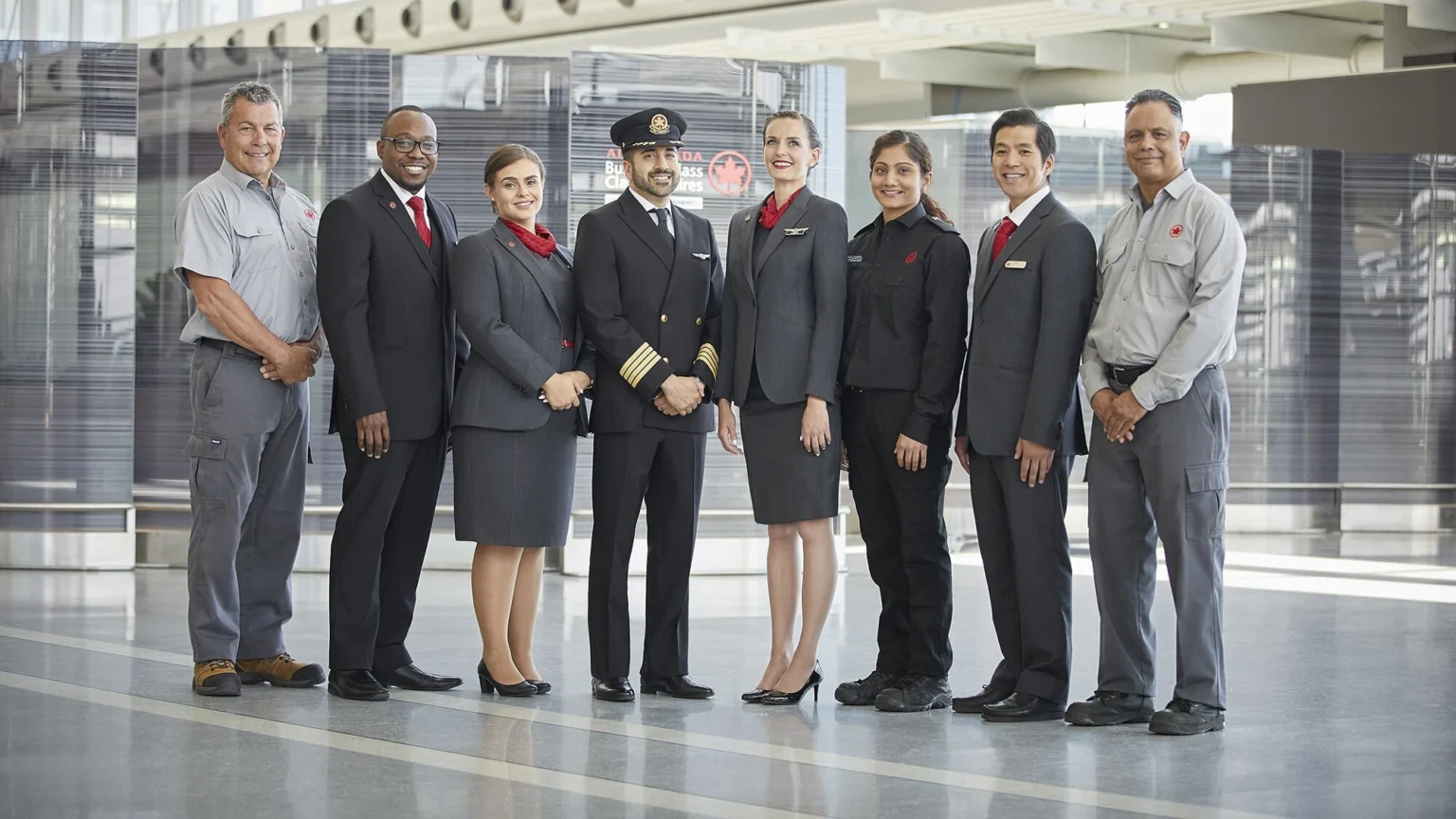
The Money Offered to Air Canada’s Pilots
First Officers appear to earn somewhere in the C$85,000–C$248,000 range annually, depending on aircraft type, seniority step, and which tracker is doing the estimating. One current breakdown puts entry-level First Officer pay at roughly C$87.48 per flying hour in year one, which works out to about C$78,700 on a standard 75-hour monthly credit, climbing toward C$248,000 for senior First Officers on the airline’s top-paying widebody fleets. A separate, more conservative tracker puts base First Officer pay at C$85,000–C$155,000, explicitly excluding per diems and profit-sharing.
Captains cluster higher, with a wide spread depending on fleet. Top-of-scale Boeing 777 Captains reportedly reach roughly C$424.60 per flying hour by year twelve, which annualizes to around C$382,000 on a 75-hour month.
A separate estimate built directly around the October 2024 contract puts senior 777 Captain gross pay closer to C$286,000, while a more conservative base-pay-only tracker places the Captain range at C$190,000–C$305,000. The gap between these figures comes down largely to whether per diems, profit-sharing, and above-guarantee flying hours are folded in, or whether the number reflects contractual base pay alone.
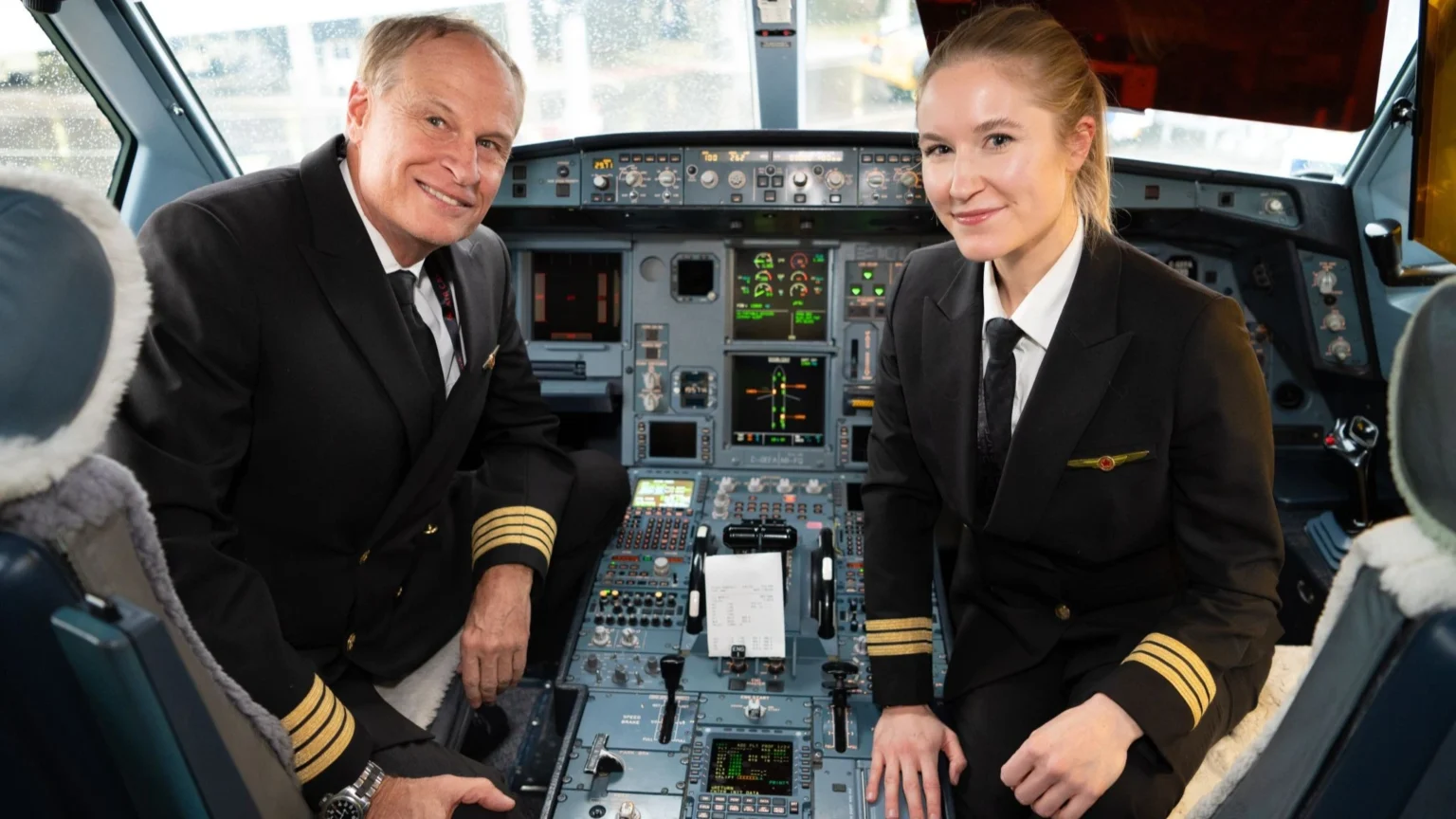
Why The Numbers Don’t Line Up
Air Canada pay is built around flying hours credited each month, multiplied by an hourly rate that climbs with both seniority year and aircraft type — a narrow-body A220 First Officer and a widebody 777 First Officer at the identical seniority year are not paid the same hourly rate.
Pilots retain their years of service when they upgrade from First Officer to Captain at mainline, so a pilot with five years of seniority who upgrades receives fifth-year Captain pay rather than starting the Captain scale from zero. That is different from Air Canada Rouge, the airline’s leisure subsidiary, where an upgrading First Officer resets to Step 1 on the Captain scale unless prior mainline command time carries forward.
Additional pay sits on top of the base hourly rate: overtime for flying beyond the monthly guarantee, per diems for layovers, and — for eligible pilots — profit-sharing tied to Air Canada’s annual results. None of these show up on a simple base-pay table, which is a large part of why published salary ranges disagree with each other so consistently.

The Pension and Contract Layer Most Guides Skip
Air Canada runs two different retirement structures depending on hire date. Pilots hired before August 1, 2012 are on a defined-benefit pension indexed to the Consumer Price Index.
Pilots hired after that date are on a defined-contribution plan, where the pilot contributes 3 to 6 percent of earnings and Air Canada matches 100 percent for the first two years, 137.5 percent from year two to five, and 175 percent after five years of service — a matching structure that meaningfully compounds long-term retirement value beyond the headline salary figures above.
The 2023 ACPA-to-ALPA merger also matters for context: Air Canada and Rouge pilots are now represented by the world’s largest pilot union rather than a standalone in-house association, a shift that reporting connects to the scale of the October 2024 contract gains.
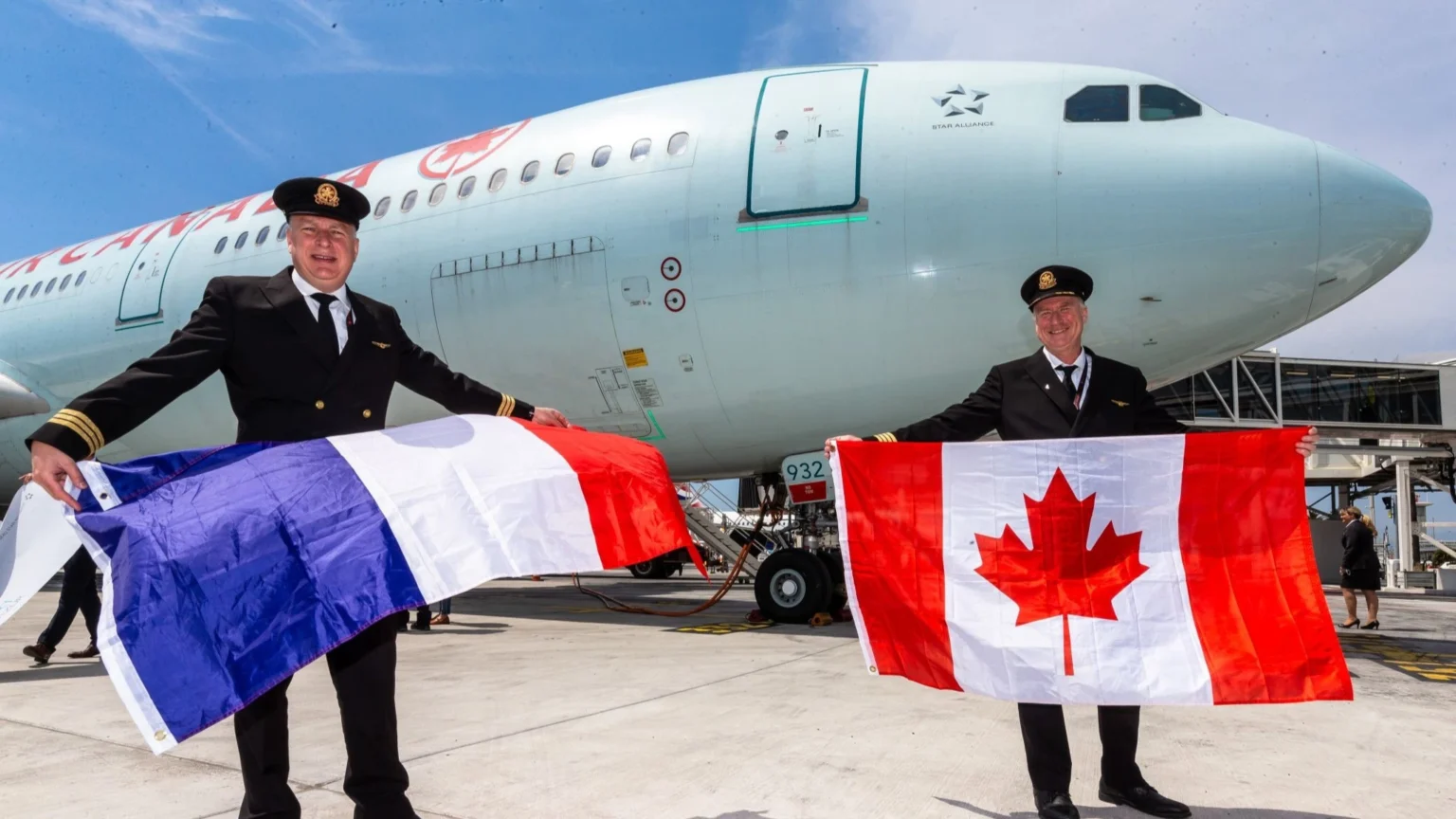
The Fleet You’d Actually Fly
Air Canada’s mainline passenger fleet runs to roughly 216 aircraft across nine types, with the balance shifting steadily toward Airbus narrow-bodies and a growing widebody order book:
| Aircraft Type | In Service | On Order |
|---|---|---|
| Airbus A220-300 | 42 | 23 |
| Airbus A320-200 | 14 | 2 |
| Airbus A321-200 | 21 | 13 |
| Airbus A321XLR | 6 | 24 |
| Airbus A330-300 | 20 | – |
| Airbus A350-1000 | – | 8 |
| Boeing 737 MAX 8 | 45–49 | 5 |
| Boeing 777-200LR | 6 | – |
| Boeing 777-300ER | 19 | – |
| Boeing 787-8 | 8 | – |
| Boeing 787-9 | 32 | – |
| Boeing 787-10 | – | 14 |
| Heart ES-30 | – | 30 |
The renewal program is genuinely active rather than a marketing line. The entire 737 MAX 8 fleet is being progressively transferred to Air Canada Rouge through 2026 and 2027, while A320-family jets move the other direction, from Rouge back to mainline.
The first A321XLR entered commercial service in mid-2026 on the Montreal–Toulouse route, with the type set to open new thin transatlantic markets the airline’s 737s and A330s cannot serve as efficiently. Air Canada is also weighing a widebody decision between additional A350-1000s and the Boeing 777-9, though 777X delivery delays across the industry make that timeline uncertain.
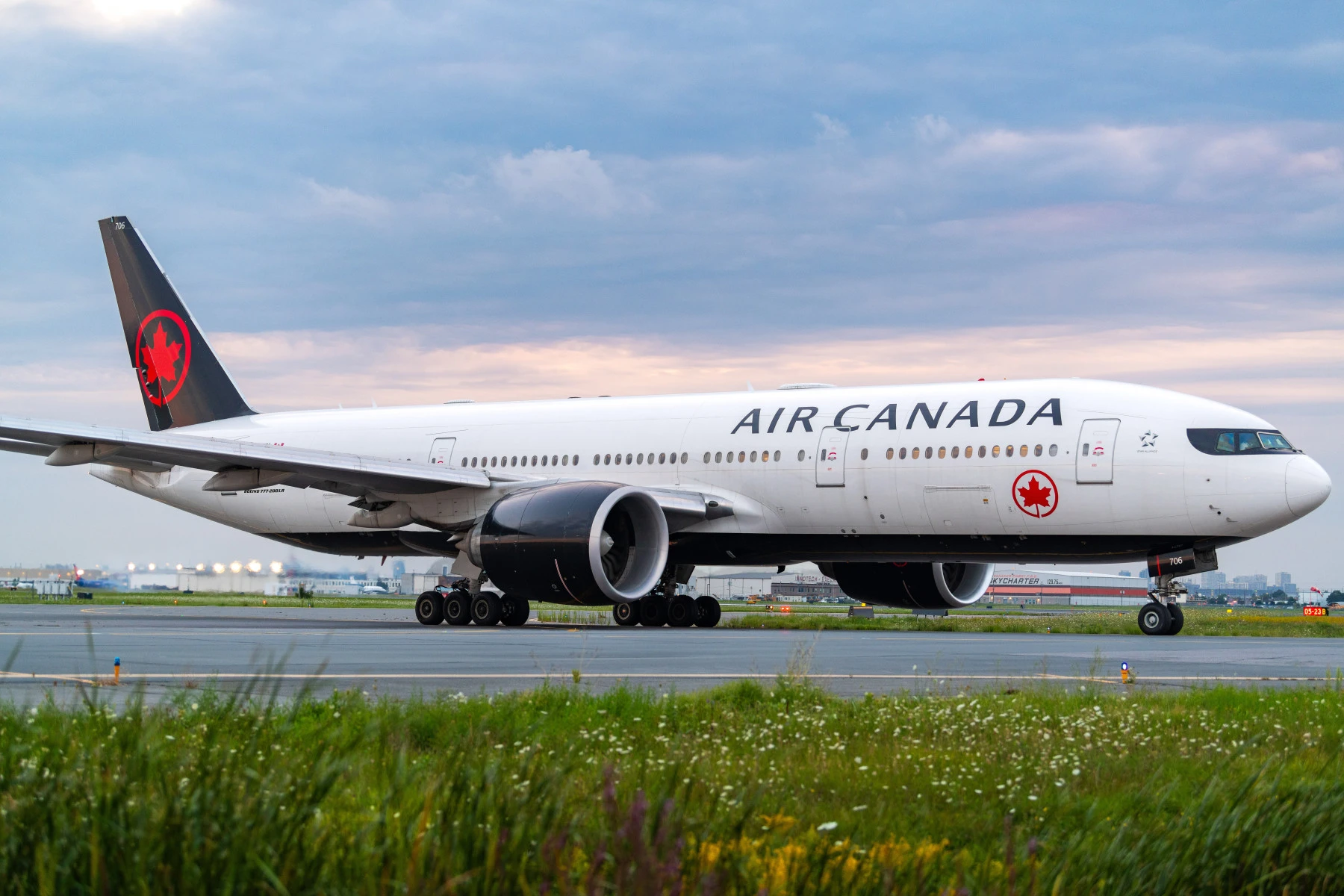
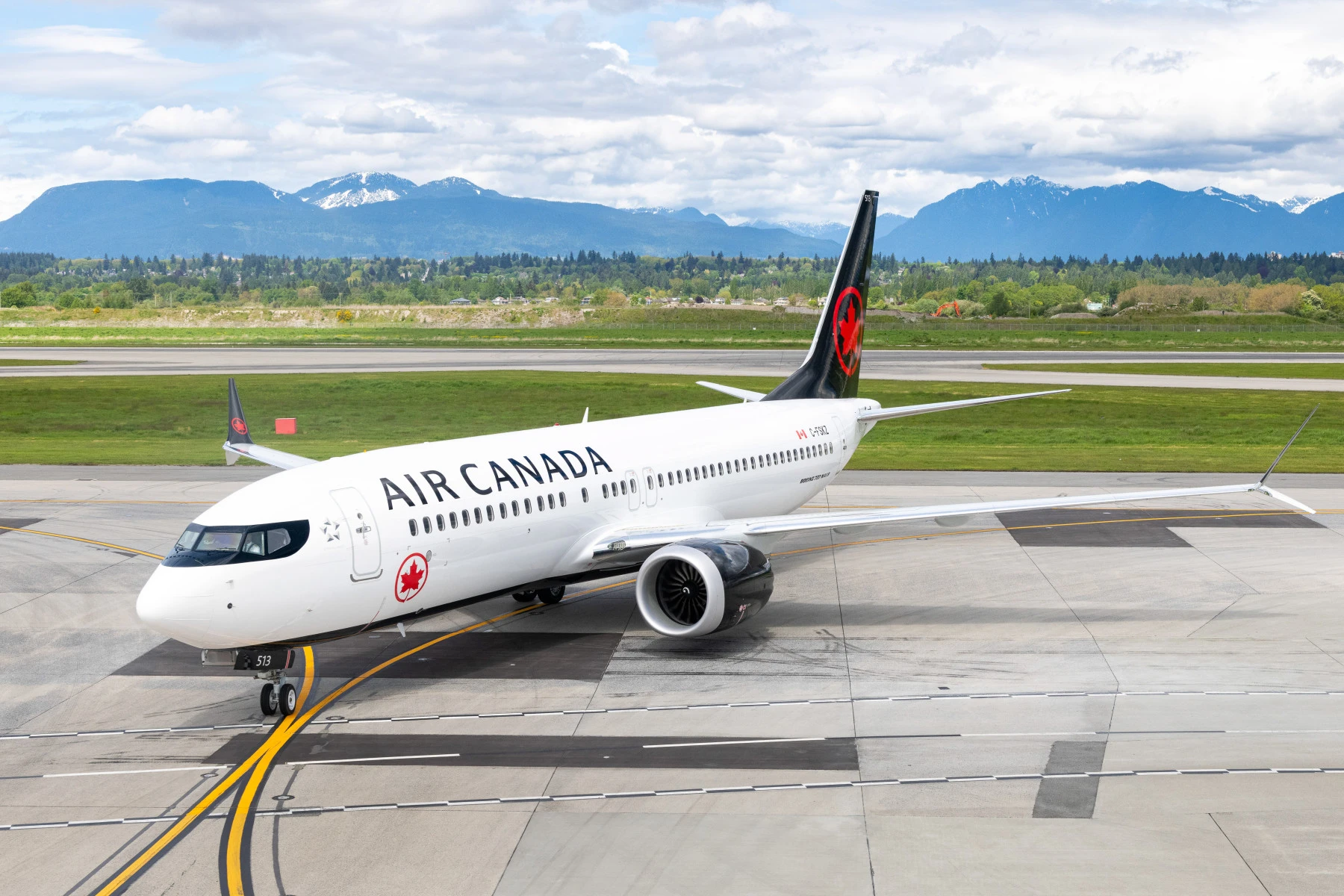
Requirements To Become an Air Canada Pilot
Air Canada’s minimums vary by whether a candidate is applying for a First Officer or Captain seat, with type-rating requirements published per vacancy and Captain roles most often filled through internal promotion rather than direct hire:
- Graduate of a three- or four-year diploma or degree program from a college or university
- Aviation college degree or diploma
- Commercial or military flight experience
- Jet and/or turbo-prop multi-crew experience
- 2,000 hours of fixed-wing flying time
- Ability to pass Air Canada and Transport Canada medical and visual acuity requirements for a Category 1 medical certificate
- Canadian Airline Transport Pilot Licence (ATPL), current Group 1 (Multi-engine) Instrument Rating
- Canadian passport
- Ability to hold a Restricted Area Identity Card (RAIC)
- Eligibility to work in Canada and travel without restriction throughout the Air Canada network, with any required visas or work permits the candidate’s own responsibility
The Hiring Process
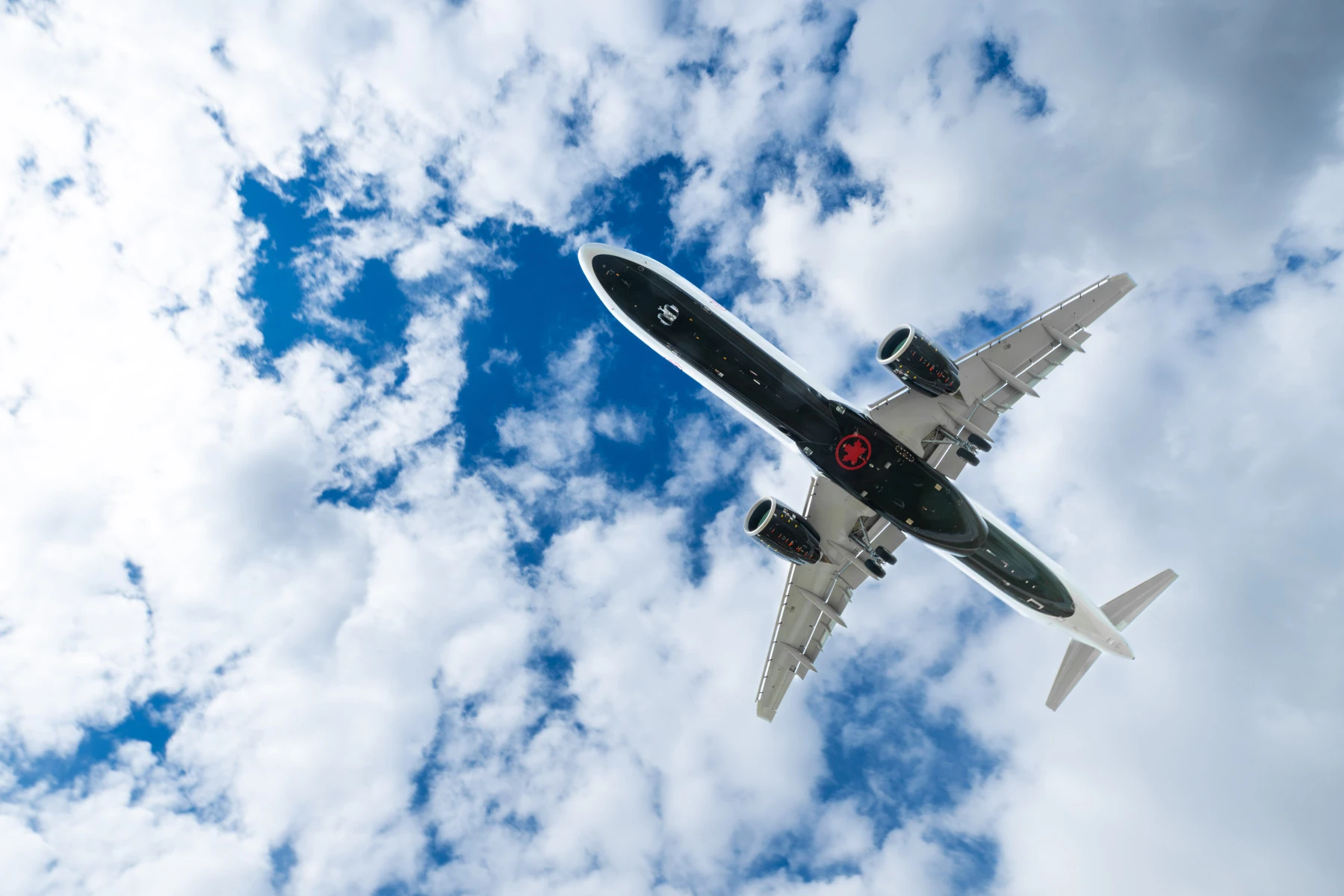
Air Canada’s recruitment process runs through six broad stages:
- Application — candidates submit licences, medical certificates, flight records, and supporting documentation through Air Canada’s recruitment portal.
- Initial screening — recruiters review qualifications, total flight hours, aircraft experience, and operational background.
- Technical and aptitude assessments — cognitive testing and operational aptitude evaluations determine airline readiness.
- Simulator assessment — examiners assess aircraft handling, crew resource management, standard operating procedures, and decision-making.
- Interview stage — candidates meet with management pilots and HR representatives, covering technical competency and communication skills.
- Medical and background verification — final candidates complete medical exams, security screening, and employment verification before receiving an offer.
Beyond The Salary Line
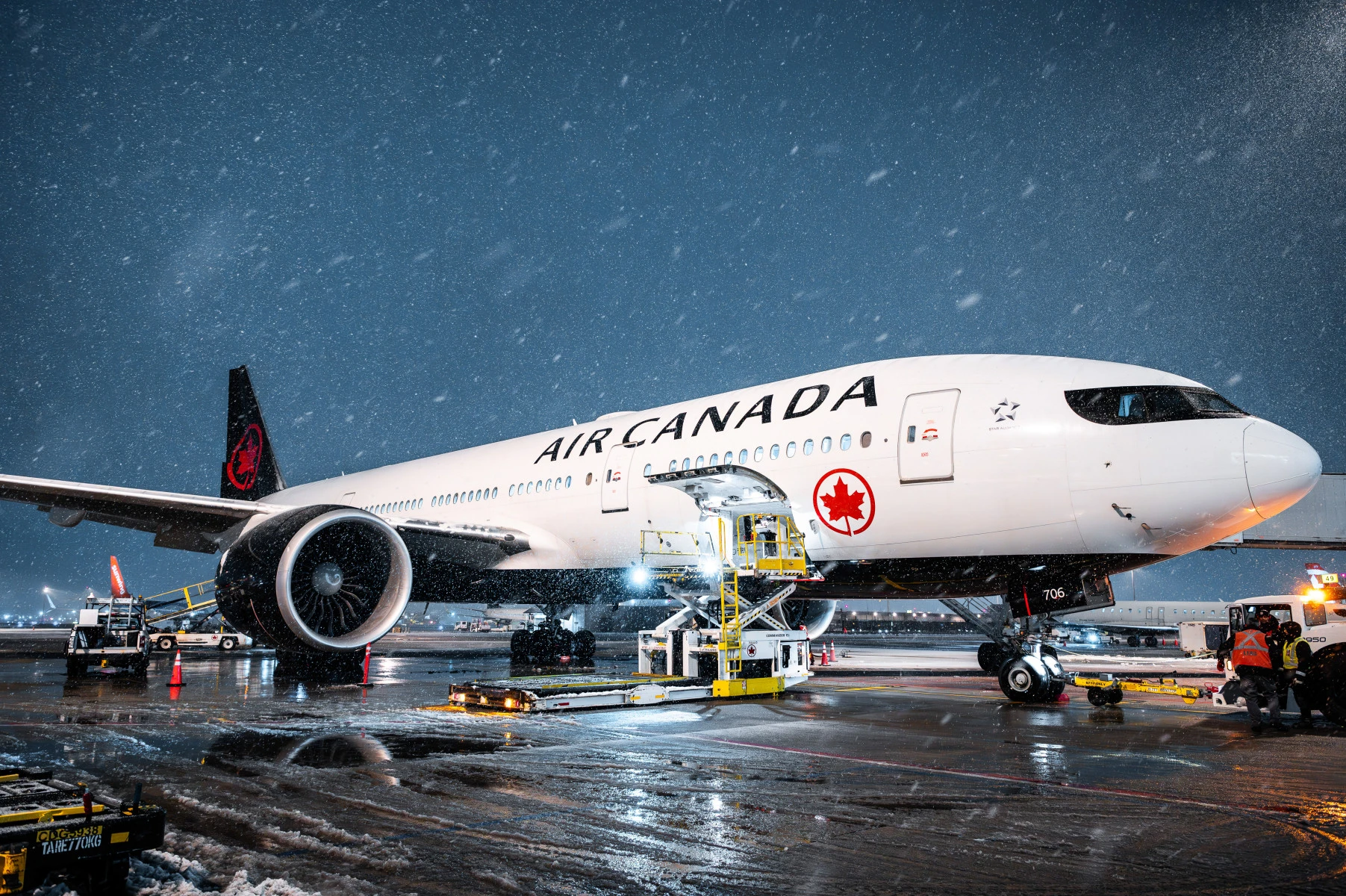
Reported benefits, drawn from Air Canada’s own disclosures and current reporting, include:
- Travel privileges — discounted and standby travel across Air Canada and Star Alliance partner airlines for pilots and eligible family
- Profit-sharing and performance incentives, tied to company results
- Retirement and pension benefits, structured as described above depending on hire date
- Medical, dental, and insurance coverage for pilots and eligible dependents
- International layover allowances for meals and incidentals
- Recurrent simulator training and structured fleet-progression opportunities
- Union representation and collective bargaining protection through ALPA
- Modern fleet access, including the A220, A321XLR, and 787, as the fleet continues expanding
How This Compares with Air France, Lufthansa, And Emirates
Air Canada’s pay structure sits closer to Lufthansa’s than to Air France’s or Emirates’, in one specific respect: all three legacy carriers price command primarily off seniority and fleet type rather than a flat national scale, but each does it differently.
Lufthansa Mainline runs First Officers at roughly €73,000–€175,000 and Captains at €150,000–€280,000 under a heavily guaranteed, seniority-driven Vereinigung Cockpit agreement, where around 85 percent of pay is fixed rather than tied to hours flown. Converted loosely at prevailing exchange rates, Air Canada’s reported Captain ceiling of roughly C$382,000 (about €245,000) sits in a broadly similar band to Lufthansa’s, though Air Canada’s pay leans more heavily on flying-hour credit than Lufthansa’s largely fixed scale.
Air France uses a dual-pillar system — a guaranteed fixed salary plus a variable flight premium — putting First Officers at €60,000–€170,000 and Captains at €160,000–€350,000, with senior Captains at the top seniority step approaching €200,000 in fixed pay alone before variable pay. Air France’s top-end Captain figure, roughly C$545,000 converted, exceeds even Air Canada’s highest reported 777 Captain estimate, though both carriers’ true top-end figures depend heavily on which allowances and profit-sharing components a given source folds in.
Emirates breaks the comparison entirely, since its pay is tax-free by virtue of the UAE having no personal income tax, and Emirates itself discloses cash pay separately from a substantial non-cash package of free housing and education allowances.
Emirates’ own job postings put entry-level First Officer take-home cash at roughly AED 382,080 (about C$146,000) and Direct Entry Captain cash at roughly AED 575,000 (about C$220,000), before adding housing worth AED 225,000–290,000 a year. On cash pay alone, Air Canada’s scale runs comparable to or above Emirates’; once Emirates’ tax-free status and non-cash package are factored in, the real-terms comparison narrows considerably, and Emirates likely pulls ahead on total take-home value for equivalent seniority.
Bottom Line
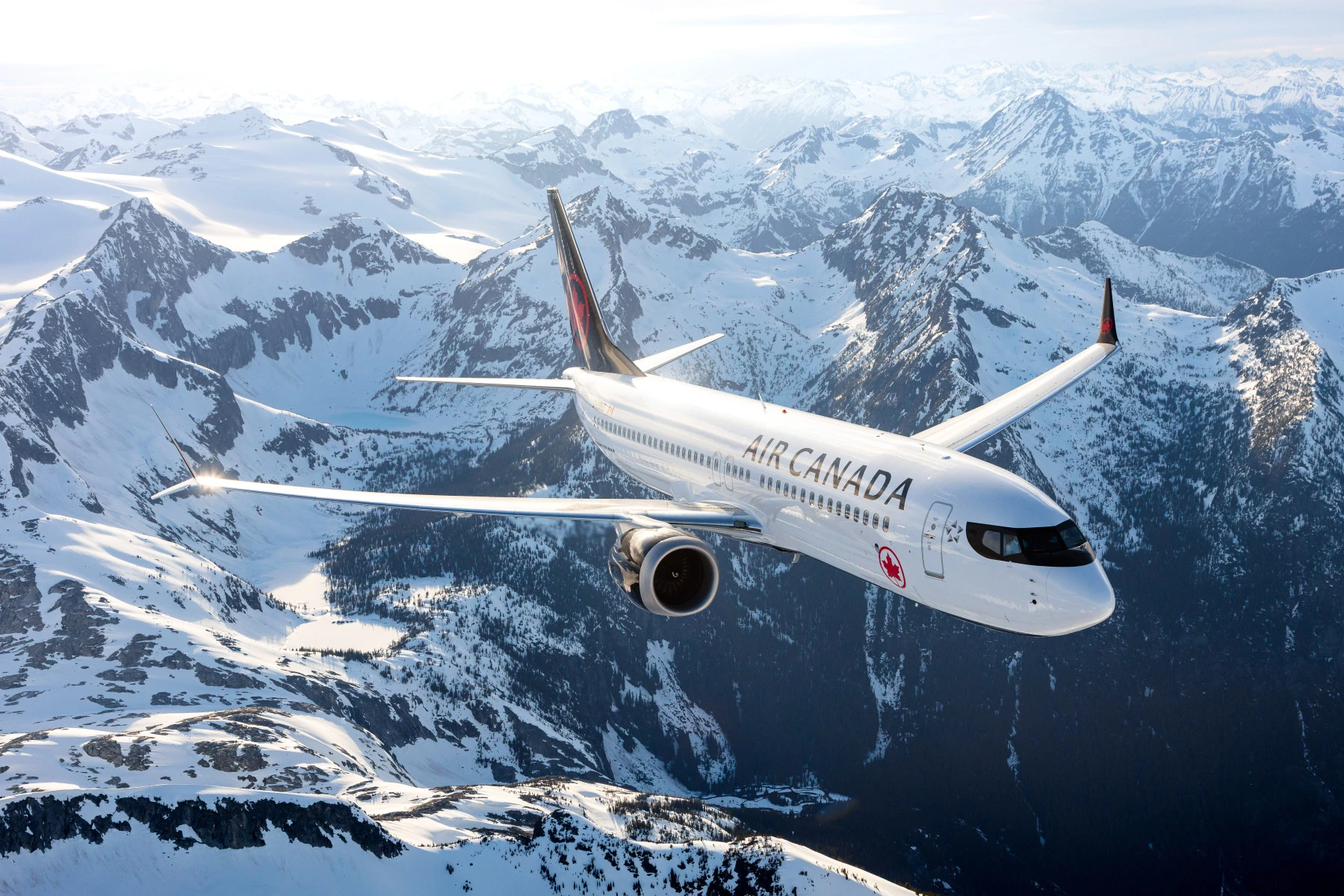
In 2026, Air Canada continues to offer one of the strongest pilot compensation packages in Canada, especially following the October 2024 ALPA contract’s 42 percent increase over four years. First Officers generally earn somewhere in the C$85,000–C$248,000 range, while Captains span roughly C$190,000–C$382,000 depending on seniority, aircraft type, and how much of profit-sharing and per diems a given estimate includes.
With a modernizing fleet, a defined-contribution or defined-benefit pension depending on hire date, a global route network, and a newly strengthened union contract, Air Canada remains one of North America’s most desirable airlines for professional pilots — even if the exact pay tables themselves are not public.
.jpg)
FAQs
How much do Air Canada pilots earn per year?
Air Canada pilots typically earn between roughly C$85,000 and C$382,000 per year, depending on rank, fleet assignment, and seniority, with top hourly rates on the Boeing 777 pushing senior Captain pay toward the higher end.
Where are Air Canada pilots based?
Most Air Canada pilots are based in Toronto, Montreal, and Vancouver.
What aircraft do Air Canada pilots fly?
Air Canada pilots operate the Airbus A220, A320 family, A321XLR, and A330, alongside the Boeing 737 MAX, 777, and 787, on domestic and international routes.
Which union represents Air Canada pilots?
The Air Line Pilots Association (ALPA), since Air Canada Pilots Association members voted in May 2023 to merge into ALPA. The two unions’ October 2024 collective agreement delivered a reported 42 percent pay increase over four years.