Ask three different pilot-career sites what an Air France (AF) captain earns and you’ll get three overlapping but not identical answers. That’s not sloppiness — it’s structural. Air France pilot pay is set by collective agreements between the airline and its pilot union, SNPL France ALPA, and the underlying pay tables — the exact hourly rates and coefficients — aren’t published publicly. Every figure below, including the ones from Air France’s own careers material on requirements and selection, is a reconstruction from salary trackers, pilot forums, and job-board data — not a leaked pay scale.
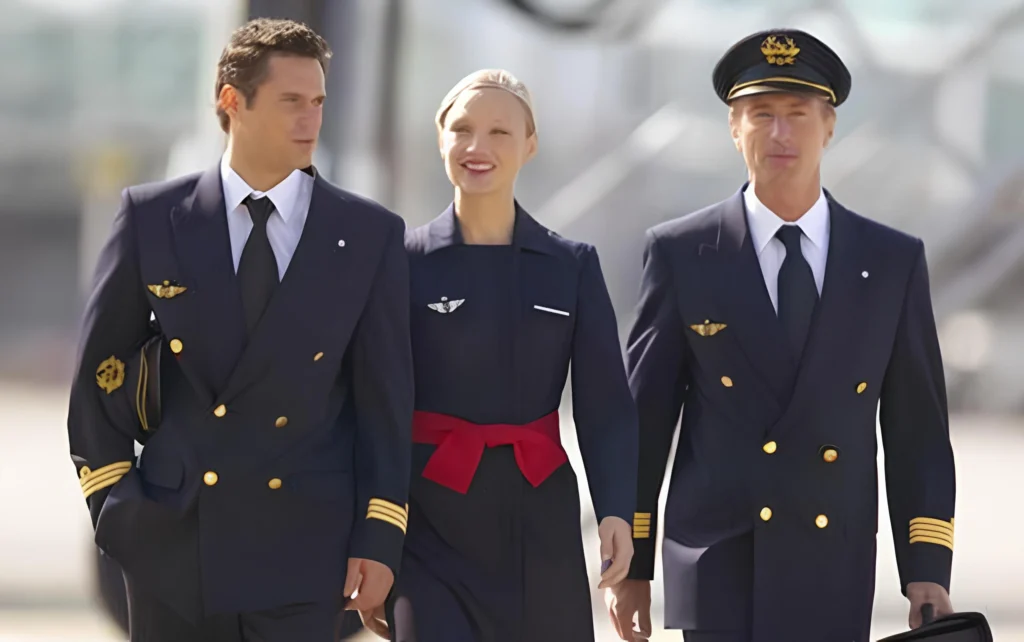
The Money Offered to Air France’s Pilots
First Officers appear to earn somewhere in the €60,000–€170,000 range annually, depending on seniority, fleet, and which source you trust. One detailed 2026 breakdown puts the fixed (guaranteed) portion of a brand-new First Officer’s pay at around €42,000, but notes this figure alone is misleading — variable flight pay begins as soon as a pilot is released to the line, pushing total first-year compensation to roughly €70,000–€90,000. A separate guide puts the collective-agreement range for First Officers at €60,000–€90,000 a year, rising steeply by seniority, while a more conservative tracker estimates €63,000 in year one, climbing to around €110,000 by year ten.
Captains cluster higher, though the spread is wider. The airmappr breakdown puts the full range at €160,000–€350,000 a year, noting that senior captains at the top of the pay grid (Hors Classe) can approach €200,000 in fixed salary alone, before variable pay and allowances. A general European pilot-pay overview similarly places long-haul captains at Air France, Lufthansa, and British Airways in the €160,000–€270,000 band, while a more conservative source estimates €145,000 at first command, rising to about €230,000 by year ten.
Glassdoor’s own crowd-sourced numbers for pilots (deadhead pilots or otherwise) based in Paris sit inside that range but on a small sample: an average of roughly $109,000/year, with a typical band of $81,833–$152,280 and a reported high of $199,673 — based on just two self-reported salaries. A separate, US-facing Glassdoor page puts the average even higher, around $188,179/year, but that figure is drawn from a single submission. Both are worth knowing about, neither is worth anchoring on — small samples on self-reported platforms swing wildly and don’t reliably separate rank, fleet, or base.
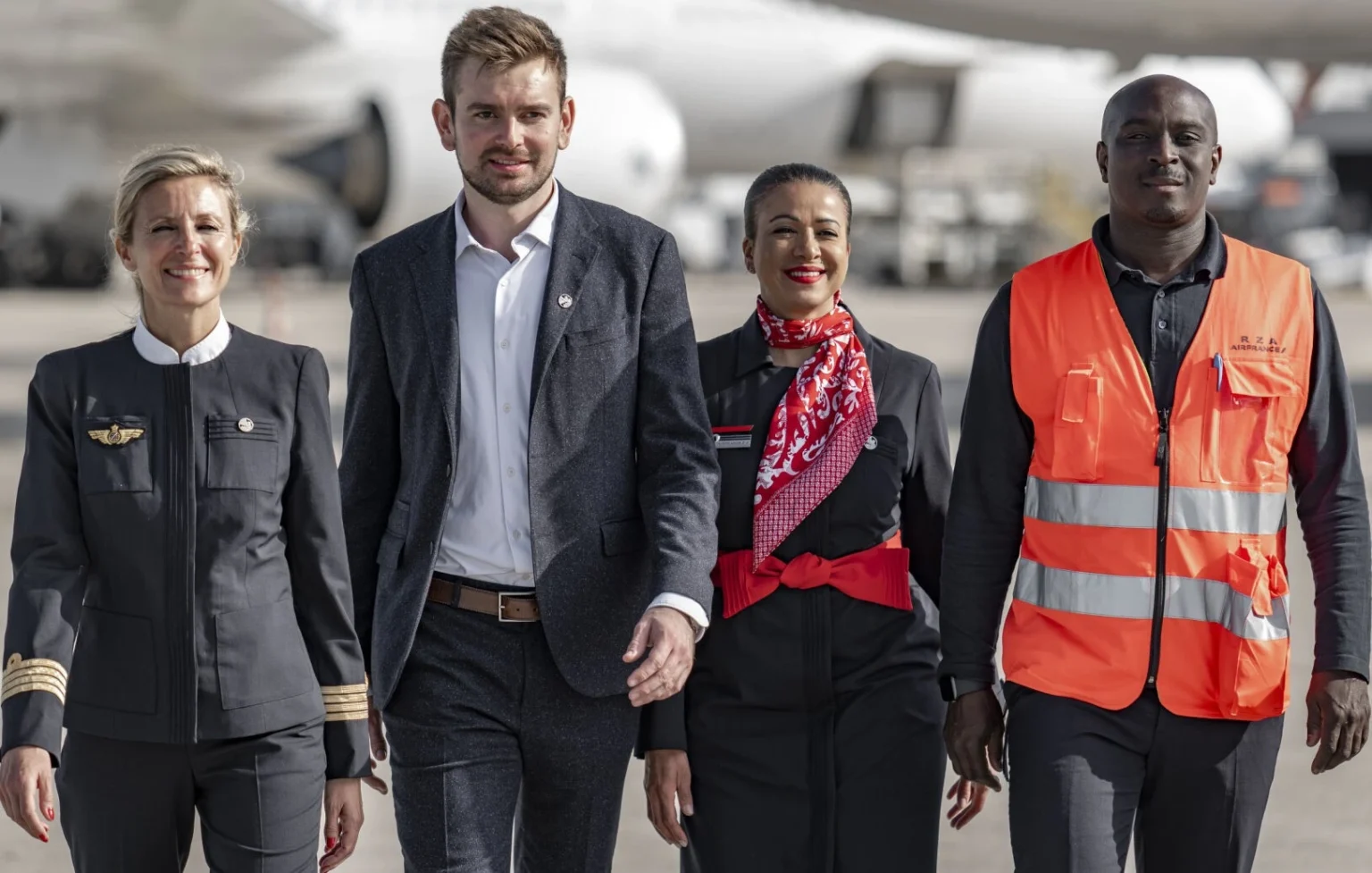
Why the Numbers Don’t Line Up
Air France runs what’s often described as a dual-pillar pay system: a guaranteed fixed salary (Traitement Fixe) that rises automatically with seniority, plus a variable flight premium (Prime de Vol Effective Individualisée, or PVEI) tied to an hourly rate per aircraft type, multiplied by coefficients for nights, weekends, and holidays. The fixed portion is not tied to aircraft type — a captain with 20 years of seniority earns the same base pay whether flying an A320 or a Boeing 777. The difference between a “modest-looking” published base salary and a much higher real income comes almost entirely from PVEI, per diems, and profit-sharing — none of which show up on a simple base-pay table, which is a large part of why salary guides disagree with each other.
Progression through this seniority grid, formally called the Liste de Classement Professionnel, is automatic based on years of service rather than performance review — but the wait for command is long: reaching captain at a network carrier like Air France typically takes 8–15 years, against 2–4 years at a regional operator.
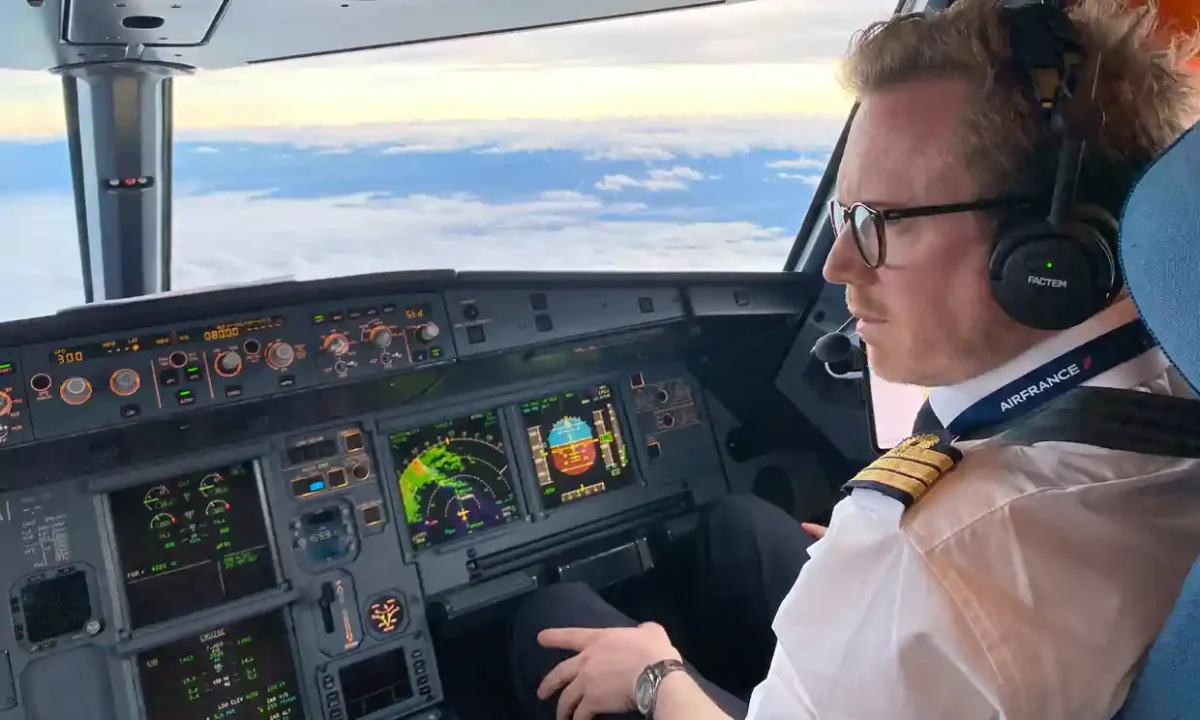
The Pension and Per-Diem Layer Most Guides Skip
Two things rarely make it into headline salary figures. First, French pilots pay into the CRPN supplementary pension fund, with total contributions of roughly 27% of gross salary, split roughly two-thirds employer and one-third pilot. Combined with the standard state pension, that reportedly supports a full-career Air France captain retiring at 55–60 on €8,000–€12,000 a month — years earlier than France’s standard retirement age of 64.
Second, per diems during layovers are tax-free and excluded from gross salary entirely, meaning two pilots with identical contracts can have noticeably different disposable income depending on how much international flying they pick up. Exact Air France per-diem rates are internal and not publicly published, unlike the fixed salary grid.
The Fleet You’d Actually Fly
Air France’s in-service fleet runs to more than 220 aircraft and is in the middle of a genuine renewal cycle, not just a marketing narrative:
| Aircraft Type | In Service | Parked | Current Total | Avg. Age |
|---|---|---|---|---|
| Airbus A220 | 45 | 12 | 57 | 2.6 Years |
| Airbus A318 | 4 | – | 4 | 19.8 Years |
| Airbus A319 | 1 | – | 1 | 23.3 Years |
| Airbus A320 | 35 | 1 | 36 | 16.7 Years |
| Airbus A321 | 7 | – | 7 | 21.9 Years |
| Airbus A330 | 6 | – | 6 | 23.1 Years |
| Airbus A350 XWB | 40 | 2 | 42 | 3.5 Years |
| Boeing 777 | 58 | 5 | 63 | 20.2 Years |
| Boeing 787 Dreamliner | 10 | – | 10 | 8.1 Years |
| Total | 206 | 20 | 226 | 11.7 Years |
Data: planespotters.net
Career progression onto widebody types is seniority-based through internal bidding rather than a choice made at hiring — new First Officers typically start on the A220 or A320 family.
Two Roads into the Cockpit
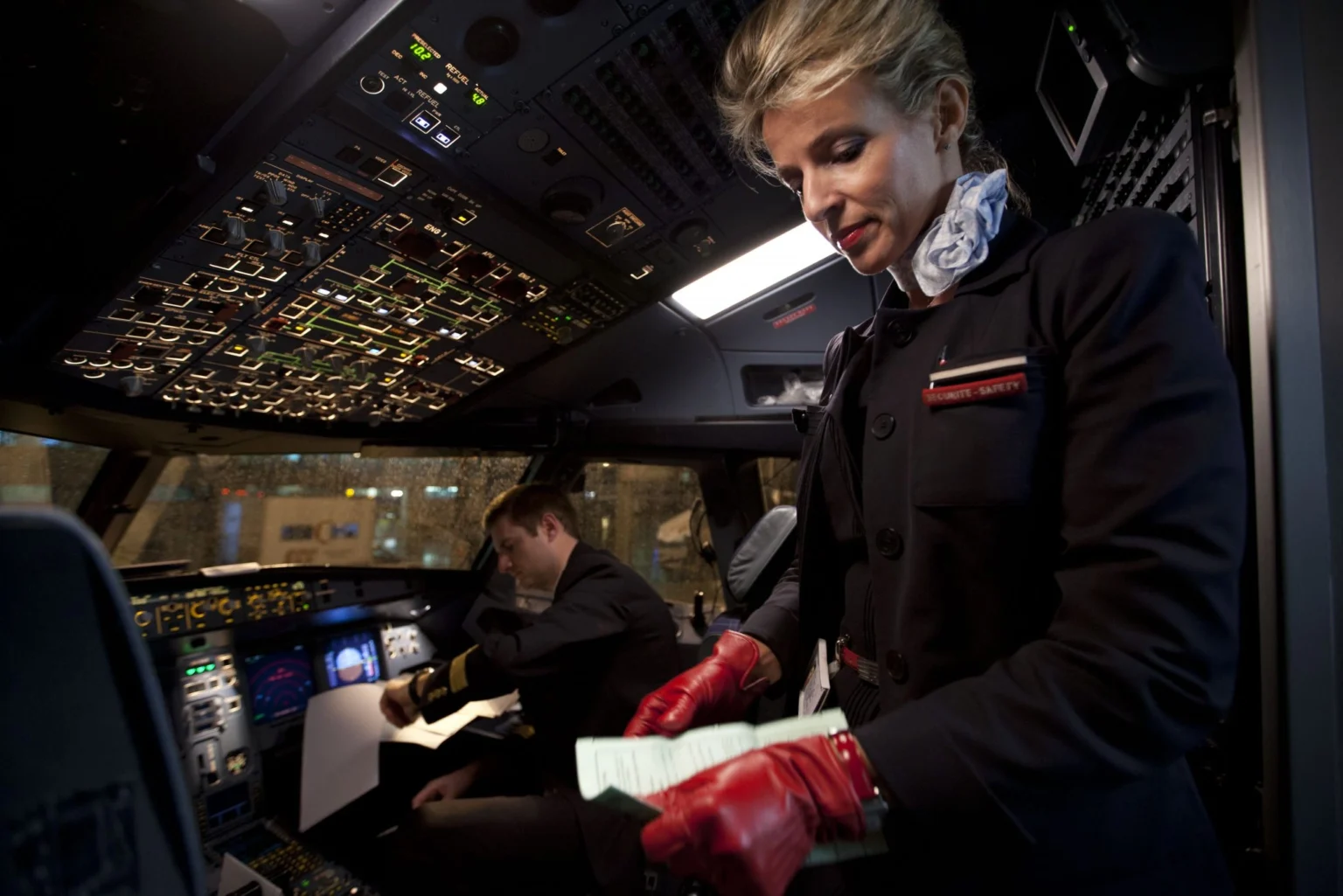
Air France hires through two channels. The Cadet programme, run through France’s state aviation school ENAC in Toulouse, takes candidates with little or no flying experience through roughly 2 to 2.5 years of training — about nine months of ATPL theory followed by 15–21 months of flight and simulator work, covering CPL, IR/ME, and MCC. Air France covers the cost of type-rating training for pilots who come through its official selection process. The 2026 cadet application window runs June 15 to July 31, 2026, with the 2024 cadet intake reportedly 25% women against roughly 9% across the airline as a whole.
The Professional Pilot / direct-entry route is for candidates who already hold a licence, including former military pilots. Requirements consistently cited include:
- EEA or Swiss nationality
- Fluency in French, plus FCL 055 level 6 French if it isn’t a first language
- A valid ATPL or CPL/IR(ME), with theoretical ATPL from an EU-certified training organisation
- A Class 1 medical certificate
- MCC training completion and, where applicable, UPRT certification
- English language proficiency at FCL 055 level 5 or above, plus a TOEIC score of at least 850 within the last two years
- Not having failed the PSY2 selection stage twice previously

The Selection Process
Air France’s pilot selection runs through three named psychometric stages, widely regarded as one of the more distinctive gates in European hiring:
- PSY0 — an initial online pre-selection, including an English-language check
- PSY1 — psychotechnical and psychomotor testing at ENAC in Toulouse
- PSY2 — a group assessment and individual interview, conducted at Air France’s Charles de Gaulle base, largely in French for the standard cadet and First Officer track
Candidates who don’t reach PSY1’s main list can be deferred rather than rejected outright, and only two failed attempts at PSY2 permanently close that route. A recruitment committee reviews PSY2 outcomes before extending an offer, followed by medical and background checks.

Beyond the Salary Line
Reported benefits, drawn from multiple current sources, include:
- Travel privileges across Air France, KLM, and SkyTeam partner airlines for pilots and eligible family
- CRPN pension contributions, as described above
- Profit-sharing, tied to Air France-KLM group performance
- Tax-free per diems during layovers
- Comprehensive medical and insurance coverage under French employment regulations
- Fully funded type-rating training for pilots hired through the official selection process
- Union representation through SNPL France ALPA, which negotiates salary, roster protections, and pension terms, and is affiliated with both the European Cockpit Association and IFALPA
.jpg)
The Part the Brochures Leave Out
Air France pilot careers run on a single combined seniority list shared with low-cost subsidiary Transavia, which means new hires don’t choose their aircraft type or base — it’s assigned by where they land on that list. That structure is currently under some strain: a dispute between SNPL and Transavia over route transfers and pay parity is ongoing, and could affect how future terms are set.
There’s also a cost pressure worth knowing about. France tripled its air-ticket solidarity tax (TSBA) in February 2025, adding an estimated €280 million a year in costs to the Air France-KLM group — a burden the union publicly opposed alongside other French aviation unions. Separately, pilots at sister long-haul carrier French bee (also under the SNPL banner, though a distinct airline from Air France) filed strike notice in May 2026 over stalled pay talks, a reminder that labour tension across the wider French pilot-union landscape is live even where Air France mainline itself has been comparatively strike-free in recent years.
None of that erases the appeal of the job: a modernising fleet, one of France’s most established unions, a fully funded path from cadet to command, and a pension structure most European pilots would envy. It just means the honest answer to “what does an Air France pilot earn?” is: substantially more than the base salary line suggests, on a scale that isn’t public, and increasingly shaped by group-wide restructuring rather than Air France mainline alone.

Frequently Asked Questions
How much do Air France pilots earn per year? Estimates converge on roughly €60,000–€170,000 for First Officers and €145,000–€350,000 for Captains, depending on seniority and fleet — though the underlying pay tables aren’t public, so these are informed reconstructions rather than confirmed figures.
Where are Air France pilots based? Primarily Paris, split between Charles de Gaulle and Orly airports.
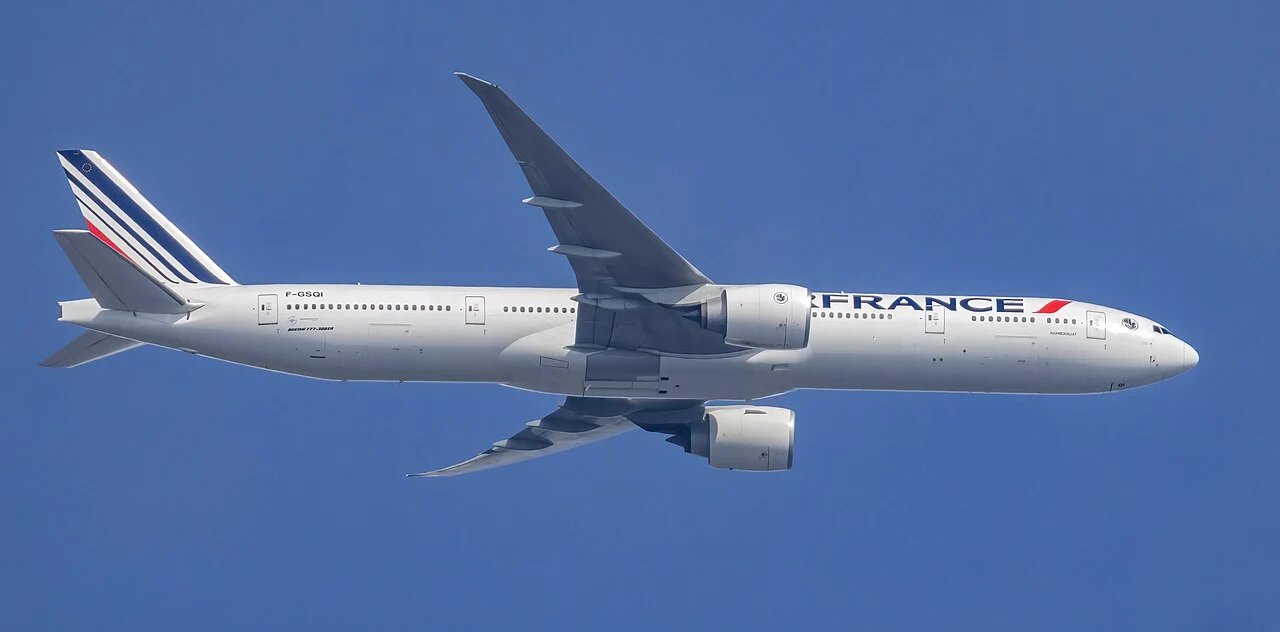
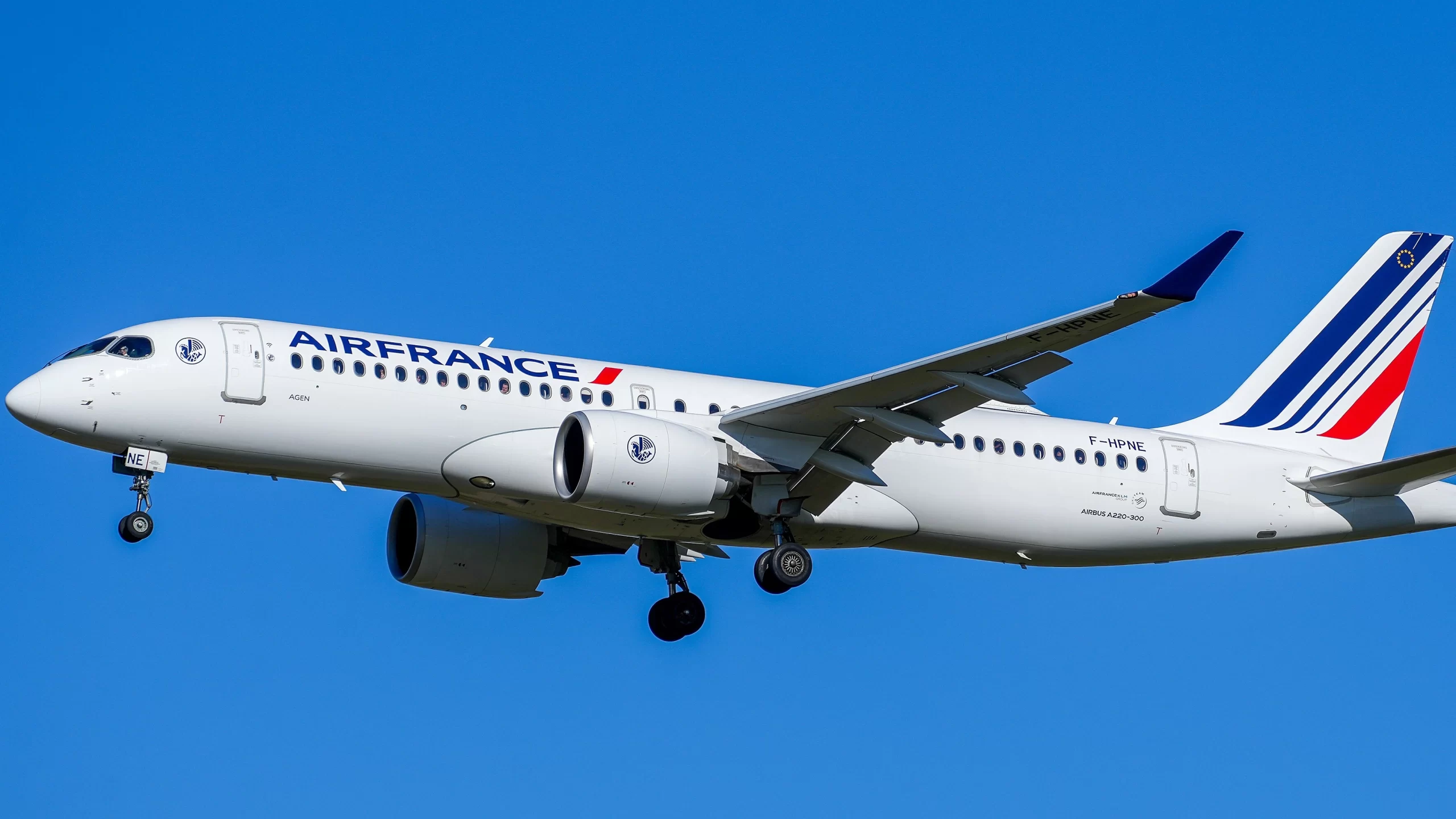
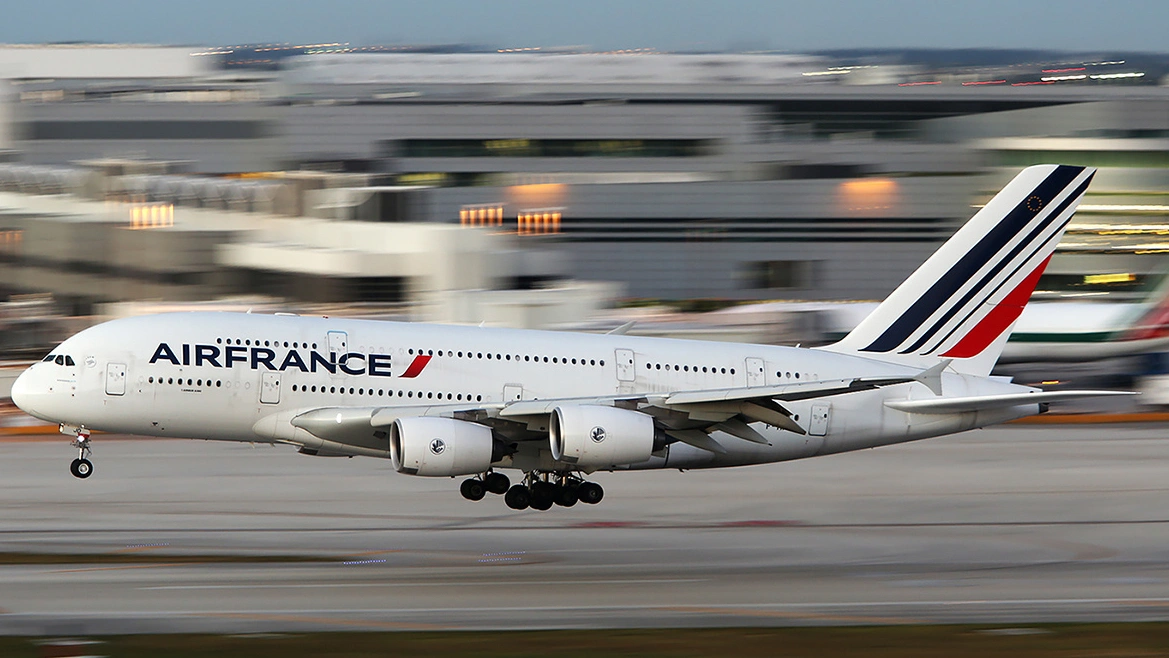
What aircraft do Air France pilots fly? The A220-300, the A320 family, the A330-200 (being phased out), the A350-900, the Boeing 777-200ER (being retired) and 777-300ER, and the Boeing 787-9.
Is Air France hiring pilots in 2026? Yes — through both the ENAC-based Cadet programme, whose 2026 application window opened in June, and the direct-entry Professional Pilot route for licensed pilots, including former military aviators.