A British Airways (BA) Airbus A380 diverted to Birmingham Airport (BHX) on Saturday, June 27, 2026, after an unexpected interruption near the end of a transatlantic journey. Flight BA284, registration G-XLEE, had been flying from San Francisco International Airport (SFO) to London Heathrow Airport (LHR) when it entered holding patterns near Manchester instead of landing as planned, Simple Flying reported. The aircraft eventually touched down safely at Birmingham before flying onward to Heathrow the same day.
British Airways has not issued an official statement confirming the cause. Some flight-tracking accounts pointed to a medical emergency on board, while other reports linked the diversion to severe thunderstorms that disrupted arrivals across southern England that day. All passengers and crew reached London without reported injuries.
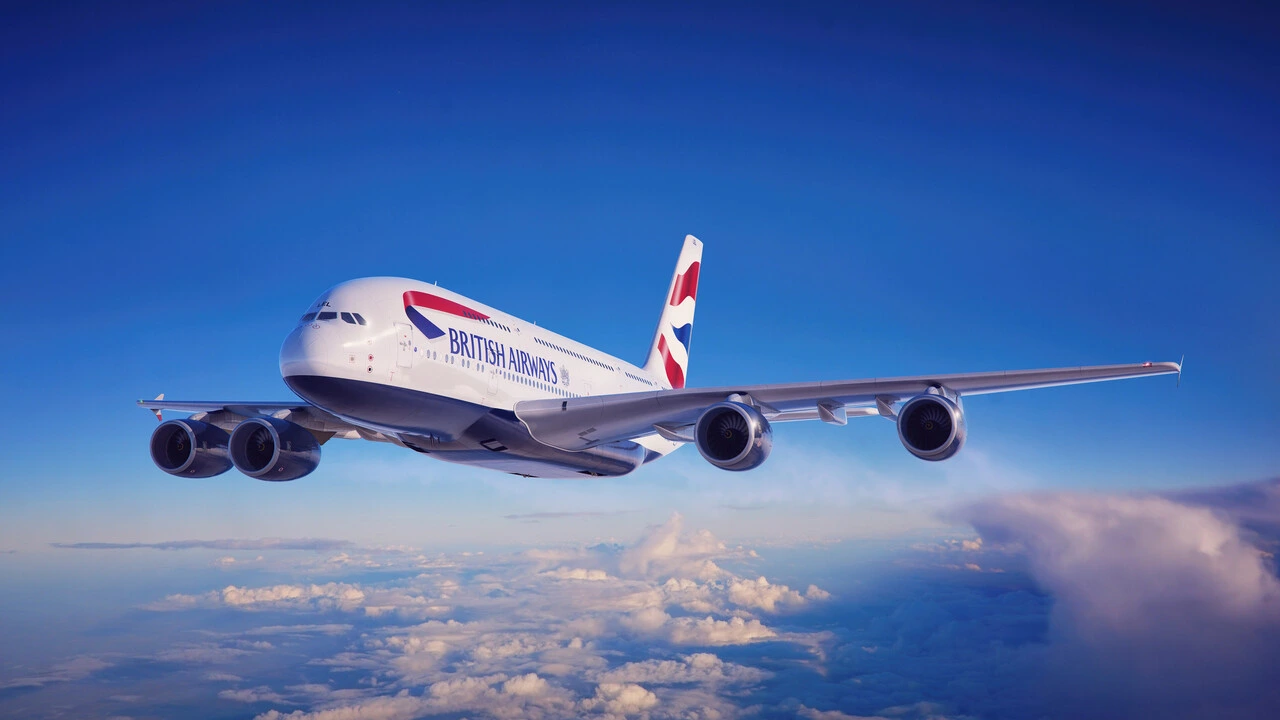
What Happened to Flight BA284
BA284 departed San Francisco as scheduled for the roughly 11-hour journey to London. The crossing over North America and the Atlantic Ocean proceeded normally, according to flight-tracking reports.
As the A380 neared the United Kingdom, it did not fly straight to Heathrow. The aircraft entered holding patterns close to Manchester, circling at altitude while the crew assessed the situation. The captain then chose to divert south to Birmingham rather than continue waiting for clearance into Heathrow.
The aircraft landed at Birmingham without further incident. Ground teams carried out standard checks and refuelling before the jet departed for the short final leg to London. The full sequence, from San Francisco departure to Heathrow arrival, stretched over roughly 13 hours.
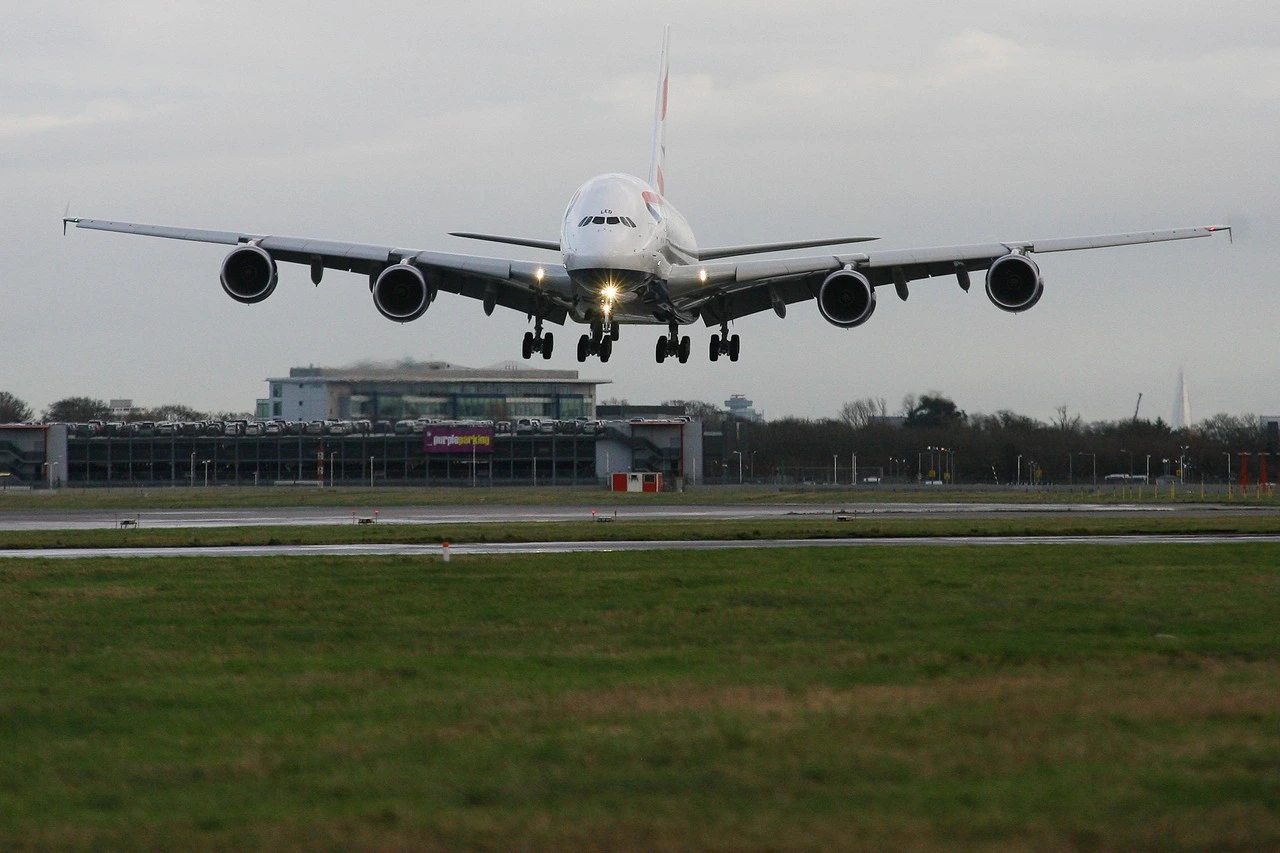
Why Did the Flight Divert from Heathrow?
The exact reason has not been confirmed by British Airways. Reports since the diversion have offered two competing explanations.
Some aviation-tracking sources and eyewitness accounts suggested a medical emergency on board prompted the crew to seek the nearest suitable airport. Other reporting placed greater weight on conditions at Heathrow, where severe thunderstorms across southern England caused widespread arrival delays and saturated holding patterns that day.
Heathrow and Gatwick both faced disruption from the storms, with hundreds of flights cancelled or delayed nationwide. One report summarised the day succinctly, noting that the flight was caught amid “stormy skies” and London airspace “gridlock”.
It remains possible that both factors played a role. A long delay in holding, combined with any health concern on board, can push a crew toward an earlier diversion rather than continued waiting near a congested destination.
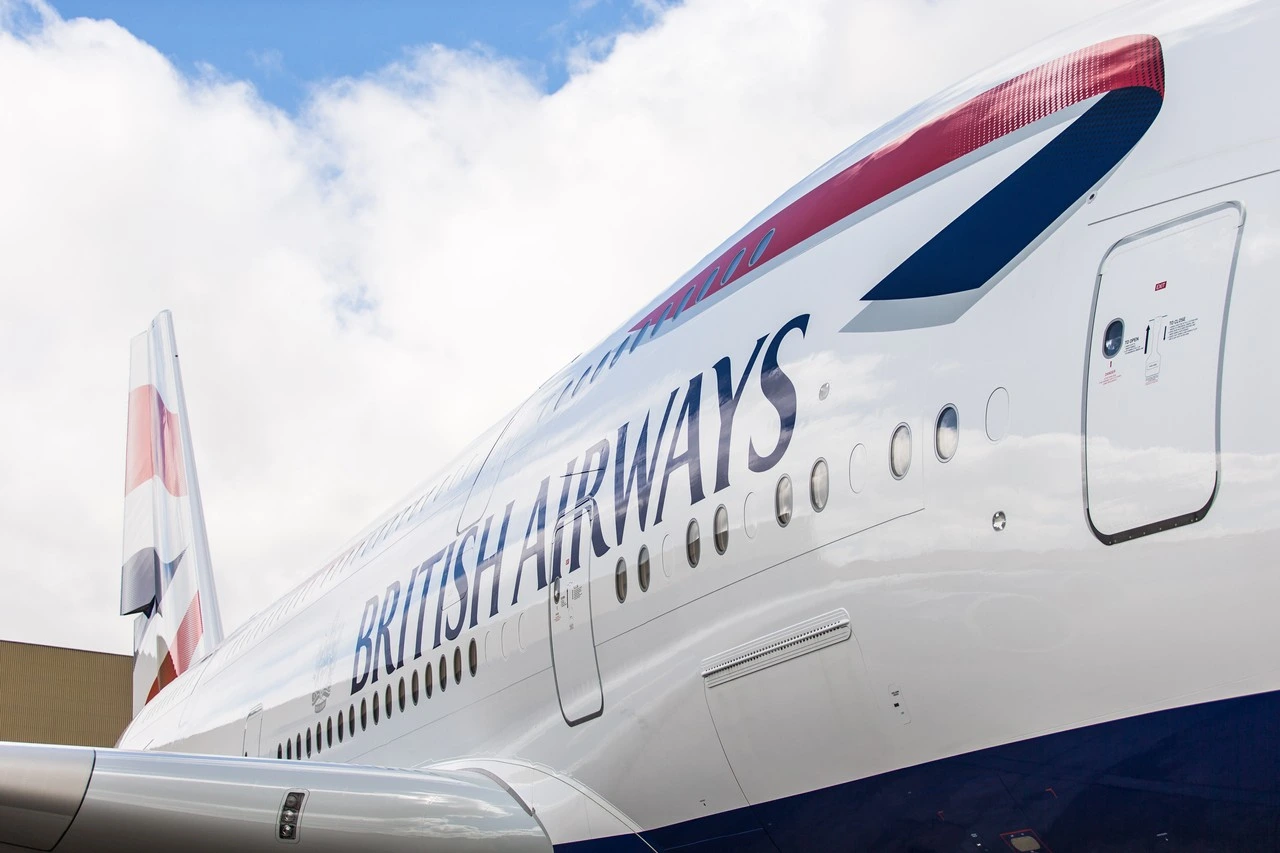
Why Crew Choose an Alternate Airport
Long-haul crews plan diversion airports before every flight and carry fuel reserves for exactly this kind of situation. Several factors typically guide the choice of where to land:
- Remaining fuel and the distance to the nearest suitable runway
- Runway length and strength rated for an A380-sized aircraft
- Weather conditions at the alternate compared with the original destination
- Ground handling and emergency response capability at the airport
- Any medical or technical issue affecting the aircraft or its occupants
Birmingham fit these requirements well. The airport sits close enough to London to allow a short repositioning flight once conditions improved, and it can already handle the world’s largest passenger jets.
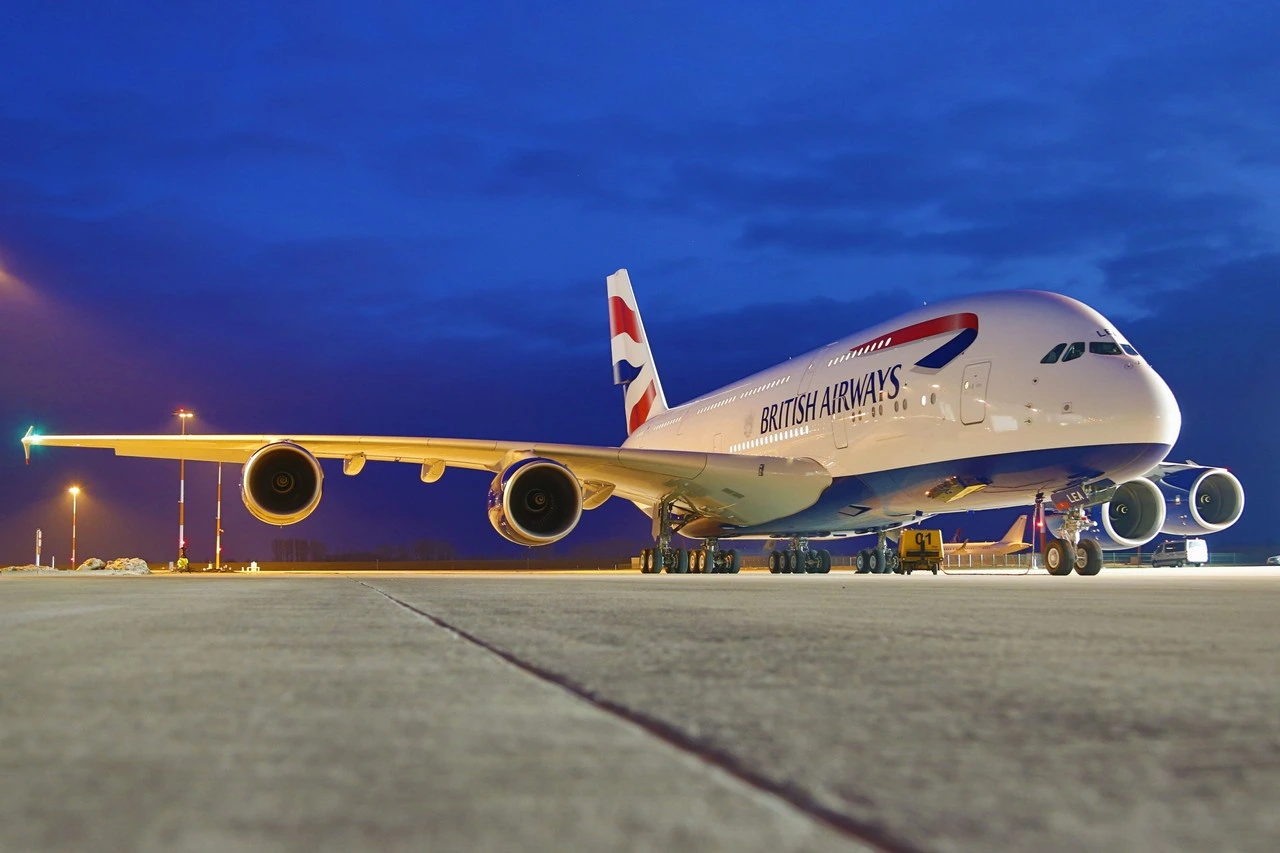
A Rare Sight of A380 for Birmingham Airport
A British Airways A380 landing at Birmingham is unusual. The airline bases its entire A380 fleet at Heathrow, where the aircraft flies high-demand long-haul routes across North America, Asia, Africa, and the Middle East.
Birmingham does see the A380 on a scheduled basis, but only through one carrier. Emirates currently operates a single daily A380 service connecting Birmingham with Dubai. That frequency has fallen over time; between 2017 and 2020, Emirates ran two daily A380 flights to Birmingham, making the aircraft a more familiar presence at the airport than it is now.
Unscheduled visits by British Airways A380s to Birmingham stay rare and tend to happen only when operational circumstances force a diversion.
After ground procedures finished at Birmingham, the A380 departed for the short hop south to London. The final leg lasted just under half an hour, and the aircraft landed at Heathrow later the same day.
Passengers experienced an unplanned stop and a delay to their arrival time, but the flight finished without further incident. The diversion showed both the flexibility airlines build into long-haul operations and the operational pressure that severe weather and unforeseen events can place on busy hub airports.
