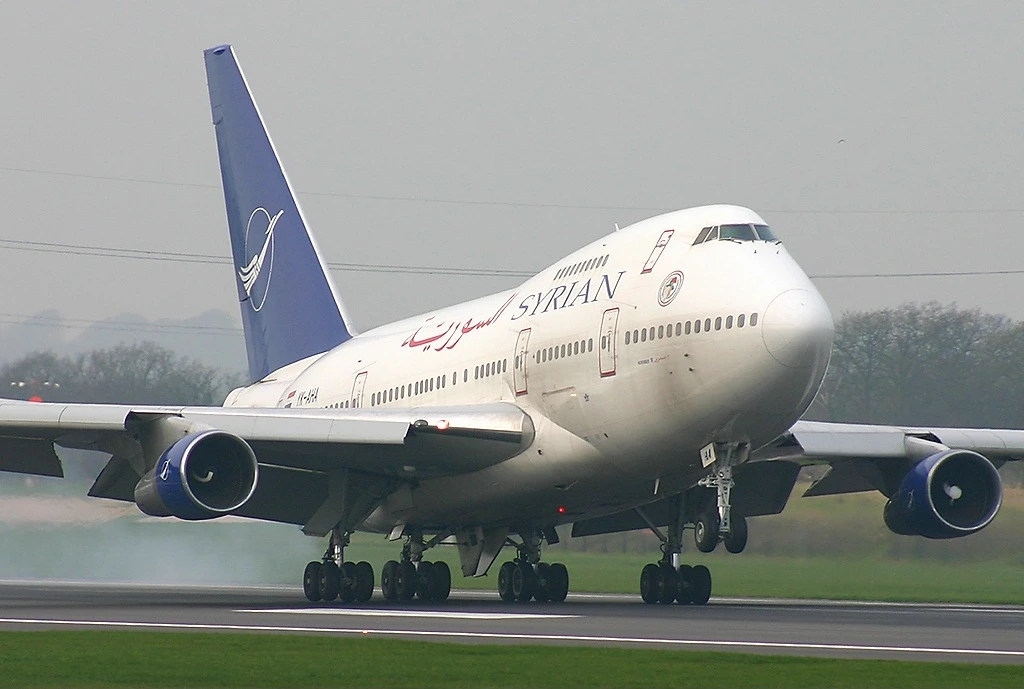
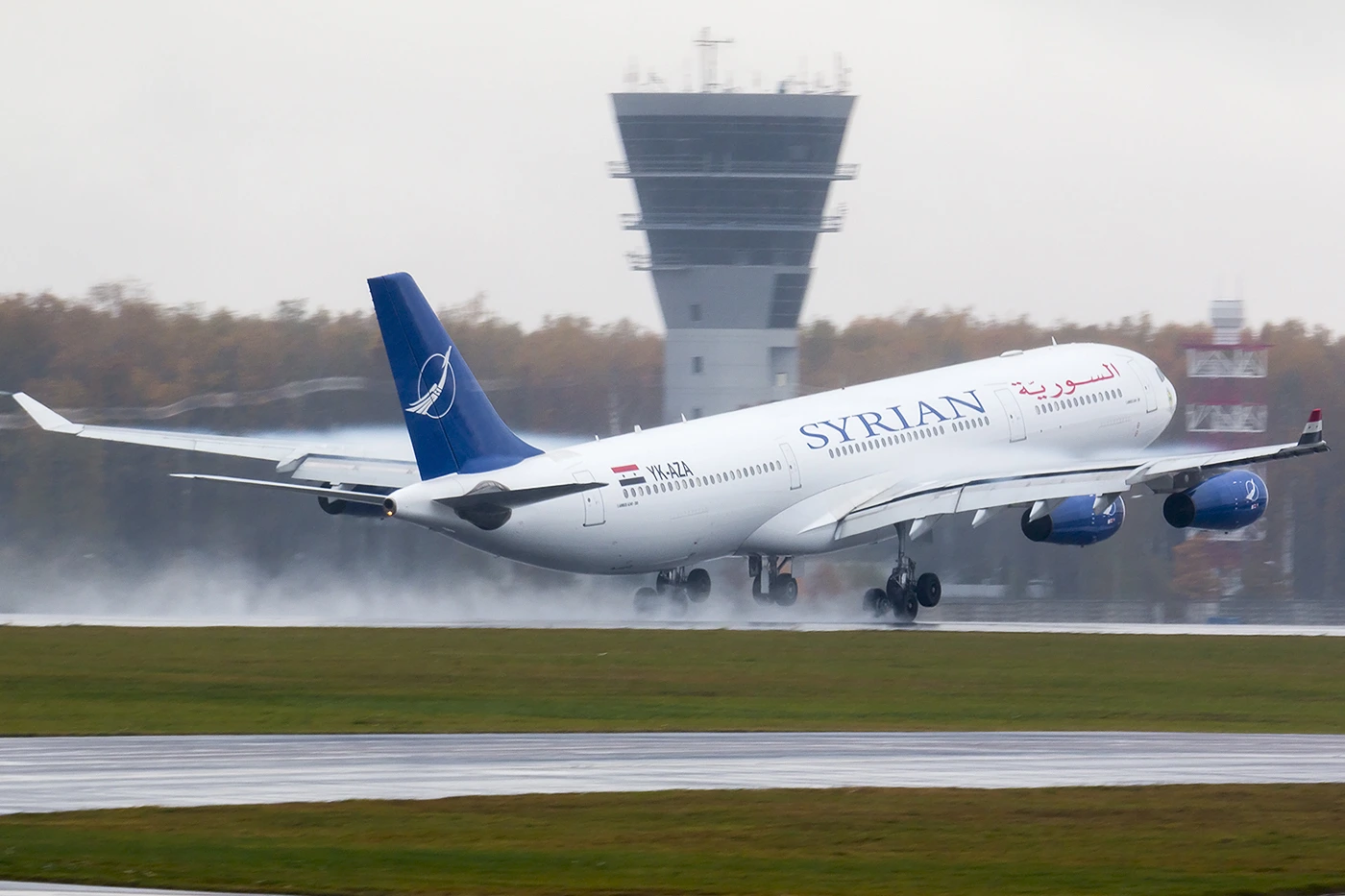
Syrian Airlines (RB) will operate its inaugural direct service between Damascus International Airport (DAM) and Amsterdam Airport Schiphol (AMS) during the first week of July 2026, according to Syria’s General Authority of Civil Aviation and Air Transport, Syrian Arab News Agency reported. Omar Hosari, the head of the authority, confirmed on June 21, 2026 that final technical, legal, and regulatory procedures with Dutch authorities were being completed that same week in preparation for the launch.
The announcement marks the first planned direct flight by Syrian Airlines to Western Europe in over a decade. Hosari framed the development as “the result of sustained national efforts and technical, legal and diplomatic work,” and described Amsterdam as the first destination in a broader plan to restore Syrian Airlines’ European network. The flight follows the lifting of EU sanctions on Syrian Arab Airlines in early 2025, a pivotal development that cleared the legal path for the carrier to resume scheduled services to European airports.
Who Is Announcing the Damascus–Amsterdam Route, And What Is Known So Far
The announcement came directly from Hosari via a post on X (formerly Twitter), as reported by the Syrian Arab News Agency (SANA), the official Syrian state news agency. It was subsequently confirmed by Arab News, Airways Magazine, and Daily Beirut, all citing the same official source.
As of the date of publishing, Syrian authorities have not disclosed the specific departure date within the first week of July, frequency of service, aircraft type, fares, or ticket-sale timeline. Airways Magazine noted that “the announcement should be treated as a planned resumption rather than a confirmed operational launch.”
Hosari was quoted by SANA as saying: “After years of suspension, Syrian Airlines would once again operate direct services between Damascus and Amsterdam… in light of progress on technical, legal and regulatory procedures.” He added that the move “reflects Syria’s gradual return to regional and international air transport networks.”
Why European Flights to and Syria Stopped, and Why They Are Coming Back
European commercial flights to and from Syria were largely suspended from 2011 onwards, as the country descended into a civil war that lasted 13 years. The outbreak of conflict in 2011 prompted airlines and governments across Europe to curtail ties with Damascus, leading to a near-total cessation of scheduled air services between Syria and the European Union.
Moscow was the only European destination from which Syrians could fly directly from Damascus during this period, a reflection of Russia’s support for the former Assad government. Flights between Russia and Syria were also suspended between 2012 and 2018, after which Moscow route resumed and remained the sole European exception until the political landscape shifted.
The situation changed in December 2024, when opposition forces ousted President Bashar al-Assad in a surprise military offensive. Assad was subsequently granted asylum in Moscow. A transitional government has since been in power in Syria, overseeing a period of political and economic reconstruction that has triggered a substantial shift in international diplomatic and commercial engagement with the country.
How Sanctions Lifted — The Regulatory Turning Point for Syrian Airlines
The key regulatory milestone enabling the Damascus–Amsterdam route was the progressive lifting of Western sanctions on Syrian Airlines. On February 24, 2025, the EU suspended a range of sanctions in the energy, transport, and finance sectors that had previously prohibited Syrian Arab Airlines from accessing EU airports. Syrian Airlines was simultaneously removed from the EU’s asset freeze list.
By May 29, 2025, the EU went further and lifted the majority of its remaining Syria sanctions, including those restricting Syrian Airlines from operating scheduled services to EU member states. The United Kingdom followed a parallel path, delisting Syrian Arab Airlines on March 6, 2025, and also lifting the transport restrictions that had grounded European access to Syrian carriers.
The United States issued a general license on May 23, 2025, exempting Syrian Airlines and 27 other entities from sanctions, which Syrian Airlines stated would allow it to enter “a period of rapid growth” and return Syrian air traffic to “normalcy.” US President Donald Trump then formally terminated the Syria Sanctions Program on June 30, 2025 via an executive order, with the measures taking full effect from July 1, 2025.
Despite the lifting of sanctions, the White & Case analysis of the regulatory landscape noted that all sanctions easing is reversible, and that airlines and aviation authorities must still meet national, operational, insurance, safety, and regulatory requirements independently before flights can begin.
Why Amsterdam Schiphol Airport Matters for Syria’s Aviation Ambitions
Amsterdam Airport Schiphol (AMS) is one of Europe’s most strategically important international hubs. The airport offered nearly 40 million international seats in 2024, ranking fifth globally for international passenger capacity. It connects to more than 300 destinations worldwide and serves as a major transit point for passengers moving between Europe, the Middle East, Africa, and Asia.
The Netherlands is home to a significant Syrian diaspora community, concentrated primarily in cities such as Amsterdam, Rotterdam, and The Hague. A direct service from Damascus to Amsterdam would serve both family travel and return migration for Syrians who resettled in the Netherlands during the conflict years. The route would also provide onward connectivity across Europe for Syrian passengers, leveraging Schiphol’s established role as a continental hub.
As of June 2026, no direct flights exist between Amsterdam and Damascus. Travelers currently rely on one-stop routes via Istanbul, Amman, Doha, and other transit cities, with journey times ranging from roughly 10.5 to 22 hours depending on layover duration. A direct Syrian Airlines service could reduce journey times significantly, given the approximate flight distance between DAM and AMS.
The Broader Context of Other Carriers Returning to Damascus
The Damascus–Amsterdam announcement by Syrian Airlines sits within a broader wave of aviation recovery for Syria that began in early 2025.
Dan Air, a privately owned Romanian carrier, became the first European Union-based airline to operate a commercial flight to Syria after the civil war, launching its Bucharest Henri Coandă International Airport–Damascus service on June 15, 2025. The inaugural flight carried 138 passengers, and demand remained strong thereafter, with load factors averaging around 75%. Dan Air’s Managing Director Matt Ian David said at the time:
“Dan Air is reopening the door to trade relations with Syria. We’re proud to operate these routes under strict international safety and security standards. This service is not just about aviation, but about reconnecting Syrian families, supporting businesses, and strengthening the deep historical ties between Romania and Syria.”
Dan Air subsequently expanded to Damascus from Berlin and Frankfurt, and added Aleppo to its Syrian network in early 2026, becoming the only EU carrier operating simultaneously to both Syrian cities. Dan Air transported more than 272,000 passengers in 2025, recording growth of more than 30% compared with 2024.


.jpg)