Air India Express (IX) has confirmed direct flights between Navi Mumbai International Airport (NMIA), Navi Mumbai, and Zayed International Airport (AUH), Abu Dhabi, becoming the first airline to operate international services from Maharashtra’s newest airport. Flights are scheduled to begin on 15 July 2026, with bookings already open across the airline’s website, mobile app, and other major booking platforms.
The new route gives the Mumbai Metropolitan Region a second departure point for flights to the United Arab Emirates (UAE), reducing dependence on the existing Chhatrapati Shivaji Maharaj International Airport (BOM), Mumbai. The service will begin as a twice-weekly operation before increasing frequency later in the month, according to Khaleej Times. NMIA is a greenfield facility built by the Adani Group at Ulwe in Navi Mumbai, with the Maharashtra government’s planning agency, the City and Industrial Development Corporation (CIDCO), holding a 26 percent stake, as reported by The Week.
A Second International Gateway for Mumbai
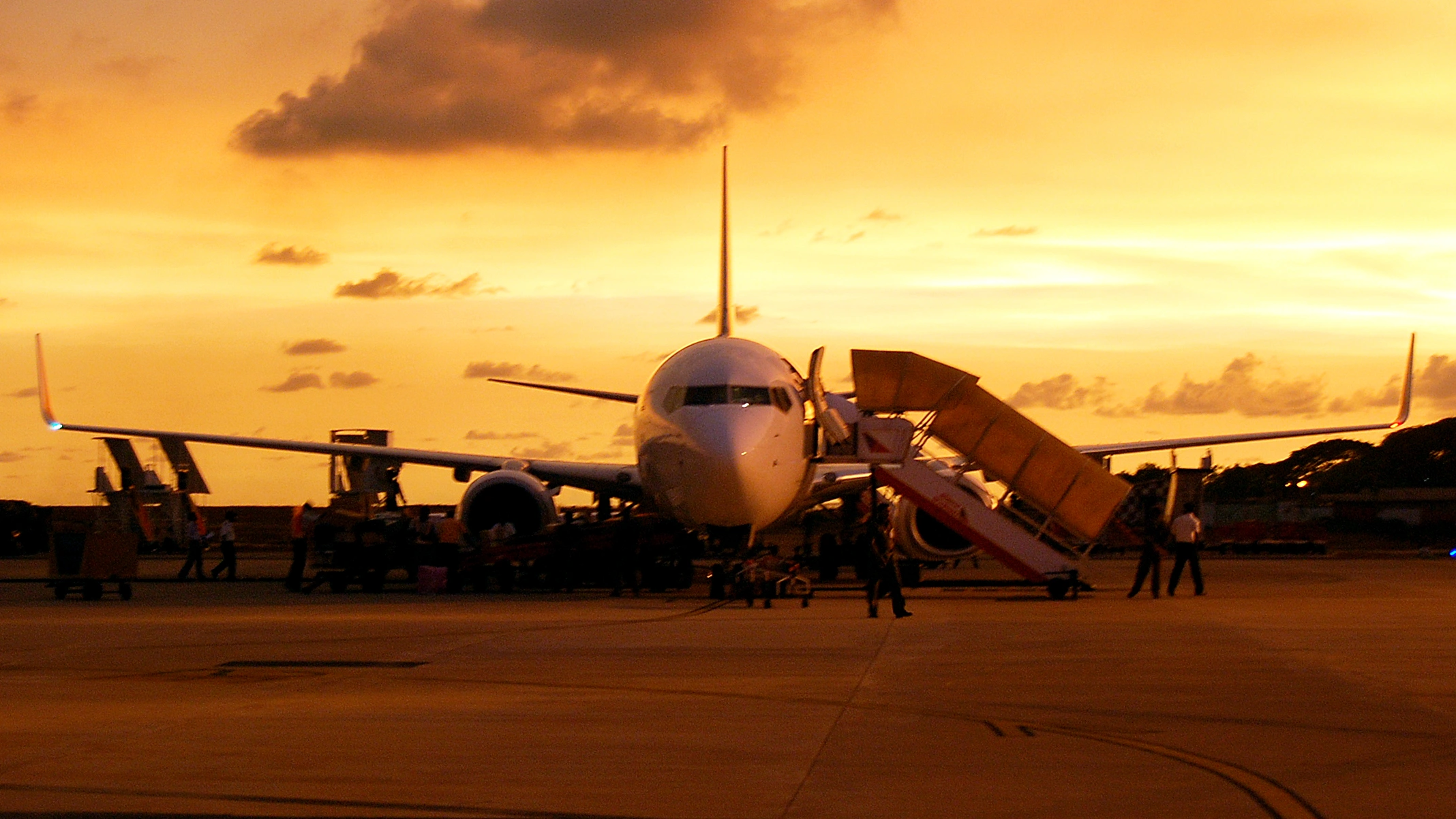
The Navi Mumbai–Abu Dhabi route directly links Navi Mumbai to the capital of the UAE, giving passengers from Navi Mumbai, Thane, Raigad, and surrounding areas easier access to international travel without crossing into the city. With the Abu Dhabi route confirmed, Air India Express will run 30 weekly flights from NMIA, connecting the airport to Abu Dhabi, Bengaluru, and Delhi.
BOM, Mumbai’s older airport, has long operated near its capacity limits. NMIA was conceived to ease that pressure as a second major aviation hub for the Mumbai Metropolitan Region, a need that Air India Express’s Abu Dhabi launch begins to address on the international side.

Why Navi Mumbai Airport Matters
NMIA began commercial domestic operations on 25 December 2025, following its inauguration by Prime Minister Narendra Modi in October 2025. Phase I of the airport was designed to handle 20 million passengers annually, with Phase II construction expected to commence after the 2026 monsoon season and push capacity to 50 million passengers a year\.
The airport currently handles around 20,000 passengers daily across approximately 150 aircraft movements, including arrivals and departures. Officials expect passenger numbers to rise to around 50,000 per day by the end of 2026, with daily air traffic movements projected to increase to about 380.
NMIA’s overall design envisions five development phases and an ultimate capacity of 90 million passengers per year, at a total group investment of approximately ₹80,000 crore, as detailed in coverage of Adani’s airport spending plans.
What NMIA’s Chief Executive Said
NMIA Chief Executive Officer BVJK Sharma confirmed the international timeline at the Brihanmumbai Customs Broker’s Association-hosted Logistics Conclave in Mumbai on 17 June. “On July 15, we are starting with freighters, and we expect the freighters to ramp up to almost 18 weekly flights. Good news is also that there is movement on the passenger side and hopefully on July 15 international passenger flights will also start,” Sharma told reporters, according to Outlook Business.
Customs authorities have already inspected NMIA’s readiness for international operations, with a formal trade notice expected around 5 July, The Week reported. Alongside the Abu Dhabi passenger service, international cargo activity is also scheduled to begin at the airport.

Air India Express’s Wider Footprint in Maharashtra
Air India Express is part of the Tata Group, and its presence across Maharashtra extends well beyond Navi Mumbai. From Mumbai’s BOM, the airline operates over 95 weekly flights. From Pune, the count crosses 100 weekly flights, and Nagpur sees 14 weekly flights.
The airline currently connects NMIA to Bengaluru and Delhi on domestic routes, with Abu Dhabi becoming its first international destination served from the airport. Air India Express already operates one of the larger networks between India and West Asia, with destinations covering Bahrain, Kuwait, Oman, Qatar, Saudi Arabia, and the UAE.
How This Compares to Other Indian Greenfield Airport Launches
NMIA’s path to international service mirrors a broader pattern among India’s newer airports, where domestic flights launch first and overseas routes follow once customs, immigration, and security infrastructure are certified. The airport’s international debut was delayed once already: operators had initially planned to start international services during the summer schedule but postponed the move due to the conflict in West Asia.
Other carriers are expected to follow Air India Express onto NMIA’s international network in the coming months. IndiGo (6E) is confirmed to operate international flights from the airport, and other domestic and foreign carriers are expected to add routes once the airport’s customs framework is formally in place, The Week reported.
The launch also reflects a wider Adani Airport Holdings Ltd strategy of layering international connectivity onto greenfield projects once they reach operational maturity. The group’s broader capital spending plan includes a ₹17,000 crore allocation for FY27 specifically for airport infrastructure, encompassing both NMIA’s Phase II build-out and a new terminal at Sardar Vallabhbhai Patel International Airport (AMD), Ahmedabad, ahead of the 2030 Commonwealth Games.