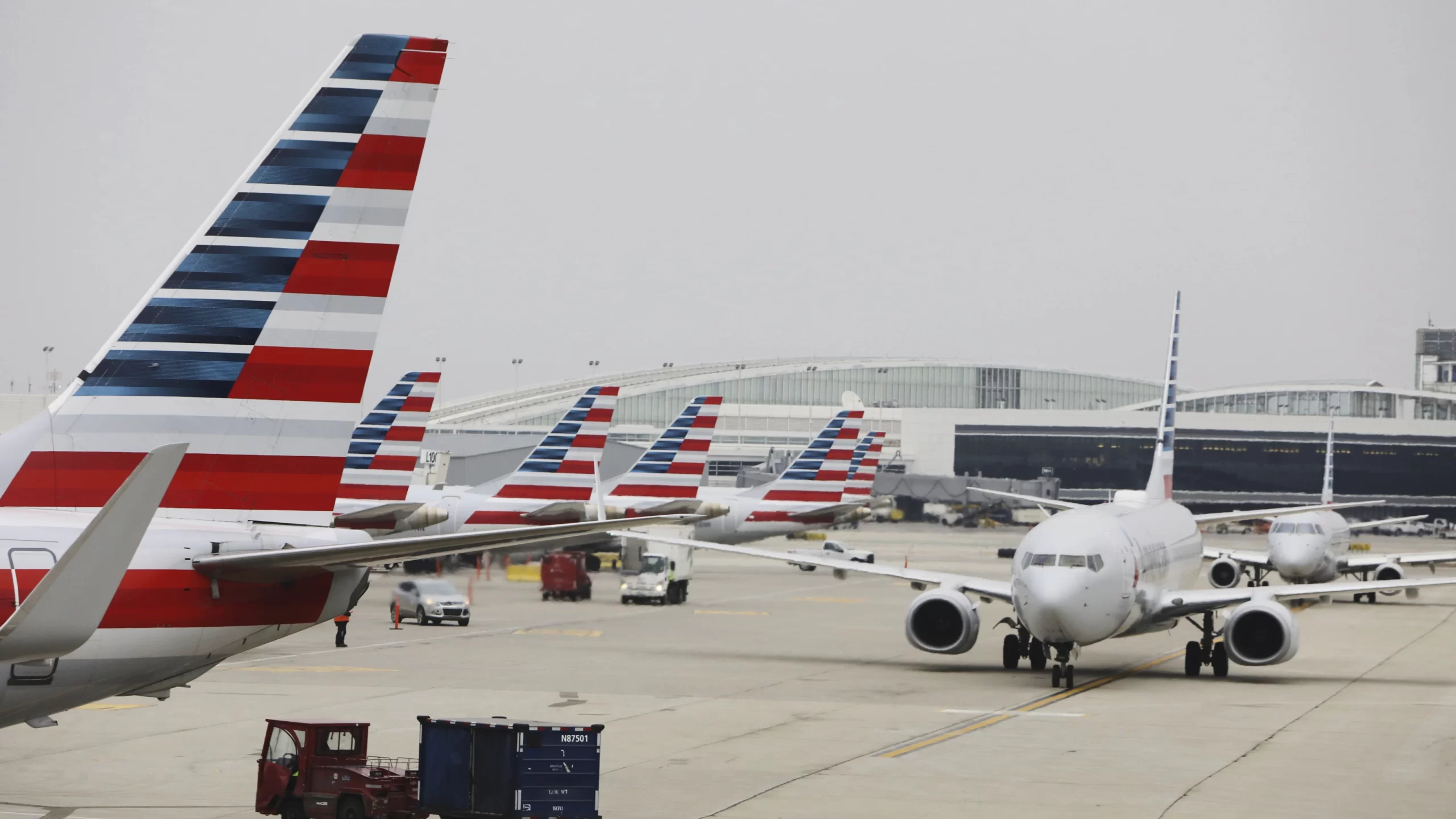
On May 30, 2026, a 49-year-old Sacramento resident named Kimani Osayande Jones — also known as Kimani Osayande Jackson — was arrested at Sacramento International Airport (SMF) after Transportation Security Administration (TSA) officers discovered a live explosive device in his carry-on bag. Jones was attempting to board American Airlines (AA) flight 2464, bound for Charlotte Douglas International Airport (CLT) in Charlotte, North Carolina. The incident took place at approximately 9:00 p.m. local time.
A federal grand jury later returned a three-count indictment against Jones, charging him with attempting to place a destructive device on an aircraft, unlawfully possessing explosive material in an airport, and attempting to carry a dangerous weapon or explosive onto an aircraft. U.S. Attorney Eric Grant announced the indictment, which was filed in the Eastern District of California. If convicted on all counts, Jones faces significant prison time and financial penalties.
What Jones Carried Through the Security Checkpoint
According to court documents, Jones arrived at the TSA checkpoint at Sacramento International Airport wearing a scarf covering his face and blue latex gloves. TSA officers flagged him for additional screening. What they found inside his carry-on bag triggered an immediate federal response.
The items recovered from his bag included:
- An M-type improvised explosive device (IED)
- A torch lighter capable of igniting the device
- A knife
- Scissors and scissor blades
- An aerosol can
- Zip ties
- Five cell phones
One of the cell phones displayed a 15-minute timer that was ready to start, and another showed a message from an unknown number that read: “we will be awaiting your call”. Investigators also noted that all five cell phones had painter’s tape covering their front-facing cameras, which they believed was intended to prevent recording of his surroundings.
How The Explosive Was Handled and Tested
After Jones was taken into custody, bomb disposal specialists moved quickly to neutralize the threat. Sacramento County Sheriff’s Office bomb technicians, along with an FBI Special Agent bomb technician, safely removed the explosive device from the checkpoint area.
The device was subsequently examined and tested by federal authorities. Both the powder and fuse were determined to be “viable and energetic”. This was not a replica or a training aid — it was a functioning explosive.
The TSA released a formal statement outlining what could have happened had the device reached the aircraft:
“The device had the potential to cause injury and, if it had detonated near a window on a pressurized aircraft flying above 10,000 feet, it could have damaged the aircraft and potentially caused a loss of cabin pressure,”
What Happened to Jones’ Checked Luggage
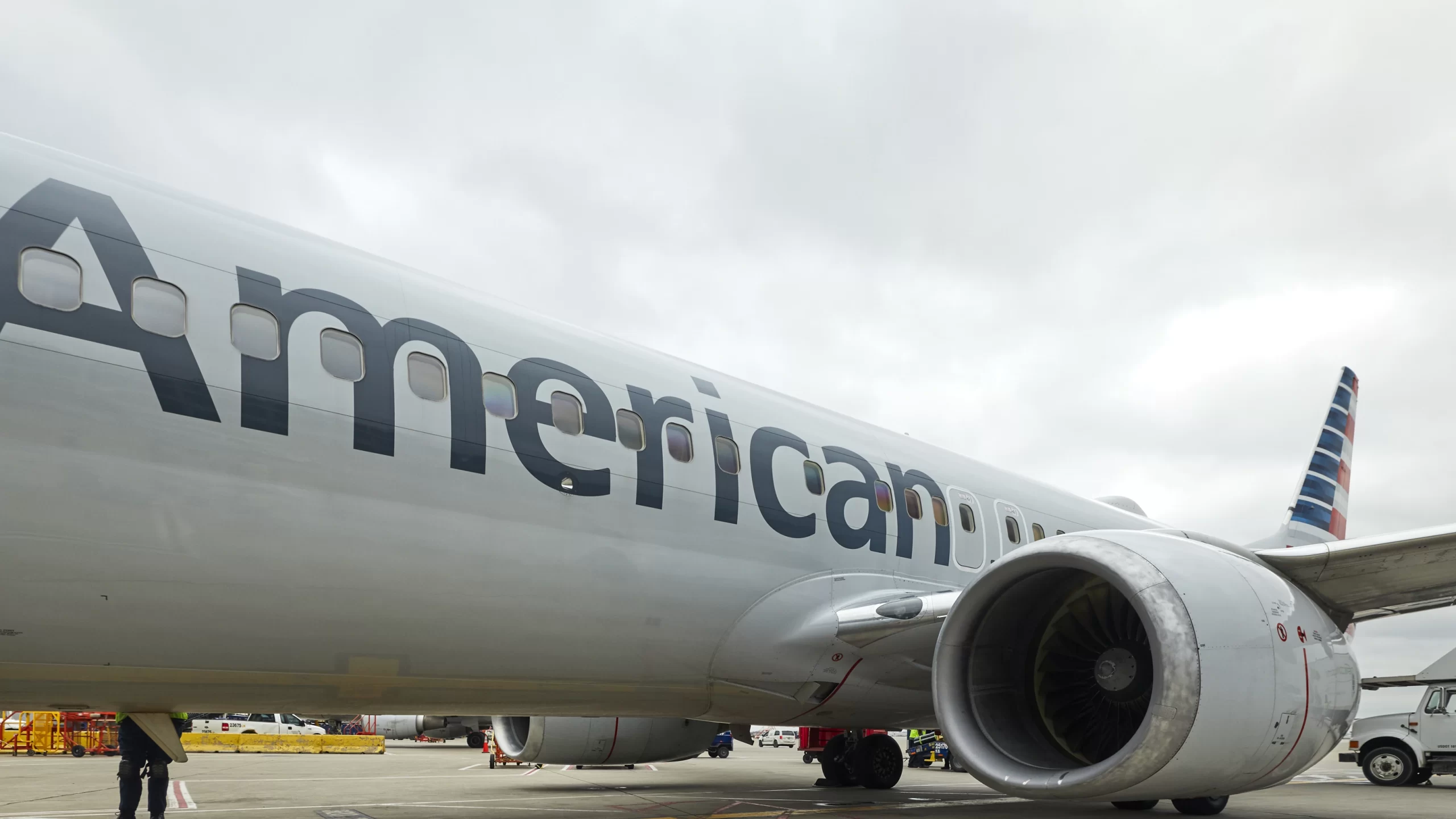
While Jones was stopped at the checkpoint, his other bags had already been processed and loaded onto the flight. His checked luggage was hand-searched upon arrival in Charlotte, and a canine unit also inspected all bags from the plane. Investigators reported that nothing “illegal or concerning” was found in the checked baggage.
The discovery that the checked bags were clean did not diminish the gravity of the situation. The explosive was real, the timer was armed, and Jones had multiple potential detonation methods with him at the checkpoint. Jones is currently being held at Sacramento County Main Jail on a federal hold with no bail.
Jones’ Prior Contact with the FBI Before the Incident
Investigators found that Jones had been contacting federal authorities long before the day of the arrest. Authorities believe Jones made approximately 13 calls to the FBI tip line beginning in March 2026, claiming he was being threatened and intimidated by an unknown individual. The calls painted a picture of escalating paranoia.
During one call on May 24, the individual identified as Jones reported being followed to and from a doctor’s appointment. He also described being “coerced in sleep to say certain phrases through digital media” and reported “hearing sounds coming through walls, window panes, or even outside, attributing the outside sounds to drones”.
His defense attorney, Meghan McLoughlin, has commented on the case. In a statement to CNN, McLoughlin said:
“There is often more to these cases than the government’s allegations, and that the criminal process will reveal Mr. [Jones’] full story”.
The Three Counts Jones Now Faces
The federal grand jury returned a three-count indictment against Jones on June 11, 2026. The charges are distinct and carry serious penalties.
- Count 1: Attempting to place a destructive device on an aircraft
- Count 2: Unlawfully possessing explosive material in an airport
- Count 3: Attempting to carry a dangerous weapon or explosive onto an aircraft
The case is being prosecuted by Assistant U.S. Attorney Elliot Wong and was announced by U.S. Attorney Eric Grant of the Eastern District of California. On the initial charge alone — unlawful possession of explosive material at an airport — Jones faces up to five years in prison and a $250,000 fine if convicted. The additional counts of attempting to place a destructive device on an aircraft carry even heavier penalties under federal law.
What Happens Next in the Federal Case
Jones remains in federal custody without bail as the case moves forward in the Eastern District of California. The indictment marks a significant escalation from the initial criminal complaint, which was filed on June 2, 2026. The three-count indictment was returned by the federal grand jury on June 11, 2026.
Federal prosecutions involving explosives at airports are handled with priority by U.S. attorneys. The case is being prosecuted by Assistant U.S. Attorney Elliot Wong. His defense attorney has signaled that the full context of Jones’ mental state and prior FBI contacts will be presented as the case develops.
