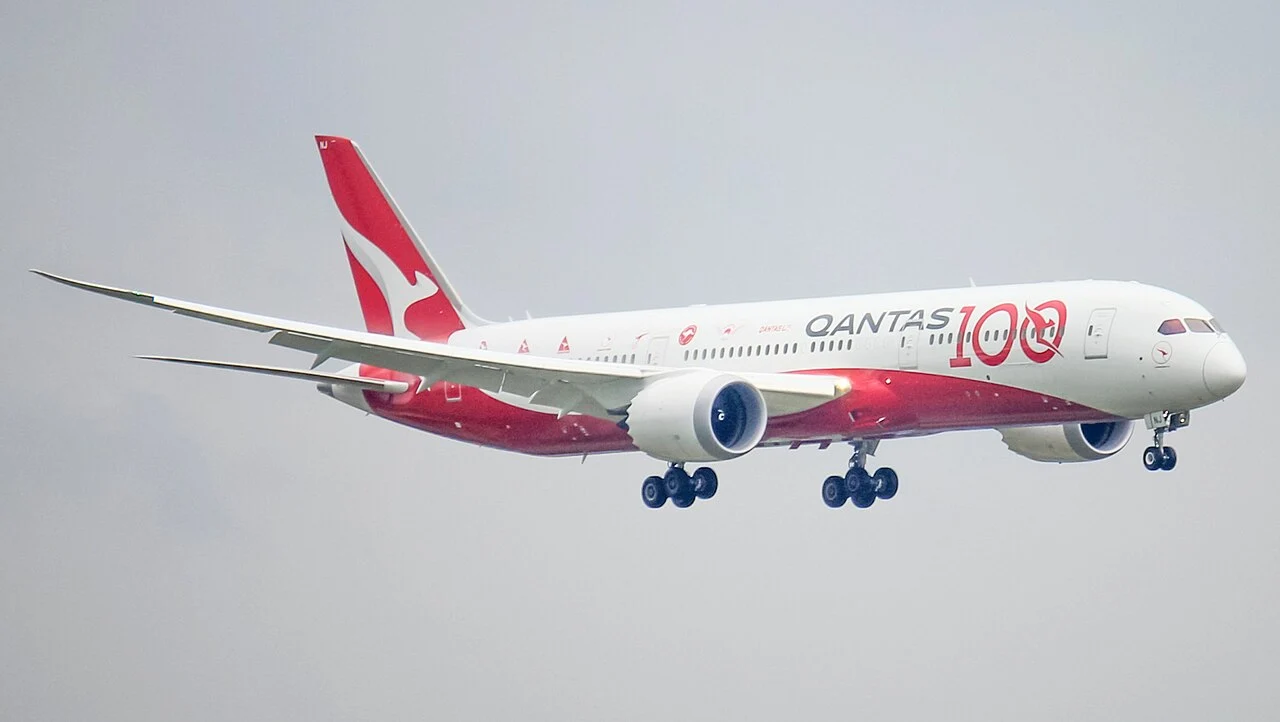
Qantas Airways (QF) is currently engaged in confidential discussions with both Airbus and Boeing over a potential order for approximately 20 wide-body aircraft, industry sources told Reuters on June 4, 2026. The sources, who declined to be named given the sensitivity of the talks, indicated that the carrier is weighing additional Boeing 787 Dreamliners or the primary variant of the Airbus A350 as it presses ahead with one of the most ambitious fleet renewal programmes in its 105-year history.
The reported deliberations come at a pivotal moment for the airline. Just two days before Reuters broke the story, Qantas confirmed on June 3, 2026, that its first Project Sunrise Airbus A350-1000 Ultra Long Range (ULR) aircraft had completed its maiden test flight from Toulouse-Blagnac Airport (TLS) in France — a milestone that has brought the carrier’s ambition to operate the world’s longest non-stop commercial flights closer to reality than ever before. Neither Airbus nor Boeing offered any comment on the potential new order; a Qantas spokesperson acknowledged only routine manufacturer engagement, stating no updates or new orders are imminent.

Qantas Confirmed Discussions Without Confirming a Deal
When approached for comment by Reuters, a Qantas spokesperson issued a carefully worded statement that neither confirmed nor denied active negotiations. The spokesperson said to Reuters:
“We’re in regular contact with aircraft manufacturers as part of our ongoing fleet planning and always update the market when we have something to announce. We currently have no updates or orders to announce.”
The measured nature of that response is consistent with Qantas’ well-established practice of maintaining strict confidentiality over fleet decisions until formal agreements are finalised. The airline has disclosed, however, that it holds existing purchase options with both manufacturers, split evenly between Airbus and Boeing. Industry sources cited by Reuters indicate that some of those pre-existing options could be exercised as part of the current study, rather than requiring an entirely new contractual framework.
Project Fysh And the Broader Fleet Renewal Programme
The potential 20-aircraft order does not exist in isolation. It is one component of a sweeping fleet renewal programme that Qantas operates refers to as “Project Fysh,” named after airline co-founder Hudson Fysh, formally announced in August 2023. Reuters reports that Qantas currently operates approximately 128 jets and is in the middle of a fleet renewal programme involving 200 aircraft in total.
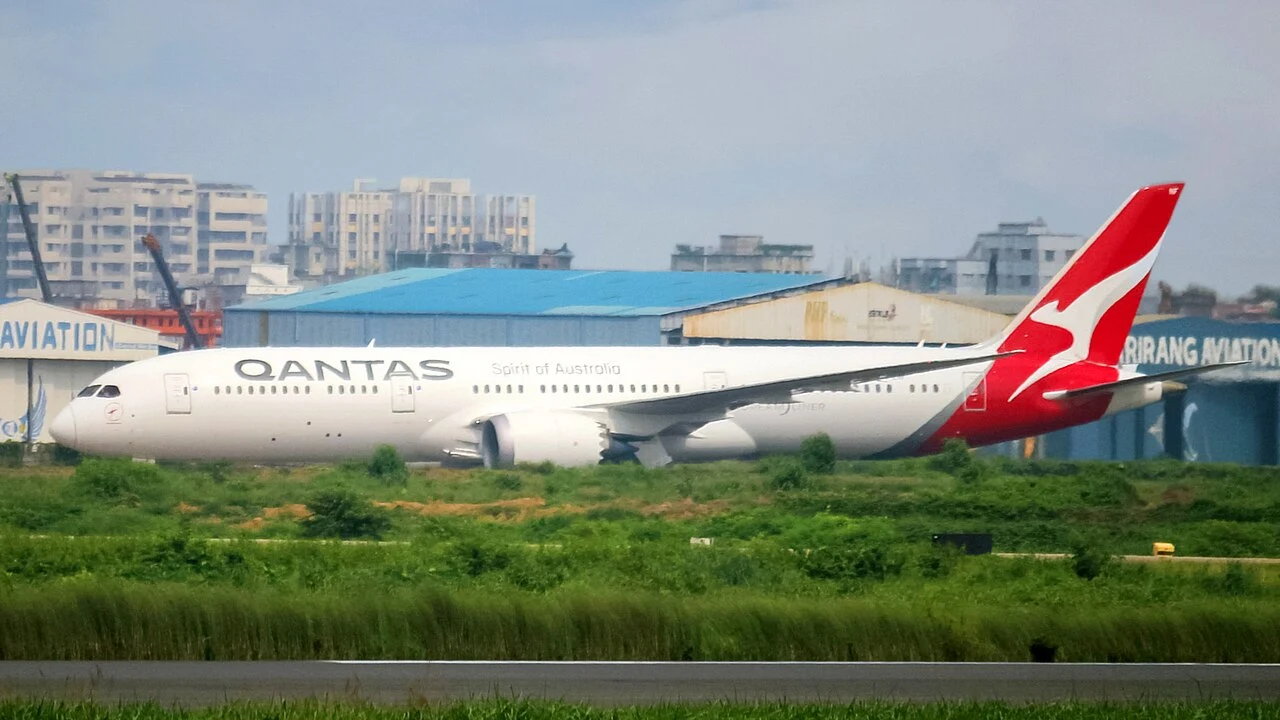
The wide-body component of that programme is substantial. Simple Flying’s fleet analysis confirms the airline currently operates 14 Boeing 787-9s, with four additional 787-9s and eight 787-10s on firm order for delivery from 2027 onwards. On the Airbus side, the airline holds firm orders for 24 A350-1000s, comprising 12 A350-1000ULRs for Project Sunrise and 12 standard A350-1000LRs for broader long-haul network expansion.
The primary catalyst for this wide-body expansion is the retirement of the carrier’s Airbus A330 fleet. As Flight Global reported in August 2023, Qantas operates 28 A330s in both the -200 and -300 configurations, primarily deployed on Asian international routes. Simple Flying’s analysis of the A330 fleet confirms the older -300s will exit first, while the refurbished -200s will remain until the 2030s.
Qantas itself confirmed that a multi-million dollar A330 interior refurbishment programme, expected to be completed by end-2026, is designed to sustain those aircraft until new widebodies arrive.
Beyond the A330, Qantas has also set a retirement timeline for its iconic Airbus A380 fleet. Flight Global’s reporting confirms the superjumbo is scheduled to leave the fleet from around 2032, replaced progressively by A350-1000s. In the interim, the airline completed an extensive A380 cabin refurbishment programme in late 2025, with the final aircraft returning to service in January 2026 on the Sydney Kingsford Smith International Airport (SYD) to Dallas/Fort Worth International Airport (DFW) route — currently the world’s longest A380 service by block time at 17 hours and 25 minutes on the return leg.
What The 20-Aircraft Order Would Mean for Qantas
According to stocktwits’ market analysis, Qantas’ existing 24 wide-body orders were established to begin phasing out its older A330 and A380 fleets from fiscal year 2027 onward. A further 20 aircraft would substantially advance Qantas’ capacity to retire legacy wide bodies, accelerate the carrier’s fuel efficiency trajectory, and deepen its international network flexibility.
The aircraft type ultimately selected will also signal which manufacturer receives the long-term halo effect of association with Qantas’ premium international product — a reputational prize that both Airbus and Boeing have historically competed hard to win.
The decision has an added dimension given the current global supply environment. Wide-body delivery slots are under sustained pressure across the industry, with both Airbus and Boeing managing production ramp-ups while contending with supply chain constraints.
Qantas has already experienced this firsthand: Project Sunrise deliveries slipped from late 2026 to April 2027 due to wider supply-chain disruptions, as CAPA confirmed. Securing additional delivery positions now, even if delivery years are in the late 2020s or early 2030s, would lock in capacity at a time when slots are genuinely scarce.

_-_VH-ZNJ_-_Boeing_787-9_Dreamliner_-_MSN_66074.jpg)
