Air New Zealand (NZ) and Singapore Airlines (SIA) announced on 28 May 2026 that they will significantly expand their joint venture network for the Northern Winter 2026 season, running from 25 October 2026 to 27 March 2027, adding new non-stop frequencies into both Auckland International Airport (AKL) and Christchurch International Airport (CHC).
The expansion increases combined seat capacity between New Zealand and Singapore Changi Airport (SIN) by 17 percent from late October, injecting approximately 72,000 additional seats and lifting the total seasonal seat count to more than 490,000. Both carriers, which have operated under a jointly authorised alliance since January 2015, cite accelerating leisure and business demand between New Zealand, Singapore, and key onward markets across Asia, India, and Europe as the primary commercial rationale for the move.
The announcement was made via a joint press release published simultaneously on the Air New Zealand newsroom and the Singapore Airlines corporate website. Subject to regulatory approval, flights under the new schedule are already available for booking on both airlines’ websites, marking an unusually compressed lead time that underscores the strength of commercial confidence in this corridor.

Why The Carriers Are Expanding Now
The expansion does not emerge in a vacuum. According to reporting by MiNDFOOD, the expanded network comes as carriers outside the Middle East reroute flights between Asia and Europe away from Gulf transit hubs, following severe disruption to air travel caused by the U.S.-Israeli conflict involving Iran. Singapore’s position as the leading alternative hub has generated materially higher transit demand through Changi, making the New Zealand corridor more commercially attractive for both partners.
Beyond geopolitics, Reuters reported that the alliance reflects sustained growth in both leisure and business travel following years of post-pandemic recovery. According to Asia Business Outlook, passenger numbers across the alliance have continued their upward trajectory, encouraging both carriers to absorb the capital commitment of widebody deployments on a route that historically ran at premium-class capacity constraints.

A Closer Look at Christchurch Services and Auckland Adjustments
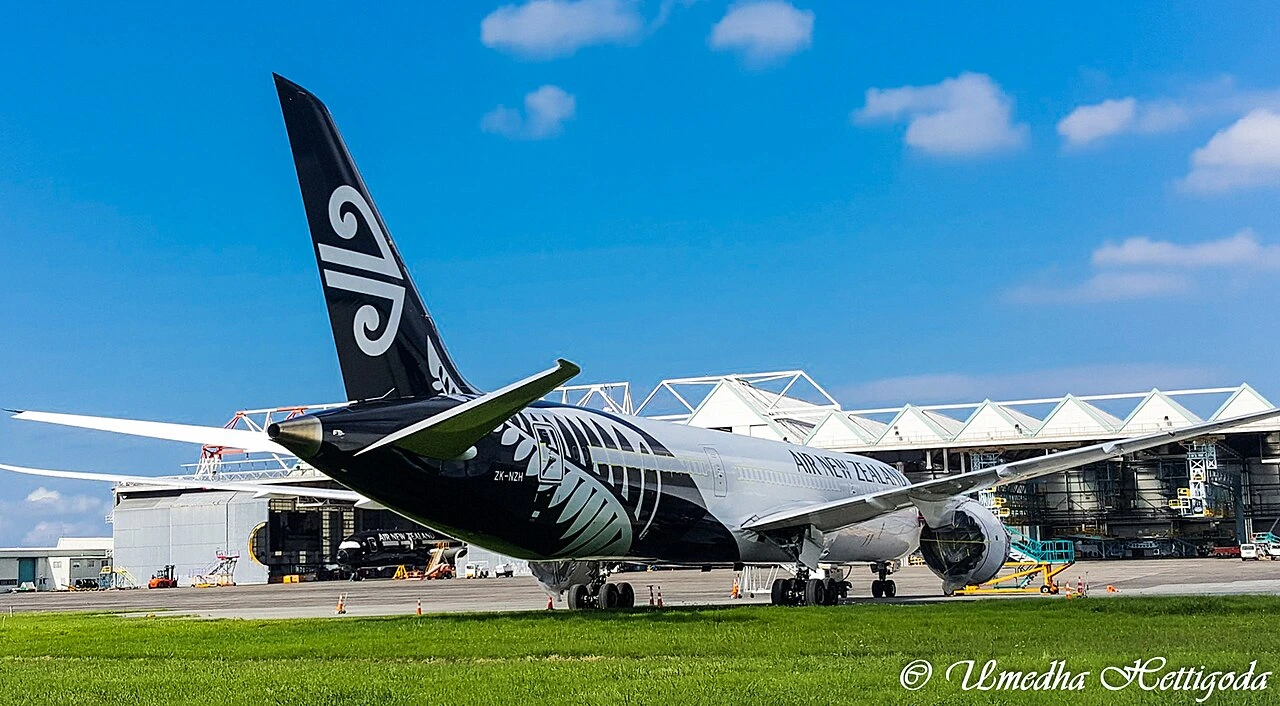
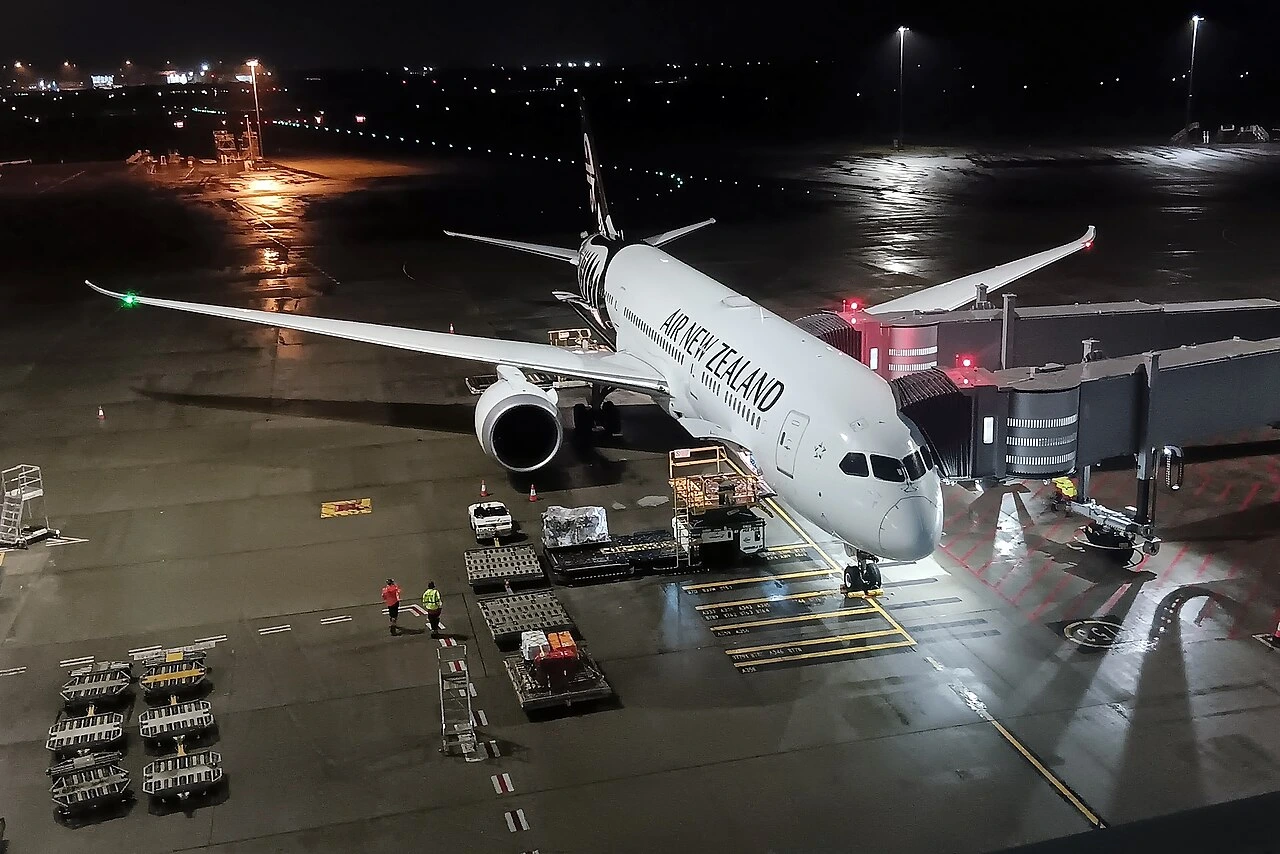
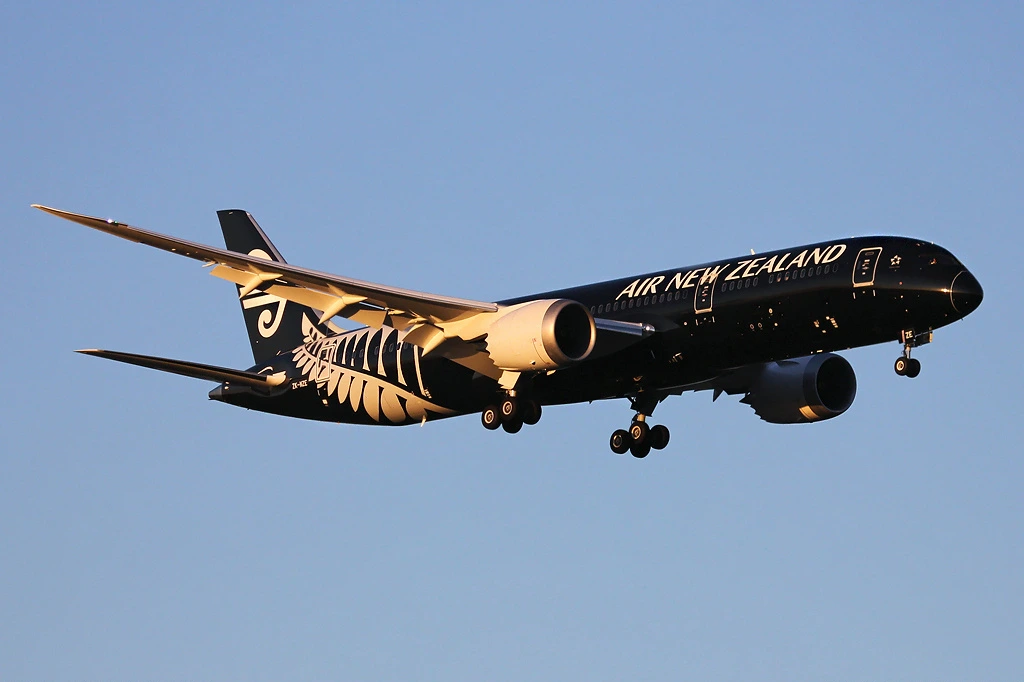
The centrepiece of Air New Zealand’s contribution to the expanded programme is the launch of three weekly non-stop services between Singapore Changi Airport and Christchurch International Airport, operated using the Boeing 787-9 Dreamliner.
Air New Zealand’s 787-9 fleet carries an average age of 9.9 years and is part of a modern, fuel-efficient widebody portfolio that the airline also deploys on its Auckland–New York service and other long-haul routes. Singapore Airlines currently operates up to 12 weekly services between Singapore and Christchurch, so the combined 15 weekly return flights during the peak months of November 2026 to February 2027 represent a substantial uplift in South Island connectivity.
On the Auckland corridor, Air New Zealand will add four additional weekly services, deploying both its Boeing 777 and Boeing 787 aircraft. Singapore Airlines, by contrast, will reduce its Auckland schedule from three daily flights to two daily flights while simultaneously upgrading the gauge of aircraft it operates on those two daily services.
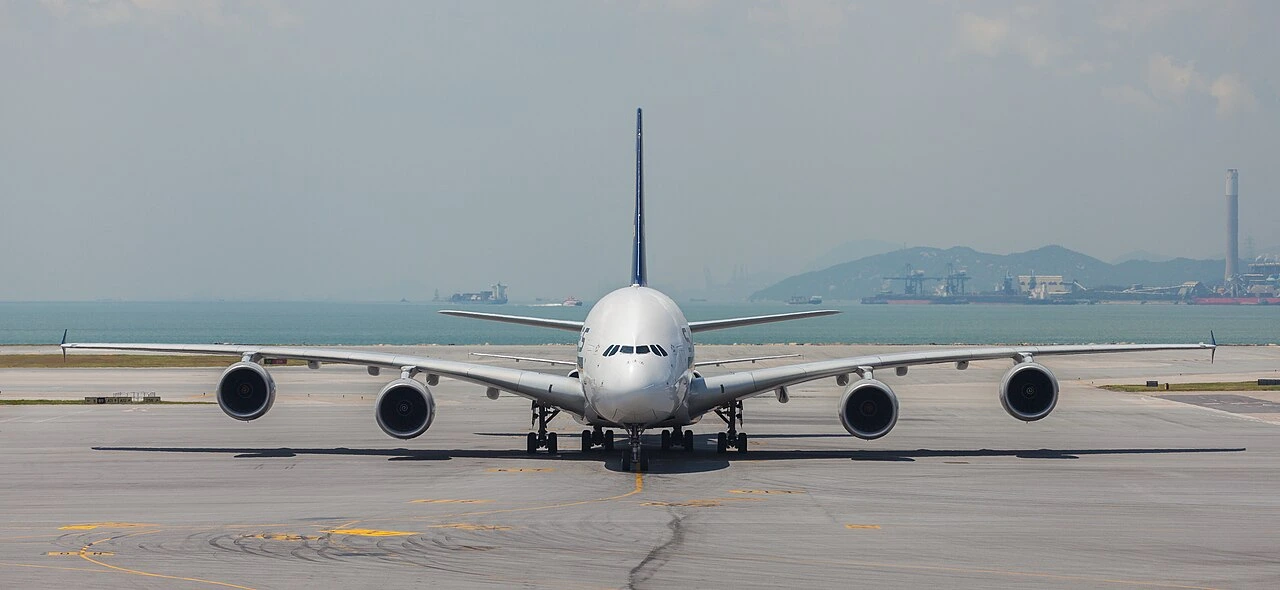
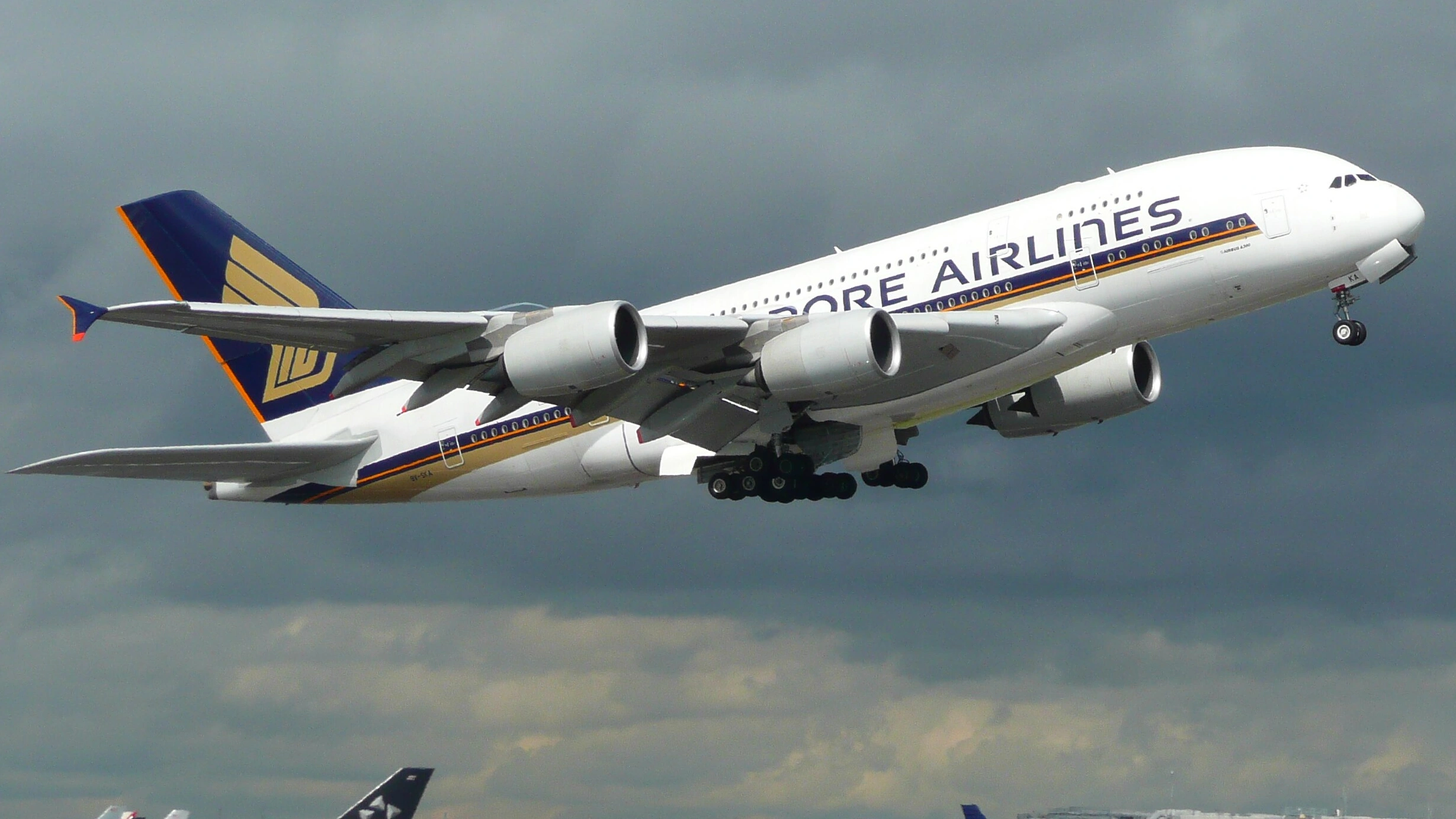
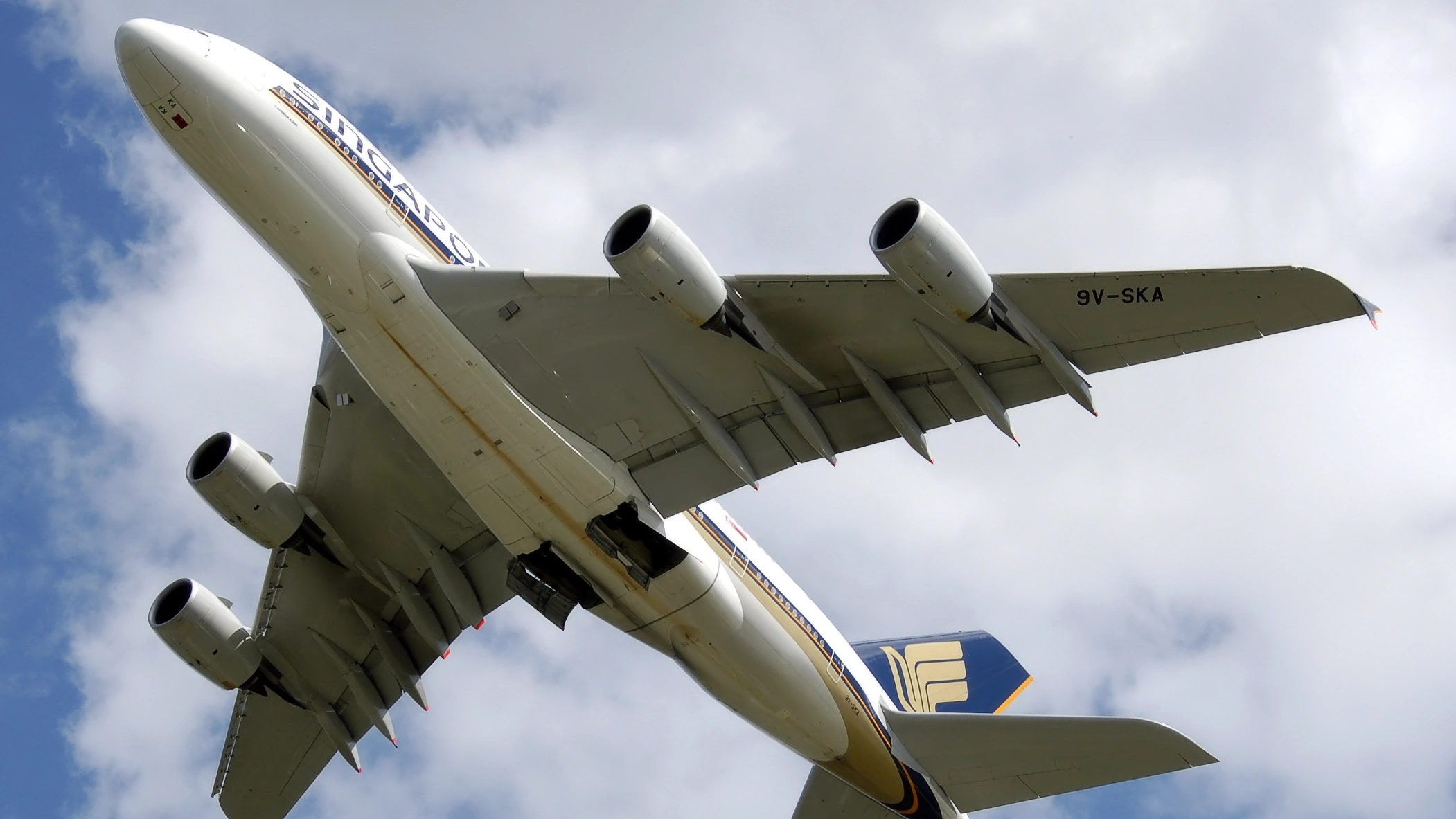
The net effect on available seat capacity is positive, because the aircraft replacing the Boeing 777-300ER on Auckland services is considerably larger: Singapore Airlines will deploy its Airbus A380 on daily services SQ285 and SQ286 throughout the Northern Winter season, marking a high-profile return of the superjumbo to New Zealand.
_taking_off_from_London_Heathrow_Airport_(5).jpg)
Singapore Airlines Deploys the A380 To Auckland
The Airbus A380 that Singapore Airlines will operate on SQ285 and SQ286 is configured in four cabin classes across 471 seats, according to the official Air New Zealand–Singapore Airlines joint press release. The cabin breakdown is as follows:
- Suites: 6 seats, located on the upper deck forward cabin, each enclosed with a sliding door, full-flat bed, and 32-inch monitor — the only first-class product in Singapore Airlines’ current fleet
- Business Class: 78 seats in a 1-2-1 direct-aisle-access configuration, offering lie-flat beds, a 23-inch monitor, and a cocoon-style privacy shell
- Premium Economy Class: 44 seats on the main deck, with a 36–38 inch seat pitch and 19.5-inch seat width
- Economy Class: 343 seats in a 3-4-3 configuration on the main deck, with a 32-inch pitch and 18.5-inch width
Singapore Airlines was the launch operator of the A380, placing the type into commercial service in October 2007 on the Singapore–Sydney route, according to Simple Flying. The airline’s A380 product underwent a comprehensive refresh in 2017, when Singapore Airlines invested approximately USD 850 million to refit 19 aircraft with new interiors, as reported by Singapore Airlines’ own press materials and confirmed by Airbus.
Deploying this aircraft — the world’s largest commercial passenger jet by capacity — on the Auckland route signals a firm commitment to the New Zealand market at a moment when many other carriers are switching to smaller twin-engine widebodies for cost efficiency.
It is worth noting that the A380’s economics on long-haul trunk routes have come under scrutiny in recent years. Our analysis examined why several carriers, including Singapore Airlines itself, had withdrawn the A380 from certain Australian routes, citing the quadjet’s higher fuel burn relative to the Boeing 787 or Airbus A350.
.jpg)
Passenger Benefits: Connectivity, Loyalty, And Codeshare Reach
The expanded joint schedule broadens the practical utility of the alliance for travellers at both ends of the route. According to Air New Zealand’s official alliance page, the codeshare network currently connects passengers to more than 55 destinations across Southeast Asia, India, the United Kingdom, and Europe. Passengers booking under the alliance can combine Air New Zealand’s domestic feeder network across 20 New Zealand regions with Singapore Airlines’ extensive hub connectivity through Changi.
Both carriers are members of the Star Alliance, the world’s first truly global airline grouping, established in 1997, which today offers more than 16,000 daily flights to nearly 1,200 airports in 186 countries. This means Krisflyer and Airpoints members enjoy reciprocal earn-and-redeem privileges and Star Alliance Gold and Silver status recognition across both airlines. The new Christchurch services, in particular, open up the South Island gateway for inbound visitors from Europe, India, and Southeast Asia who previously had to transit through Auckland before connecting south — a routing friction that the new non-stop services eliminate.
.jpg)
What The Airlines Said About the Partnership
Air New Zealand Chief Operations and Alliances Officer Michael Williams underscored the significance of the expansion in statements carried by the official press release:
“Our partnership with Singapore Airlines plays a critical role in connecting the world to New Zealand and vice versa. This Northern Winter expansion gives our customers even more travel options, whether they are visiting New Zealand for business, leisure, or to reconnect with friends and family.”
Williams added:
“The introduction of Air New Zealand’s Christchurch services is especially exciting because it creates more options for visitors to access some of New Zealand’s most popular destinations in the South Island, while remaining fully connected into Singapore Airlines’ extensive global network.”
For his part, Dai Haoyu, Senior Vice President Marketing Planning at Singapore Airlines, said in the same joint statement:
“Our long-standing partnership with Air New Zealand serves the strong demand for travel between New Zealand and Singapore, as well as onward to key destinations across our global network. The deployment of the Airbus A380, with its greater seat capacity and enhanced travel experience, to Auckland, reflects our commitment to this important market.”

Wikimedia Commons
Singapore and Air New Zealand’s Decade-Long Partnership In Numbers
The Northern Winter 2026 announcement is the latest chapter in an alliance with deep institutional roots. Air New Zealand and Singapore Airlines launched their joint venture in January 2015, and the partnership has since been reauthorised by New Zealand regulators twice — most recently in February 2024, when New Zealand’s Associate Minister of Transport approved a five-year extension running to March 2029.
At the time of that reauthorisation, both airlines noted that the alliance had grown seat capacity between the two countries by nearly 50 percent over the preceding decade, encompassing the addition of up to three daily Auckland–Singapore services and a daily Christchurch–Singapore service.
A milestone press release published in early 2025 revealed that the two airlines had carried more than 5.5 million passengers between New Zealand, Singapore, and beyond since the alliance’s launch. During peak summer travel periods, the partners operated up to 38 return flights between Auckland, Christchurch, and Singapore — a figure that the Northern Winter 2026 expansion, with its 15 weekly Christchurch services alone, is set to surpass.
The most popular onward destinations for New Zealanders through the alliance include the United Kingdom, India, and Thailand, while inbound visitors into New Zealand through the partnership come primarily from India, the United Kingdom, and Germany, according to Air New Zealand’s own anniversary communications.
_taking_off_from_London_Heathrow_Airport_(2).jpg)
Air New Zealand’s Broader 2026 Network Expansion
The Singapore Airlines partnership announcement does not stand alone — it sits within a wider programme of international capacity expansion that Air New Zealand is executing across 2026. In a parallel announcement, Air New Zealand confirmed the reinstatement of three major long-haul international routes from Christchurch, connecting the South Island directly to Singapore Changi, Tokyo Narita International Airport, and Perth Airport for the first time, with the Christchurch–Singapore service specifically launching on 28 October 2026 — one day after the joint venture seasonal schedule begins.
The airline is also introducing Economy Skynest lie-flat sleep pods on the Auckland–New York John F. Kennedy International Airport route from October or November 2026, deploying its updated Boeing 787-9 fleet on that ultra-long-haul corridor. These announcements collectively position Christchurch International Airport as a significantly more autonomous international gateway than it has historically been, reducing dependence on Auckland International Airport as the sole South Island hub feed into the long-haul network.
As noted by Nomad Lawyer, Christchurch Airport Chief Executive Justin Watson has described the wave of widebody service launches as catalysts for network growth, tourism opportunity, and freight capacity expansion. The Singapore Airlines expansion and Air New Zealand’s own Christchurch launches therefore form a mutually reinforcing commercial logic, with both carriers converging on the same South Island gateway simultaneously.
Regulatory Status and Booking Availability
The expanded schedule is subject to regulatory approval from New Zealand and Singaporean aviation authorities, as is standard procedure for joint venture capacity filings. Both airlines confirmed in the joint press release that flights are already available for booking on their respective websites, a step that typically accompanies high confidence in approval timelines given the existing five-year reauthorisation currently in force until March 2029. Travellers seeking the latest schedule details are advised to consult the Air New Zealand and Singapore Airlines booking platforms directly.