The Dhamija scandal refers to the alleged irregularities surrounding the April 1993 appointment of British-Indian businessman Dinesh Dhamija — operating through his company Fair Company UK, later Flightbookers — as the General Sales Agent (GSA) for Royal Nepal Airlines Corporation (RNAC) now Nepal Airlines Corporation (RA) for European ticket sales, an appointment that critics alleged was made under direct pressure from then-Prime Minister Girija Prasad Koirala rather than through any transparent or competitive process.
Nepal News English’s April 2026 definitive explainer on the scandal confirmed that a 1993 parliamentary Audit Committee probe, a 1995 Gajendra Mani Pradhan Commission investigation, and multiple Supreme Court cases followed the appointment — with the communist government of the day alleging losses to RNAC of USD 20 million from the GSA arrangement, including claims that European route ticket sale revenues were handled through Dhamija’s accounts rather than being directly remitted to Nepal, raising fundamental transparency concerns.
Dhamija ultimately won a substantial court settlement from RNAC after the deal was scrapped, leaving the state airline bearing both the financial loss of the original arrangement and the legal cost of its termination.

The scandal was not merely an isolated episode of early-1990s post-democracy excess. Nepali authorities formally revived the case in November 2025 — more than three decades after the original appointment — in what Nepal News English characterised as evidence that “historical accountability at NAC has a very long tail.”
It sits at the opening of a documented chronology of politically driven procurement decisions, aircraft leasing scandals, and outright bribery that has progressively dismantled an airline that at its peak operated 19 aircraft, employed more than 2,200 people, and was one of only two airlines in the world flying Boeing 757s — alongside Singapore Airlines and Royal Brunei — to a network of over 40 destinations. The Dhamija scandal did not destroy RNAC alone; but it established both the method and the impunity that subsequent actors would replicate on an ever-larger scale.
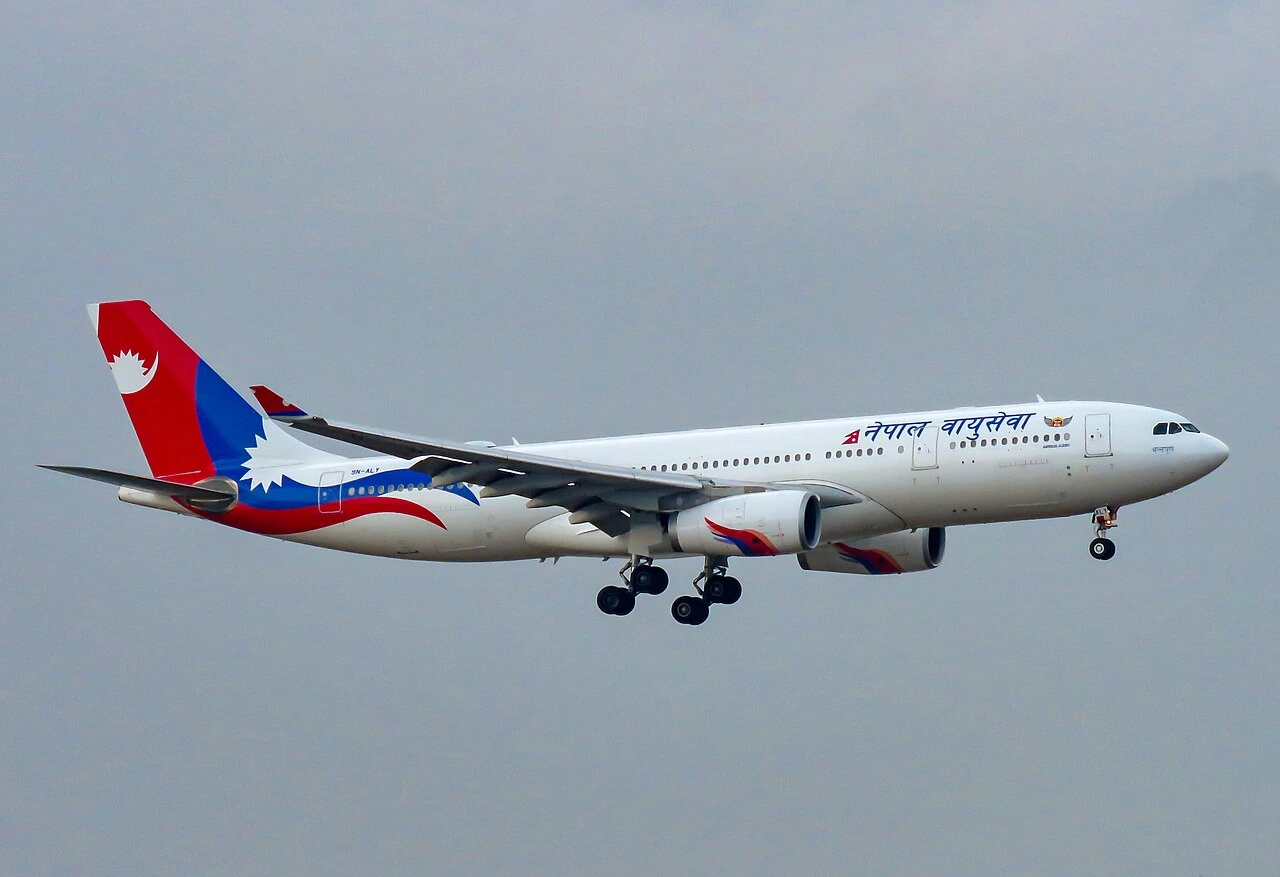
The Man Behind Nepal Airlines’ Most Controversial Deal
Understanding the Dhamija scandal requires understanding both who Dhamija was and what the GSA contract meant commercially for RNAC’s European revenue. Wikipedia’s biography of Dinesh Dhamija confirms he is a British-Indian entrepreneur born in 1950 who by 1983 had built Flightbookers into a three-branch London travel agency.
His firm was first appointed General Sales Agent for Royal Nepal Airlines in the United Kingdom and Ireland in 1987 — a legitimate commercial arrangement under which Flightbookers handled ticket sales for RNAC routes from British airports. The controversy arose from the April 1993 expansion of that arrangement to a broader European GSA covering ticket sales across the continent, which critics alleged was driven not by commercial merit but by Dhamija’s personal relationship with Prime Minister Koirala.
The Kantipur Archive’s 2025 translation of parliamentary records confirmed that the 1993 Audit Committee’s inquiry report stated Koirala had exerted undue pressure on RNAC management to favour the appointment of Fair Company — Dhamija’s associated entity — and that the Prime Minister was “directly involved in irregularities by abusing authority.” The committee summoned Koirala in May 1994, marking the first time since Nepal’s 1990 democratic transition that a parliamentary committee had formally called a sitting Prime Minister to answer charges of administrative irregularity. Tourism and Civil Aviation Minister Ramhari Joshi, present at the meeting where the appointment was pressed through, subsequently filed a Supreme Court writ challenging the Pradhan Commission’s findings.
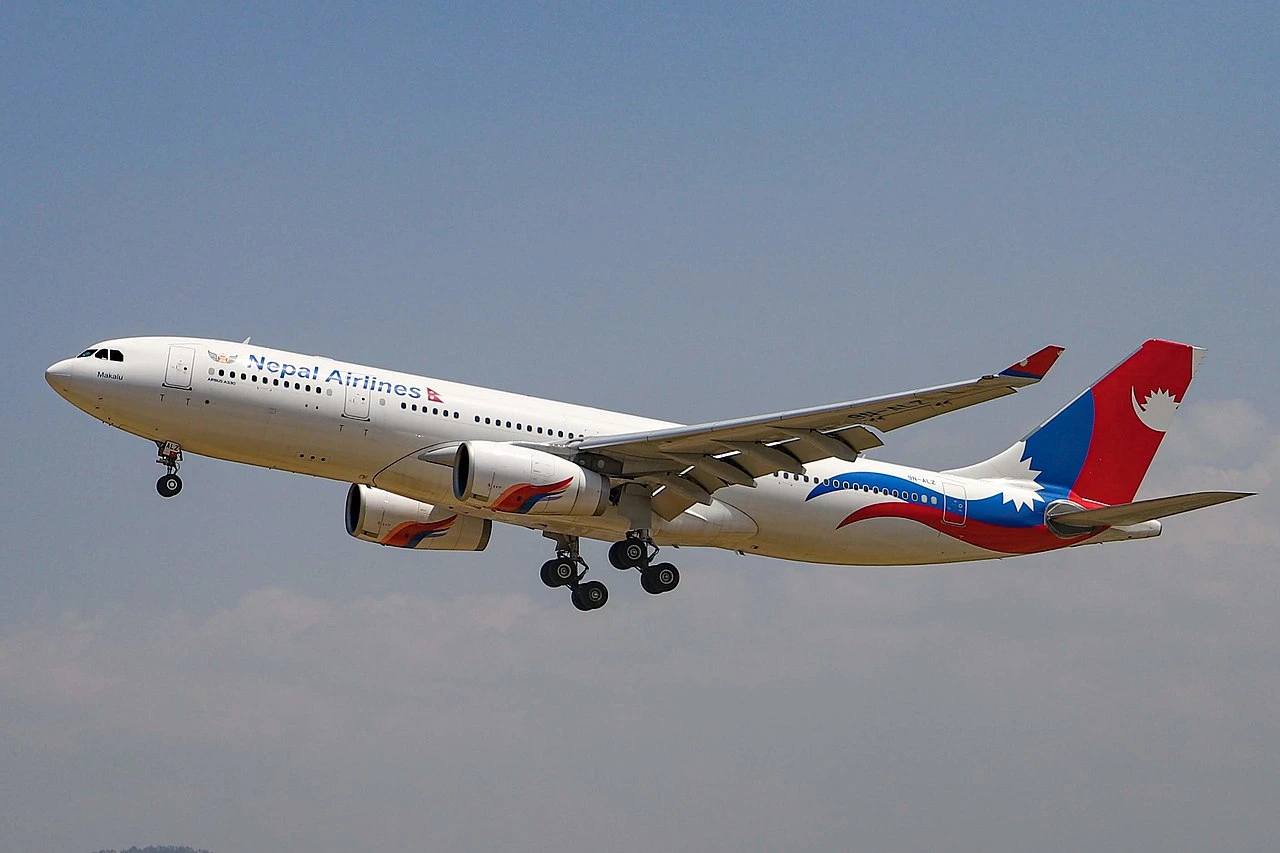
The Pradhan Inquiry and the Missing Proof
The 1995 Gajendra Mani Pradhan Commission represented the most structured official inquiry into the Dhamija appointment, and its findings shaped the legal and political contest that followed. Nepal News English’s explainer confirmed that a 1995 UPI international wire dispatch reported the communist government’s allegation of a USD 20 million loss to RNAC from the GSA arrangement.
This figure is derived from claims that Dhamija’s European ticket sales operation had handled revenue that should have flowed directly to RNAC through transparent accounting but instead passed through intermediary accounts before remittance. The commission’s findings identified the process as lacking transparency and criticised the political interference in what should have been a commercial decision made by RNAC management on merit.
The critical limitation of the Pradhan Commission’s findings was their inability to produce a final determination of legal illegality. Nepal News English noted that “the appointment itself was not declared illegal in final rulings, but the process was criticised as lacking transparency” — a distinction that allowed Dhamija to pursue a settlement claim when RNAC subsequently terminated the arrangement.
FundingUniverse’s corporate history of RNAC confirmed the outcome: “Dhamija won a substantial settlement with the airline after a bitter court battle over these charges” — meaning RNAC paid the very person whose appointment had allegedly caused it losses, because the airline had terminated a contract without adequate legal justification to avoid paying the settlement. The financial damage to the institution was therefore double: revenue allegedly mishandled during the GSA period, followed by a court-ordered settlement paid out on termination.
Dhamija himself subsequently built one of Europe’s most successful online travel businesses. In 1999, he founded Ebookers — the first interactive online travel agency in the United Kingdom — which he sold in 2005 for £209 million, making him one of the wealthiest Asian residents in the UK with an estimated net worth of £100 million at the time of sale.
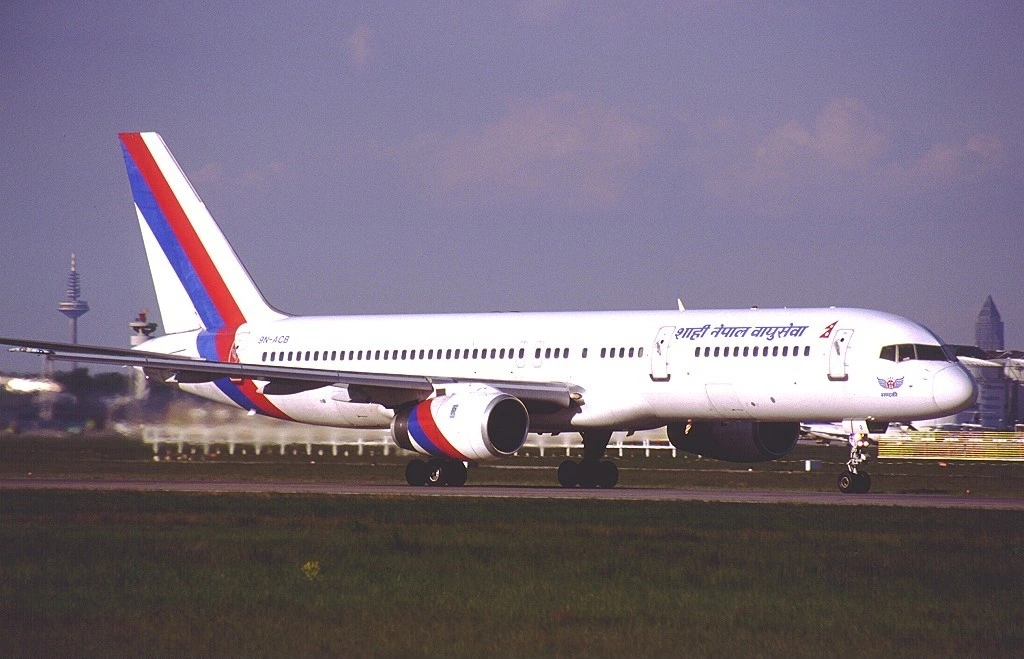
How AAR Corp Paid USD 55 Million Over Nepal Airlines Bribery
The most extraordinary external dimension of the widebody scandal emerged from an American courtroom rather than a Nepali one. The Washington Trade and Tariff Letter’s confirmed report on the AAR Corp settlement documented that AAR Corp — an Illinois-based aviation services company selected in December 2016 as part of the consortium supplying the two Airbus A330-200s to NAC — agreed to pay over USD 55 million to resolve investigations by the U.S. Department of Justice and the Securities and Exchange Commission into violations of the Foreign Corrupt Practices Act (FCPA).
The company admitted that between 2015 and 2020, it had conspired to pay bribes to Nepali government officials through intermediary companies to obtain and retain NAC business, generating profits of nearly USD 24 million from the scheme. A former AAR subsidiary executive pleaded guilty; internal communications produced as evidence showed an AAR representative boasting in a text message about having dinner with a senior evaluation committee member to discuss how to remove competing bids.
My Republica’s February 2026 editorial analysis identified the FCPA finding as proof that the CIAA’s own investigation was incomplete:
“The latest news that a US firm was fined over USD 55 million for bribing Nepali officials to secure a wide-body aircraft deal with NAC has shown how politicians and bureaucrats are colluding in major corruption cases in Nepal.”
The editorial called for fresh investigations targeting the top political figures involved — noting that the CIAA’s April 2024 case had focused on technical procurement violations rather than the full bribery conspiracy exposed by the U.S. DOJ proceedings.

_@_HKG,_March_2019.jpg)

