A UK Employment Tribunal has ruled that easyJet (U2) acted within the law when it dismissed a First Officer who had been charged with rape and sexual assault, even though prosecutors later dropped all charges and the pilot was fully acquitted, Paddle Your Own Kanoo flagged.
The judgment, issued by Employment Judge Morton and dated 8 March 2026, concludes that the airline’s dismissal of First Officer Nikita Azarkevich on 15 October 2024 was justified on the grounds of potential reputational damage to the carrier’s brand — a legal basis known in British employment law as “some other substantial reason” (SOSR) under section 98 of the Employment Rights Act 1996. The tribunal heard the case at London South by Cloud Video Platform on 2 and 3 February 2026.
The ruling confirms that a carrier operating a consumer-facing, family-oriented brand may lawfully terminate a pilot’s employment before a criminal trial concludes — and before any verdict is reached — provided the employer holds a genuine and reasonable belief that continued employment poses a material risk of reputational harm.
However, the judgment also delivers a pointed rebuke to easyJet’s handling of the early stages of the case, finding that base management made a series of poor decisions, failed to document key interactions adequately, and misrepresented the grounds for revoking the pilot’s airside security passes.
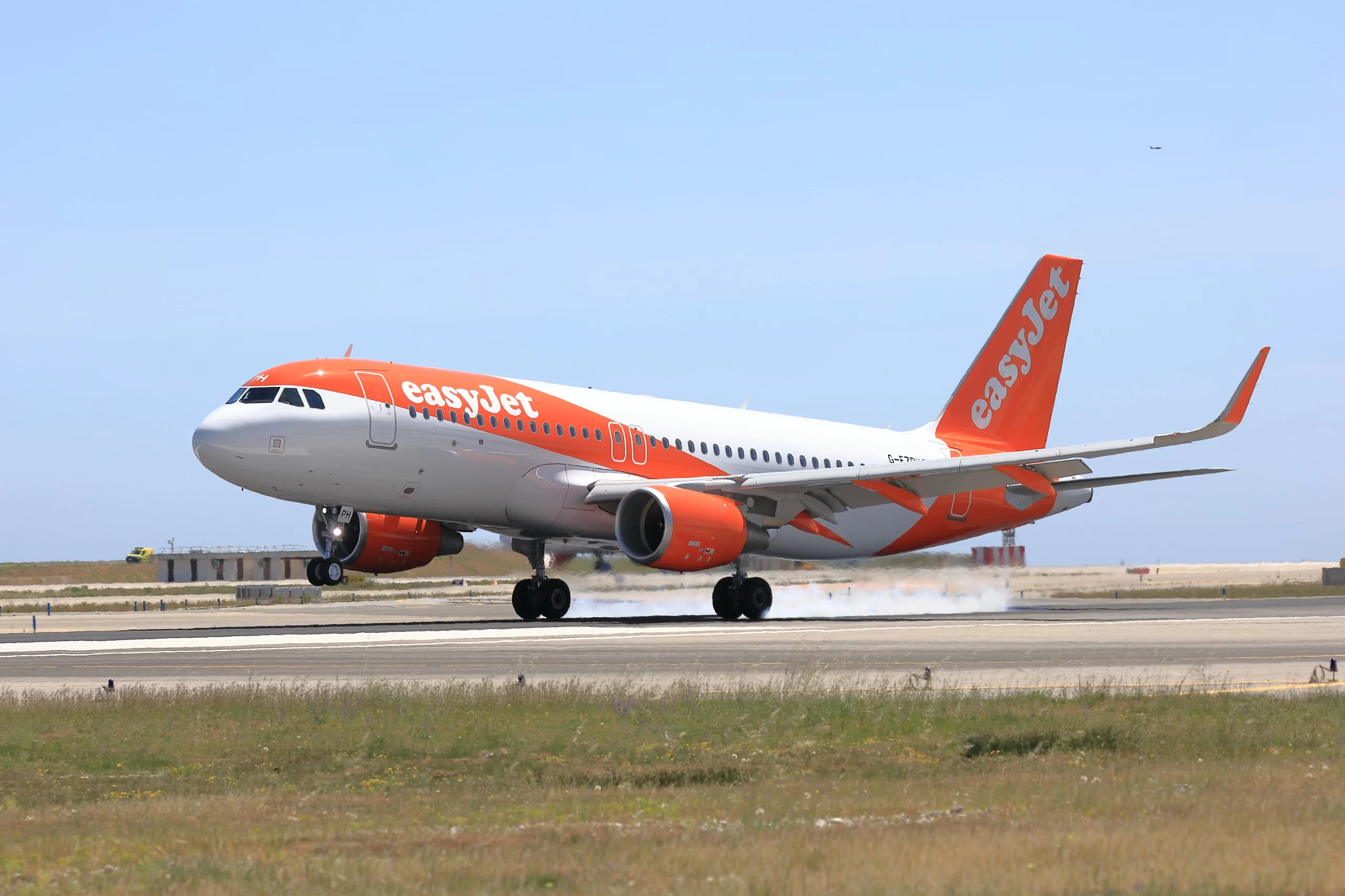
The Pilot, The Charges, And the Timeline That Led to Dismissal
Nikita Azarkevich joined easyJet as a First Officer in Berlin on 26 March 2018 and transferred to the carrier’s base at London Gatwick Airport (LGW) on 11 February 2019, where he remained until his dismissal. On 19 April 2023, Sussex Police arrested him on suspicion of rape and released him on bail pending further investigation. The following day, police informed easyJet of the arrest.
Initially, following a meeting with his Base Captain, Lynne Clark, easyJet allowed Azarkevich to resume his flying duties while the investigation continued, operating on the principle of innocence until proven guilty. That arrangement held for over a year — until 2 May 2024, when Sussex Police informed easyJet that Azarkevich had been formally charged with both rape and sexual assault. He was immediately placed under what the airline designates “Special Operational Clearance” (SOC) status and relieved of all flying duties, partly because the court had seized his passport as a bail condition.
After his bail hearing on 5 June 2024 restored his passport, Azarkevich and his solicitor sought clarification from easyJet on whether he could return to flying duties. They received no definitive response for weeks. Instead, a series of decisions by base management at London Gatwick — including the revocation of his airside security passes — created confusion and, as the tribunal later found, constituted a significant failure of procedural fairness on easyJet’s part.

_G-EZTF_-_MSN_3922_(6960910130).jpg)
The Airside Pass Controversy and EasyJet’s Procedural Missteps
One of the most striking passages of the tribunal judgment concerns the handling of Azarkevich’s airside passes, which were the security credentials required to access restricted zones at London Gatwick. The passes were revoked on easyJet’s own instruction, yet the pilot was told by Pilot Support Manager Robert Springett that he was in breach of “Gatwick Airport airside laws” — a statement the airline later conceded was factually incorrect. Airside passes should only be suspended upon a criminal conviction, not upon a charge; Azarkevich had been charged but not convicted.
The tribunal found that easyJet then compounded the error by telling Azarkevich that his salary was suspended because he was in breach of his contract — another claim the respondent admitted was wrong. Only when Azarkevich visited the Gatwick airport ID centre himself on 21 August 2024 did he discover that it was the airline, not the airport, that had requested the revocation of his pass.
Employment Judge Morton was withering on this point, observing that base managers Springett and Petts “were ill-equipped to do so, made some poor decisions and failed to document their actions adequately” and that “an organisation of the size and with the resources available to the respondent ought to ensure that its managers understand the gravity of their actions in cases such as this.” Critically, neither Springett nor Petts gave evidence at the hearing, and the tribunal noted that the absence of contemporaneous documentation was “very surprising, giving the gravity of the matter for the claimant.”
In a letter to Azarkevich dated 6 September 2024, Regional Flight Operations Manager Tina Stephens acknowledged the error and described it as a “breakdown in communication,” restoring back-dated salary payments. Yet the tribunal found her explanation for the pass revocation “not wholly satisfactory” and her account not “completely transparent,” noting some inconsistency in her evidence.
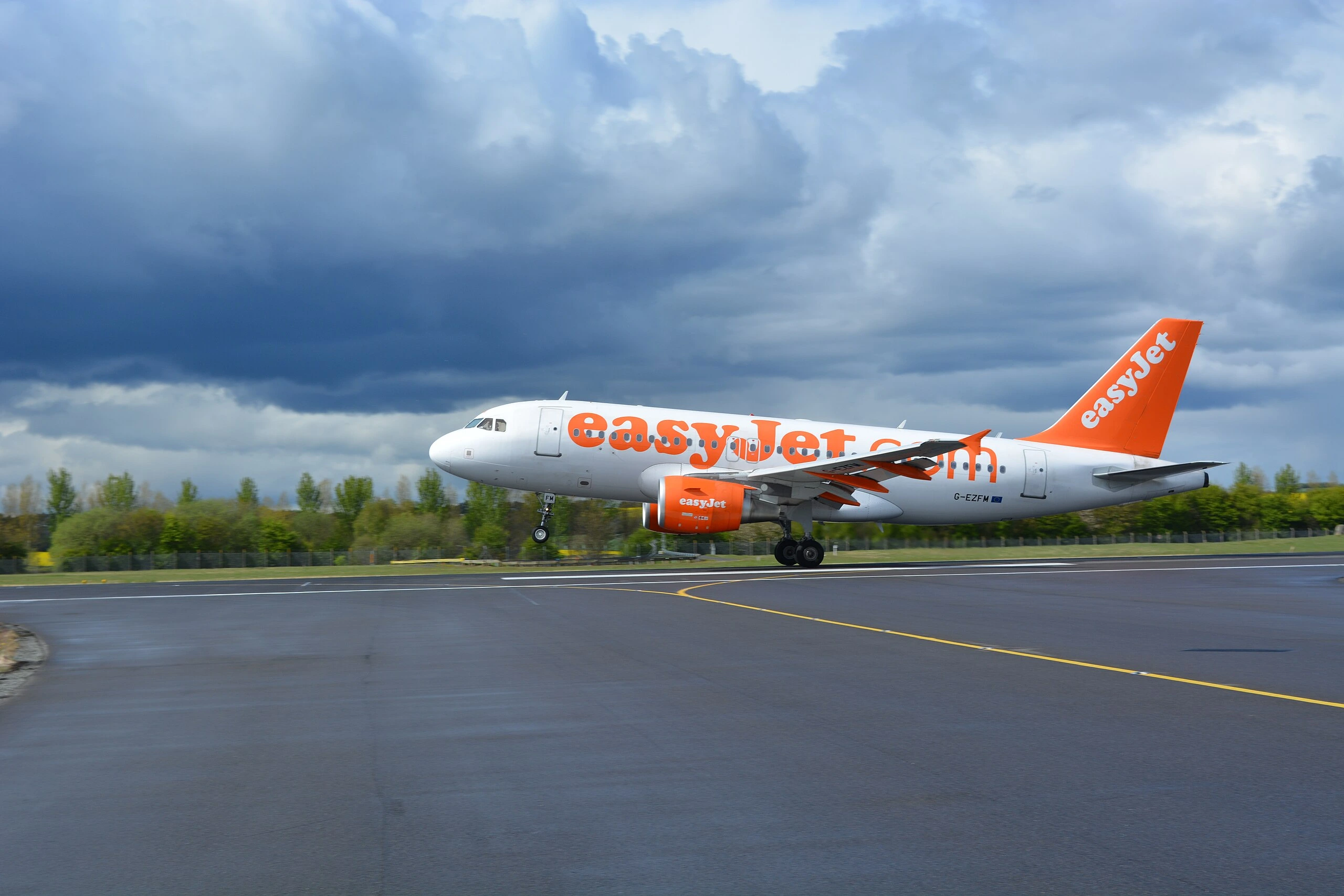

How EasyJet’s Formal Process Ultimately Saved Its Case
The procedural picture shifted materially when the case was reassigned to Alex Jones, a Base Captain based in Bristol, who took over the management of Azarkevich’s situation in September 2024. Jones invited Azarkevich to a formal meeting on 24 September 2024, providing him with the relevant documentation, informing him of his right to be accompanied, and making clear that dismissal was a potential outcome. Two meetings followed — on 27 September and 15 October 2024 — and Jones dismissed Azarkevich at the reconvened second session.
In his dismissal outcome letter of 31 October 2024, Jones set out his reasoning with clarity. He wrote:
“It is my belief given the information you have provided that you are facing serious criminal charges which you are due to stand trial for at Crown Court in May 2025. easyJet is a trusted family-friendly brand and having reviewed the serious nature of the charges against you, I believe that on the balance of probability the company would suffer serious reputational damage if it were to continue to employ you.”
The letter also addressed the impact on the trust and confidence that must exist between employer and employee in a safety-critical, passenger-facing role.
Azarkevich appealed, and the appeal was handled by Brendan Booth, Flight Operations Manager for Safety. The tribunal found Booth’s approach “exceptionally thorough,” noting that he convened multiple meetings, invited Azarkevich to introduce additional materials, and also placed the option of a career break — effectively a voluntary, temporary resignation with a pathway to return — back on the table. Azarkevich declined to accept the career break without a cast-iron guarantee of reinstatement, which Booth declined to provide. Booth upheld the dismissal on 20 January 2025.
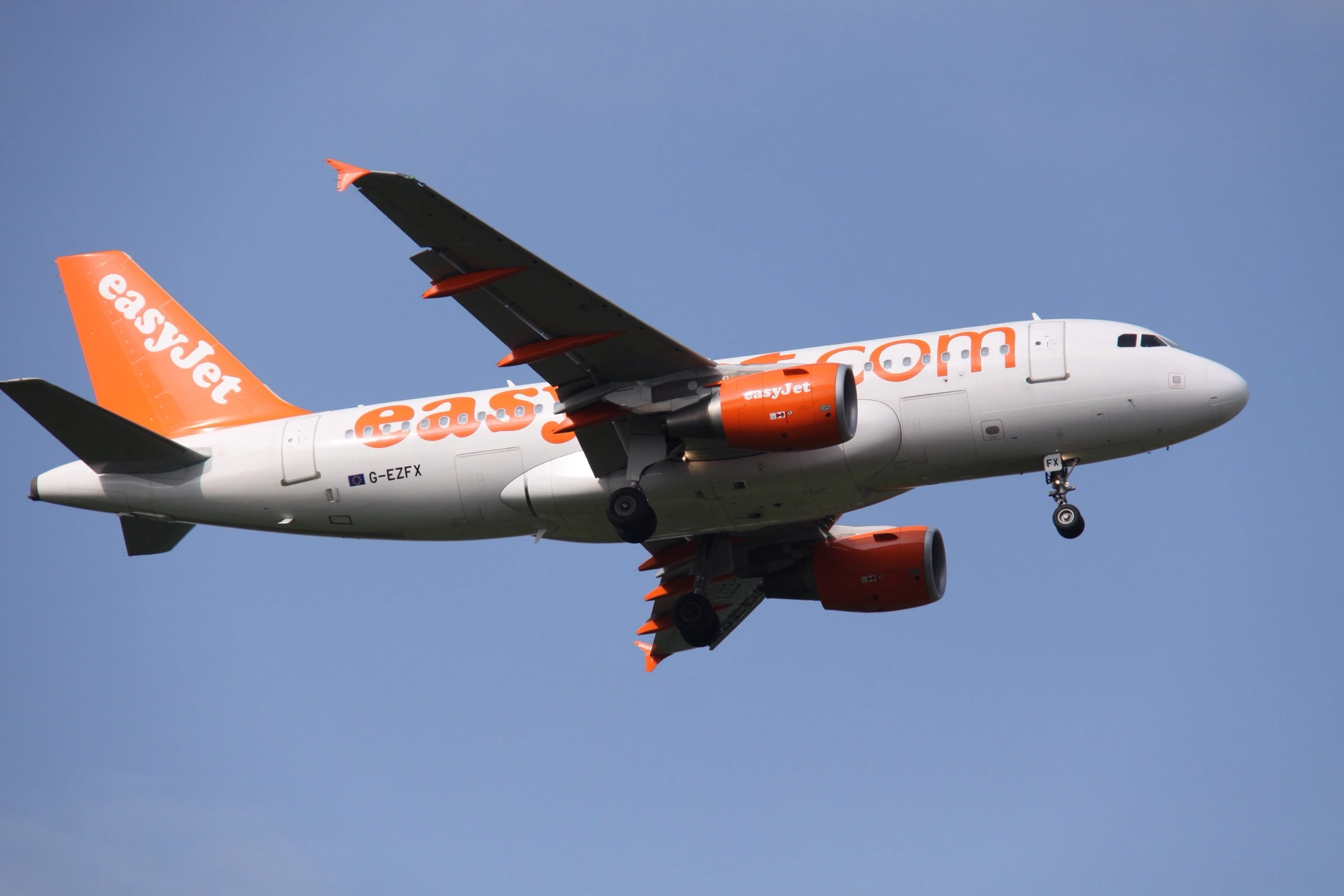
.jpg)
“Some Other Substantial Reason” and the Leach Precedent
The legal framework that the tribunal applied to this case is well-established in British employment law but inherently contentious in application. Section 98 of the Employment Rights Act 1996 permits dismissal for “some other substantial reason” (SOSR) capable of justifying the termination of an employee holding that particular position, even where conduct, capability, or redundancy cannot be established.
Case law confirms that a genuine and reasonable fear of reputational damage to a consumer-facing employer can constitute such a reason, provided the employer conducts a fair process and considers alternatives to dismissal.
The leading authority in this area is Leach v The Office of Communications [2012] EWCA Civ 959, in which the Court of Appeal upheld the dismissal of a senior Ofcom executive following police disclosures of alleged child sex abuse abroad, even though the allegations were never proven and the employee’s role did not involve working with children.
The Court of Appeal acknowledged at the time that justifying dismissal on the basis of reputational risk “in the absence of any established misconduct may involve a grave injustice to the individual,” but held that the central question under section 98 is what it is reasonable for the employer to do in the circumstances — and that if the employee is innocent, the injustice flows not from the employer’s decision but from those who made the false accusations.
Employment Judge Morton applied that reasoning directly to the facts of the Azarkevich case, concluding:
“The press is interested in cases involving individuals who have positions of responsibility or that carry high social status, including airline pilots. The press is also in general interested in any story involving sexual misconduct… Where the brand is one used by a large cross section of the public, including families, these concerns must be particularly acute.”
The tribunal also drew on Lafferty v Nuffield Health UKEATS/0006/19/SS, in which a healthcare worker was fairly dismissed after being charged with a serious offence, and L v K [2021] SLT 897 to arrive at its conclusion.
The claimant brought his case to the Employment Tribunal on 27 December 2024, having first contacted ACAS on 16 October 2024. The early conciliation certificate was issued on 21 October 2024. Azarkevich was acquitted of all charges on 16 June 2025, after the Crown Prosecution Service discontinued proceedings. The tribunal nonetheless dismissed his unfair dismissal claim in full on 8 March 2026.
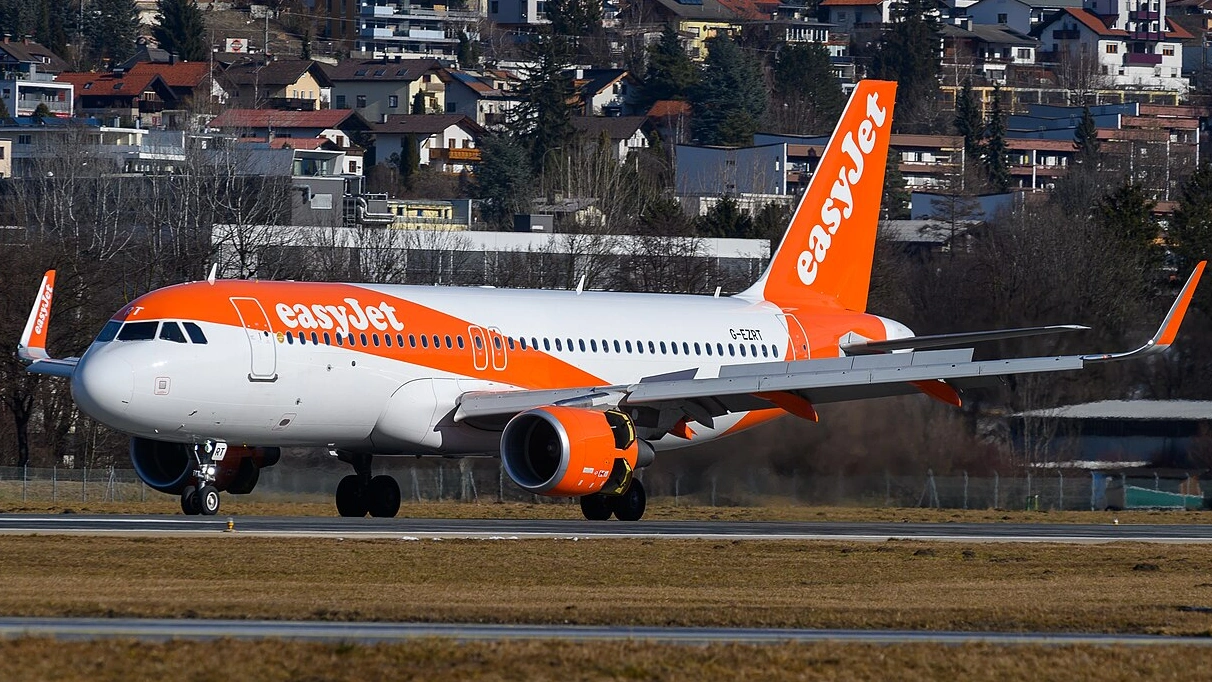
.jpg)
What This Ruling Means for Pilots and Aviation Employers In The UK
The Azarkevich judgment is the most directly aviation-specific application of the SOSR reputational risk doctrine to reach a published tribunal decision in recent years, and it draws a clear line for carriers operating safety-critical, consumer-facing operations. UK employment law does not require an employer to wait for the outcome of a criminal prosecution before deciding what action to take, provided the employer’s belief in the reputational risk is genuine and the procedure it follows is fair.
The judgment makes plain, however, that the fair procedure requirement is not a formality: easyJet’s early mismanagement drew a direct rebuke from the tribunal, and the outcome for the airline could have been very different had Jones and Booth not retrieved the situation with a properly documented, procedurally compliant dismissal and appeal process.
For pilots specifically, the ruling underscores that the position of trust inherent in operating a commercial aircraft — with direct responsibility for the safety of crew and passengers — makes the employer’s case for reputational risk dismissal stronger than it might be in a less safety-critical or publicly visible role. The tribunal accepted that a trial on charges of rape and sexual assault involving a serving airline pilot would “be likely to attract significant media interest that would clearly have the potential to be damaging to the respondent’s brand and reputation.“
At the same time, the judgment is not a blank cheque for carriers: it repeatedly emphasises that the decision must be proportionate, supported by a reasonable investigation, and arrived at through a process that gives the employee full opportunity to respond to the case against them.
Azarkevich was acquitted by the Crown Prosecution Service’s decision to discontinue proceedings on 16 June 2025. The tribunal expressly commended him for “the intelligent and courteous way in which he conducted the case and the skilful way in which he cross examined the respondent’s witnesses.” Yet the law, as the judge concluded, did not require easyJet to have waited for that acquittal.
_@_LGW,_April_2014.jpg)
Comparing The Azarkevich Case with Other Recent EasyJet Employment Rulings
The Azarkevich judgment is not the first time easyJet has faced scrutiny over its management of disciplinary and dismissal processes before a UK employment tribunal. In a case heard in Scotland in 2025, cabin crew manager Ross Barr lost his claims of unfair dismissal and sexual orientation discrimination after a tribunal upheld the airline’s decision to dismiss him for repeated inappropriate workplace conduct, including comments that Employment Judge Muriel Robison found demonstrated “a failure to uphold the values and principles” of the company.
That case, like the Azarkevich ruling, confirmed that easyJet’s disciplinary machinery can produce defensible outcomes when process is followed carefully — and also illustrated that the airline has faced a series of internal conduct disputes requiring formal adjudication.
In the Azarkevich matter, the tribunal’s simultaneous finding that the dismissal was fair and that the airline had at times handled the case poorly is itself instructive. It reflects the statutory framework in which Employment Judge Morton operated: under section 98(4) of the Employment Rights Act, the question is not whether the employer was perfect in every procedural respect, but whether the overall procedure was fair and whether any earlier deficiencies were adequately remedied by subsequent conduct.
Both the pilot and easyJet’s broader situation also sit within the wider context of a carrier whose operational footprint and employment challenges are considerable. EasyJet operates from 28 base locations across Europe, flies to 163 destinations, and manages a fleet of 356 Airbus narrowbody aircraft across three subsidiary entities.
The airline’s labour relations have been under strain in multiple jurisdictions, including a cabin crew strike action by French workers in April 2026. Against this backdrop, the Azarkevich ruling adds a further dimension to the legal landscape facing one of Europe’s largest low-cost carriers.
References And Source Links
- Paddle Your Own Kanoo — Primary article on the tribunal ruling, 23 May 2026: https://www.paddleyourownkanoo.com/2026/05/23/airline-was-within-its-rights-to-fire-pilot-arrested-on-rape-charges-even-though-all-charges-were-dropped-tribunal-rules/
- Full Tribunal Judgment — Mr N Azarkevich v easyJet Airline Company Limited, Case No. 6023269/2024, Employment Judge Morton, 8 March 2026: https://www.paddleyourownkanoo.com/wp-content/uploads/2026/05/Mr_N_Azarkevich_v_easyJet_Airline_Company_Limited_6023269.2024__judgment_and_reasons_-2.pdf
- Davidson Morris Solicitors — UK law guide on bringing the company into disrepute and SOSR dismissals: https://www.davidsonmorris.com/bringing-the-company-into-disrepute/
- Employment Cases Update — Leach v The Office of Communications [2012] EWCA Civ 959 case report: https://employmentcasesupdate.co.uk/content/leach-v-the-office-of-communications-ofcom-2012-ewca-civ-959.9278ea8511fc49dd8020f4c9aba292c4.htm
- Ledingham Chalmers — Handling employee conduct outside the workplace, including criminal charges: https://www.ledinghamchalmers.com/news-views/handling-concerns-about-an-employees-conduct-outside-of-the-workplace/
- WorkNest — SOSR and criminal dismissals, including Lafferty v Nuffield Health: https://worknest.com/blog/some-other-substantial-reason-can-employers-dismiss-over-criminal-activity/
- Croner — Case law update on reputational damage and SOSR dismissals: https://croner.co.uk/resources/end-of-contract/dismissal/case-law-update-reputational-damage-knee-jerk-reactions/
- Personnel Today — EasyJet cabin manager Ross Barr unfair dismissal ruling, 2025: https://www.personneltoday.com/hr/cabin-crew-manager-discrimination-easyjet/
- Avio Space — Manchester Airport new routes 2026 (easyJet fleet and operational context): https://aviospace.org/manchester-airport-seven-new-routes-2026/
- Avio Space — EasyJet France cabin crew strike, April 2026: https://aviospace.org/easyjet-france-strike-april-6/
Meta Description:
In a landmark ruling for aviation employment law, a UK Employment Tribunal confirmed that easyJet lawfully dismissed First Officer Nikita Azarkevich in October 2024 after he was charged with rape — even though all charges were dropped and he was acquitted in June 2025. citing the airline’s family-friendly brand and the public interest that attaches to a serving airline pilot facing a Crown Court trial. The same ruling, however, excoriated easyJet’s base managers for wrongly revoking the pilot’s airside passes, incorrectly suspending his pay, and misrepresenting airport regulations — a procedural failure the judge called “a striking failure” for a large, well-resourced organisation. The case is now the most specific aviation application of the Leach v Ofcom reputational risk doctrine in UK employment tribunal history.