Ten people — comprising six cabin crew members and four passengers, including two Australian nationals — sustained injuries aboard Cathay Pacific Airways (CX) flight CX156 when the aircraft encountered severe turbulence en route from Brisbane Airport (BNE) to Hong Kong International Airport (HKG), in the early hours of Saturday, May 23, 2026. Eight of the ten injured were transported to North Lantau Hospital for further medical evaluation after the aircraft landed safely at 6.45am local time. The incident, which has since reverberated across social media, is the latest in a series of turbulence-related disruptions to rattle the global aviation industry as atmospheric scientists warn of a structurally more volatile sky ahead.
At least one passenger, in footage that has since circulated widely on social media platforms, described the terrifying episode as akin to free-falling from a drop tower, South China Morning Post reported. Video shared online showed food items, trays, and personal belongings strewn across the cabin floor, painting a chaotic picture of what those aboard experienced at altitude. The Airbus A350-941, which operates CX156 as a daily service between the two cities, covers a distance of approximately 6,955 kilometres and typically completes the journey in around eight hours and 45 minutes. [ Note that the Airbus A350 is the type that operates the longest non-stop flights in the world].
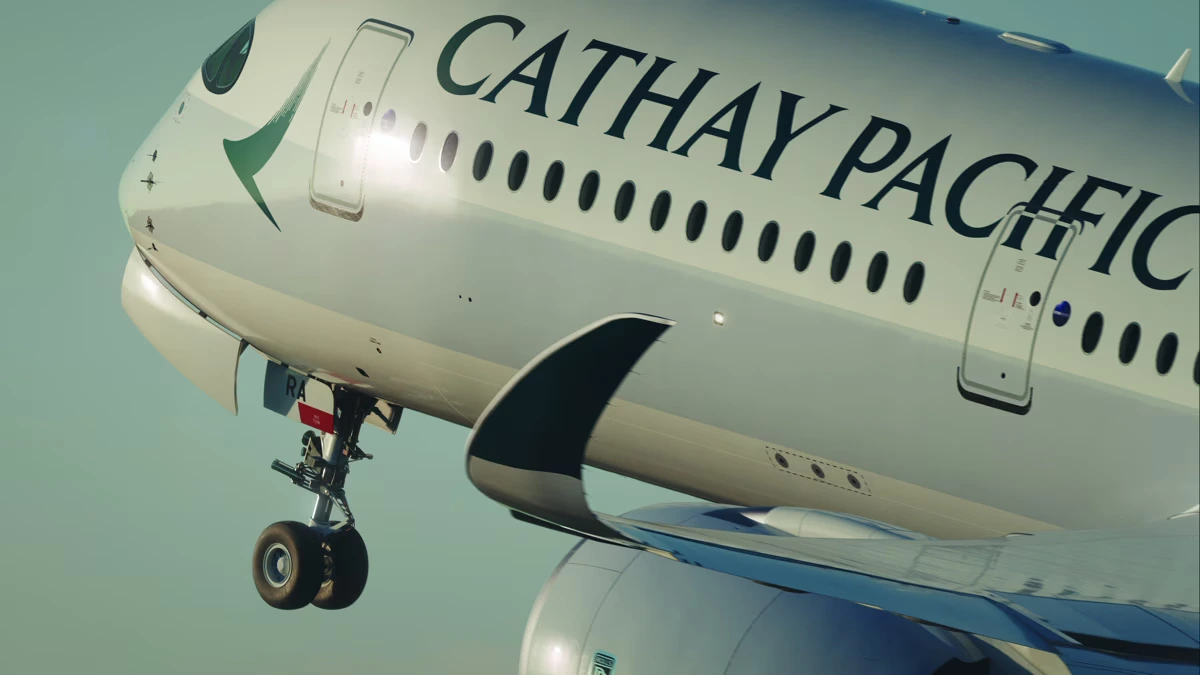
Turbulence Aboard Cathay Pacific Confirms CX156
Cathay Pacific confirmed that medical personnel boarded the aircraft immediately upon arrival to assess those who had reported feeling unwell. Cathay did not disclose the precise geographic location above which the turbulence was encountered, nor did it indicate whether the aircraft’s flight management system had received any prior warning of unstable atmospheric conditions.
The Airport Authority of Hong Kong confirmed it had received notification of the incident at approximately 6.00am, before the aircraft touched down. “Upon receiving the notification, the Airport Authority immediately requested fire and ambulance services to stand by,” a spokesperson stated, adding that paramedics boarded the aircraft upon landing and assisted the injured. Police, meanwhile, received their own report of the incident at approximately 6.17am, after which multiple ambulances were deployed across the apron as a precautionary measure.
Of the ten injured, the breakdown reflects a pattern consistently observed in turbulence incidents — cabin crew sustain a disproportionately high share of injuries because they spend more time moving through the cabin without restraint. At approximately 8.15am local time, ambulances transported the injured in batches to North Lantau Hospital, the principal medical facility serving Hong Kong International Airport and its adjacent areas.
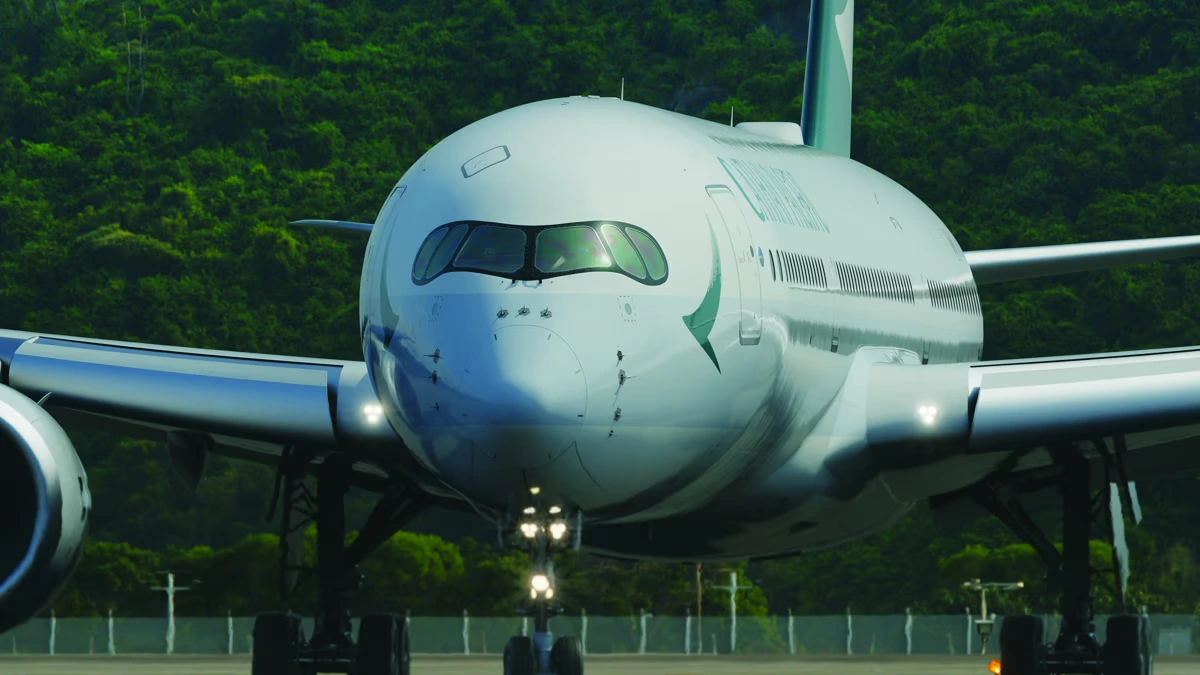
Cathay’s Airbus A350 On the Brisbane–Hong Kong Corridor
Flight CX156 operates as a daily service departing Brisbane at approximately 00:05 AEST, arriving in Hong Kong at around 06:50 HKT. AirNav Radar data confirms the aircraft type involved as the Airbus A350-941, registered B-LQE — a wide-body, twin-engine jetliner that serves as a workhorse for Cathay Pacific’s long-haul network.
According to data from planespotters.net, Cathay Pacific’s Airbus A350-900, registered as B-LQE, was delivered in September 2020 and features a three-class configuration of 38 Business, 28 Premium Economy, and 214 Economy seats. Powered by two Rolls-Royce engines, the aircraft carries the hex code 789242.
The aircraft was ferried from Toulouse (TLS) to Hong Kong (HKG) between September 11 and 12, 2020, before entering commercial service on September 17, 2020. Due to reduced operational demand during the pandemic period, the aircraft was stored at Hong Kong International Airport (HKG) from November 22, 2020, to March 21, 2021, and later from April 1 to July 18, 2021. It was again placed in storage from February 26 to June 25, 2022, before returning to active service.
| Category | Business Class | Premium Economy | Economy Class |
|---|---|---|---|
| Seats | 38 | 28 | 214 |
| Seat Pitch | 45 inches | 40 inches | 32 inches |
| Seat Width | 20 inches | 19 inches | 18 inches |
| Recline | 180° | 9 inches | 6 inches |
| Description | Fully flat seats with enhanced comfort and attentive service for regional travel. | Spacious seating with added comfort and priority service for an upgraded experience. | Functional seating with essential amenities designed for comfortable regional flights. |
The CX156 route is code-shared by six airlines, including Finnair (AY), British Airways (BA), and Japan Airlines (JL). Cathay Pacific announced a 12 percent increase in flights to Australia and New Zealand for 2026, and the carrier has been placing significant strategic weight on the Australia corridor as part of its post-pandemic recovery and capacity expansion.
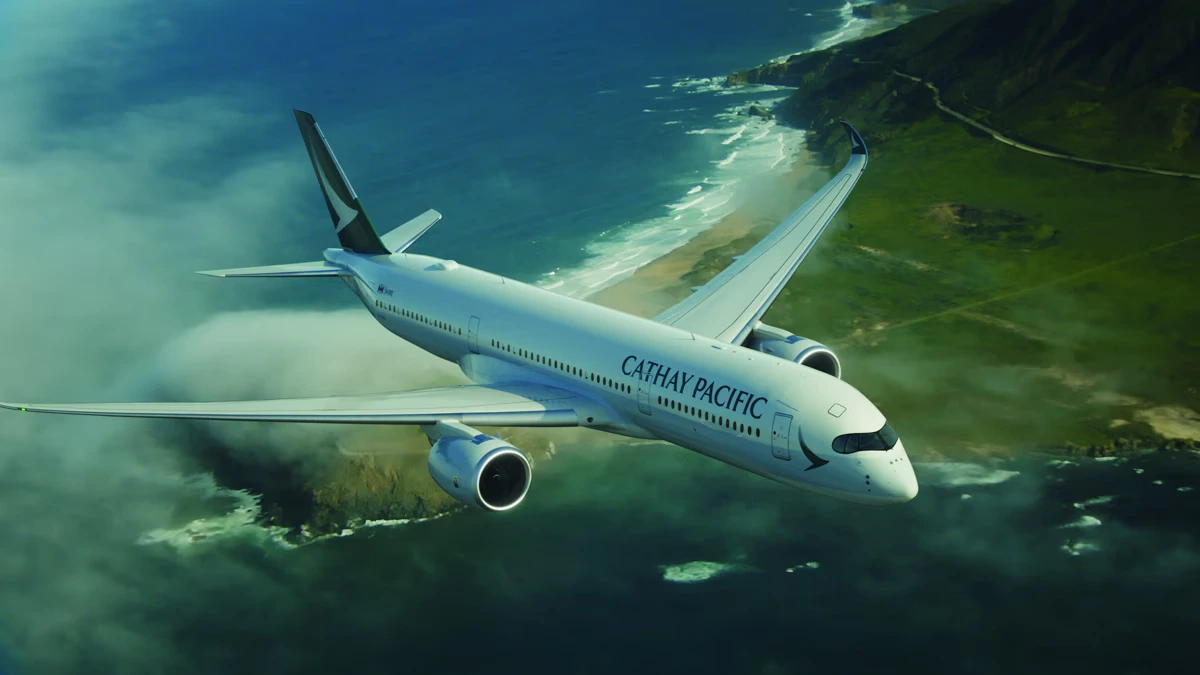
Airport Authority and Emergency Response to Turbulence Aboard CX156
Hong Kong’s Airport Authority and its associated emergency response bodies demonstrated the kind of coordinated, pre-emptive mobilization that aviation safety protocols are specifically designed to enable. The Airport Authority’s notification arrived at roughly 6.00am, 35 to 45 minutes before ambulances transferred patients to hospital — a window that allowed fire services and paramedics to stage their resources across the apron in advance of the aircraft’s wheels-down moment. Paramedics boarded the Airbus A350 immediately upon landing and began triaging passengers and crew at their seats.
The injured were transported to North Lantau Hospital in stages, a logistical approach designed to prevent the emergency department from being overwhelmed simultaneously. The hospital, purpose-built to serve the airport’s colossus of daily passenger throughput, is well accustomed to managing in-flight medical emergencies disembarking at HKG. No fatalities were reported in connection with the incident, and all ten injuries were assessed as minor in nature.
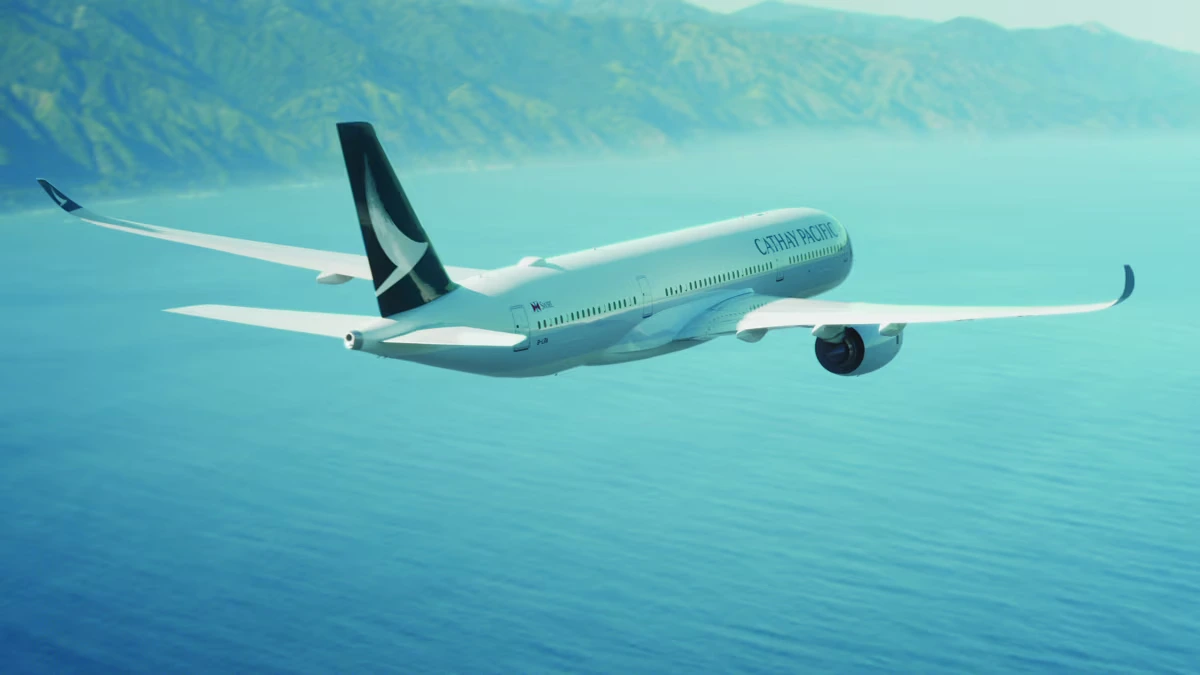
Cathay Pacific’s Recent Incidents: How CX156 Fits A Broader Pattern
In April 2026, the carrier faced a separate tragedy when a 51-year-old male passenger identified as Mr. Chen collapsed mid-flight on flight CX216 from Manchester Airport (MAN) to Hong Kong International Airport. Despite efforts by cabin crew and a physician travelling onboard, the passenger was pronounced dead shortly after the aircraft landed in Hong Kong on April 24, 2026. A Cathay Pacific spokesperson confirmed the airline was cooperating fully with local authorities and extended condolences to the deceased’s family.
In December 2025, a separate incident onboard a Cathay flight from Boston to Hong Kong involved a 20-year-old passenger from mainland China who was arrested after allegedly attempting to open the aircraft door mid-flight. Earlier in November 2025, Cathay Pacific flight CX918 was involved in a taxiway incursion error at Ninoy Aquino International Airport (MNL) in Manila, which the carrier said it was investigating.
Viewed collectively, the incidents reflect the breadth of operational and safety challenges that confront major long-haul carriers managing hundreds of daily flights across dozens of countries — though none of these events, including Saturday’s turbulence encounter, involved structural damage to the aircraft or fatalities attributable to the incident itself.
Significantly, Cathay Pacific remains one of the world’s most decorated carriers in safety terms. The airline ranked ninth among the world’s safest airlines in 2024 and holds a five-star Skytrax rating. The carrier maintains compliance with IATA Operational Safety Audit (IOSA) standards and holds high marks across Federal Aviation Administration (FAA) safety evaluations. The airline also participates in IATA’s Turbulence Aware platform, a multi-airline data-sharing initiative that aggregates real-time turbulence reports from participating fleets to provide a more granular, continuously updated picture of atmospheric instability along global flight paths.
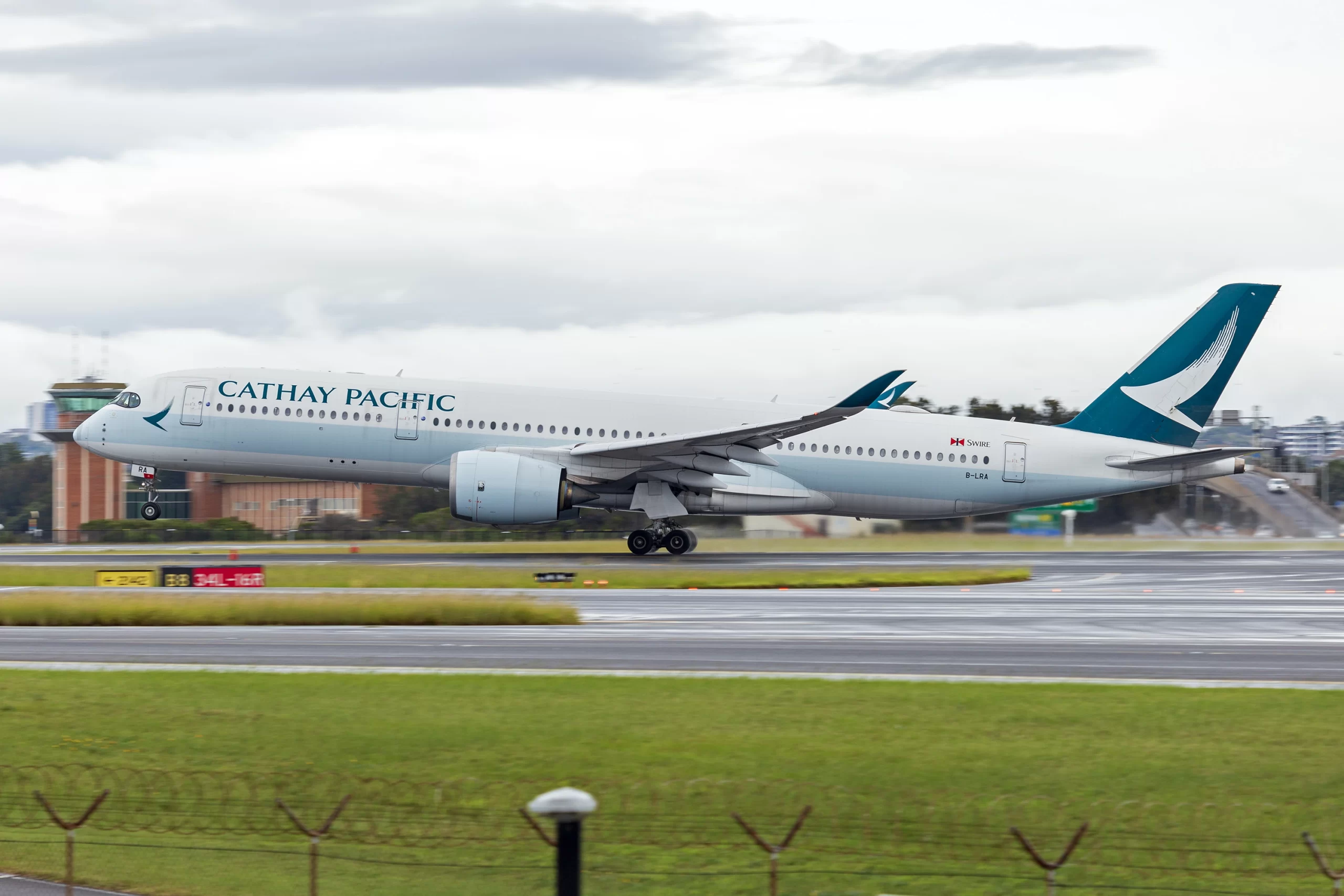
_Airbus_A350-941_departing_Sydney_Airport_(3).jpg)
Aviation Turbulence and a Changing Climate
The incident aboard CX156 arrives against an escalating global backdrop of turbulence-related injuries, one that atmospheric scientists now attribute in part to the accelerating effects of climate change. A landmark 2024 study published in the Journal of Geophysical Research: Atmospheres found that moderate-to-severe clear air turbulence (CAT) increased by between 60 percent and 155 percent over East Asia, the Middle East, North Africa, the North Atlantic, and the North Pacific between 1980 and 2021.
At the May 2025 European Geosciences Union conference in Vienna, Paul Williams, a professor of atmospheric science at the University of Reading, warned that along some of the world’s busiest flight routes, turbulence was projected to “double or treble or quadruple over the next few decades”. CAT occurs at altitudes of approximately 7,000 to 12,000 metres in the upper troposphere, precisely where commercial jets cruise, and is particularly associated with jet streams — the fast-moving, west-to-east air currents that both generate flight efficiency and harbour some of the most unpredictable atmospheric dynamics.
The Brisbane–Hong Kong route traverses regions of the South and West Pacific that intersect with subtropical jet stream activity, though investigators have yet to identify the precise meteorological mechanism responsible for Saturday’s encounter.
The scale of injuries from turbulence globally remains comparatively low but is trending upward. Between 2009 and 2021, 146 passengers and crew were seriously hurt in turbulence incidents, according to the Federal Aviation Administration. The FAA’s data from 2009 to 2023 recorded only 207 serious turbulence injuries across US carriers, though experts caution that reported figures undercount the true global toll.
The most high-profile recent antecedent occurred in May 2024 when Singapore Airlines (SQ) flight SQ321, a Boeing 777-300ER en route from London Heathrow (LHR) to Singapore Changi Airport (SIN), encountered sudden extreme turbulence over Myanmar, dropping 178 feet in 4.6 seconds. That incident killed one passenger — 73-year-old British national Geoff Kitchen, who suffered a suspected cardiac arrest — and left over 100 others hospitalized. Lawsuits filed at the UK High Court on behalf of injured passengers are still ongoing.

_@_HKG,_March_2019.jpg)
What Cathay Pacific’s Turbulence Data Initiatives Say About Industry Preparedness
Cathay Pacific has, for several years, been an active participant in industry-wide efforts to build more robust, real-time turbulence intelligence systems. The airline fitted approximately 40 to 50 aircraft with atmospheric sensors and shared the resulting data with the Hong Kong Observatory (HKO) to refine weather forecasting models.
All of the carrier’s Boeing 777s transmit turbulence encounter data back at regular intervals, creating a live feedback loop between aircraft in flight and meteorological services on the ground. Peter Gear, Operations Development Manager at Cathay Pacific, previously described this programme as bringing “the real-time to the flight deck.”
Despite these technological investments, clear air turbulence — by definition imperceptible to both the naked eye and conventional weather radar — remains the industry’s most vexing atmospheric hazard. CAT occurs in the absence of clouds or any visual cue and is primarily generated when air masses moving at significantly different velocities collide in the upper troposphere, often near jet streams.
Aviation experts have consistently underscored the singular importance of the seatbelt as the primary mitigating factor in turbulence-related injuries. John Strickland, a general aviation expert, told the BBC:
“It is not for nothing that airlines recommend keeping seat belts loosely fastened throughout a flight, be it long or short.”
Investigation, Accountability, And Recovery of CX156
As of the time of publication, Cathay Pacific has not indicated whether it intends to file an incident report with the Civil Aviation Department (CAD) of Hong Kong or the Australian Transport Safety Bureau (ATSB), though regulatory protocols typically mandate disclosure of significant in-flight events of this nature.
The ATSB, as the authority governing the departure airport and the nationality of some injured passengers, may also exercise oversight jurisdiction. Cathay did not specify in its initial communications whether the turbulence constituted a reportable serious incident under applicable safety frameworks.
The injured are currently receiving medical care at North Lantau Hospital. The airline has expressed its commitment to the welfare of those affected, and industry practice suggests that Cathay’s ground teams will be coordinating with passengers and crew on matters of insurance, further medical care, and travel arrangements.
No formal investigation announcement had been made at the time of writing, and the cause of the turbulence encounter remained undisclosed.