A passenger onboard a long-haul Cathay Pacific (CX) flight from Manchester Airport (MAN) to Hong Kong International Airport (HKG) died after collapsing mid-air, according to multiple media reports published on April 24. The incident occurred on flight CX216, with the passenger reportedly falling unconscious during the latter phase of the journey.
Cabin crew, assisted by medically trained passengers, immediately initiated emergency aid procedures onboard. Despite sustained efforts to revive the individual, the passenger was pronounced dead shortly after the aircraft landed in Hong Kong, where emergency services were already on standby.
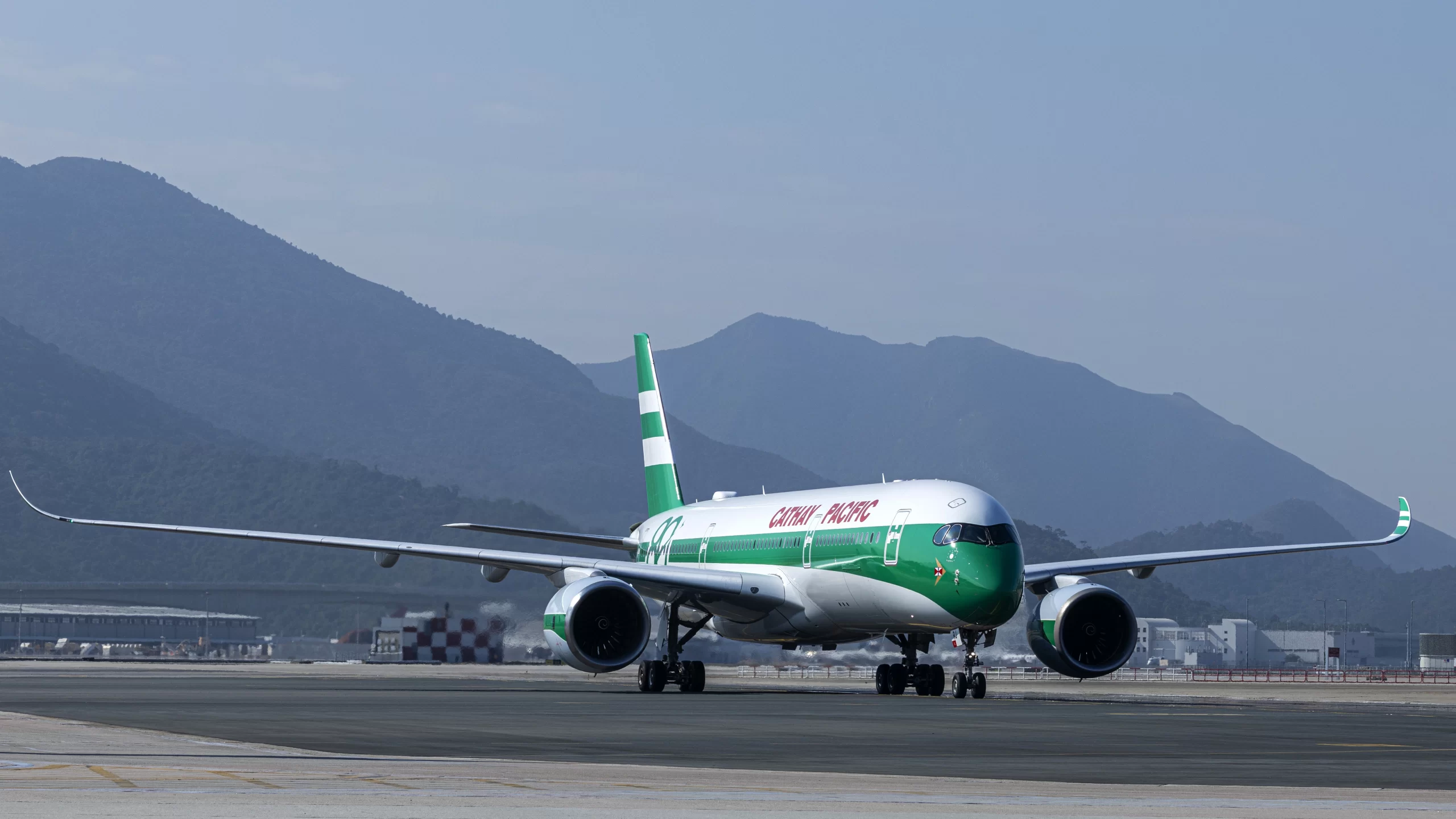
Cathay Pacific Flight CX216: Incident Details
Reports indicate that the passenger, a 51-year-old man, began experiencing discomfort during the flight before collapsing. Crew members responded swiftly, following established in-flight medical protocols and requesting assistance from any qualified personnel onboard.
In a report published by the South China Morning Post, it was noted that a doctor present on the flight assisted the cabin crew in administering first aid. Despite these efforts, the passenger did not regain consciousness during the remainder of the flight.
Here’s a chronology of the events that unfolded:
Cathay Pacific CX216 Incident Timeline
| Time / Date | Event | Details |
|---|---|---|
| ~06:16 AM (Apr 24) | Emergency reported | Flight crew notified Hong Kong Air Traffic Control that the passenger had collapsed and lost consciousness |
| Shortly after 06:16 AM | Ground response activated | Air traffic control alerted the Fire Services Department and arranged ambulance support on standby at the airport |
| ~06:52–06:53 AM | Aircraft lands | Flight CX216 arrived at Hong Kong International Airport (HKG) following the medical emergency |
| Immediately after landing | Emergency treatment | Paramedics boarded the aircraft and provided first aid to the passenger on arrival |
Data: HK01
Cathay Pacific confirmed the incident and stated that it was cooperating with local authorities following the aircraft’s arrival. The airline expressed condolences to the family of the deceased and emphasized that passenger welfare remains a top priority.
Medical Response Onboard Aircraft
Long-haul flights such as CX216 are equipped with medical kits and defibrillators, allowing crew to manage a range of in-flight emergencies. In this case, the response included immediate assessment, first aid, and continued monitoring until landing.
According to The Independent, the crew followed standard emergency procedures and coordinated with ground authorities ahead of arrival. Emergency responders boarded the aircraft upon landing at Hong Kong International Airport to take over the situation.
Industry protocols require airlines to document such incidents thoroughly. These reports assist aviation regulators and medical authorities in determining cause of death and evaluating response effectiveness.
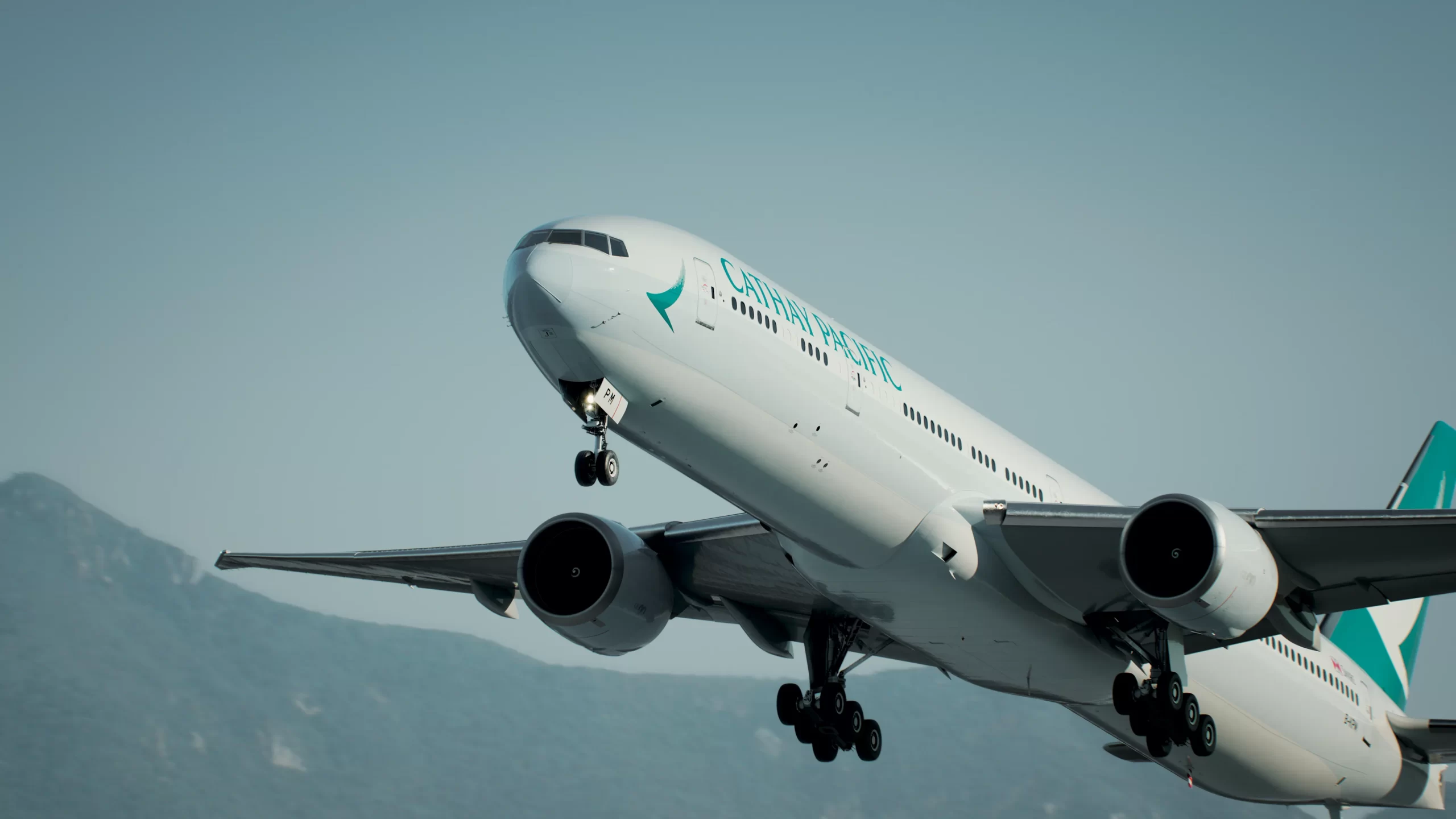
Aviation Medical Emergencies context
Medical emergencies onboard commercial flights are relatively rare but not unprecedented, particularly on long-haul routes where passengers remain in confined environments for extended periods. last year, Singapore Airlines (SQ) even changed their seatbelt rules after a passenger died in-flight.
There have been numerous examples of in-flight deaths aboard an aircraft in the past. The following table gives us a glimpse at some of them:
Recent In-Flight Passenger Deaths
| Date | Airline & Flight | Route | Passenger Details | Reported Cause | Outcome |
|---|---|---|---|---|---|
| Apr 2026 | Cathay Pacific CX216 | Manchester → Hong Kong | 51-year-old male | Collapsed mid-flight after feeling unwell | Pronounced dead after landing |
| Mar 2026 | British Airways BA32 | Hong Kong → London Heathrow | Female (60s) | Medical emergency shortly after takeoff | Body remained onboard for 13-hour flight |
| Jul 2025 | Turkish Airlines | Istanbul → San Francisco (diverted to Chicago) | Adult passenger | Severe medical emergency | Declared dead during flight |
| October 2025 | Qatar Airways | Los Angeles → Sri Lanka (diverted to Edinburgh) | 85-year-old male | Choking on a meal lead to complications | Died after emergency landing |
Airlines continuously train crew to handle such scenarios efficiently. However, if the person on board has severe health problems, it becomes impossible even for the crew to handle them.

Cathay’s Response and Follow-up
Cathay Pacific stated that it is providing support to the family of the deceased and is assisting authorities with necessary procedures. The airline did not disclose further personal details, citing privacy considerations, and its statement to The Independent read:
..the crew and a doctor on board onboard immediately provided first aid; however the passenger had unfortunately passed away…We are deeply saddened by this and extend our condolences to the passenger’s family,”
Investigations into the exact cause of death are expected to be conducted by relevant medical authorities in Hong Kong. Such reviews are standard practice and aim to establish whether underlying health conditions or other factors contributed to the incident.
The flight itself completed its journey without further operational disruption, and no other passengers were reported injured. The airline reiterated its commitment to safety and passenger care in its official response.
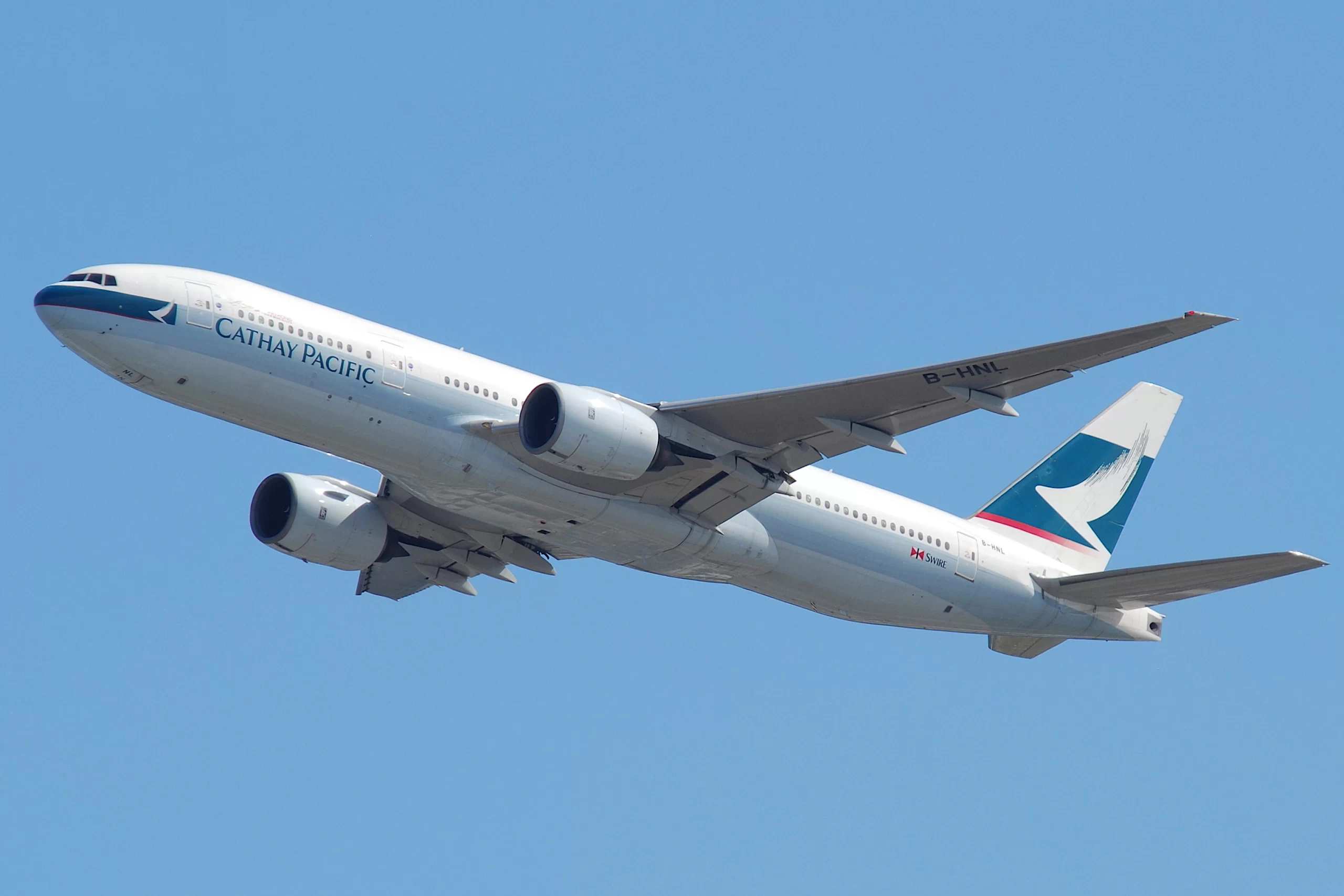
Details of the Passenger who died on CX216
The name of the passenger who died on CX216 was Shum Chung-lai. He was someone who had been battling pancreatic cancer since June last year. He had relocated to the United Kingdom in 2022 with his wife and their two children, who aged 14 and 10.
Despite the move, he continued to travel frequently to Hong Kong for medical consultations at Queen Mary Hospital and Gleneagles Hospital, while also managing ongoing treatment and pain medication.
During the long-haul flight, Shum reportedly experienced stomach discomfort, with his wife checking on him periodically. She found him unresponsive and alerted the cabin crew, who immediately initiated emergency procedures. Despite approximately 50 minutes of sustained first aid efforts, Shum showed no signs of recovery and was later confirmed dead.
CX216: Aircraft Details
Cathay Pacific uses its Boeing 777-300ER for operating CX216. According to planespotters.net, The carrier has 35 aircraft of this type in its fleet and these average a little less than 14 years. The data about the registration of the aircraft is not publicly available, though we know that Cathay Pacific configures its 777-300ER in three different ways:
| Category | V.1 (Premium Heavy) | V.2 (High Density) | V.3 (Balanced Long-Haul) |
|---|---|---|---|
| Total Seats | 294 | 368 | 361 |
| First Class | 6 seats (81″ pitch, 36″ width) | Not available | Not available |
| Business Class | 53 seats (78″ pitch, 21″ width) | 40 seats (81″ pitch, 21″ width) | 45 seats (82″ pitch, 21″ width) |
| Premium Economy | 34 seats (36–38″ pitch, 19.5″ width) | 32 seats (36–38″ pitch, 19.5″ width) | 48 seats (38″ pitch, 19.5″ width) |
| Economy Class | 201 seats (32″ pitch, 17.2″ width) | 296 seats (32″ pitch, 17.2″ width) | 268 seats (32″ pitch, 17.2″ width) |
| Key Feature | Only version with First Class | Maximum capacity layout | Larger Premium Economy cabin |
| Cabin Focus | Luxury & premium yield | Volume & efficiency | Balanced revenue mix |
| Typical Use | Ultra long-haul flagship routes | Regional / high-demand routes | Long-haul mixed demand routes |
| Passenger Experience | Most spacious and exclusive | Most compact and dense | Balanced comfort across cabins |