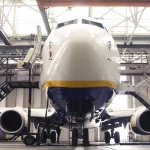
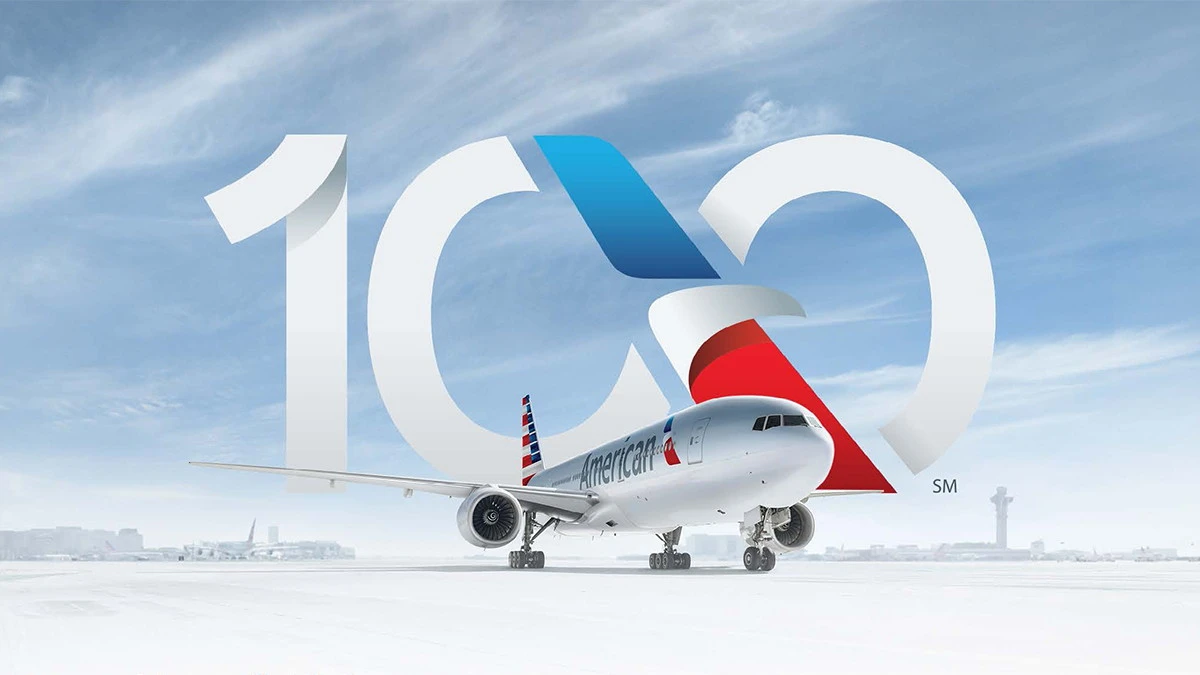
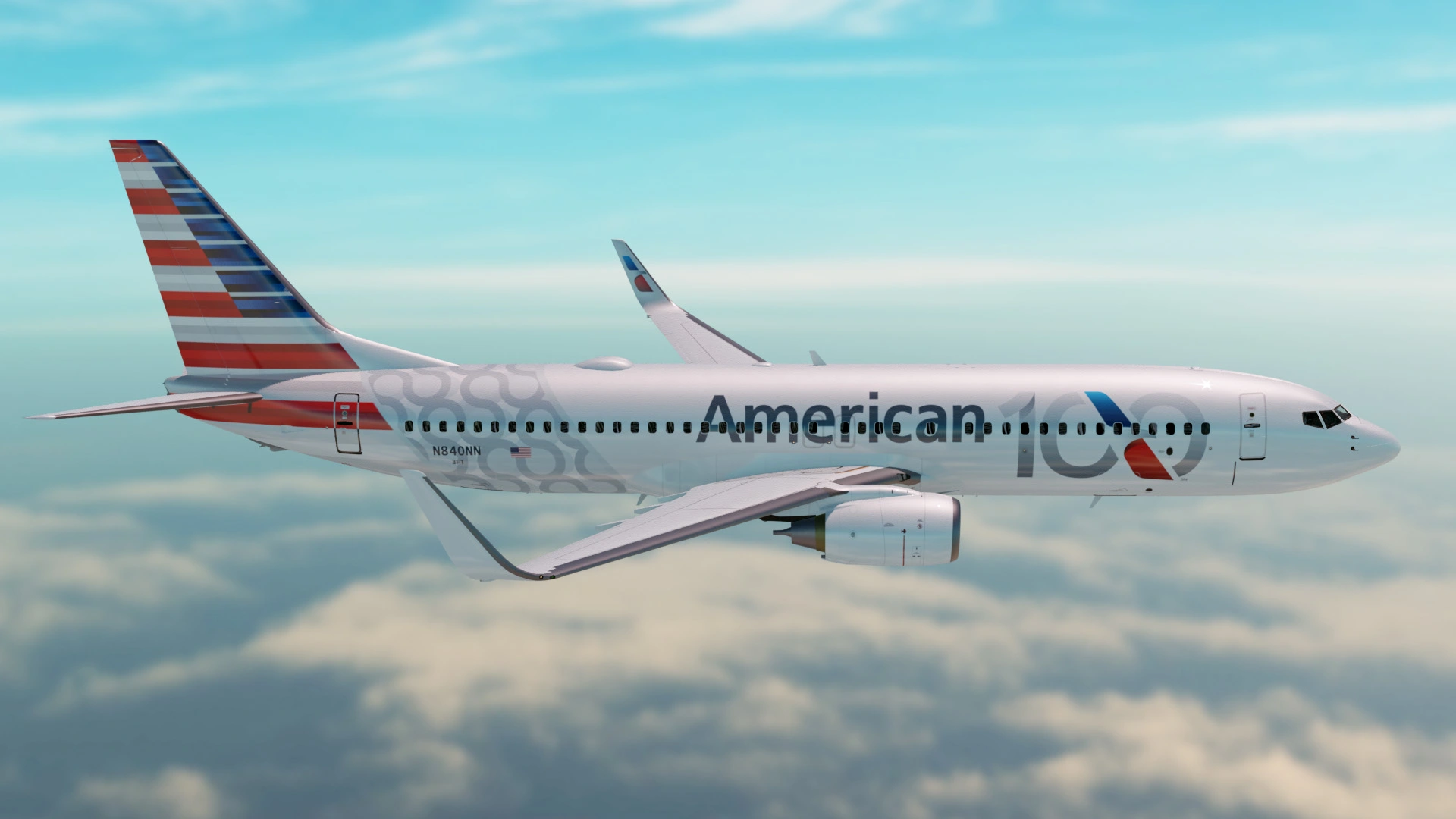
American Airlines (AA), the world’s largest airline by fleet size, received its 100th Boeing 737 MAX aircraft during the same week it celebrated its 100th anniversary as an airline — a convergence of milestones that Boeing has officially termed a “double 100.” Boeing’s own feature story on the delivery, published May 13, 2026, confirmed the aircraft was wrapped in a large blue bow for the occasion, echoing an identical ceremony staged in 1987 when American took delivery of its 100th MD-80. The delivery took place at Dallas Fort Worth International Airport (DFW), American’s primary hub, and was received by Jay Hancock, American’s Managing Director of Fleet.
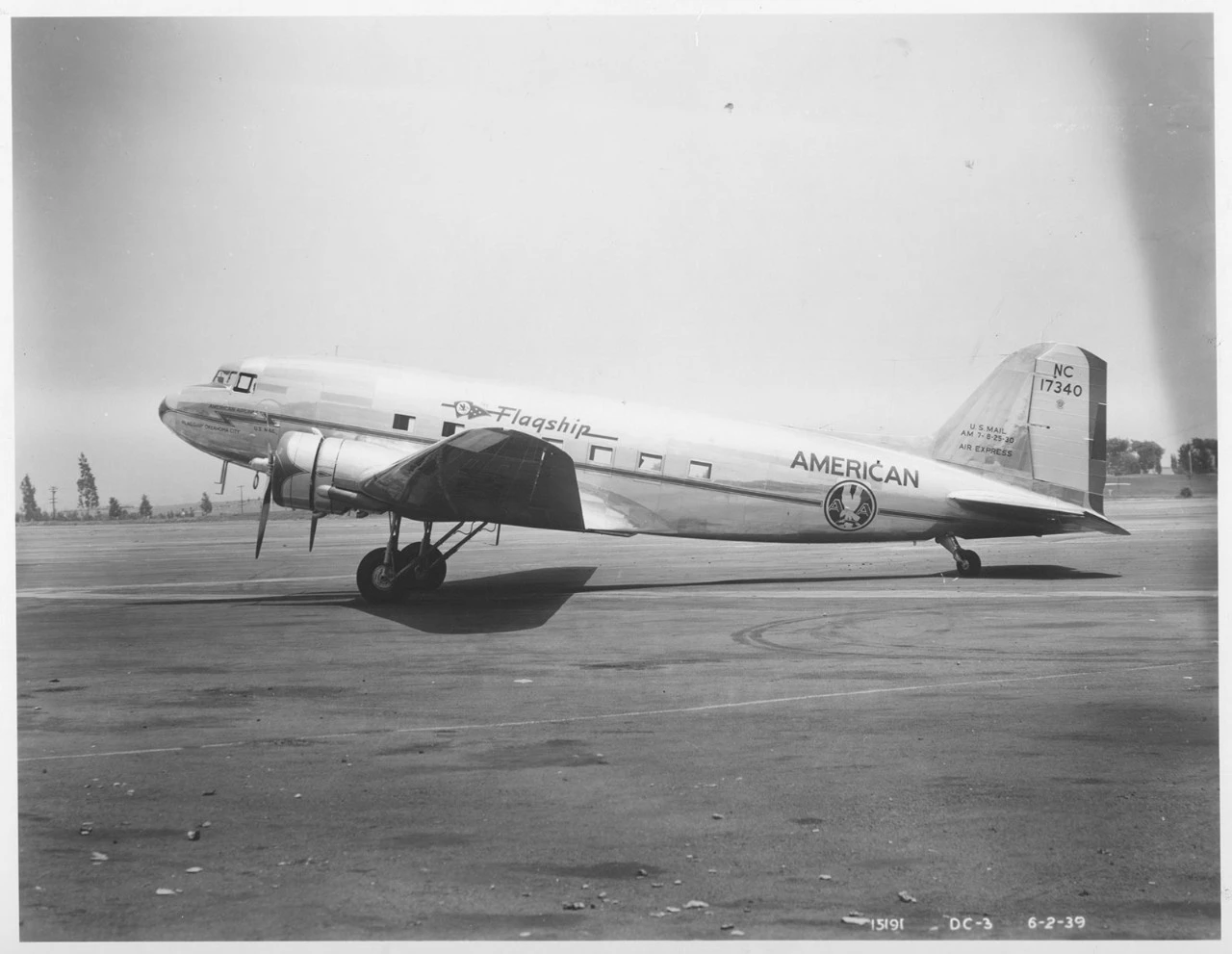
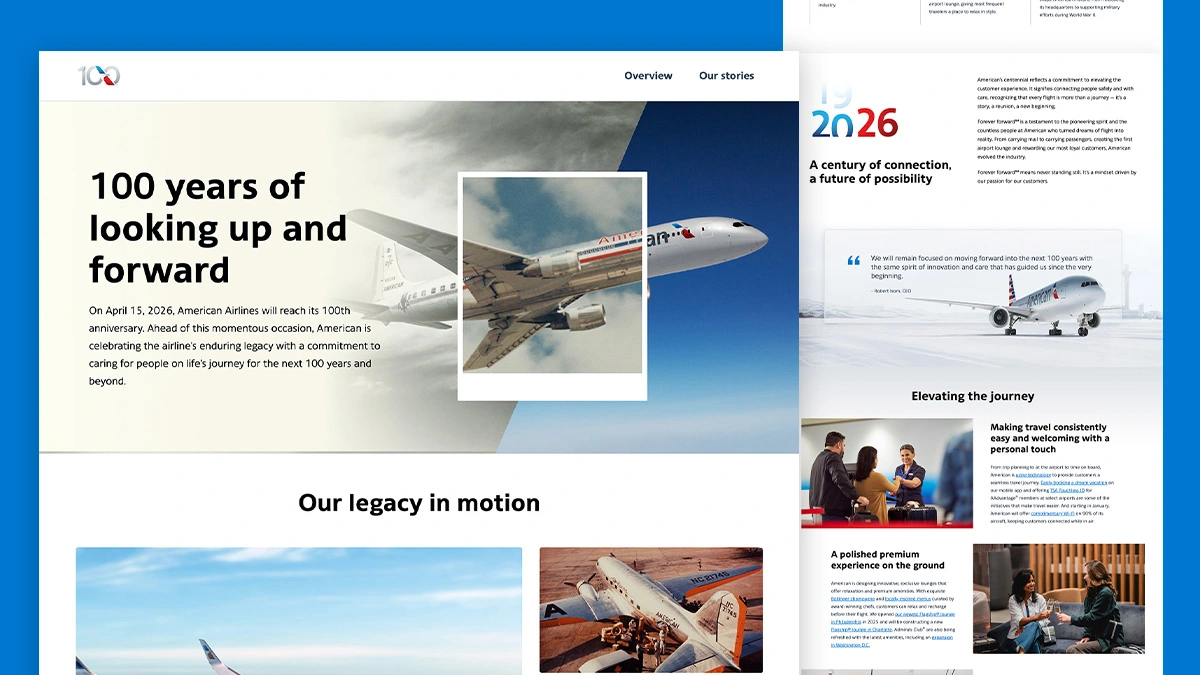
American’s centennial date — April 15, 2026 — marks 100 years since the airline’s origins as a Robertson Aircraft Corporation DH-4 carrying mail from Chicago to St. Louis in 1926, per American Airlines’ own newsroom. CEO Robert Isom, in a statement quoted by the newsroom, described the airline as “proud to be among the small group of airlines that have celebrated 100 years of flight,” adding that “there’s no brand in aviation more iconic than American, built on a culture of innovation and forward-thinking.”
The 100th 737 MAX delivery — registered N324VL — now joins a mainline fleet exceeding 1,000 aircraft that the carrier deploys across approximately 350 destinations in more than 60 countries.
The 737 MAX 8 And What The 100th Delivery Actually Represents Operationally?
The 737 MAX 8 — the specific variant constituting American’s 100th MAX delivery — is the cornerstone of Boeing’s current narrowbody programme and the aircraft type that reshapes American’s domestic cost structure.
Simple Flying’s fuel efficiency analysis confirms the 737 MAX 8 delivers a 14 percent reduction in fuel burn compared to its 737 Next Generation predecessors, powered by CFM International’s LEAP-1B engine. Let’s look at a few other factors that affect the miles per gallon of the 737 MAX:
| Operational Factor | Typical Impact on Fuel Efficiency | Key Notes |
|---|---|---|
| Strong tailwind (+40 kt) | +10–12% | Shorter flight time reduces fuel burn per mile traveled |
| Strong headwind (−40 kt) | −10–12% | Longer flight time increases fuel consumption per mile |
| Long cruise segment (>2,000 nmi) | +3–5% | Greater proportion of flight spent in fuel-efficient cruise phase |
| Short-haul sector | −5–10% | Climb and descent phases make up a larger share of the flight |
| Heavy payload / full cargo load | −3–8% | Higher takeoff weight increases climb and cruise fuel burn |
| Light payload | +0.5–1% per 1% weight reduction | Based on broad aviation and transport-efficiency studies |
| Split-tip winglet design | +1–2% | Drag reduction improves with longer missions — around 1% on 500 nmi routes and up to 1.8% on 3,000 nmi sectors |
| Optimized descent profile | +1–2% | Continuous descent approaches consume less fuel than step-down descents |
Eplaneai’s fleet analysis places the fuel efficiency improvement at approximately 20 percent versus comparable legacy narrowbody models, translating directly into a reduction in cost-per-available-seat-mile (CASM).
The aircraft carries between 162 and 210 passengers depending on configuration, and Boeing’s investor relations records from the 2024 MAX expansion order confirm the 737 MAX 8’s range at 3,500 nautical miles — sufficient for transatlantic crossings, though American’s own deployment strategy deliberately restricts it to domestic and overland North American routes, with widebody 777 and 787 aircraft handling intercontinental premium-cabin economics.
Bolt Flight’s registration data identifies the specific aircraft as N324VL and notes American had only three additional 737 MAX 8 aircraft remaining on order at the time of delivery — suggesting the carrier’s near-term MAX intake will shift toward the larger 737 MAX 10.
Jay Hancock Speaks on American’s Fleet Strategy
The comments surrounding American Airlines’ 100th Boeing 737 MAX delivery highlight the strategic importance of the carrier’s fleet investment over the past decade. Jay Hancock, American’s Managing Director of Fleet, said the airline has focused on modernizing and simplifying its fleet, helping it maintain the largest and youngest fleet among U.S. network carriers.
Hancock’s emphasis on “simplify” is a deliberate reference to American’s fleet rationalisation programme, which has systematically retired the MD-80 family, the Boeing 757, and the Embraer ERJ-140 from its mainline operation in favour of a concentrated 737 MAX and 787 narrowbody/widebody pairing.
Nomad Lawyer’s fleet strategy analysis notes that American has emerged as one of the largest single-type investors in the 737 MAX 8 among all U.S. carriers, a position that generates fleet commonality savings in training, maintenance, and parts inventory management. CEO Robert Isom echoed Hancock’s framing in the 2024 Boeing press release for the 737 MAX 10 expansion order, stating:
“These orders will continue to fuel our fleet with newer, more efficient aircraft so we can continue to deliver the best network and record-setting operational reliability for our customers.”
What Lies Ahead With 140 Aircraft on Ordering and the 737 MAX 10 Shift
Boeing’s feature confirms that nearly 140 Boeing aircraft remain on order for American, a mix of 737 MAX variants and 787 Dreamliner models. The 2024 Boeing-American order announcement established that American committed to 115 737 MAX 10 aircraft — including:
- 85 new orders
- conversion of 30 existing 737 MAX 8 orders
- alongside options for 75 additional 737 MAX 10 jets in the future.
The 737 MAX 10 offers up to 230 seats and a range of 3,100 nautical miles, with Boeing describing it as delivering “the best per-seat economics of any single-aisle airplane“.
As of March 2026, Boeing held 4,830 unfilled global orders for the MAX family with 2,233 total deliveries. Travel and Tour World’s coverage of the double 100 milestone frames the remaining orders as “a broader fleet renewal programme” targeting the US, Mexico, Canada, the United Kingdom, and Japan networks.