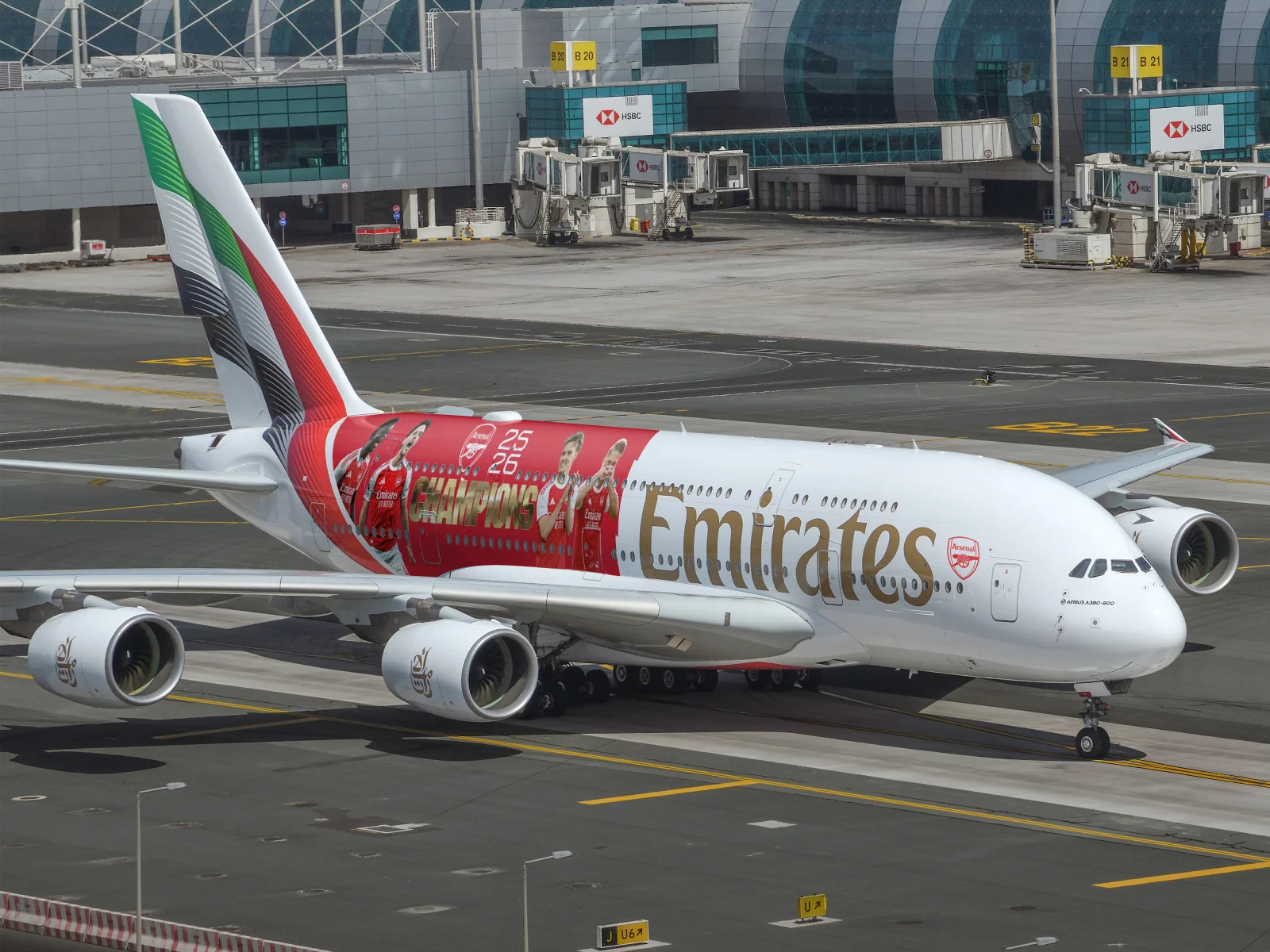
When the UK government’s RAF VIP Voyager aircraft was painted in a patriotic red, white, and blue scheme back in 2020, the expenses equaled £900,000 ($1.16 million). When for the 2020 Expo, Emirates decided to paint its aircraft in a sea of blue daubed with an array of other colors, it consumed 379 staff hours and 182.5 days of work. On aggregate, aircraft paint adds somewhere between 600 to 1,200 pounds of weight to a commercial aircraft which will only make it consume more fuel. Given these exorbitant costs alongside a hefty effort to get the job done, why are aircraft painted in the first place?

Photo: Sgt ‘Matty’ Matthews RAF | Wikimedia Commons
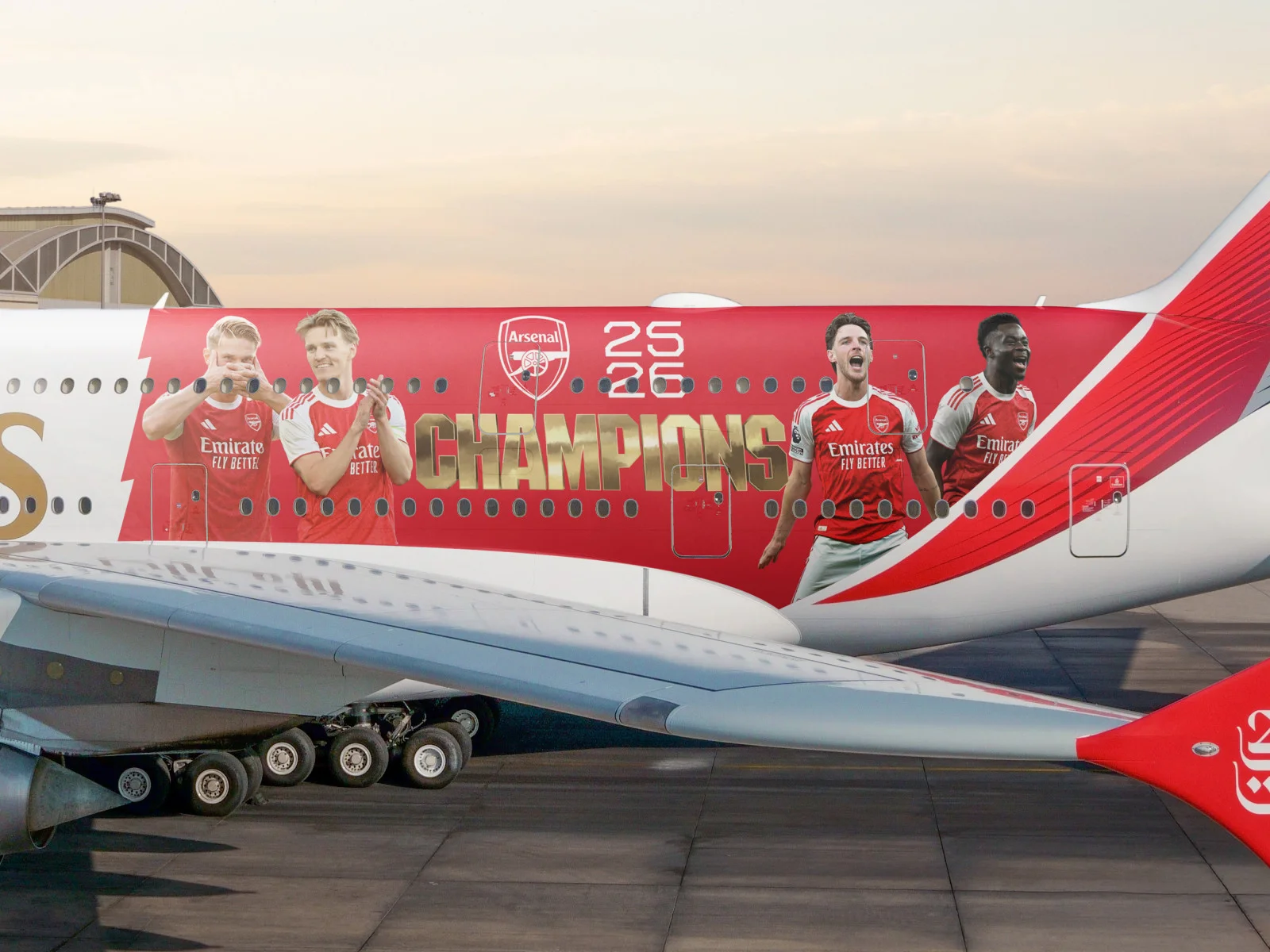
There are the obvious bits as to why aircraft are painted: The phenomenon of the northern lights limns glowingly across the skies of Iceland. One of the crowning jewels of the country, it is these lights aka aurora borealis, that form a rich part of the livery of Icelandic Air. When Qatar Air had a deal with Barcelona Football Club, the t-shirts of this club were draped in Qatar’s letters while the airline was veiled in Barcelona’s shade.
Air New Zealand boasts the painting of the widely adored Lord of the Rings as this multiple-Oscar winner was shot in New Zealand. “Hindenburg”, the Great German airship, glided across the skies with Swastika painted on it. If you watch Nok Air, the paint job mimics a bird itself, playing thinly across the lines of the old joke, “Is it a bird or a plane?”
Why is an aircraft painted anyway?
Shielding the Exterior
A massive share of the manufacturing of something as sophisticated and expensive as an aircraft is dedicated to the construction of its body (which is referred to as “fuselage” in aviation terminology). Its large surface, often made out of steel or aluminum or alloys, is vulnerable to the repetitive bombardment of elements like water, salt, and chemicals- all of which can debilitate its structural robustness and also cause corrosion These will wither an aircraft over time. Specialized coatings that are rife with qualities of anti-corrosion ensure an aircraft’s longevity.
Any aircraft that takes off from say Phoenix might be subjected to 110-degree heat while on the ground but after climbing tens of thousands of feet might be subject to a temperature is -60F, marking a sharp temperature gradient in a matter of minutes. Aircraft paint is a protective barrier that shields it from corrosion and weather damage.
Enhancing Visibility and Identification
Applying colors also helps an aircraft stand out. If unique, off-the-beat colors are applied to an aircraft, it is easier to identify a specific aircraft within a fleet. An example of this would be China Eastern Airlines, which is daubed with the colors of “Toy Story” and the plane flies exclusively to and from Shanghai- the place that houses Toy Story Land. Additionally, such aircraft paintings, or those of the likes of Brussels Airlines’ Tintin shades, can be seen peppered with stand-out colors improves the aircraft’s visibility- allowing traffic controllers and ground crew to single out an aircraft easily.
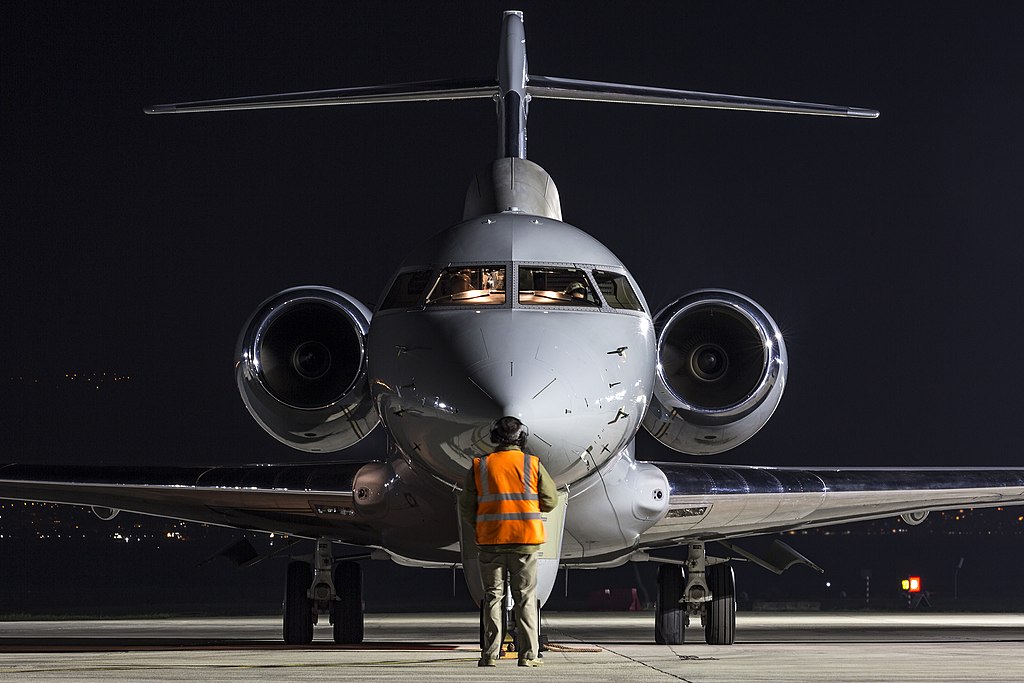
photo: Cpl Tim Laurence RAF
Facilitating Maintenance and Inspection
We can see dents or cracks better in certain sections of aircraft if we are to paint them in particular colors. Damages to areas that are painted white can be spotted easily (much like dirt or spots across a white shirt is easily identifiable) while darker shades might allow wear, tear, or structural issues to go unnoticed. So coloring an aircraft also ensures that the aircraft’s airworthiness is easily inspected and that whatever maintenance issues it has can be quickly fixed.
photo: Amir Sadeqian/Wikimedia commons
The Painting Process: How are Aircraft painted?
From preparing the surfaces to applying the final brushstrokes, aircraft painting is completed in five steps. If the aircraft in question is an older one (such as when an aircraft from one airline is sold to another), the old paint needs to be stripped off first.
Surface Preparation
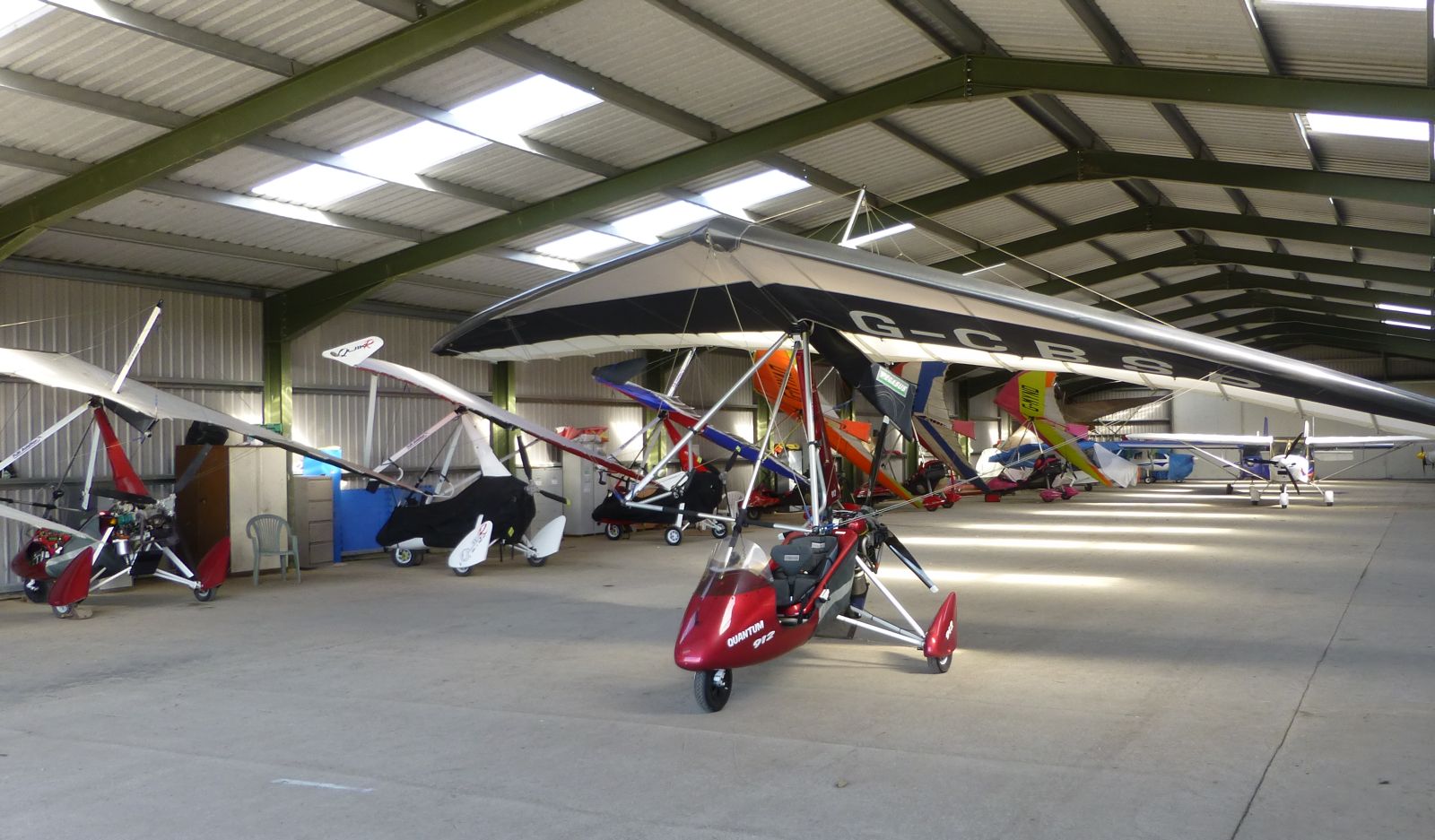
The first step of aircraft painting necessitates a thorough cleaning, sanding, and stripping of the areas where paint is to be applied. Shards of contaminants, dirt, or the existence of previously applied layers of paint, will not allow new paint to adhere to the aircraft’s surface. One way of prepping up an aircraft’s surface for the application of paint is by acid etching. The other option is using phosphoric acid conversion coating. This helps to get rid of all the blemishes. The aircraft is then washed and sanded.
Primer Application
The second step of painting an aircraft involves the application of primers. It is primers that bind the paint to the aircraft’s surface, meaning that they are agents of adhesion and markers of durability (of the applied paint). Primers also help make the aircraft’s surface smooth allowing uniform paint to glide across the body of the aircraft. Epoxy and polyurethane primers are the most popular primers, though depending upon the requirements as well as the material (with which an aircraft is made), these may vary.
Paint Application Techniques
Amongst the various ways paint can be applied to an aircraft, spray guns are the most popular. The nozzle of the spray gun is a source of high-velocity turbulent air that squashes across surfaces of filaments or films of liquid. This causes the droplets to spread across the surface in a whole gamut of sizes, making way for an even distribution of paint. In addition, spray guns also allow to precisely control the amount of paint.
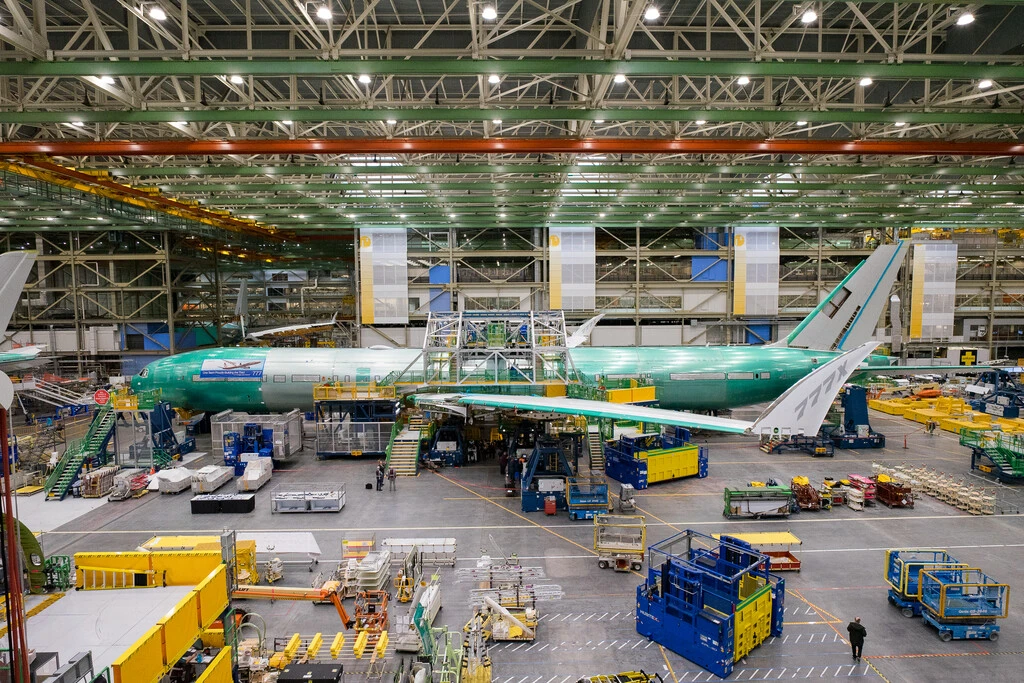
Electrostatic painting is also a viable alternative as this method utilizes electrical energy to cleave paint particles to the aircraft’s surface. In this method, the paint particles are atomized and the flow is directed towards the grounded body which is to be painted. With paint wastage of only 5-8%, electrostatic painting is one of the solutions to curb the environmental problems that aircraft painting brings about. Electrostatic painting, much more than spray guns, is a more uniform and efficient approach to painting an aircraft.
Powder coating is a method invented in 1945. It is a method whereby dry powder fuses into an aircraft’s surface with the help of an electrical charge. The powdered coating also makes a surface immune to wear issues such as abrasions, scratches, corrosion, or fading, making it popular for application in heavy machinery. It is a painting technique that allows the release of the most minimal amount of Volatile Organic Compounds (VOC) into the atmosphere.
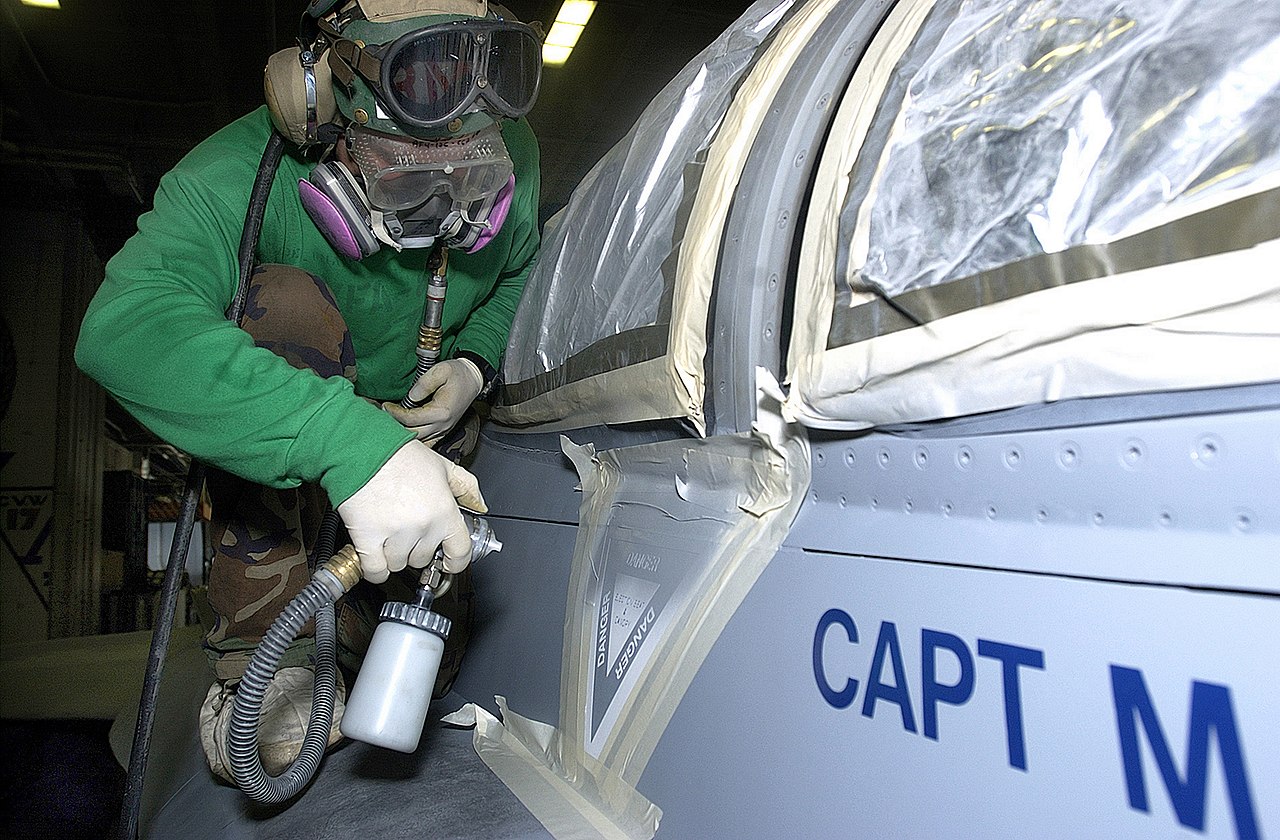
Photo: US Navy | Wikimedia Commons
Specialized Coatings
The use of specialized coatings in aircraft is dedicated to addressing specific needs. Anti-corrosion coatings, as its name suggests help an aircraft gain traction against corroding agents such as moisture, chemicals, or salt while heat-resistant coatings (in areas such as engine components) provide an aircraft with much-needed inoculation against high-temperature. The additional coatings might be those of radar-absorbing materials so that their radar signatures are attenuated.
Finishing Touches and Sealants
The finishing touches to the aircraft are the portrayals of decals, insignias, and logos which give an airline their visual distinction. After all the paint has been appropriated and the aircraft is draped in the colors of the airline, sealants are applied. These protect painted surfaces from pollutants, chemicals, and moisture- all of which eat away at the lifespan of the paint (and the aircraft).
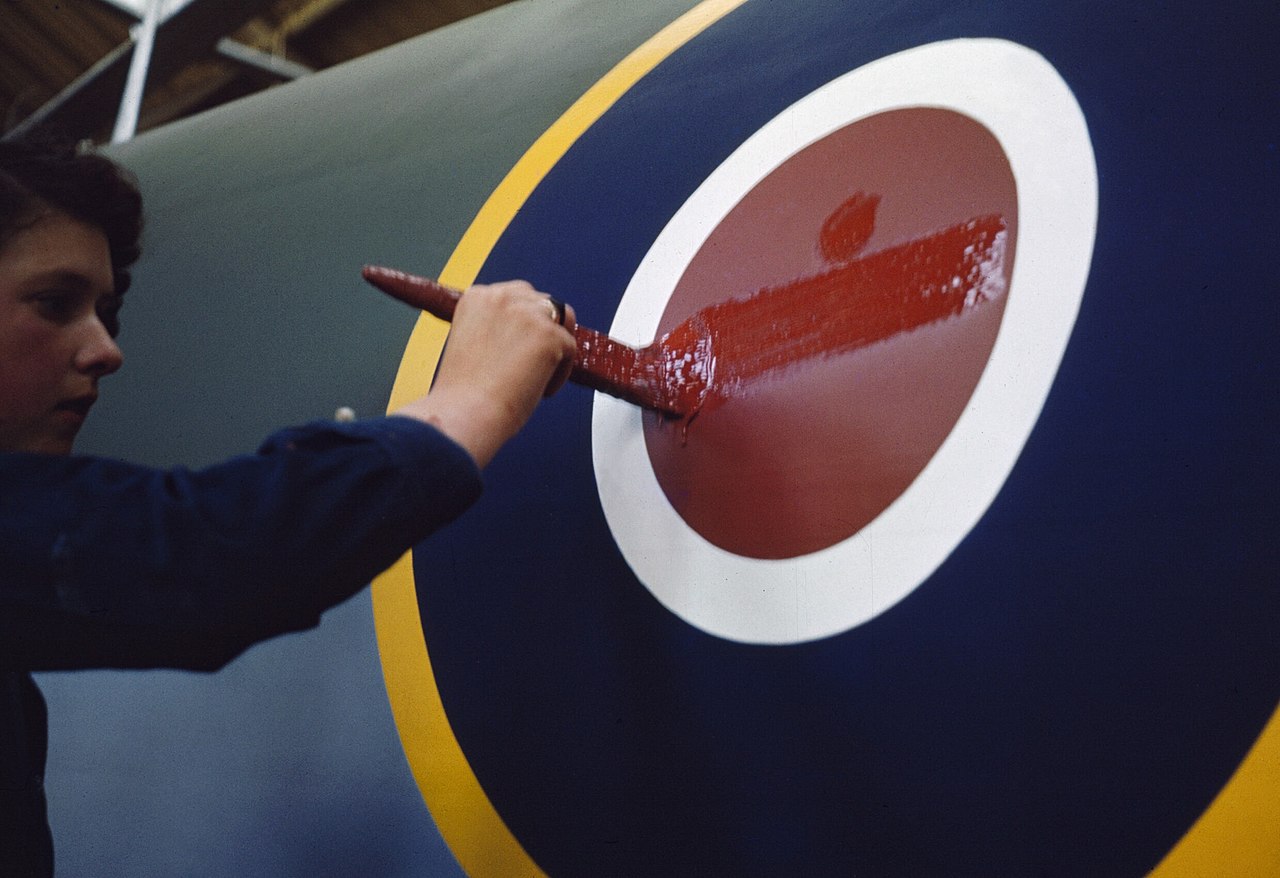
Therefore, the remits of the final touches for aircraft painting don’t restrict themselves to simply catching a passenger’s eye or being aesthetically pleasing. A lustrous, shiny finish, in addition to deterring UV radiation and environmental damage, acts as a shield to the underlying layers of paint, keeps abrasion away, and ensures that an aircraft remains lively for a longer time.
Types of Paint
Epoxy
Epoxy is a kind of polyurethane-based paint. It is characterized by a pronounced resistance to oxidation, chemicals, and fading. Epoxy are two-part coatings that work well on metal surfaces of an aircraft. Typically, a reaction of a hardener and a resin that holds on pretty well to the surface of an aircraft. Epoxy is also adept at joining some materials, such as glass, wood, metal, wood, and various shades of plastics. Epoxy adhesives have high heat, are incredibly adaptable, and possess good electrical insulation- which is why Epoxy is sought after in high-altitude aircraft.
Enamel
For one thing, enamel paint is cheaper than Epoxy. Enamel is particularly known for its heat resistance and therefore even under the flagrant heat of the airplane engine, it doesn’t either flake, chip, or wither. Epoxy paints are known to harden after application. They also have some notoriety for harboring volatile organic compounds, exposure to which can be fatal to painters (and people alike).
Enamel is sprayed atop epoxy primer. Enamel thinners are used to achieve consistency of enamel over the primer. After the drying of the light, mist coating (as identified by a tacky touch), a full coat of enamel is applied. If the full coat doesn’t suffice, another layer of coat can be applied.
Acrylic Paint
Acrylic paint is known to be water-soluble, possessing the qualities of drying quickly, and becomes water-resistant after moisture is wiped off it. Its water base allows it to be less toxic while its quick drying implies that during the between sessions, we don’t have to wait for the paint to dry.
Top Reasons Why Aircraft are painted white
White keeps the aircraft cool
Anyone who’s worn white garb on a sultry afternoon knows how this color tends to ward off heat more than most colors, more than all colors. The same is true for aircraft as well.
If it were not so, and the aircraft was painted with other eye-catching, heat-absorbing colors, you might as well argue that there would be a cooling system inside an aircraft to keep the heat in check. But that would, in turn, create a high-temperature gradient between an aircraft’s outer and inner surfaces. This will lead to increased metal fatigue.
Say if an aircraft is grounded for months, then it is going to be absorbing a lot of heat. Aircraft are made up of aluminum, fiberglass, and carbon fiber- all of which are likely to be racked with warps or break under the strain of excessive temperature(changes). Even Many sensitive electronics, like the guidance sensors in the nose, have to be protected from heat exposure to keep them running properly.
It minimizes bird strikes
If you’re painting an aircraft any color other than white, chances are the aircraft melts into the background. For example, if you have a green plane flying against a backdrop of hills (which are predominantly covered with green trees), chances are birds flying might not notice the aircraft. As a result, the chances of collision become greater.
A white plane, on the other hand, is in stark contrast against the background- whether it be colored buildings or hills- giving birds the ability to detect it as an object that should be avoidable.
It helps to detect damage easily
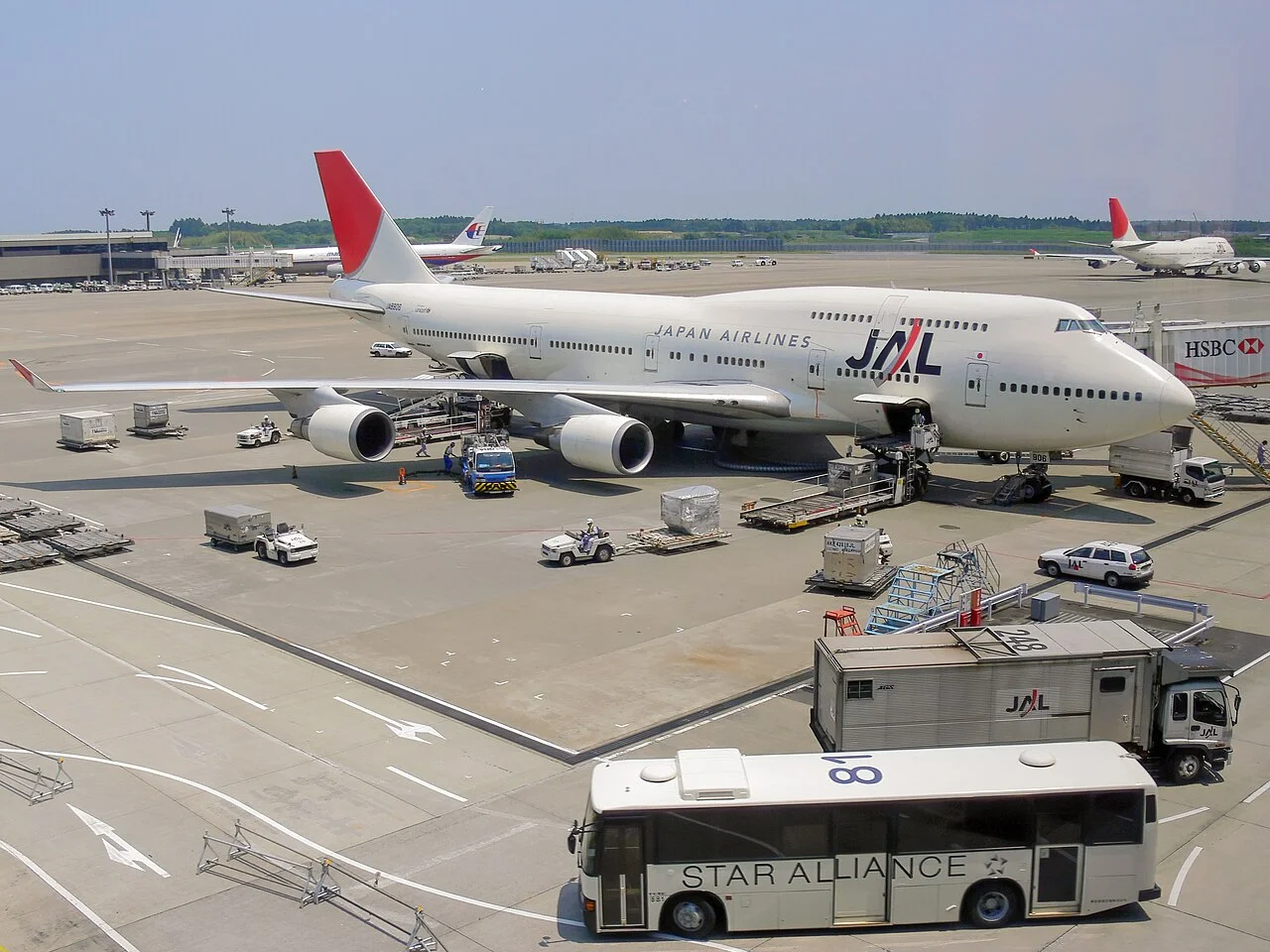
Damages to white surfaces can be easily detected. Think about a stain on one of the darker-colored cloth and how that, in comparison to a stain on a white-colored cloth, can be shielded away from the common view. In other words, aberrations in white colors tend to be detected far more easily.
So if the surfaces of the aircraft tend to have dents or creases in its surfaces, the white color will help identify these errors a lot quicker in comparison. And that means that the problems will be fixed sooner as well.
It saves a lot of money
All of the aforementioned qualities add up to one thing: A lot of money is saved. First, the engines are saved from the temperature difference if the outside is not painted white. Secondly, fewer bird strikes mean that engines don’t have to be repaired as much as they would if there were a great number of bird strikes.
If you detect the smaller damages to an aircraft easily due to the application of the white paint, then these small factors don’t add up, and the chances of them culminating in a large disaster are averted.
Further, if aircraft are painted white, the costs that come while selling an aircraft also get minimized. When an airliner decides to sell an aircraft to another airline, the livery needs to be worked over to match the brand of the other airline. If you’ve painted an aircraft white, the job of the new airline becomes that much easier as other colors can be easily daubed