Nepal’s government has initiated a strategic recalibration of its military aviation assistance request to the United States, seeking heavy-lift aircraft rather than the six helicopters proposed under a $100 million Foreign Military Financing (FMF) grant, The Kathmandu Post reported. The move follows inter-agency consultations in Kathmandu in early 2026, as officials concluded that the offered rotary-wing assets do not align with Nepal’s operational priorities.
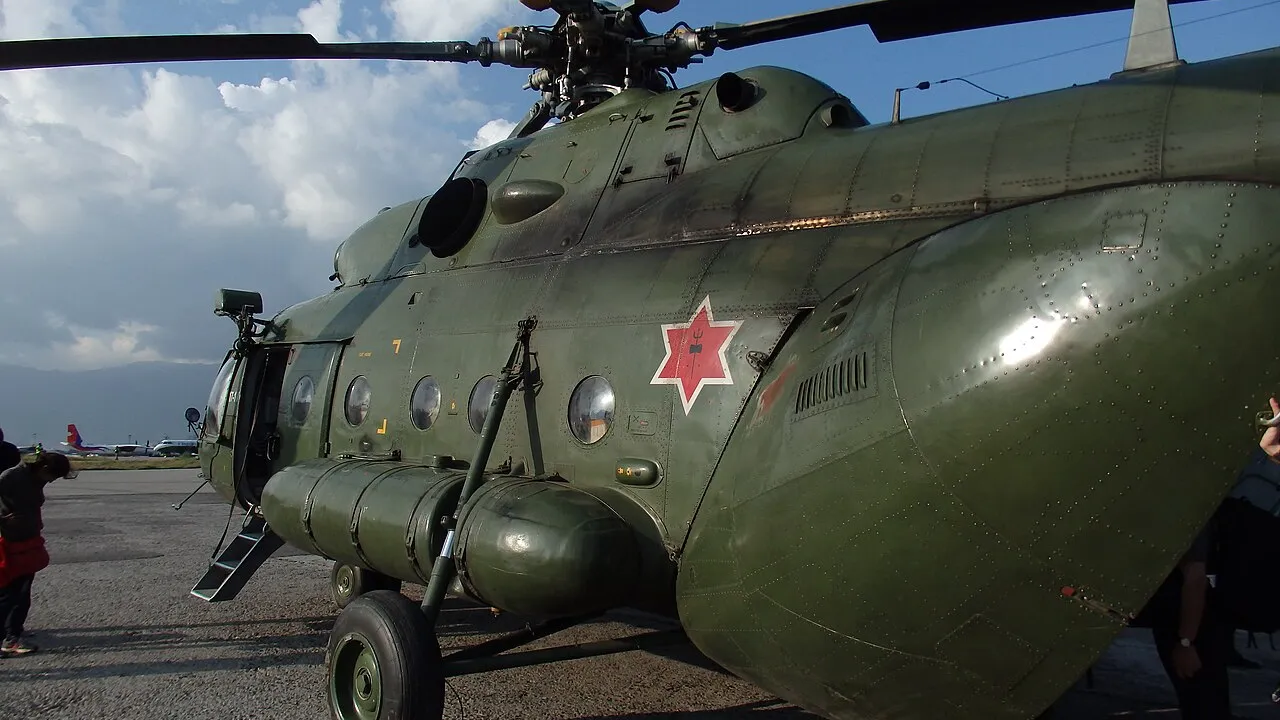
Senior officials from the Ministry of Foreign Affairs, Ministry of Defence, the Office of the Prime Minister, and the Nepali Army have collectively endorsed a counter-proposal that emphasizes heavy-lift capabilities for infrastructure support in remote terrain such as the Everest region (which houses the world’s most dangerous airport that has had a history of many crashes), rather than conventional or light rotary-wing platforms primarily configured for disaster response.

Nepal Redefines US Military Aid Priorities under FMF Programme
The United States had initially signaled its intent to provide approximately $100 million in aviation assistance during the August 2024 visit of Richard R. Verma to Nepal. At the time, the funding remained subject to Congressional approval, creating uncertainty over its eventual scope and deployment.
Following approval, the US Embassy in Kathmandu formally proposed supplying six helicopters, including twin-engine rotary-wing aircraft and specialized aerial firefighting drones. [Note that the helicopter operators of Nepal primarily operate the Airbus H125, a chopper that was able to land at the top of Mount Everest.] According to government correspondence, these platforms were designed for precision retardant drops, rapid personnel deployment, and night operations.
However, Nepali officials reassessed the proposal after internal consultations, determining that such assets—while operationally capable—do not address the country’s more pressing logistical and infrastructural challenges.
Demand Shifts Toward Heavy-Lift Aircraft for Remote Infrastructure
Nepal’s counter-proposal centers on acquiring heavy-lift aerial platforms, often described as “aerial cranes,” capable of transporting construction materials to remote and mountainous regions.
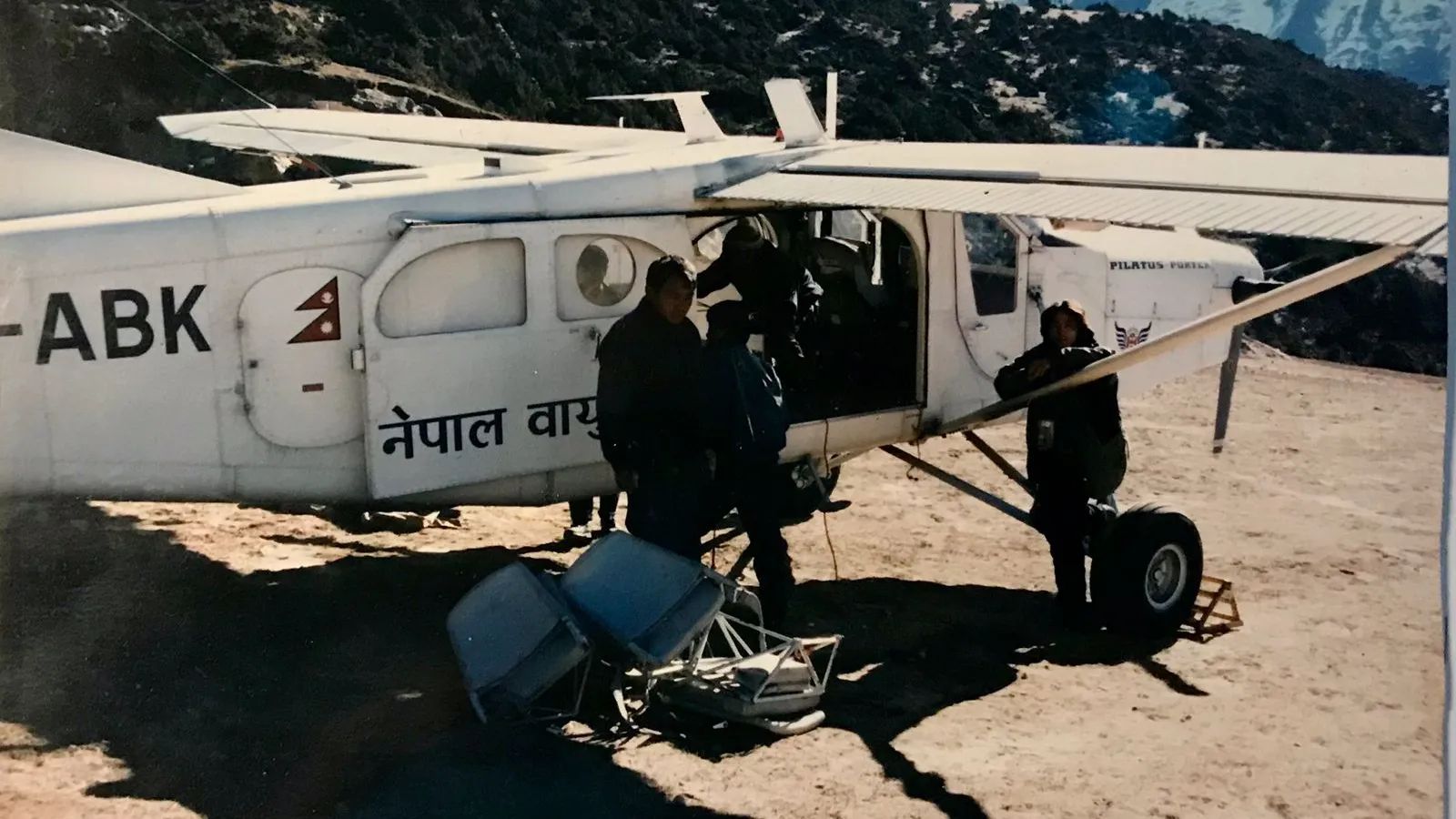
These aircraft can deploy external slings and hooks to carry oversized loads such as steel beams, prefabricated structures, and mechanical equipment. When the first school was built in the Everest region, a Pilatus Porter had to transport materials to Mingbo Airport- a forgotten airport that was more dangerous than Lukla.
A senior foreign ministry official, quoted by The Kathmandu Post, stated that Helicopters were not the nation’s top priority:
“We need aircraft—often referred to as aerial cranes or heavy-lift helicopters—in order to use external slings and hooks to move materials such as steel beams, concrete, wood, and HVAC units, enabling us to transport construction materials in remote areas of the country…We are sending a counter-proposal to the US side seeking such top-heavy-lift construction helicopters if possible, instead of what it has offered.”
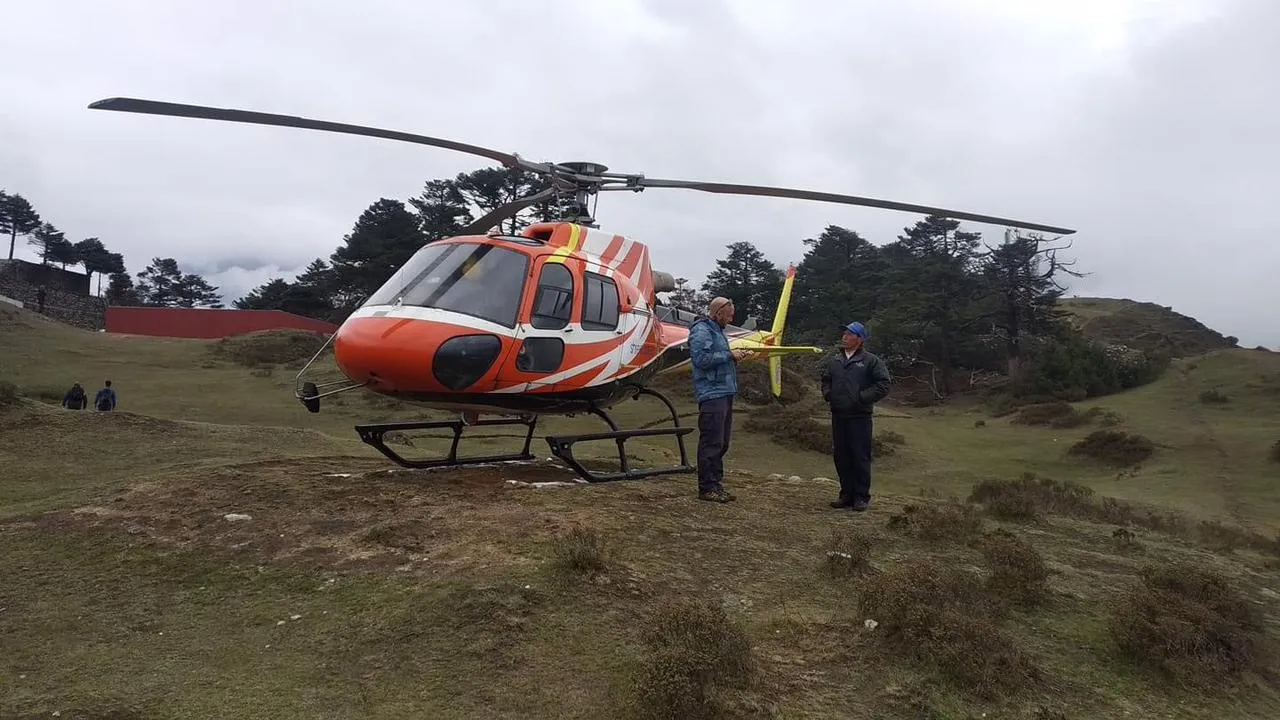
Photo: Ajendra Rai | aviospace.org
Cost, Maintenance, and Operational Constraints Shape Decision
Beyond mission suitability, lifecycle costs emerged as a decisive factor in Nepal’s reconsideration of the US offer. Officials cited the high cost of maintenance, fuel consumption, spare parts procurement, and specialized training associated with the proposed helicopters.
These constraints, particularly in a resource-limited environment, have prompted Kathmandu to prioritize fewer but more versatile platforms capable of delivering long-term strategic value.
The government now intends to formally communicate its revised requirements to Washington within the financial ceiling of the FMF grant.
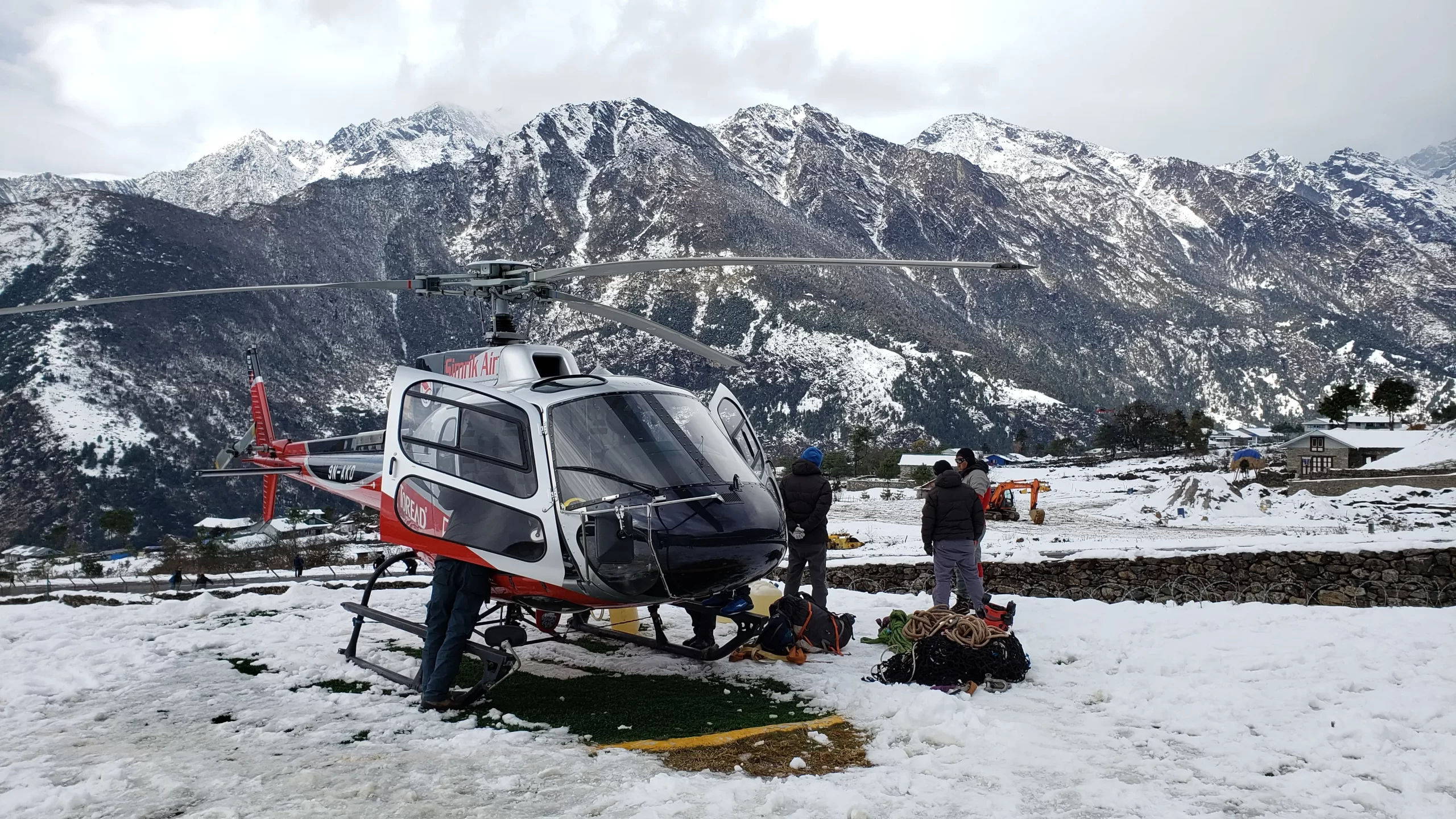
Photo: Surendra Paudel, a helicopter pilot in Simrik Air | Aviospace.org
Nepali Army Consultations Seek Balance with US Strategic Interests
The evolving proposal has triggered high-level discussions within Nepal’s defense establishment. Chief of the Army Staff General Ashok Sigdel has reportedly engaged with ministers and senior bureaucrats to identify a compromise that accommodates both Nepal’s operational needs and US strategic priorities.
Sources indicate that this negotiation also reflects Kathmandu’s broader diplomatic approach of balancing relations with major global powers while safeguarding national security interests.
Officials from the Ministry of Defence, however, have maintained a limited public stance. Spokesperson Manoj Kumar Acharya confirmed awareness of ongoing correspondence but did not elaborate on the alternative proposal.
Existing US Support expands Nepal’s Fixed-wing and RotaryFleet
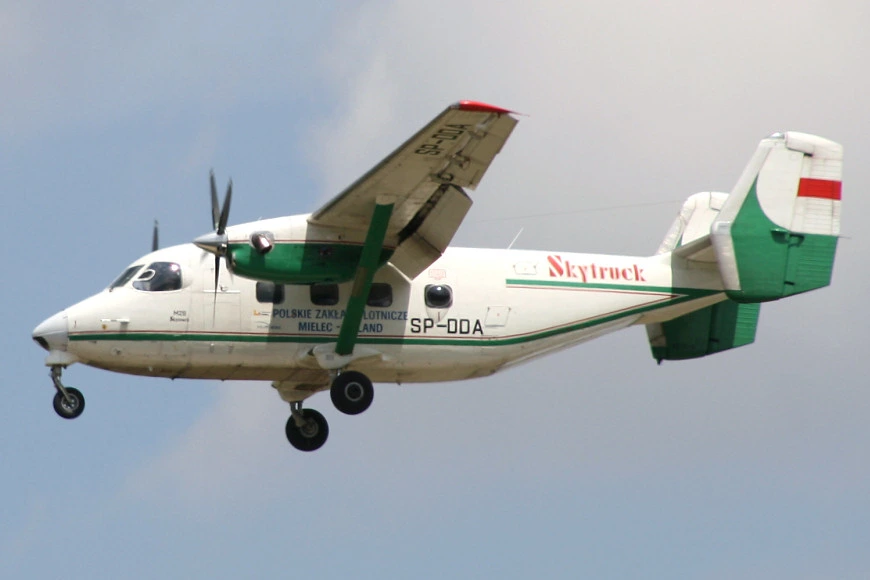
The proposed helicopter package forms part of a broader pattern of US military assistance to Nepal. In August 2024, the United States delivered two M28 Skytruck aircraft under a $37 million FMF grant, expanding the Nepali Army’s fleet to five.
When the US delivered the M28 Skytruck to Nepal at the Tribhuvan International Airport (KTM), the following personnel were present:
- Foreign Minister Dr. Arzu Rana Deuba
- Defense Minister Manbir Rai
- Chief of Army Staff Ashok Raj Sigdel
On this occasion, Ambassador Thompson emphasized that these aircraft strengthen Nepal’s humanitarian response and overall capability:
“These aircraft are more than machines, they are lifelines. They will help Nepal respond faster and more effectively to emergencies across the country….This delivery reflects just one part of our broader security cooperation, including training, exchanges, equipment transfers, and planning, and demonstrates our ongoing commitment to a resilient, capable, and secure Nepal.”
The US had previously supplied two Skytrucks in 2019, while Nepal independently procured an additional unit. These short takeoff and landing (STOL) aircraft have enhanced Nepal’s ability to operate in austere airfields across mountainous terrain.
Washington has also committed to providing additional Bell helicopters to Nepal, although some deliveries are not expected before 2027. Earlier engagements between the two countries included discussions on rotary-wing drones with vertical takeoff and landing capabilities.
All in All
Nepal’s latest position underscores a fundamental reality: aviation strategy in the Himalayan nation remains inseparable from its geography that has produced some memorable airports such as Rara Airport, which is considered more dangerous. While disaster response continues to justify investment in helicopters, which have the ability to land anywhere, the government now appears to prioritize platforms that can directly support infrastructure development and economic integration.