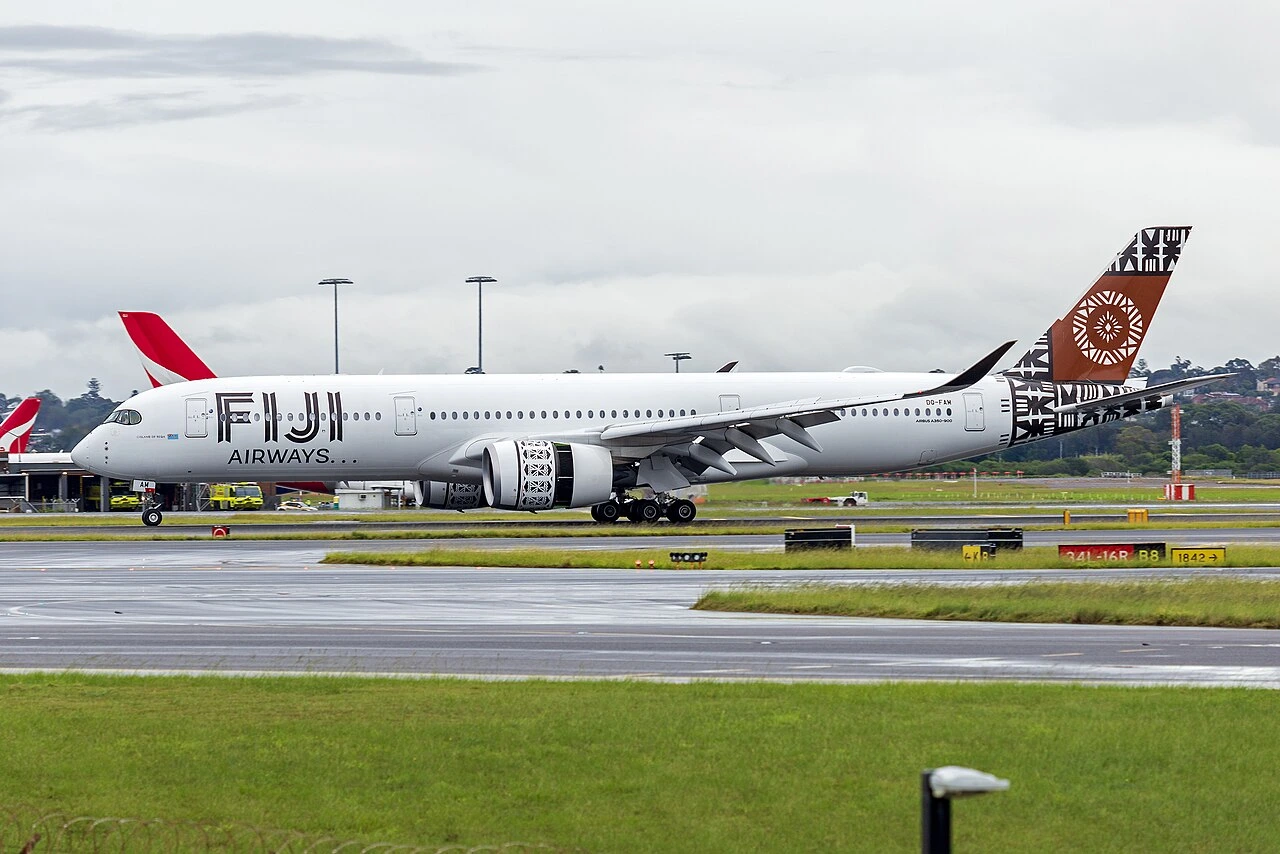
Fiji Airways (FJ) will suspend its nonstop service between Nadi International Airport (NAN), Fiji and Dallas/Fort Worth International Airport (DFW), United States from September 7, 2026, citing rising fuel costs and shifting travel demand, The Fiji Times reported. The route, launched in December 2024, was the airline’s longest at 6,625 miles and a key part of its North America expansion strategy.
The decision comes less than two years after the service began, reflecting changing market dynamics and cost pressures on ultra-long-haul operations. The airline stated it will redeploy capacity toward routes with stronger and more sustainable demand profiles.
_Airbus_A350-941_landing_at_Sydney_Airport_(3).jpg)
Fiji Airways: Carrier Profile
Fiji Airways confirmed that the Dallas route will be “suspended” rather than permanently canceled, though industry observers view a return as unlikely under current conditions. The airline attributed the move to a combination of elevated fuel prices, which has already seen Korean carriers cut their routes as well and evolving passenger demand patterns.
In a statement aligned with its network strategy, the carrier emphasized its intent to optimize fleet deployment. It noted that resources would shift to markets delivering higher yields and more consistent traffic flows.
The NAN–DFW service was introduced shortly after Fiji Airways deepened its partnership with American Airlines and aligned with the oneworld alliance framework. This collaboration aimed to leverage Dallas/Fort Worth as a major connecting hub for U.S. passengers traveling to Fiji and the South Pacific.

Fiji’s Network Strategy Realignment
Following the suspension, Fiji Airways will maintain 11 weekly flights to the United States through Los Angeles International Airport (LAX) and San Francisco International Airport (SFO). These routes have historically generated stronger demand and offer established connectivity.
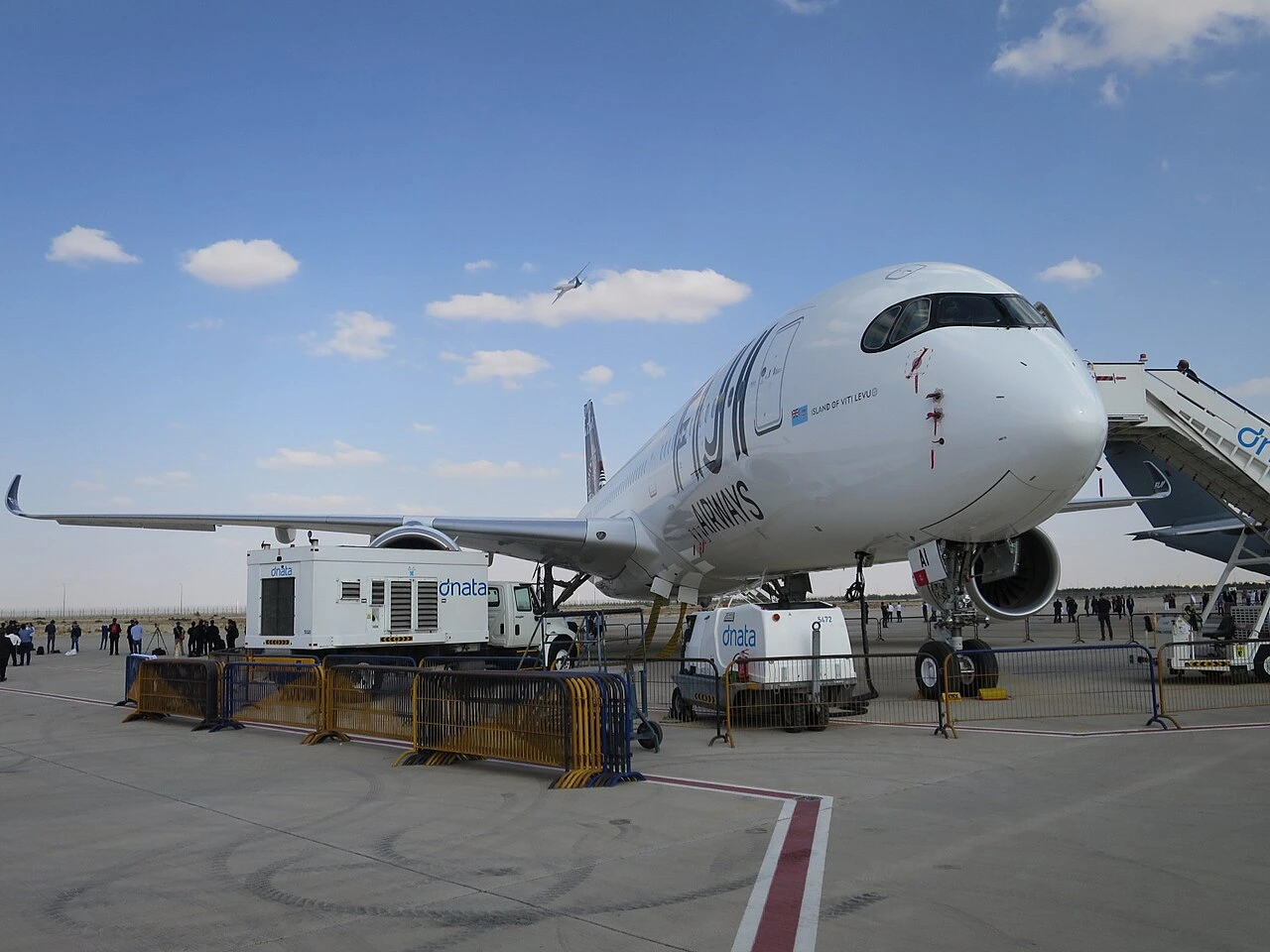
The airline also announced plans to upgrade select Vancouver International Airport (YVR) services from Airbus A330 aircraft to the more modern Airbus A350, and was quoted in FBC News:
“….upgauge of our three weekly Vancouver services from the A330 to our flagship A350 aircraft effective 8 September, as well as increasing Hong Kong frequencies to up to four flights per week year-round from 22 September.”
Passengers affected by the Dallas route suspension will be accommodated on alternative services via Los Angeles and San Francisco.
Challenges Put Forth by The Market Demand
The Dallas route represented a strategic attempt to tap into underserved U.S. markets by leveraging a central hub with extensive domestic connectivity. However, the economics of operating such a long sector proved challenging.
Industry analysts note that ultra-long-haul routes often struggle to command fare premiums sufficient to offset higher operating costs. The additional flight distance—approximately 1,000 miles longer than Fiji Airways’ West Coast routes—likely compounded cost pressures without proportionate revenue gains.
Moreover, demand for travel to Fiji from the United States remains relatively niche, with the majority of passengers originating from major metropolitan areas already well served by West Coast gateways. This limits the incremental value of a central hub like Dallas.
While Fiji’s tourism authorities have actively promoted the destination in North America, the scale of demand has yet to justify sustained ultra-long-haul expansion beyond core routes.
.jpg)
All in All
Volatile fuel prices (that have led to airlines in Nepal canceling almost half of their flights) is at the heart of the decision.
Paul Scurrah, the Managing Director and Chief Executive Officer of Fiji, said that it will “focus on markets where we are seeing the strongest and most sustainable demand“, so it would be fair to say that carrier will be focused on markets with proven demand:
“Given Fiji has just hit an all-time visitor record for March, we know Fiji remains an attractive and accessible destination…..Our priority is to maintain reliable services, manage costs responsibly, and ensure confidence in travel to Fiji remains strong.”
The airline’s ongoing investments in fleet modernization and alliance partnerships indicate a continued commitment to international growth, albeit with greater operational discipline.