American Airlines (AA) has moved to stabilize its disrupted inflight catering operations at London Heathrow Airport (LHR), nearly two months after a sudden supplier change triggered widespread service challenges across its transatlantic network. The airline confirmed that Austrian caterer Do&Co will now provision all cabins on Heathrow departures, marking a critical step toward restoring normal operations.
The disruption began in early March after American abruptly ended its long-standing catering agreement with dnata (the Dubai-based ground handling provider affiliated with Emirates Group), leaving the carrier without sufficient ground catering capacity at one of its busiest international hubs. With up to 19 daily departures (as reported by Paddle Your Own Kanoo (PYOK)) from Heathrow to multiple U.S. cities, the fallout quickly escalated into a complex operational crisis.
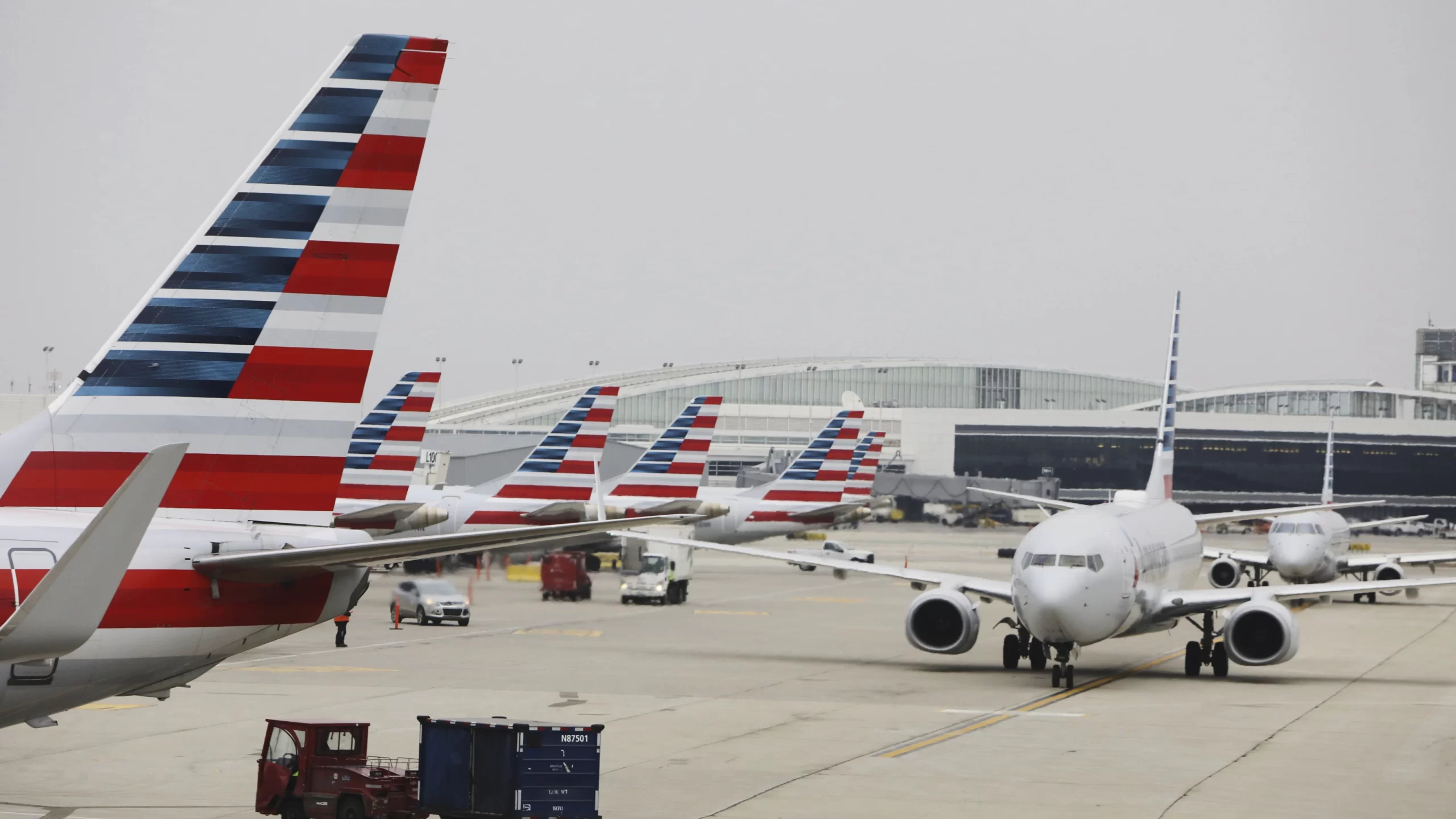
American Airlines Heathrow Catering Crisis
The breakdown in catering operations stemmed from American’s rapid exit from dnata. Industry reports indicate that the airline did not secure an immediate replacement, forcing it into contingency measures that significantly altered onboard service delivery.
Given Heathrow’s constrained catering infrastructure, alternative providers were unable to absorb American’s high-volume requirements at short notice. This left the airline scrambling to maintain even basic service standards across its premium-heavy transatlantic routes.
To mitigate the disruption, American adopted a “double provisioning” strategy, loading aircraft in the United States with catering supplies for both outbound and return journeys. While operationally viable, this approach strained aircraft galley capacity and required procedural adjustments onboard.
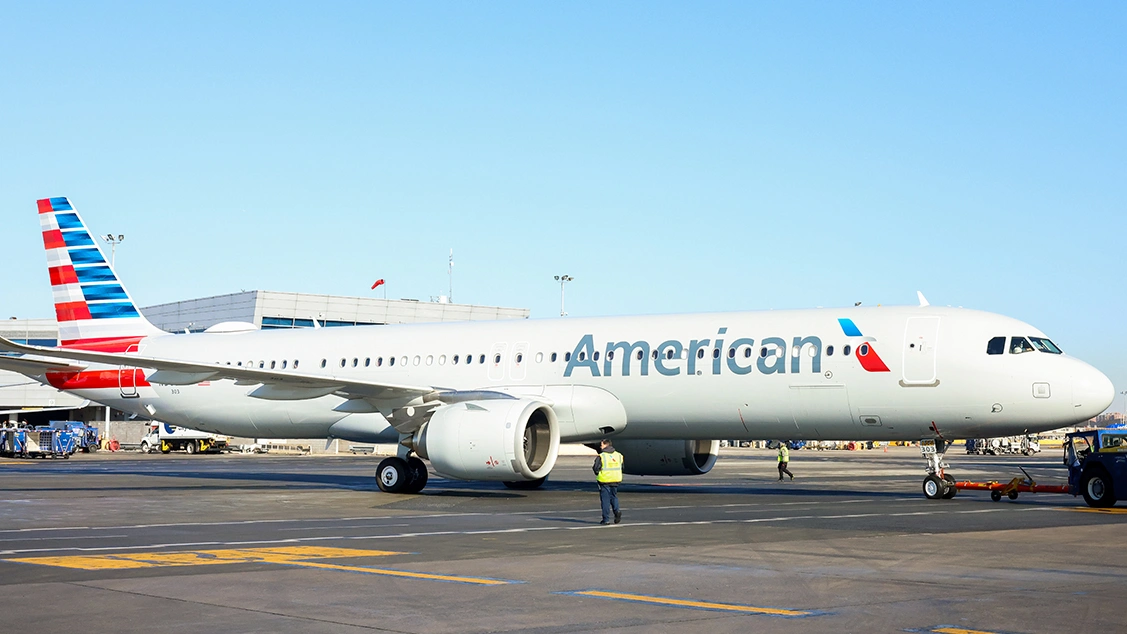
Operational Impact of the Double Provisioning
Double provisioning created ripple effects across cabin operations, particularly for flight attendants managing long-haul services. Aircraft are not designed to consistently carry two full sets of catering supplies, leading to logistical inefficiencies and increased workload for crew members.
According to statements cited by industry sources, the Association of Professional Flight Attendants (APFA) raised concerns about the added burden on crew. The union reportedly sought additional compensation for staff assigned to Heathrow routes during the disruption.
In an internal memo quoted by PYOK, American acknowledged the strain, stating that the “transition hasn’t been easy” and thanking employees for their “grace and professionalism throughout.” However, the communication did not confirm any financial compensation for affected crew members.
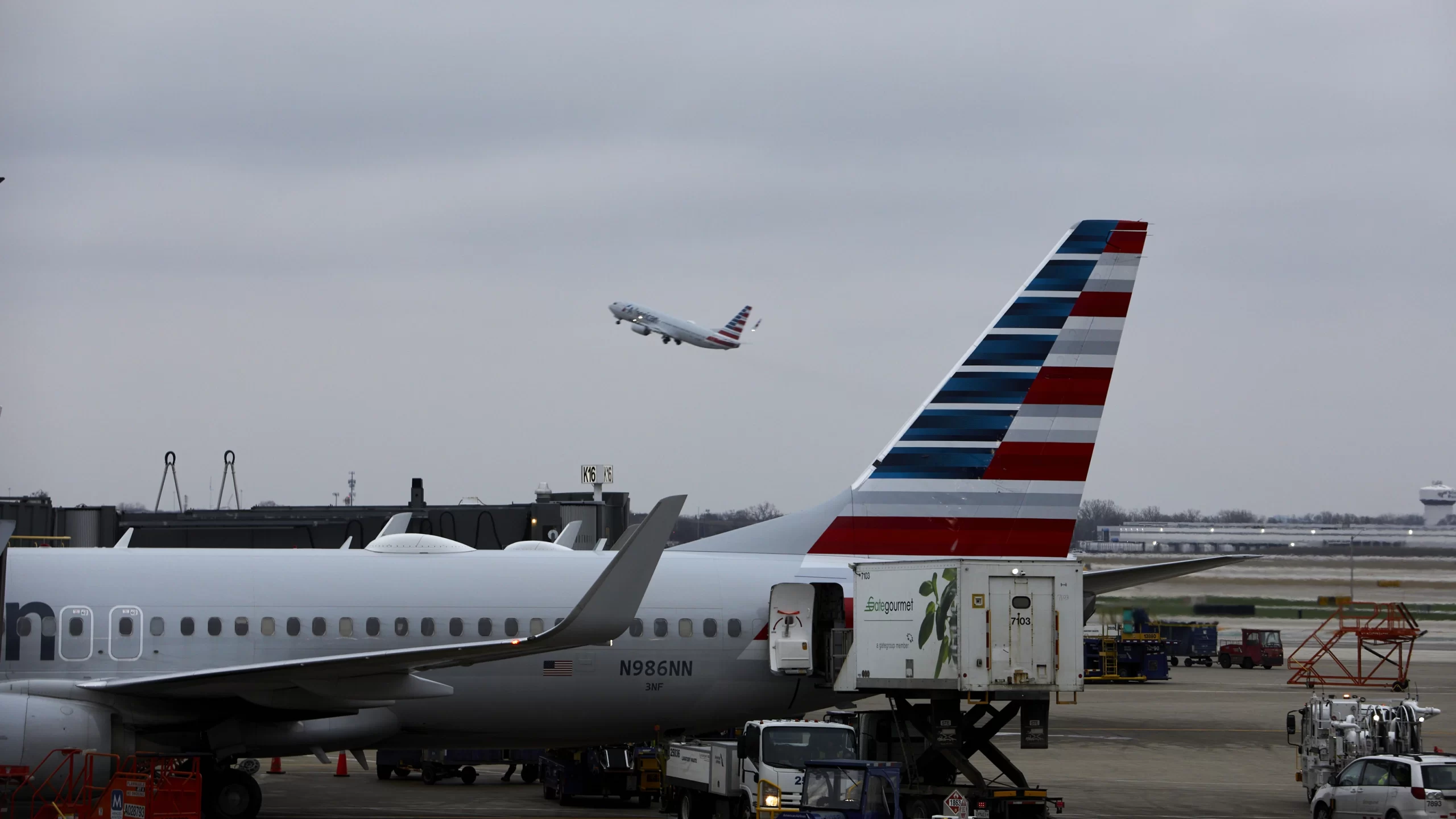
American’s do&co Contract and Service Recovery
The turning point came as Do & Co stepped in to support operations. Initially, the company provided limited catering capacity through its existing partnership with British Airways, allowing American to partially restore premium cabin services.
As of April 22, Do&Co has assumed responsibility for full-service catering across all cabins on Heathrow departures. American indicated that it will continue limited double provisioning during the transition period to ensure operational continuity.
The airline also confirmed that pre-ordered meals and special dietary options for premium passengers will soon be catered locally at Heathrow. This marks a return to standard service protocols that had been suspended during the crisis.
There is Still a Long-Term Catering Uncertainty
Despite the progress, American, which recently rejected offers of being merged with United Airlines, has clarified that its agreement with Do&Co is temporary. The airline continues to evaluate long-term catering solutions for its Heathrow operations, suggesting that further changes may follow.
Frequent flyers and industry observers have expressed optimism about a potential permanent partnership with Do&Co, citing strong feedback on meal quality. However, American has not disclosed its long-term strategy or the reasons behind its abrupt departure from dnata.
Unverified reports circulating in March pointed to possible sanitary concerns at the former catering facility, including a widely shared image allegedly showing contamination in onboard food service. While these claims remain unconfirmed, they have added to the scrutiny surrounding the incident.
All in All
The catering disruption at Heathrow, the airport whose third runway might be underway, highlights how carriers like American Airlines, which has some of the largest fleets in the world, can face significant challenges when with inadequate contingency planning.