Avio Space

Ryanair Alerts: French ATC Strikes Could Disrupt Europe’s Summer Travel and Airline Operations

Ryanair (FR), has sounded a stark warning that ongoing and anticipated French air traffic control (ATC) strikes could lead to significant disruption in summer 2026 travel across the continent, reported The Independent. The airline’s chief executive, Michael O’Leary, who only a couple of days ago announced The Big Idiot Sale following his spat with Elon Musk over the installation of Starlink, outlined expectations of rolling staffing walkouts by air traffic controllers in France beginning as early as May or June, potentially triggering capacity restrictions and widespread delays or cancellations for peak‑season passengers.
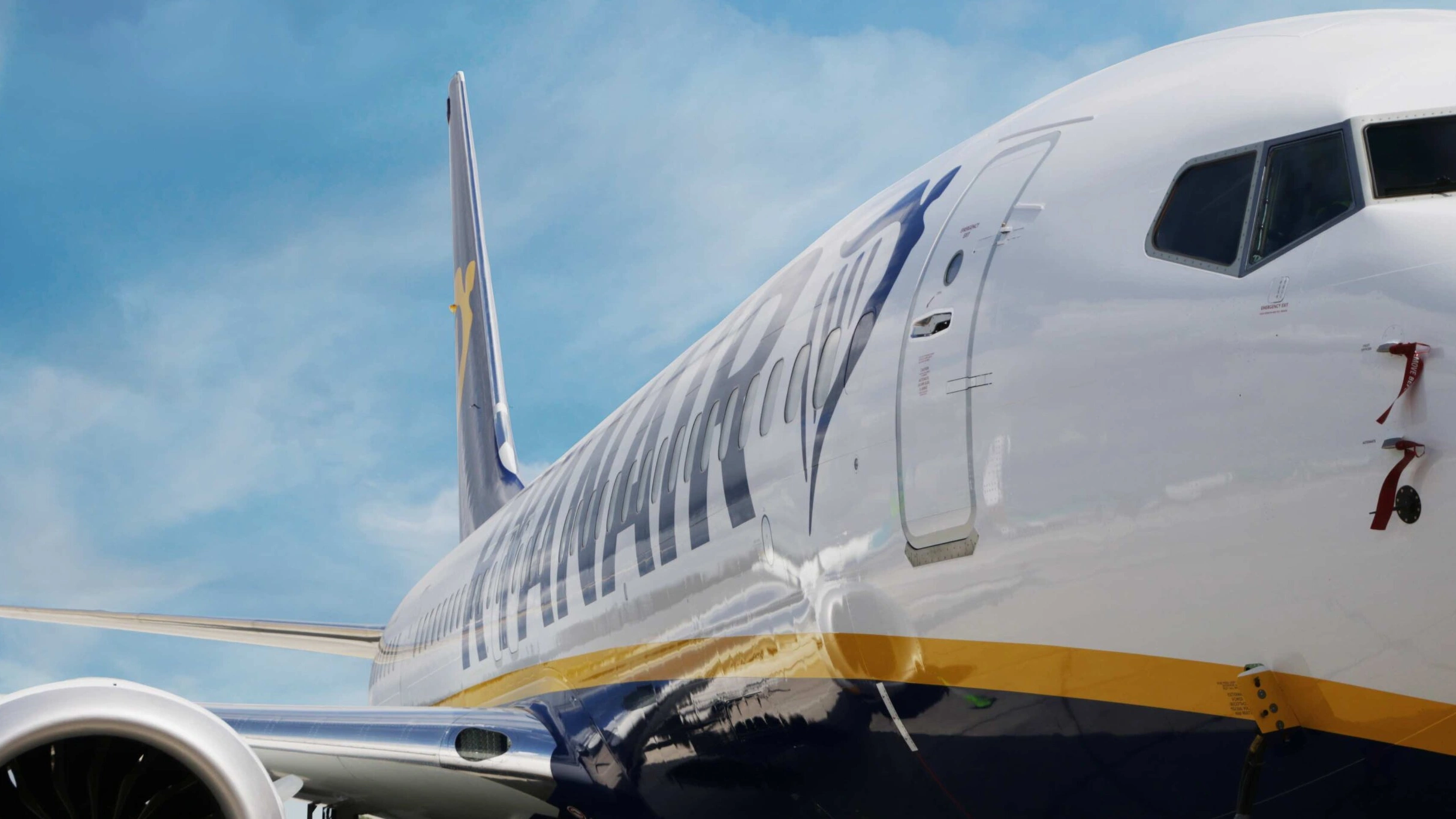
Photo: Ryanair

His comments, delivered at the carrier’s recent Q3 briefing, underscore mounting industry concerns about operational resilience in the face of labour actions by ATC unions. O’Leary’s forecast comes against the backdrop of disruptive French strikes in summer 2025, which led to at least 170 flight cancellations and affected tens of thousands of travellers.
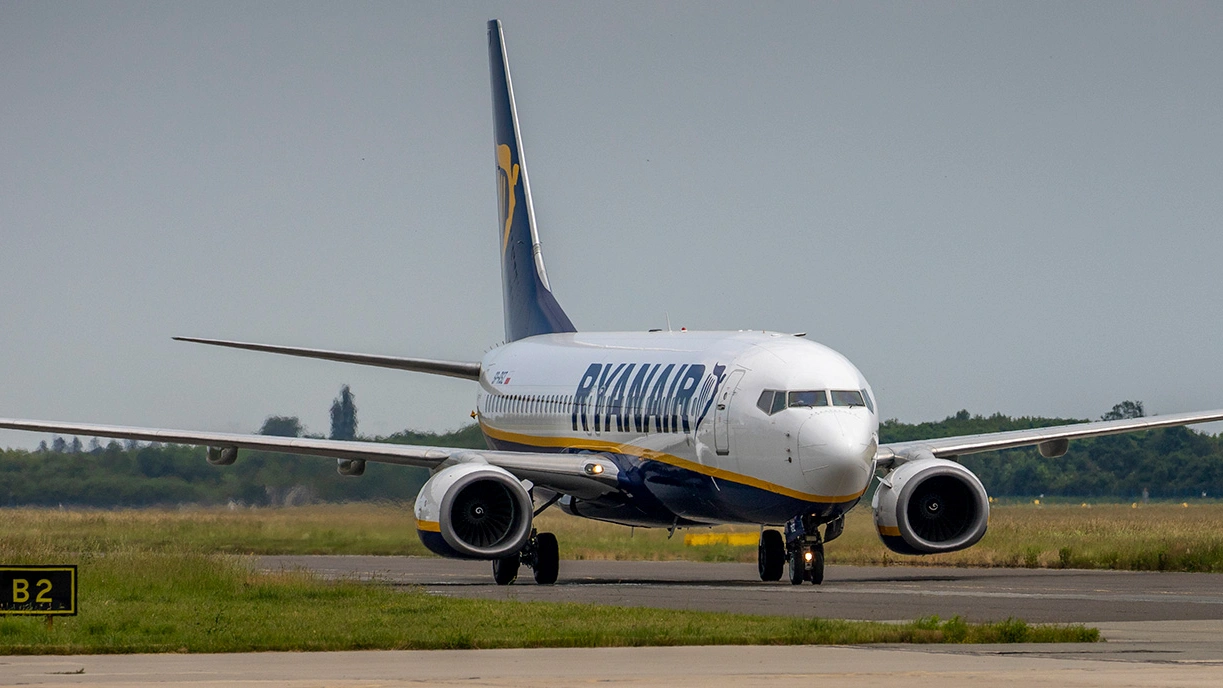

ryanair carrier profile

Attribute Detail
Airline Ryanair (FR)
Founded 1984
Headquarters Dublin, Ireland
Main hubs Dublin Airport (DUB), London Stansted (STN), Milan Bergamo (BGY)
Fleet size ~560 aircraft (primarily Boeing 737‑800)
Destinations 200+ across Europe and North Africa
Employees ~20,000 pilots and crew
Business model Low‑cost, no frills

Photo: Ryanair

Major ATC Issues Hit 22 US Airports, 8000 flights disrupted

Impact of French ATC Strikes on European Flight Schedules

O’Leary described the situation of French ATC strikes as “another mess” for summer travel and urged the European Union to impose fines on under‑staffed ATC providers, arguing that staffing shortages — not formal capacity limits — are principally to blame.

The warning signals potential ripple effects for not only flights to and from France but also those crossing French airspace into or from neighbouring countries, complicating Europe’s busiest travel season.

French industrial action by air traffic controllers has a well‑documented history of disrupting flights across Europe. The geographic centrality of French airspace means that restrictions have implications far beyond flights originating or terminating in France itself; many itineraries to Spain, Italy, the UK and other parts of the continent rely on French airspace for optimal routing.

Key impacts analysts expect this summer include:

  • Flights crossing French airspace could face longer durations due to rerouting via Spanish or German sectors at higher operating costs.

  • Airports such as Paris Charles de Gaulle, Orly, Nice, Marseille and others might experience significant delays and cancellations if staffing shortages materialize.

  • Travellers are advised to secure flexible tickets and travel insurance given the near‑inevitability of schedule volatility.

Photo: Ryanair

Historical Comparisons: French Air Traffic Control Strike Impacts

On 3 and 4 July 2025, industrial action by French air traffic controllers significantly disrupted European aviation, as France’s civil aviation authority implemented a 40 % cut at Paris’s major airports — as unions such as UNSA‑ICNA walked out over working conditions and staffing levels.

The strike’s impact extended far beyond domestic flights because an estimated one‑third of European flights cross, land in, or take off from France daily, with about 60 % of these being overflights that do not touch down in France but traverse its airspace. According to EUROCONTROL, the two‑day walkout led to roughly:

  • 1,422 flight cancellations per day
  • About 3,713 delays daily
  • Affecting more than 1 million passengers, of whom roughly 200,000 were unable to fly as planned
  • Delayed flights experienced an average of 41 minutes extra airborne time
  • Inflicted approximately €120 million in combined delays and cancellation costs on European carriers.

Budget airlines reported substantial operational impacts as a result. Ryanair, for example, cancelled 170 flights affecting more than 30,000 passengers, and called on European Commission President Ursula von der Leyen to reform EU air traffic control services to prevent future widespread disruption.

Photo: Ryanair

Extended French ATC disruption – July 3–5, 2025

French ATC strikes persisted into the second day, with up to 50 % flight cuts at southern French airports, as walkouts continued. Airlines reported extensive cancellations beyond initial estimates, with Ryanair cancelling around 400 flights across 3–4 July, impacting roughly 70,000 passengers, including many flights simply overflying French airspace:

  • EasyJet cancelled 274 flights and recorded notable operational cost and customer disruption, while other carriers such as Lufthansa reduced schedules at affected French airports.

  • Industry bodies like Airlines for Europe (A4E) characterized the extended strike’s effect as responsible for thousands of cancellations (around 1,500 for the two days) and hundreds of thousands of passengers disrupted.

The 2025 strikes occurred mid‑summer, coinciding with peak school holidays and causing operational chaos.

Photo: Riik@mctr | Wikimedia Commons

And Some More Strikes ensued

Even in October 2025, there were talks of cancelations flights in France due to due to an air traffic control union strike, and O’Leary was quoted in Sky News to have said:

” That’s about 100,000 passengers who will have their flights cancelled needlessly next Wednesday and Thursday. On any given day at the moment, we operate about 3,500 flights and about 900 of those flights cross over French airspace and about two thirds of those, around 600 flights, are cancelled every day there’s an air traffic control strike. The UK is the country whose flights get cancelled most because of the geographic proximity to France.”

However, there is a difference between the 2025 strikes and the 2026 projections, as the latest hinge on not only formal strikes but also weekend staffing shortages. In both cases, French airspace restrictions have continental repercussions due to network dependencies.

According to an exclusive interview conducted by The Independent with O’Leary, Ryanair’s boss said that the summer was destined to be “another mess with air traffic control“:

 “It’s good at the moment because we’re in the middle of the winter season. The French will start striking around May or June. And then air traffic controllers will start not showing up to work on Saturdays and Sundays during the summer schedule, and we’ll have all these ‘mythical’ ATC capacity restrictions.”

Photo: DavidivardiIL | Wikimedia Commons

How Travelers Should Prepare for the Possible French ATC Strikes

Industry stakeholders are urging passengers to revise travel plans in light of potential disruptions. Measures being recommended include:

  • Buying flexible tickets that allow changes without heavy penalties.

  • Purchasing comprehensive travel insurance that covers cancellations and unexpected costs.

  • Monitoring flight status closely in the weeks leading up to departure dates, especially if crossing French airspace.

O’Leary has repeatedly emphasised that these disruptions could affect not only direct flights to France but also overflights — flights that simply traverse French airspace on the way to other destinations. According to one transport industry source, around 60% of Western European flights cross French airspace, magnifying the potential impact of ATC restrictions.
Photo: Ryanair

Axing 1.1 Million Seats in Belgium: Why Ryanair Blames “Silly Tax Rises” for Massive Seat Cuts

O’Leary Says that Alcohol Consumption Increases as a Result of ATC Disruptions

Michael O’Leary has renewed his call for stricter limits on alcohol consumption for passengers at airports, suggesting a maximum of two drinks per person while waiting for flights. He emphasized that the growing problem of passenger misbehavior across European airports is closely linked to air traffic control delays during the busy summer season, which often result in excessive alcohol intake before boarding.

O’Leary highlighted inconsistencies in airport licensing, questioning why bars are allowed to operate in the early hours of the morning.

He noted that while airlines generally restrict alcohol service to one or two drinks per passenger onboard, airport bars often “fill them full of alcohol during flight delays,” leaving airlines to manage the resulting unruly behavior. According to him, this has become a widespread issue, affecting not only Ryanair but all carriers operating in European airports.
Leave a Comment

Your email address will not be published. Required fields are marked *

Scroll to Top