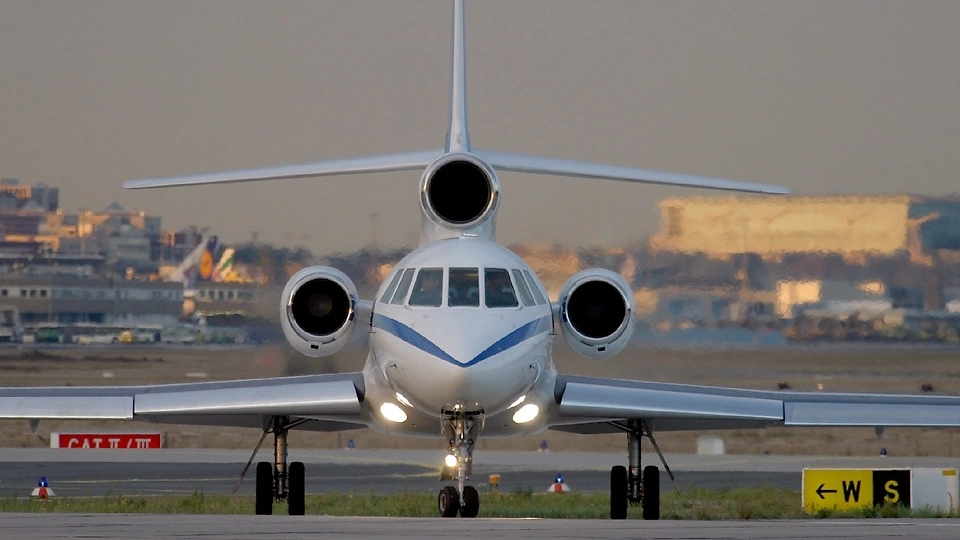
On 23 December 2025, Libya’s chief of staff, Lieutenant General Mohammed Ali Ahmed al-Haddad, was killed when the private Dassault Falcon 50 business jet he was aboard crashed shortly after departing Ankara’s Esenboğa Airport (ESB), Ankara en route to Mitiga International Airport (MJI), Tripoli. The crash also claimed the lives of four senior Libyan military officials and three crew members
Turkish authorities have recovered the flight’s cockpit voice recorder and flight data recorder and launched a full investigation; early reports suggest a technical failure may have triggered the emergency landing request prior to the crash, and there has been an intensifying scrutiny of the aircraft accident amid regional political sensitivities and ongoing military cooperation discussions between Libya and Turkey.
Crash Overview and Sequence of Events
Approximately 40 minutes after takeoff, the Dassault falcon 50 reportedly experienced an electrical failure and requested an emergency landing back at ESB; radar contact was lost shortly thereafter, reported Reuters:
“Burhanettin Duran, the head of Turkish presidential communications office, said the plane notified air traffic control of an electrical fault and requested an emergency landing. The aircraft was redirected back to Esenboga where preparations for its landing began. The plane however, disappeared from the radar while descending for the emergency landing, Duran said.”
Search and rescue teams located the wreckage near Kesikkavak village in the Haymana district, south of Ankara, with no survivors. Abdul-Hamid Dbeibah, the Libyan Prime Minister and leader of the Government of National Unity based in Tripoli, said that the deaths were a “tragic accident”:
“It is with deep sadness and great sorrow that we learnt of the death of the Libyan army’s chief of general staff, Lieutenant General Mohammed al-Haddad.”
Here’s a timeline of how the events unfolded:
Timeline of the Aircraft Accident
| Time (Local, Turkey) | Event | Details | Source |
|---|---|---|---|
| 8:10 pm (Tuesday) | Aircraft departs Ankara | The jet took off from Esenboga Airport (ESB), Ankara, operating a flight bound for Tripoli, Libya. | Turkish Interior Ministry |
| 8:33 pm | Emergency declared | The flight crew reported an electrical system malfunction to air traffic control and formally requested an emergency landing. | Turkey’s Presidency Communications Directorate |
| 8:33–8:35 pm | ATC initiates emergency response | Air traffic controllers redirected the aircraft back toward ESB and activated emergency protocols in coordination with airport services. | Presidency Communications Directorate |
| 8:36 pm | Radar contact lost | While descending toward ESB for the emergency landing, the aircraft vanished from radar surveillance. | Presidency Communications Directorate |
| ~8:50 pm | Loss of communication confirmed | Authorities confirmed that all communication with the aircraft ceased approximately 40 minutes after departure. | Turkish officials |
The flight data recorder and cockpit voice recorder have been recovered and will be pivotal for determining the precise chain of events. Devlet Bahçeli, a key political ally of President Erdoğan, described the timing of the crash as concerning amid ongoing Turkey-Libya cooperation discussions. However, his comments do not provide evidence that the crash was connected to those political developments.
Turkish commentators, including journalist Murat Yetkin, have speculated this remark hints at foul play, though no evidence of sabotage has been presented, and Turkish investigators have not indicated the crash resulted from anything other than the reported electrical malfunction. The investigation remains ongoing, and no official cause has been confirmed.
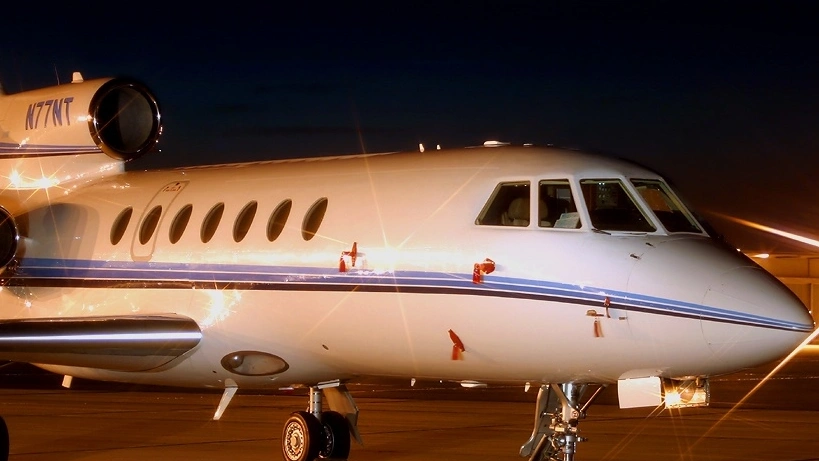
Aircraft involved: Dassault Falcon 50
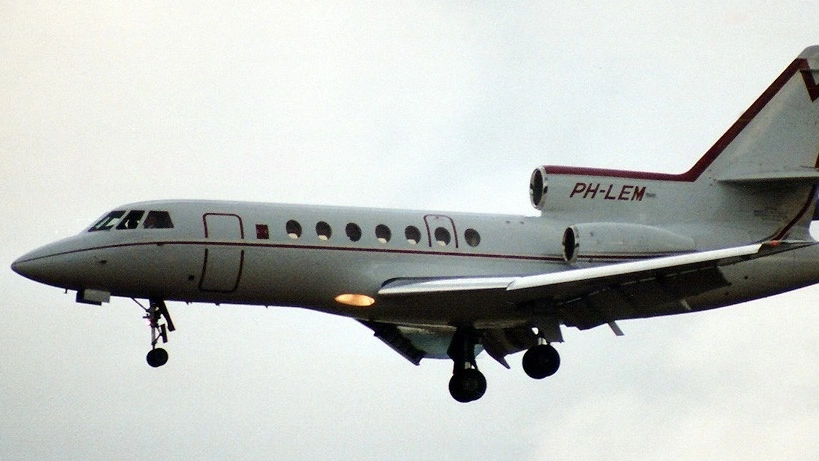
The Dassault Falcon 50 is a long-range corporate/business jet first introduced in the late 1970s, powered by three engines and known for transcontinental range. The aircraft, registered as 9H-DFS in Malta, was a leased business jet. Investigators are examining its ownership, operational and maintenance history as part of the accident investigation.
The following is the Flight Timeline (UTC), as reported by Flight Radar 24:
| Time | Event |
|---|---|
| 17:17:24 | Aircraft departed Ankara |
| 17:32:00 | Reached cruising altitude of 32,475 ft |
| 17:33:25 | Brief high negative vertical speed recorded |
| 17:33:33 | Aircraft began squawking 7700 |
| 17:41:17 | Last ADS-B signal received |
| ~17:47 | Approximate time of crash (estimated) |
Minor discrepancies of a few minutes exist between Turkish officials’ local-time account and FlightRadar24’s UTC-based tracking data, likely reflecting differences between radar and ADS-B reporting methods rather than conflicting versions of events.
Lieutenant General Mohammed Ali Ahmed al-Haddad served as Libya’s chief of general staff and was a central figure in attempts to unify Libya’s fragmented military institutions under the internationally recognised Government of National Unity (GNU). His delegation had been in Ankara to discuss military cooperation and strategic coordination with Turkish defence officials.
The words of Al Jazeera’s Malik Traina, who said that al-Haddad was trying to built military institutions in western Libya, was quoted in News24:
“You have powerful armed groups, militias controlling different parts of land. They hold a huge influence on the government. He refused to let these militias hold sway on the government,” Traina added, and was seen as “someone that people could rally behind and support to try to bring some kind of unity to Libya.”
His death represents a significant loss for Libya’s Government of National Unity and its efforts to strengthen military cohesion.
All in All
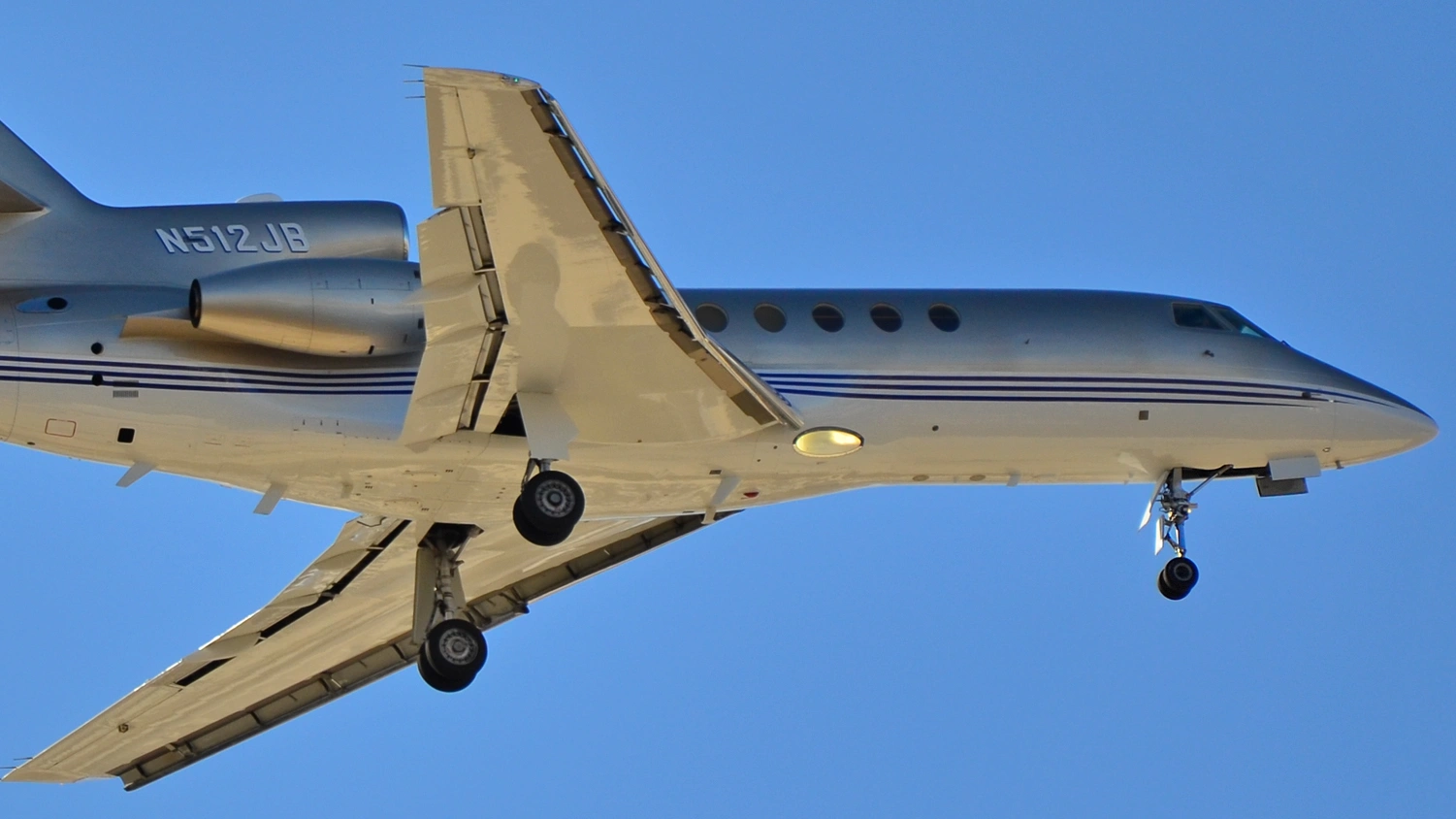
The crash of the Falcon 50 near Ankara has raised significant questions about the aircraft’s final moments, particularly after the crew reported an electrical problem shortly after departure. However, the emergency declaration alone does not establish the cause of the accident, and investigators will need to examine the flight recorders, maintenance history, wreckage and other evidence before reaching a final conclusion.
The loss of al-Haddad and several senior Libyan military officials also gives the accident significance beyond aviation, particularly because the delegation had been in Ankara for talks with Turkish officials. Until investigators analyse the recorders, wreckage and maintenance history, the reported electrical malfunction should be treated as a key part of the accident sequence rather than a confirmed cause of the crash.


.jpg)