Boeing is set to ramp up production and deliver more Boeing 737 and Boeing 787 jets in 2026, its Chief Financial Officer Jay Malave announced at a UBS investor conference, triggering a steep rise in the company’s share price on market optimism, reported CNBC.
The U.S.-based planemaker confirmed the anticipated uptick comes as it stabilizes deliveries, works toward certification of the delayed 737-10 model, and aims to restore healthy free cash flow. The news comes almost a month or so after US and China struck a deal for 500 Boeing aircraft, sending a wave of optimism for the US’ greatest planemaker.
Boeing’s Delivery and Cash Flow Outlook
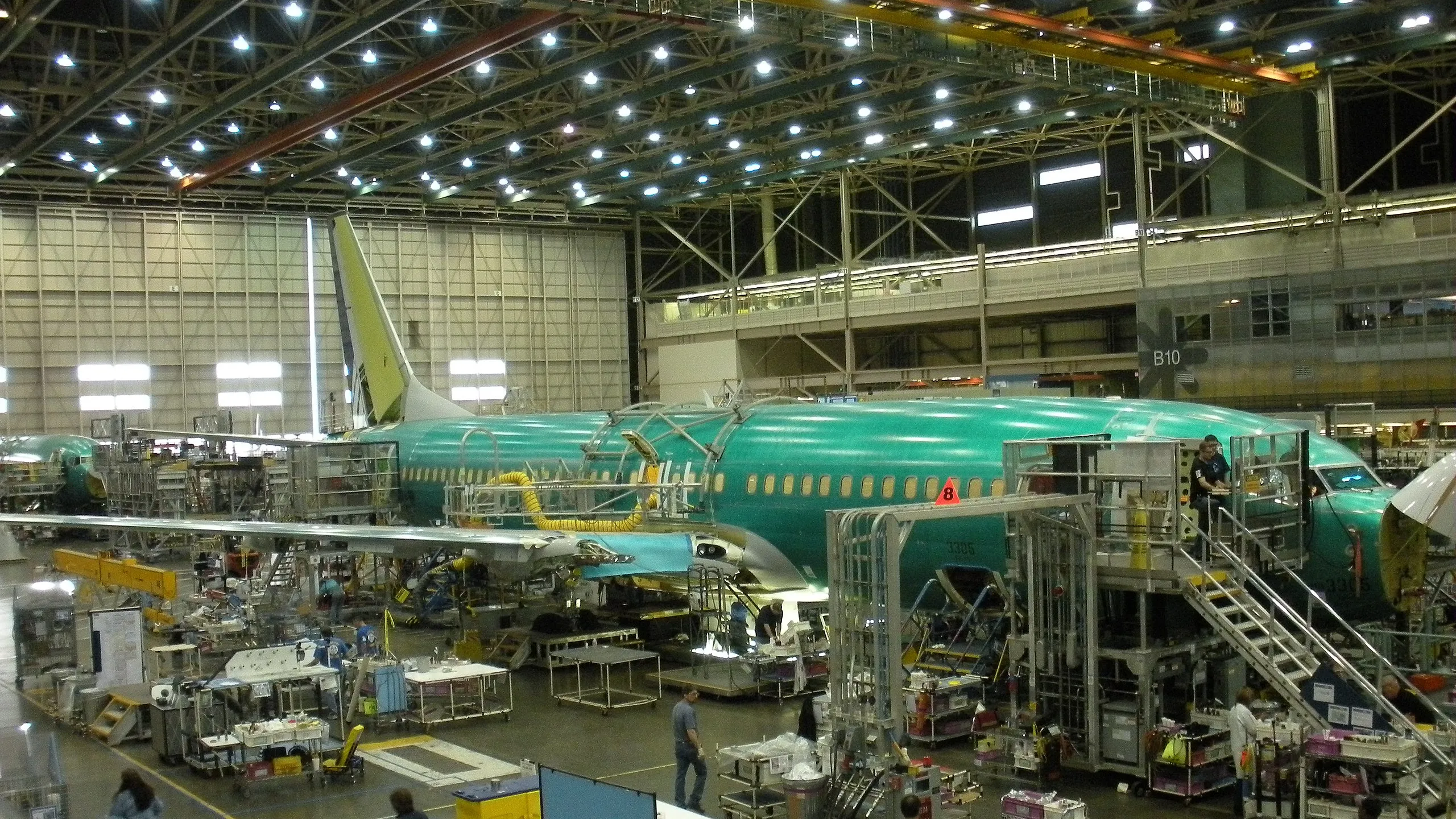
Boeing, which expects the 737 MAX10 to be certified by the end of next year, said it projects the increased deliveries to stem from current production rather than stockpiled inventory. According to Benzinga, the company projects free cash flow in “low single-digits” next year.
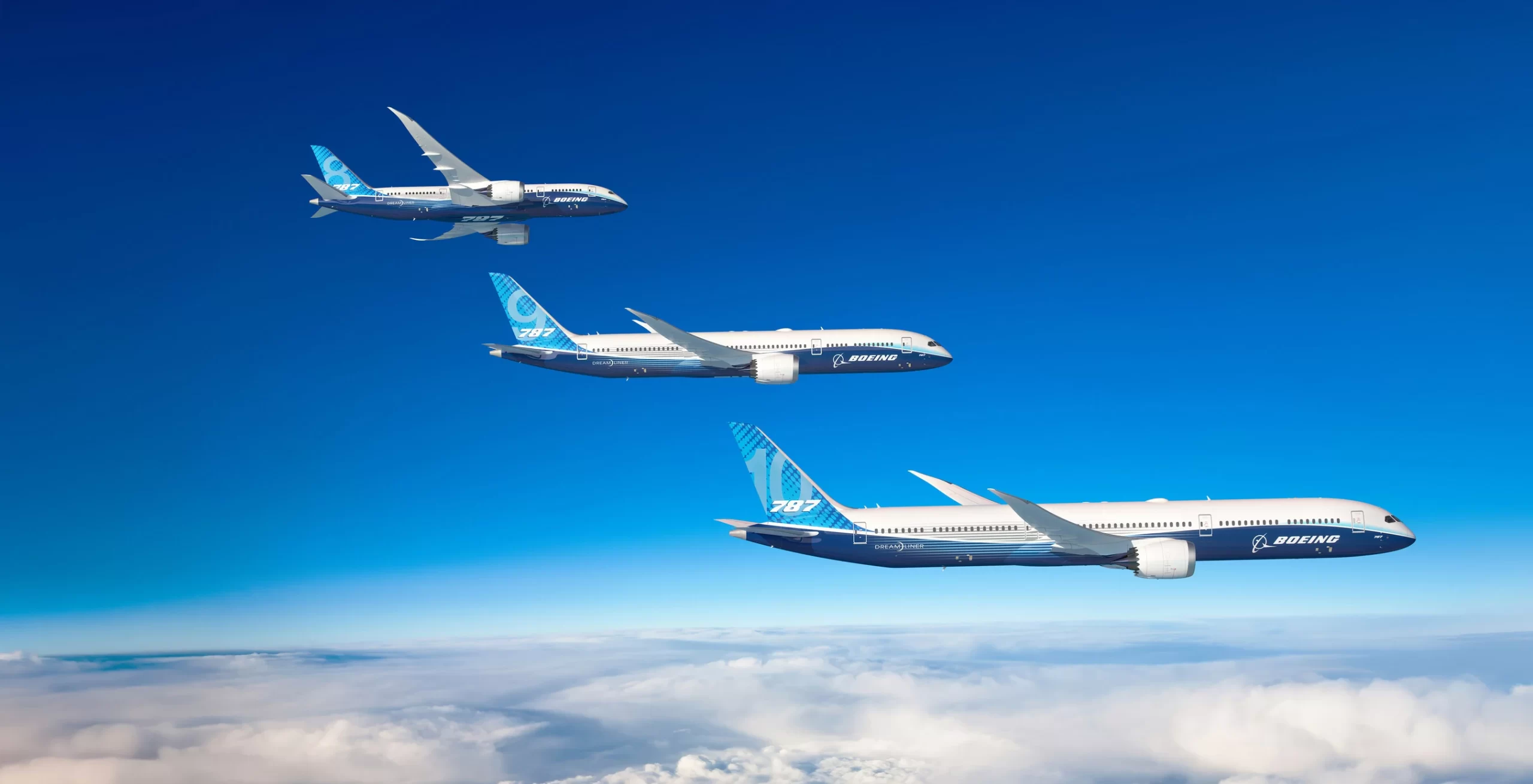
Boeing’s CFO said the company will increase deliveries of both its 737 and 787 jets during 2026 compared with 2025.

In September this year, the Federal Aviation Administration (FAA) allowed Boeing to issue airworthiness certificates for some Boeing 787 Dreamliners and Boeing 737 MAX airplanes after years of retaining it, following these cases:
- second fatal Boeing 737 MAX crash in Ethiopia in 2019 (the family of Shikha Garg, an environmentalist that on this fatal flight, recently received compensation for this case)
- Boeing 787 airplanes following production quality issues
- According to Reuters, FAA had also “imposed a production cap of 38 737 MAX planes per month in early 2024 after a mid-air cabin blowout incident involving a new Alaska Airlines MAX airplane missing four bolts“.
Although Boeing was allowed to issue airworthiness certificates for the aircraft mentioned above, the decision did not necessarily mean that production numbers would increase. The FAA said it was restoring the authority only after determining that Boeing could safely perform the certification work under continued regulatory oversight.
The agency said the decision followed a detailed review of Boeing’s production quality and would allow FAA inspectors to concentrate additional surveillance on the manufacturing process. The FAA also emphasized that it would continue maintaining direct and rigorous oversight of Boeing’s production operations.
Following the announcement, Boeing shares rose nearly 5%.
Boeing’s Recent delivery momentum
Boeing delivered 53 aircraft in October 2025, taking its year-to-date deliveries to 493 jets, the company’s strongest delivery pace since 2018. The planemaker also secured 15 new orders during the month, according to The Economic Times.
The October deliveries included 39 Boeing 737 MAX aircraft, with nine going to Southwest Airlines and five to Ryanair. Boeing also delivered one 737 NG for conversion into a P-8 maritime patrol aircraft for the U.S. Navy.
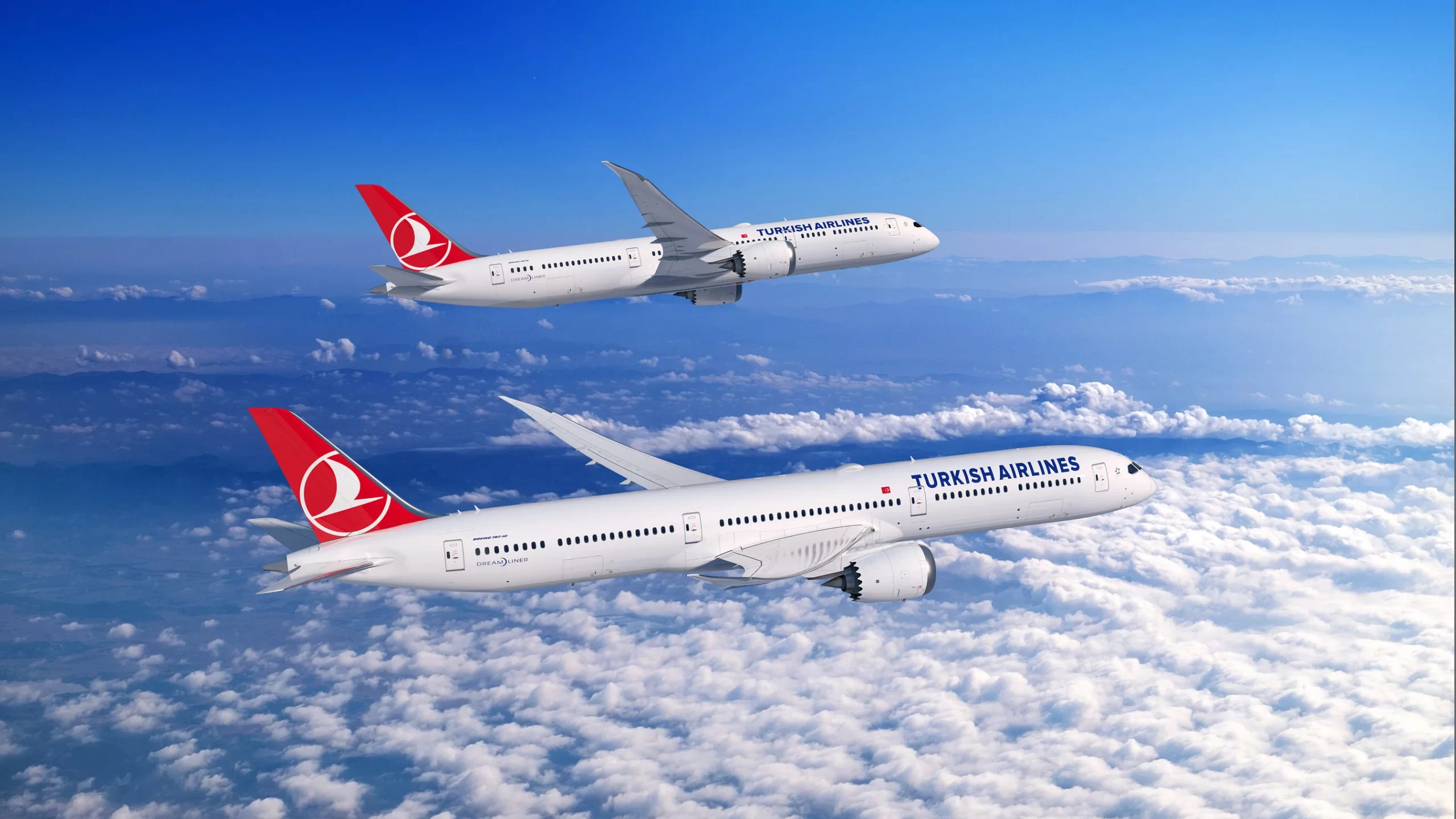
The widebody deliveries consisted of seven 787 Dreamliners, two 777 freighters and four 767s.
Boeing’s 787 program has also recorded strong order activity. The company received 369 787 orders in 2007, its highest annual total, while 2025 represented its second-strongest year for 787 orders. Boeing is expanding its 787 production facilities in South Carolina, where the aircraft is assembled, as demand continues to grow.
Two Central Asian airlines also announced plans to order additional 787s in the week before the report. After adjusting for cancellations and conversions, Boeing had accumulated 782 net orders during the first 10 months of 2025, while its total order backlog stood at 5,911 aircraft.

Market reaction to Boeing’s CFO saying that company expects higher 737, 787 deliveries next year
Markets responded positively to Boeing’s updated guidance. Shares surged nearly 10% following Malave’s remarks, reflecting restored investor faith in the company’s turnaround trajectory.
Chief Financial Officer Jay Malave’s words spoken at a UBS conference on Tuesday were quoted in CNBC as “When you now fast forward to 2026, we’re going to be increasing our deliveries”:
“The bolstered deliveries will be “a big driver” of cash flow as well, Malave said, with positive free cash flow expected to be in the billions in the “low single digits.” Boeing hasn’t turned an annual profit since 2018. Malave also said the company expects that cash margins will get a “pretty significant boost” through 2030 due to the higher productivity.”
In October this year, the aerospace giant recorded third quarter revenue of $23.3 billion.

All in All
Boeing expects to deliver as many as 450 Boeing 737s this year. Despite the hopeful outlook, Boeing faces notable headwinds. The anticipated certification of the 737-10 remains a linchpin — any further delays could derail delivery plans and erode confidence.
Additionally, Boeing expects a cash outflow of about $2 billion in 2025 before the turn to positive cash flow in 2026. The company also faces significant debt obligations (totaling nearly $8billion) next year and must integrate Spirit AeroSystems efficiently to avoid supply-chain disruptions.
According to Bloomberg, investors remain concerned about Boeing’s financial outlook following the $4.9 billion charge linked to the latest delay to the 777X program in October. The setback has led analysts to significantly reduce their expectations for the company’s future cash generation.
Analysts now expect Boeing to generate about $2.46 billion in free cash flow in 2026, according to Bloomberg estimates. Their forecasts have fallen by more than half since mid-July as the slower-than-expected 777X certification process pushed the aircraft more than seven years behind its original schedule.
Boeing CFO Brian West also indicated that the delay could put around $2 billion of pressure on the company’s cash generation next year. The financial impact of the 777X setback therefore remains a major concern for investors as Boeing works to strengthen its overall financial position.
However, Boeing’s more optimistic outlook for 2026 provided some reassurance to the market. The company’s shares subsequently rose by about 10%, suggesting that investors were encouraged by the broader recovery prospects despite the continuing challenges surrounding the 777X.
.jpg)

_(cropped).jpg)