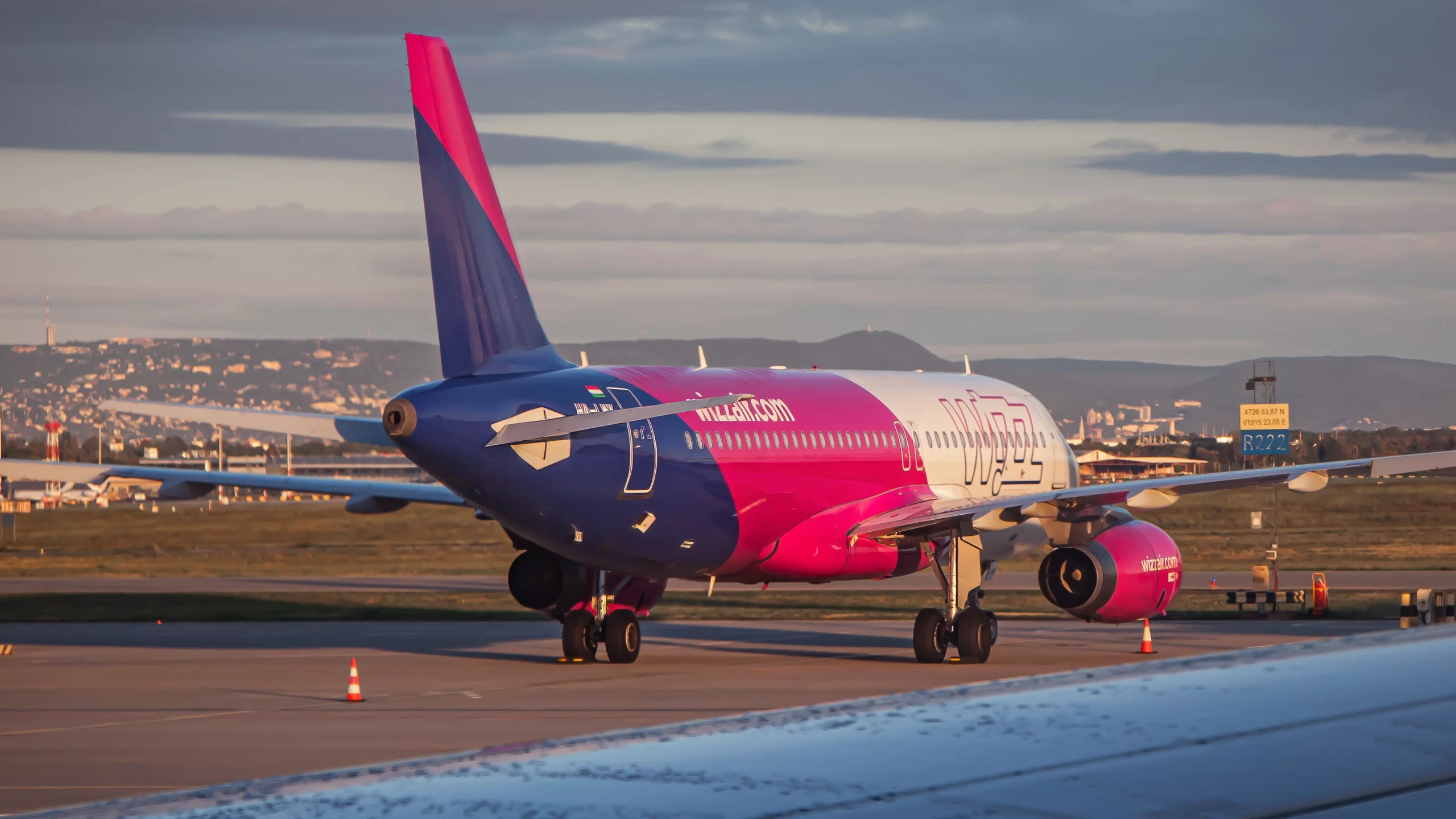
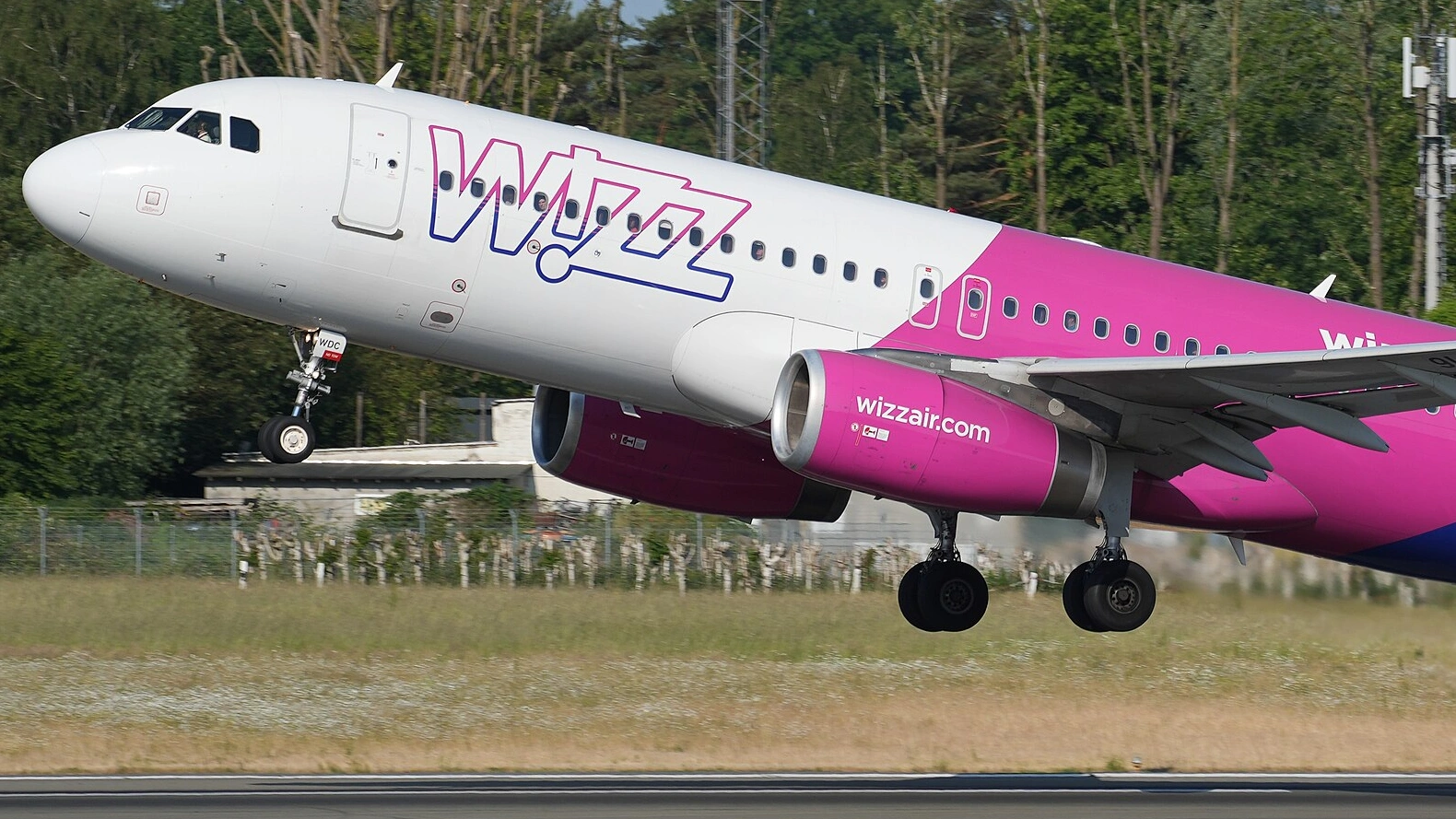
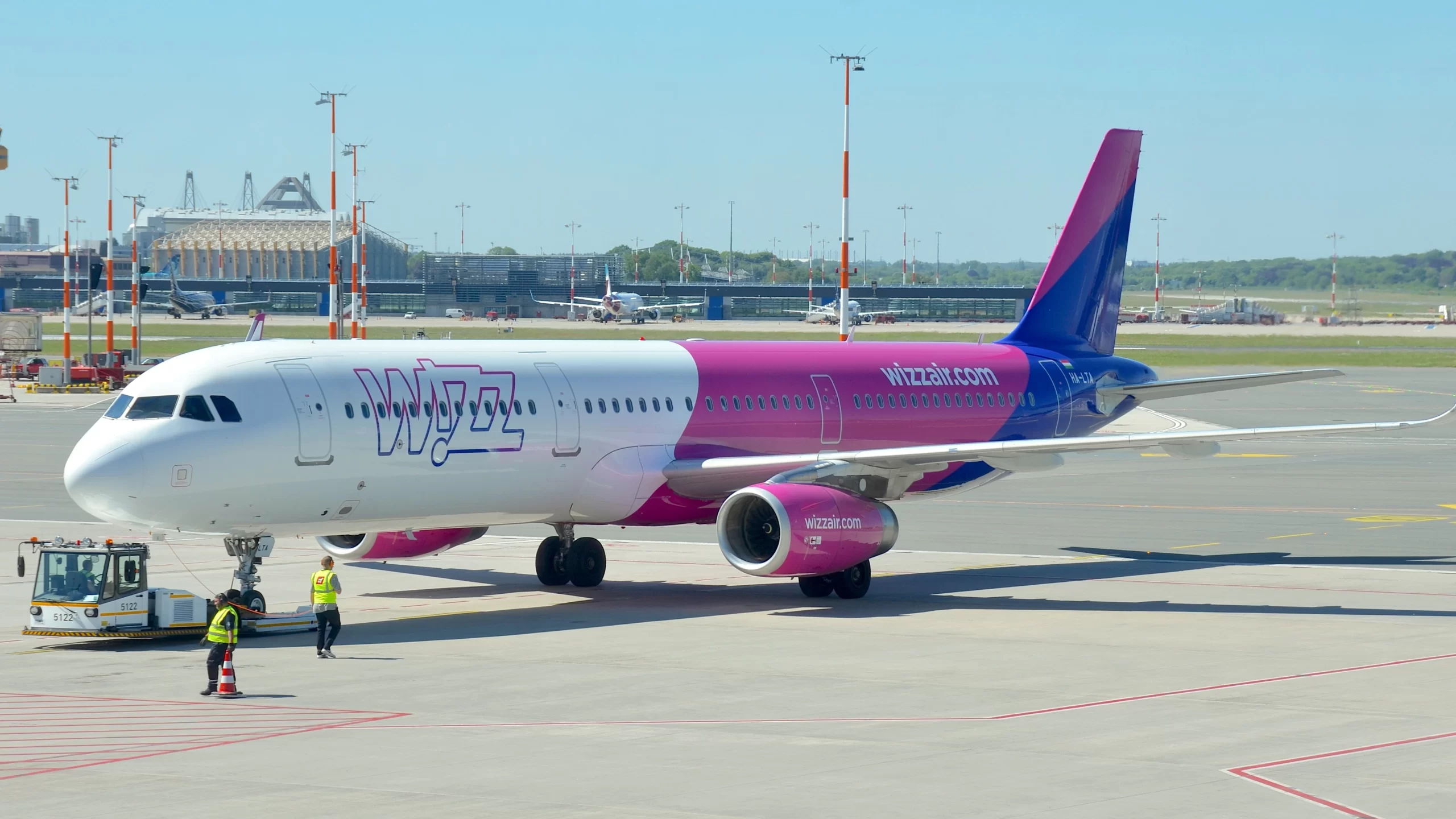
Hungary’s most popular budget carrier, Wizz Air (W6), has declared that it intends to establish an operational base in Israel — potentially as early as March or April 2026, according to the Times of Israel. The plan surfaced after meetings between Wizz Air leadership and Israeli government officials at Ben Gurion International Airport (TLV), Tel Aviv, underlining a joint commitment to deepen Wizz Air’s presence in the Israeli market.

According to Wizz Air CEO József Váradi, the carrier is fully onboard with the idea of a Wizz base in Israel (specifically at the Ben Gurion airport – an aerodrome where foreign carriers became mobile only recently) and that the carrier wants to be perceived “as a good corporate citizen embedded in Israeli society”. If the carrier’s plans do get through, it will nearly double the airline’s current route offering from Israel and add millions of additional seats over the coming years.
Why Israel Hub Matters for Israel and Wizz Air
If the carrier establishes a base in Israel, it will significantly increase seat capacity, expand its network, and pressure down high airfares. But it is not simply Wizz Air that will profit from this, the consequence for Israeli aviation is far greater.
For example, Ryanair, the largest budget carrier in the world, abandoned flights to/from Israel “ only because it was unsafe to operate there”. A major piece of contention was the fact that the Irish budget carrier was being labelled a higher rate for use of Tel Aviv Airport’s main terminal when the cheaper terminal was closed for security reasons. The airline’s position was quoted in The National in the following way:
“The low-cost carrier is being “messed around” by Israeli airport authorities, Mr O’Leary told reporters in Dublin after Ryanair’s annual general meeting….“I think there is a real possibility that we won’t bother going back to Israel … when the current violence” recedes, Mr O’Leary said.. ““Unless the Israelis kind of get their act together and stop messing us around, frankly, we have far more growth elsewhere in Europe,”.
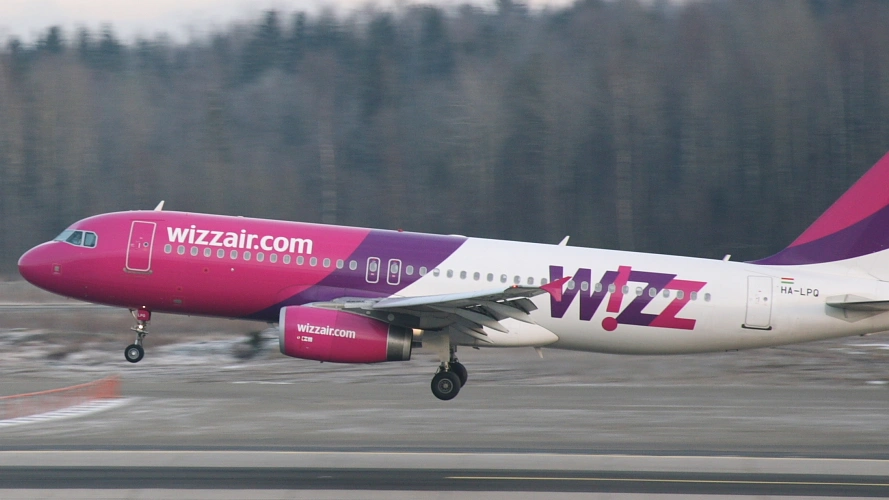
The establishment of Wizz Air’s hub in Israel would allow Wizz Air to base both aircraft and crew domestically, rather than dispatching flights from foreign bases. This structure enables the airline to schedule flights more flexibly, especially at coveted early morning and late evening slots at TLV.
From an airline economics perspective, having a committed base:
- reduces repositioning costs
- allows better utilization of aircraft (overnight parking, maintenance routines)
- enables denser scheduling and network expansion.
Globes reported of other economic advantages in the following way:
“It will also be able to continue to be a foreign company, so that it will not be subject to the strict regulation of Israeli companies, such as stricter security arrangements and coordination with El Al, which is not only a competing company, but also the provider of security services for Israeli airlines.”
The company believes that these efficiencies will translate into lower unit costs and, consequently, lower fares for passengers.
For Israeli consumers, the plan could mean more choices, greater seat availability, and downward pressure on what have been widely criticized as “sky-high” fares in recent years, particularly on routes to Europe.
EU Cracks Down on Airline Greenwashing: Lufthansa, KLM and other Major Carriers Respond
What Wizz Air and Stakeholders say About the Move: Support and Opposition to Wizz’s Expansion
József Váradi was quoted in The Times of Israel that after a meeting with the government that while “some of the challenges [are] technical, business or regulatory type of issues,” there is “a real commitment at both sides to try to make things work”.
When Varadi talks about the “business” type of issues, he might be hinting about the fact that the carriers in Israel might be opposed to it – after all, it means that the carriers from Israel would be losing their business.
El Al, the Israeli flag carrier which recently introduced new dress for its crew, had even put out a letter to Israeli authorities, stating that Wizz Air’s extended operations will hurt airlines in Israel. The letter that was quoted in Aerospace Global News reads:
“The plan entails a risk of substantial harm to Israeli airlines in particular and to the State of Israel in general…….. It could lead to negative consequences for national resilience and the safety of the Israeli public on flights from and to Israel.”
El Al opined that Wizz’s introduction “adds to other measures that hurt Israeli aviation and creates competitive inequality”.
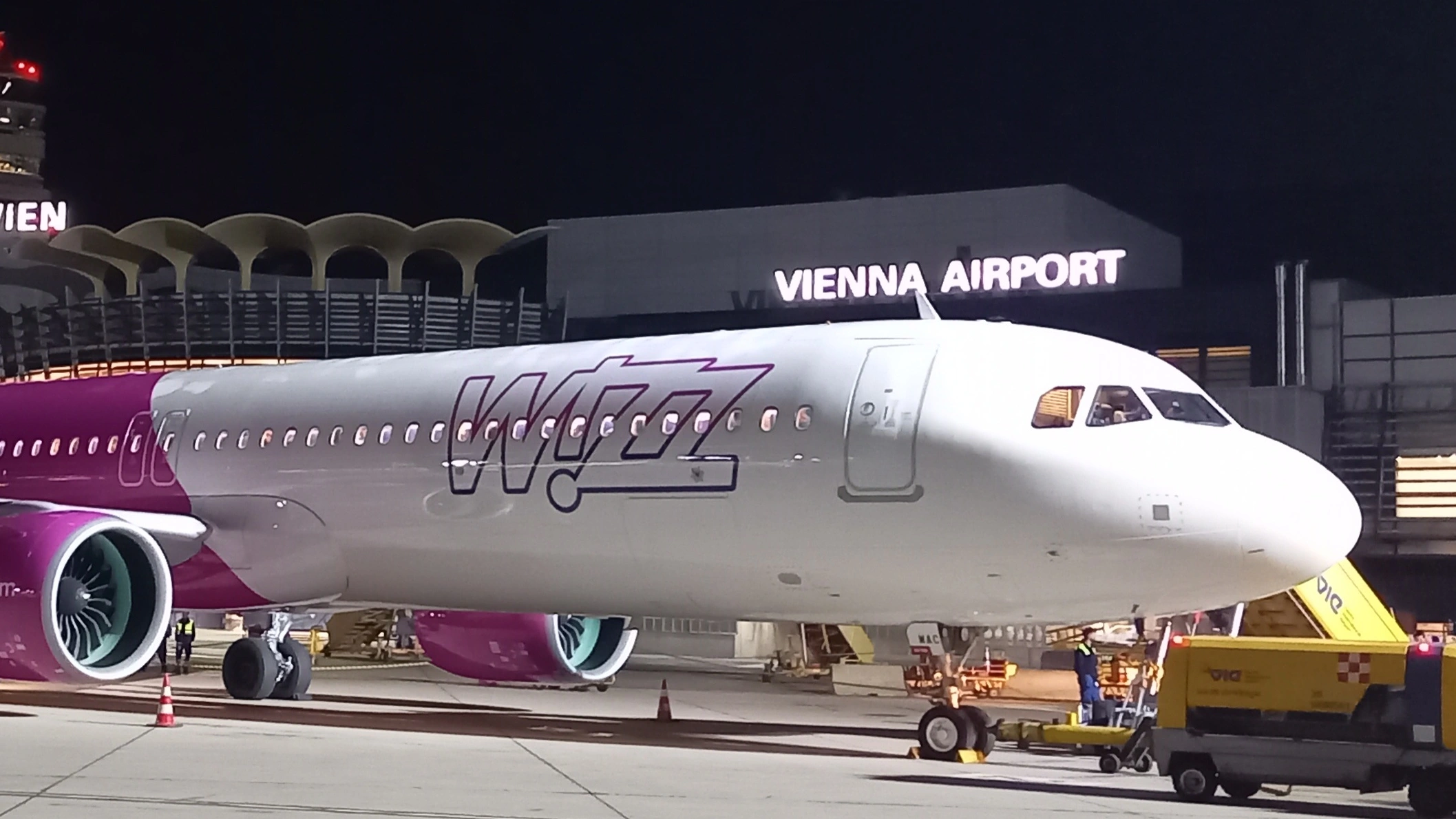
However, the words of an Israeli Transport Ministry spokeswoman about the matter were at loggerheads with El Al’s claim. The spokesperson said that Wizz’s introduction will:
- Expand the range of destinations
- Increase competition in the aviation industry
- Reduce prices and improve service to Israeli citizens
The spokesperson’s words were quoted in JNS.org in the following manner:
“This is significant news for the country’s citizens, which will also increase incoming tourism and contribute to the Israeli economy. International experience shows that wherever ultra-low-cost companies have expanded their operations, there has been a dramatic positive impact on prices, the volume of flights and the local economy, and this is precisely our goal in Israel as well..”
Despite the apparent odds at which Israeli airlines might be with Wizz’s expansion, we have to note that Israel’s Transportation Minister Miri Regev welcomes the Hungarian carrier into its nation’s skies. After all, EL Al has been accused of “price gouging” and “profiteering”.
The flag carrier of Israel made record profits during the time that foreign carriers did not see regular scheduled passenger services at the height of the Israel-Palestine conflict. Regev’s following words conform this:
“I appreciate that Israeli airlines continued to operate and fly in emergency war periods but it is not a secret that they took advantage of the supply shortage [as foreign airlines stopped operations] to extort prices in most difficult times, and this is an unacceptable reality….We are now working on all fronts to lower the cost of living for consumers.”
Bottom Line
If Wizz’s move of establishing a base in Israel is successful, this move could reshape Israeli aviation. There would no doubt be increasing connectivity, pressuring incumbent carriers, and giving travelers a more economical flight.
But the success of the plan hinges not only on regulatory approval but also on slot availability. The Ryanair’s story is something to remind ourselves of, and also the following words of the carrier that refused to operate out of Tel Aviv:
“Despite protecting these historic slots during Covid and previous security disruptions in Israel, Tel Aviv Airport have refused in written correspondence to confirm Ryanair’s S26 slots, or to confirm that it will in future keep the low-cost T1 open (a facility that it has repeatedly closed) which would avoid forcing low-fare airlines, like Ryanair, into the high-cost T3 facility, while demanding that Ryanair pay the higher costs of T3.”
Wizz, as well as Israel, will also have to plan crew and maintenance infrastructure, and whilst also keeping a close eye out on integrating Wizz to Israeli aviation ecosystem while meeting security and labor standards.




_9H-WDC_(DSC01357).jpg)
