India is set to build its first offshore airport at Vadhavan, off the western coast of Maharashtra, in a transformative expansion of national aviation infrastructure. The proposed facility will cost approximately ₹45,000 crore and is being developed on reclaimed land in the Arabian Sea near the future Vadhavan Port, with an anticipated capacity to handle 90 million passengers annually once fully operational, reported Economic Times Infra.
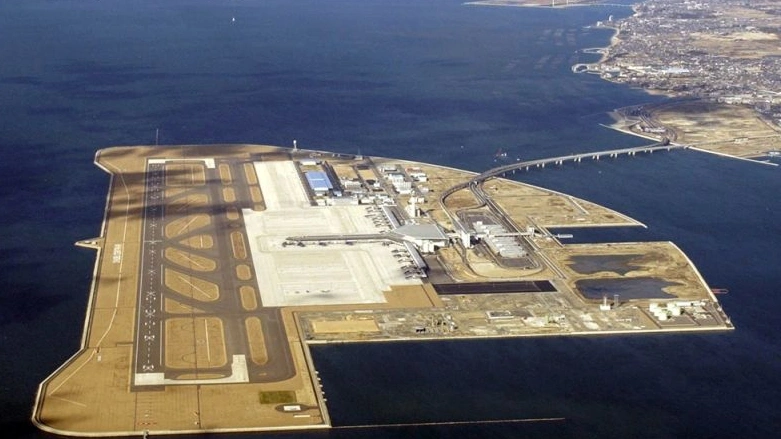
The project, enabled by a near-complete pre-feasibility report commissioned by the Maharashtra Airport Development Company (MADC), is intended to ease mounting pressure on existing airports in the Mumbai Metropolitan Region and position India as a global air and logistics hub. Construction on this offshore airport could begin as early as 2026 under national and state government oversight, involving significant land reclamation, runway construction, and multi-modal connectivity planning.
Vadhavan Airport overview
The table below summarizes the core design and planned capabilities of the Vadhavan offshore airport:
| Feature | Details |
|---|---|
| Project name | Vadhavan Offshore Airport |
| Location | Palghar district, Maharashtra, India |
| Construction type | Reclaimed marine land in Arabian Sea |
| Estimated cost | ₹45,000 crore |
| Passenger capacity | 90 million annually |
| Cargo capacity | Up to 3 million tonnes annually |
| Runways | Two parallel runways |
| Connectivity | Road, rail, metro, sea link |
| Strategic link | Integrated with Vadhavan Port |
Strategic Importance of Vadhavan
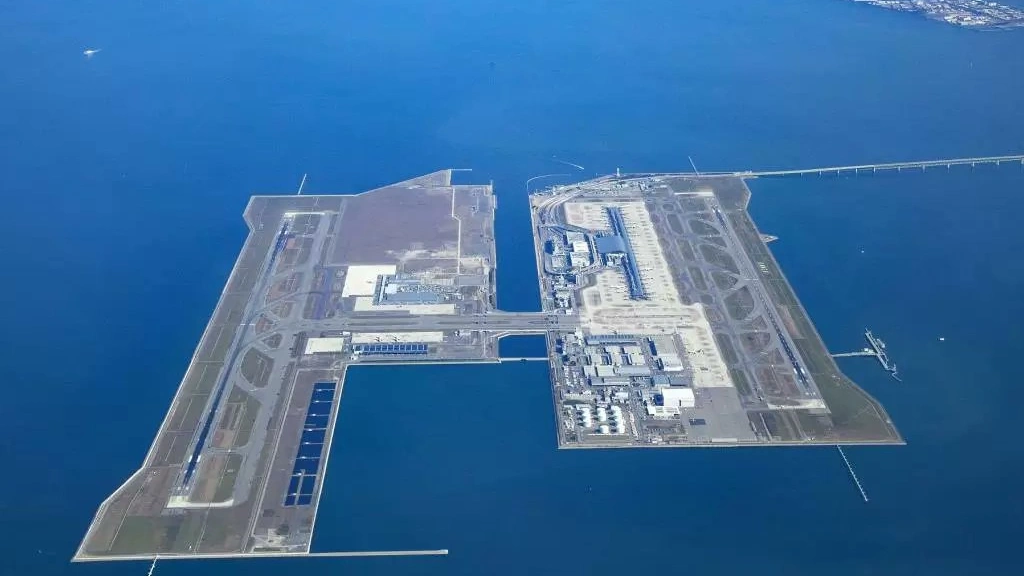
The Vadhavan Airport’s location on the Arabian Sea not only creates a unique aviation landmark but also builds strategic depth for national logistics networks.
Officials familiar with the project note that the airport will leverage proximity to the upcoming Vadhavan deep-draft port, enhancing multi-modal cargo movement that connects air, sea, road, and rail networks. The connectivity blueprint includes links to the Vadodara–Mumbai Expressway, potential metro rail integration with the Western Railway network, and connection to the Mumbai–Ahmedabad high-speed rail corridor.
Land reclamation alone is expected to consume more than half of the project’s capital outlay, estimated at around ₹25,000 crore.
In a report published in Hindustan Times, Chief minister Devendra Fadnavis emphasized that the proposed project, which has been approved by Prime Minister Narendra Modi, is set to “create an ecosystem of a third Mumbai in Palghar and Vasai-Virar, with a port, airport and bullet train”:
“At a recent review meeting on airports, Fadnavis also discussed the idea of developing a new satellite city at Vadhavan. He said that Vadhavan is going to be one of the top 10 ports in the world, with a lot of commercial traffic passing from there via the proposed Mumbai-Ahmedabad bullet train, coastal highway, and the Mumbai-Vadodara expressway.”
Economic and Regional Impact of Vadhavan Airport:
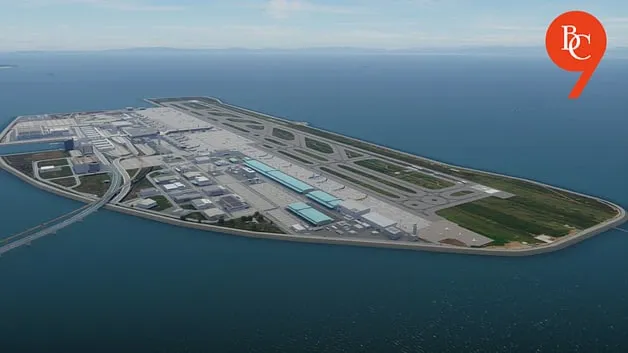
The Vadhavan offshore airport is expected to have far-reaching economic and regional implications, as it could relieve congestion at Mumbai’s existing airports, especially in a region where air traffic has grown rapidly, while its cargo facilities complement the deep-draft maritime port nearby.
The government is developing Vadhavan, Maharashtra’s coastal region, into an international logistics and trade hub as a dual aviation and maritime hub to strengthen India’s global trade connectivity. The integrated project is designed to link air, sea, rail, and road networks with major industrial regions across the country. Some of the economic and regional impact Vadhavan Airport will have include:
-
Vadhavan Port will function as a deep-draft maritime facility positioned along the India–Middle East–Europe Economic Corridor (IMEC).
-
Authorities project that the port alone will add 23.2 million TEUs to India’s overall container handling capacity.
-
The port’s scale and location are expected to elevate India’s competitiveness among leading global shipping hubs.
-
To support surface connectivity, the Vadhavan airport will be linked to the planned Uttan–Virar Sea Link.
-
This eight-lane, high-speed North–South corridor will connect the Mumbai Metropolitan Region to the Delhi–Mumbai Expressway.
-
The development will also integrate directly with the Delhi–Mumbai Industrial Corridor and the Western Dedicated Freight Corridor.
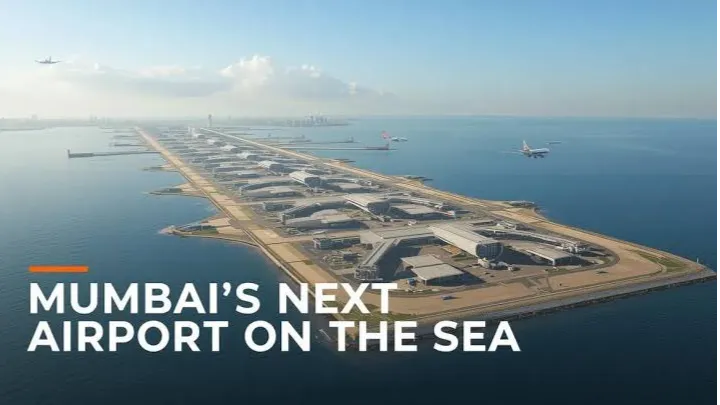
Vadhavan Airport: A History of Its Operations
Expected to boost regional trade and reduce logistics costs for the MMR, the Vadhavan Airport is projected to create 10–12 lakh direct and indirect jobs during Phases 1–2, with the aim of decongesting Mumbai’s overburdened ports while enhancing India’s position among global maritime hubs.
Here is a snippet of its chronology:
-
Mid-2025: Pre-feasibility study initiated by Grant Thornton and Nippon Koei India under the Maharashtra Airport Development Company (MADC).
-
May 2026 (expected): Completion of the study, specifying location, runway count, and overall size.
-
2026 (tentative): Groundwork may begin post-DPR approval, subject to funding and clearances.
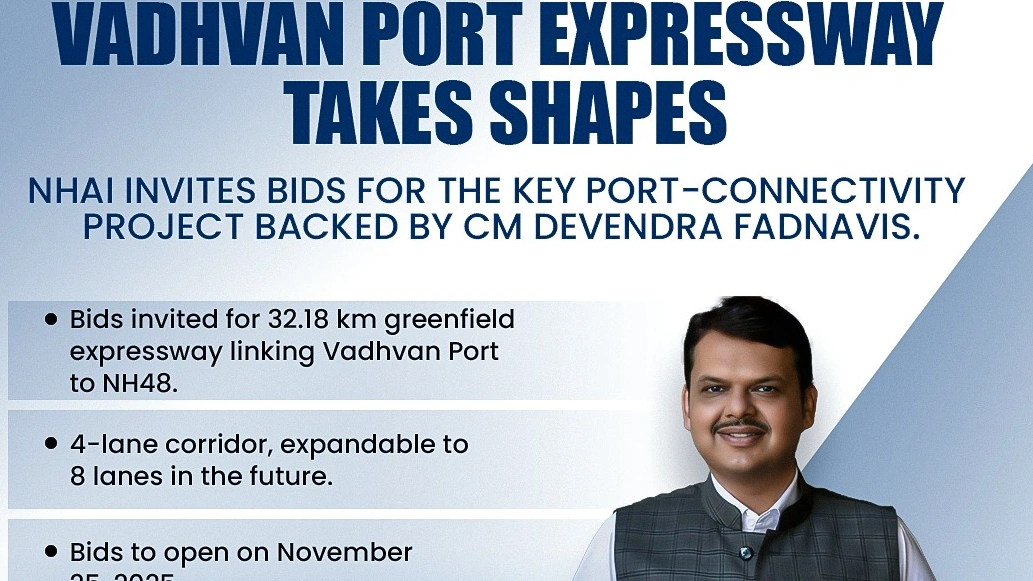
- Targeting a capacity of 298 million metric tons per annum
- Project Worth: Rs 76,220 crore
- Area: 17,471 hectares
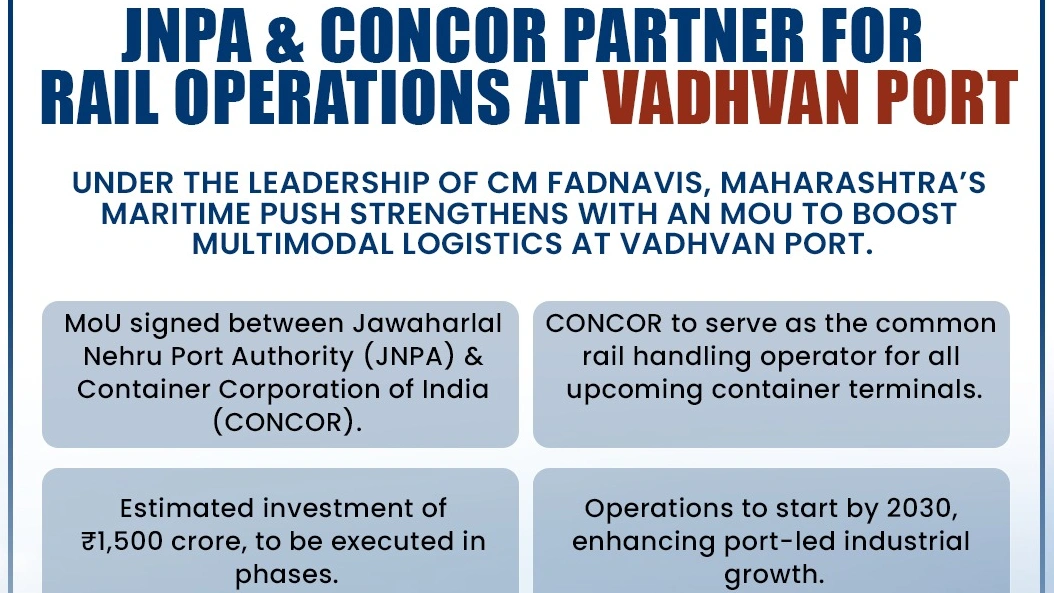
The same source also claimed that the Phase 1 construction started:
“:…with initial works like shore protection. Recent developments include approval of connectivity via rail/road, such as a 105-km freight corridor to the Samruddhi Expressway. The first phase is expected to finish by 2029-30, with Phase 2 targeting a 2035-2040 timeline. The Vadhavan Port will have nine 1,000-meter container terminals, four liquid cargo berths, four multipurpose berths (including coastal), a Coast Guard berth and one Ro-Ro berth, built on 1,448 hectares of reclaimed land.”
Offshore Airports such as Vadhavan
When thinking of offshore airports, Hong Kong International Airport (HKG), the aerodrome where the crash of a 32-year-old Boeing 747-481(BDSF), registered TC-ACF and operated as EK9788 comes to mind. HKG is built on reclaimed land formed by merging two small islands, Chek Lap Kok and Lam Chau, in the waters off Lantau Island. Because it is not located on the mainland urban core and sits on reclaimed land surrounded by water,
Kansai International Airport (KIX), Osaka, Japan, is offshore airport that is built entirely on an artificial island in Osaka Bay, about 5 km off the mainland coast. The island was completely man-made through land reclamation, designed specifically to host the airport. Being offshore reduces noise impact on nearby cities and allows 24-hour operations without disturbing residential areas.
The following comparisons highlight Vadhavan’s projected scale:
| Airport | Country | Opened | Core capacity | Key attribute |
|---|---|---|---|---|
| Kansai International Airport | Japan | 1994 | ~28 million passengers | Reclaimed island airport |
| Hong Kong International Airport | Hong Kong | 1998 | ~75 million passengers | Built on reclaimed land adjacent to port |
| Vadhavan Offshore Airport | India | Proposed | 90 million passengers | First offshore airport in India |
A Note of Caution Against Optimism: Opposition to Vadhavan
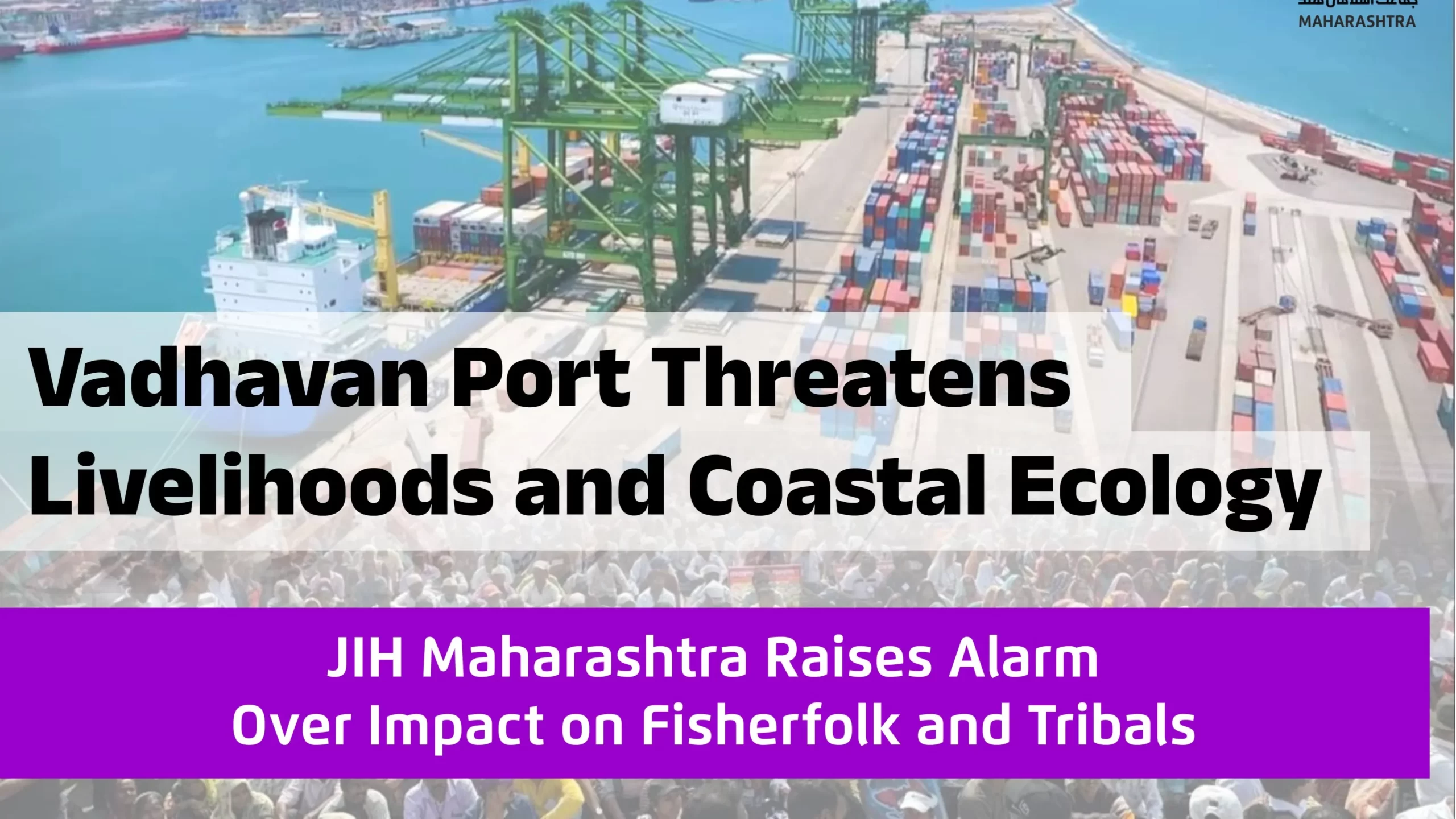
Though the Vadhavan offshore airport project signals an ambitious chapter in Indian aviation, Jamaat-e-Islami Hind, Maharashtra, expressed serious concern over the proposed Vadhavan Port as the organization took to X (formerly Twitter) to write that the project will “undermine the livelihood of fisherfolk, farmers and tribal communities, and weaken the fragile coastal ecology. Dahanu is an eco-sensitive zone protected by law“:
“Ignoring environmental clearances, public objections, and ongoing judicial scrutiny raises troubling questions about transparency and accountability. …growth must be lawful, participatory, and people-centred. We urge the Government of Maharashtra to pause this project, engage sincerely with affected communities, uphold court orders, and explore development paths that protect both livelihoods and the environment.”
Only last week, thousands of residents in Maharashtra’s Palghar district marched to the collector’s office [demonstration was organized by the Vadhavan Bandar Virodhi Sangharsh Samiti (VBVSS)] on Monday to protest the proposed Vadhavan port and other major infrastructure projects planned for the region. The protest followed a separate two-day mobilisation led by the CPI (M).
The words of the VBVSS secretary Vaibhav Vaze was quoted in Times of India as having warned against the construction of the port:
“This so-called development will destroy the natural coastline and the livelihoods of thousands of fishing families and it is unacceptable to us. Yesterday’s gathering is a warning to the govt—our struggle will continue until this destructive project is scrapped.”
Skeptics have noted that government should instead focus on resolving forest land issues and refrain from installing smart meters in villages, adding that the port and associated plans—including proposals for a “fourth Mumbai”—would harm farmers and fishing communities.

