
The United States Air Force (USAF) has transferred a retired Boeing KC-135 Stratotanker from long-term storage at Davis–Monthan Air Force Base (DMA), Tucson to Tinker Air Force Base (TIK), Oklahoma City, in a move that signals a potential return of the aircraft to operational service. The relocation, executed on April 2, 2026, involved two KC-135 aircraft departing the Arizona “Boneyard,” including one previously retired unit, highlighting a coordinated maintenance or regeneration effort, a report from Flight Global indicated. 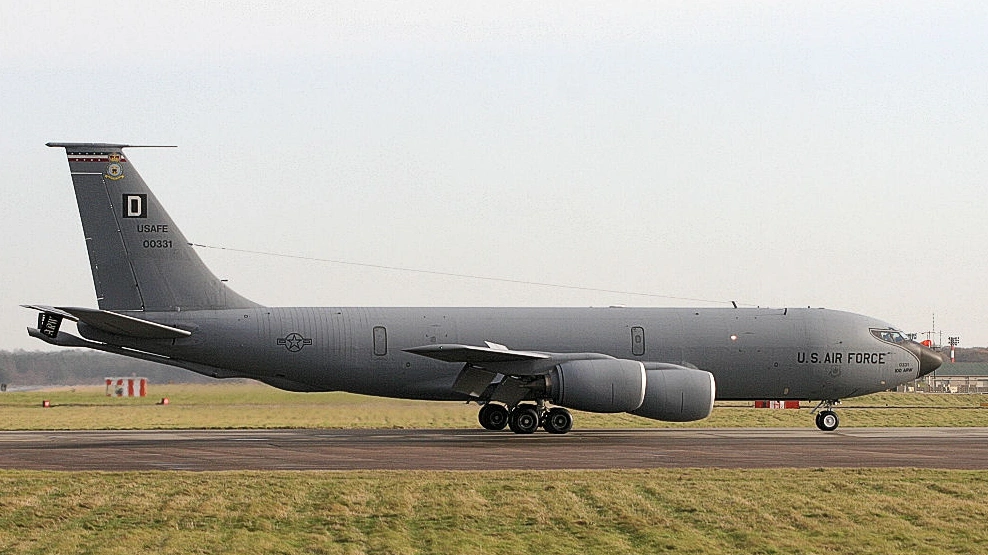
Photo: USAF
USAF infrastructure overview: Davis–Monthan AFB (DMA) and Tinker AFB (TIK)
| Attribute | Davis–Monthan Air Force Base (DMA) | Tinker Air Force Base (TIK) |
|---|---|---|
| Location | Tucson, Arizona, United States | Oklahoma City, Oklahoma, United States |
| Primary Role | Aircraft storage and regeneration (AMARG) | Depot-level maintenance and overhaul |
| Key Unit | 309th Aerospace Maintenance and Regeneration Group (AMARG) | Oklahoma City Air Logistics Complex |
| Function | Storage, preservation, reactivation of aircraft | Sustainment of KC-135 and other fleets |
| Strategic Value | Maintains thousands of aircraft for reuse | Core maintenance hub for USAF tanker fleet |

Davis–Monthan AFB hosts the 309th Aerospace Maintenance and Regeneration Group (AMARG), which manages one of the world’s largest aircraft storage facilities. According to the U.S. Air Force, AMARG maintains over 4,000 aircraft in varying preservation states, enabling rapid reactivation or parts recovery when required.
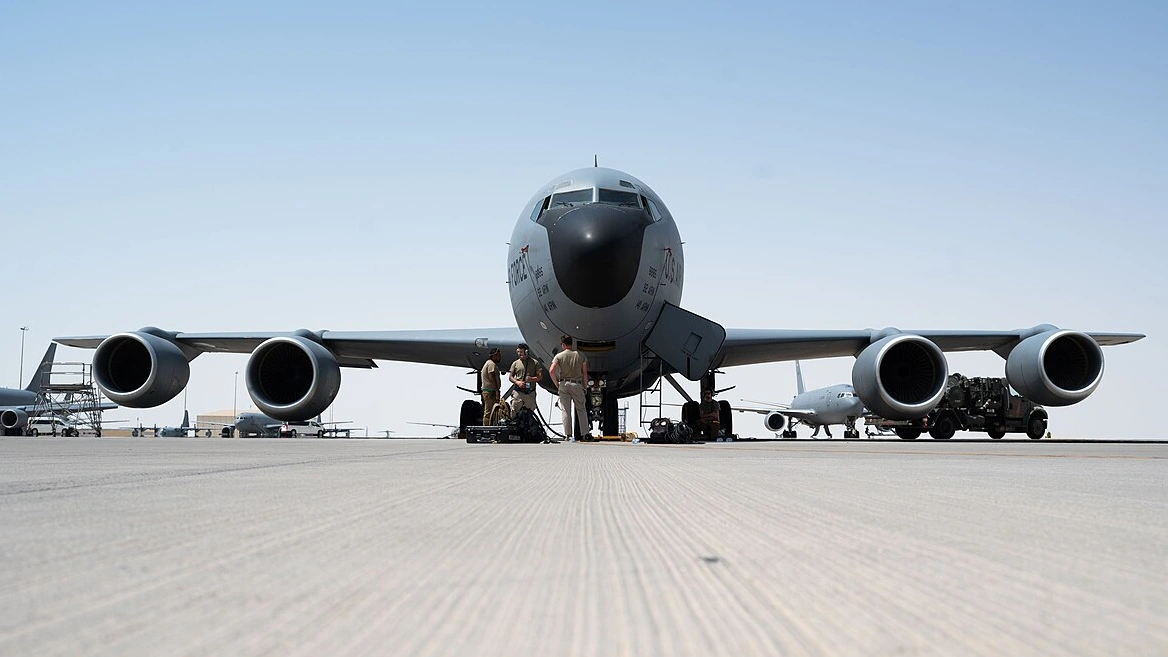
Tinker AFB, meanwhile, houses the Oklahoma City Air Logistics Complex, which conducts extensive maintenance, repair, and overhaul operations for the KC-135 fleet. The base plays a critical role in extending the service life of aging tanker aircraft.
Transfer Details and Aircraft Serials of the KC-135 Stratotanker
The aircraft involved in the April 2 transfer include KC-135 Stratotankers with serial numbers 58-0011 and 58-0018, both of which conducted a short ferry flight from DMA to Oklahoma City.
One of these aircraft had previously been retired and placed into storage under controlled preservation conditions. The second aircraft remained active, indicating that the mission likely required operational oversight or technical validation during transit. Key operational observations include:
- The retired aircraft was maintained in a condition enabling rapid reactivation
- The ferry flight distance allowed for minimal structural stress during repositioning
- The presence of an active KC-135 suggests coordinated operational planning

KC-135 fleet readiness and USAF aerial refueling strategy
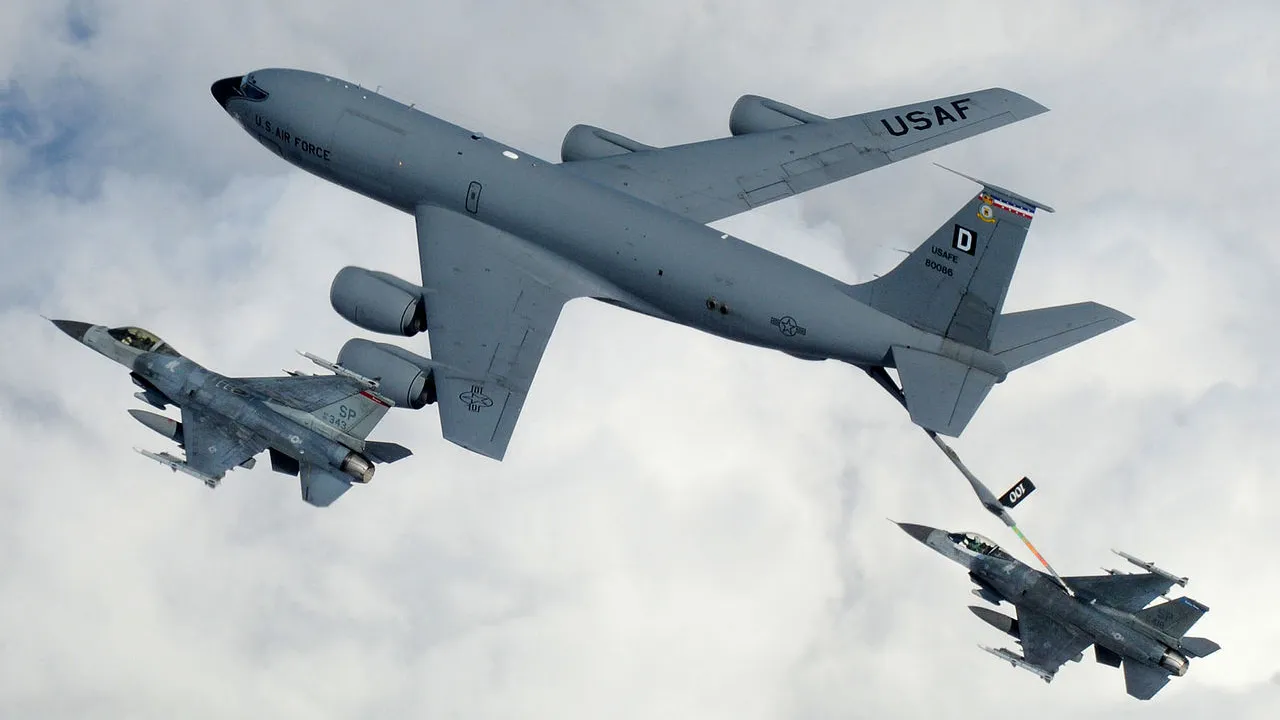
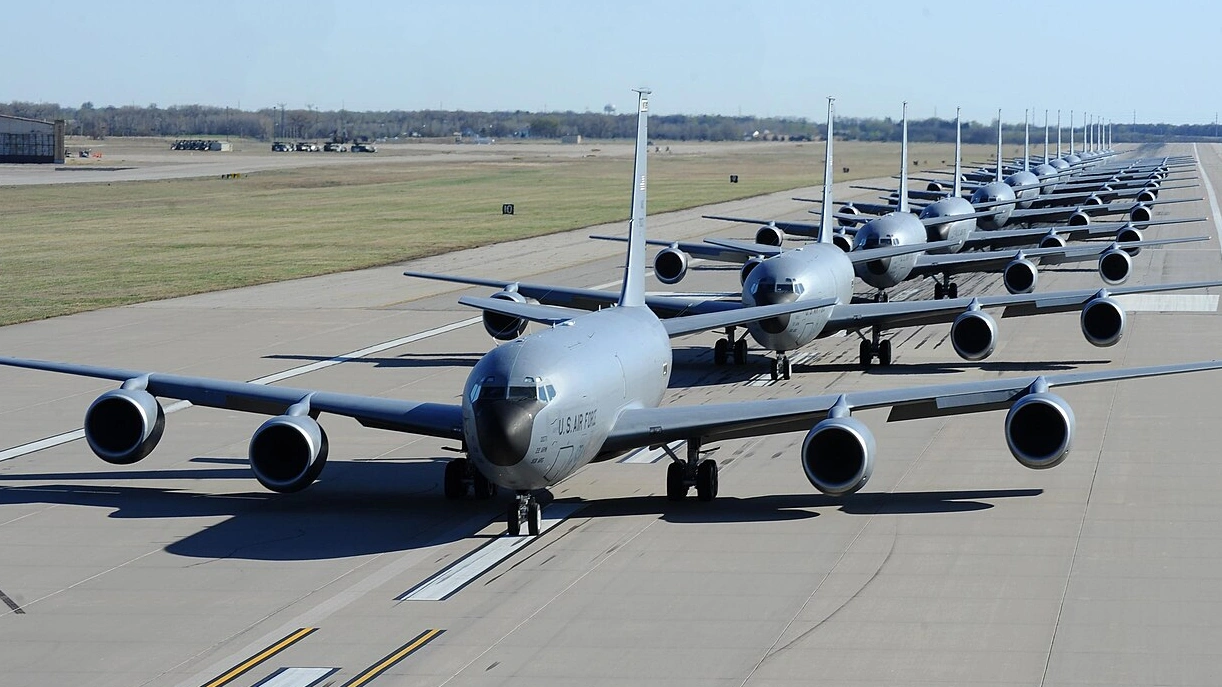
The KC-135 Stratotanker remains central to USAF aerial refueling operations, despite being introduced in the late 1950s. The aircraft enables long-range strike missions, rapid deployment, and sustained air operations across multiple theaters.
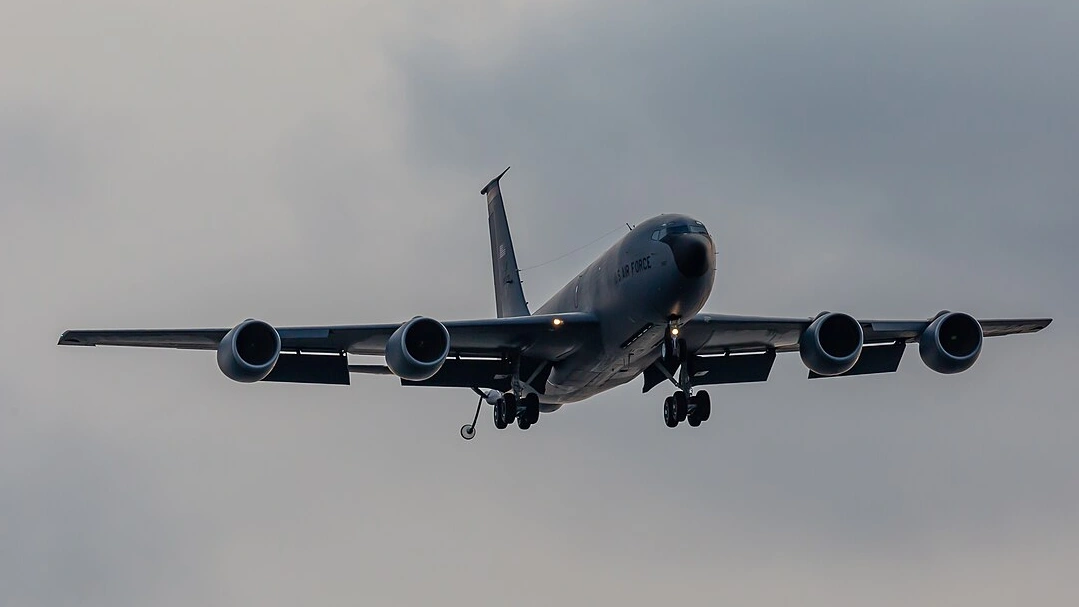
The current fleet operates alongside the newer KC-46 Pegasus, although the transition remains gradual due to production timelines and integration complexities.
Recent operational pressures include:
- Increased demand for tanker support in global deployments
- Attrition due to accidents and operational damage
- Maintenance burdens associated with aging airframes
Tankers such as these are important for the USAF in conflicts such as the ones seen in the Middle East, where the US has already lost an F-15 and A-10.

Previous USAF KC-135 retirements and reactivation patterns
| Event | Aircraft Type | Year | Activity | Outcome |
|---|---|---|---|---|
| Final KC-135E retirement at DMA | KC-135E | 2009 | Fleet retirement | Transitioned to AMARG storage |
| KC-135R retirement program | KC-135R | 2013 | Force reduction | Stored for potential reuse |
| AMARG regeneration cycles | KC-135 variants | Various | Storage and reactivation | Parts recovery and limited reactivation |

Strategic implications for USAF tanker modernization and fleet resilience
The repositioning of a retired KC-135 highlights structural realities within the USAF’s modernization trajectory.
While the KC-46 Pegasus is expected to progressively replace legacy tankers, delays and operational constraints have extended the service life of KC-135 aircraft. This dynamic necessitates continued investment in sustainment infrastructure such as TIK.
As modernization progresses incrementally, the strategic reactivation of stored aircraft is likely to remain a key instrument in maintaining fleet readiness and global reach.