The Pentagon has formally approved the planned sale of four Boeing P-8A Poseidon maritime patrol aircraft to the Republic of Singapore, Flight Global reported. The approval was part of a broader U.S. State Department determination notified to Congress on 20 January 2026.
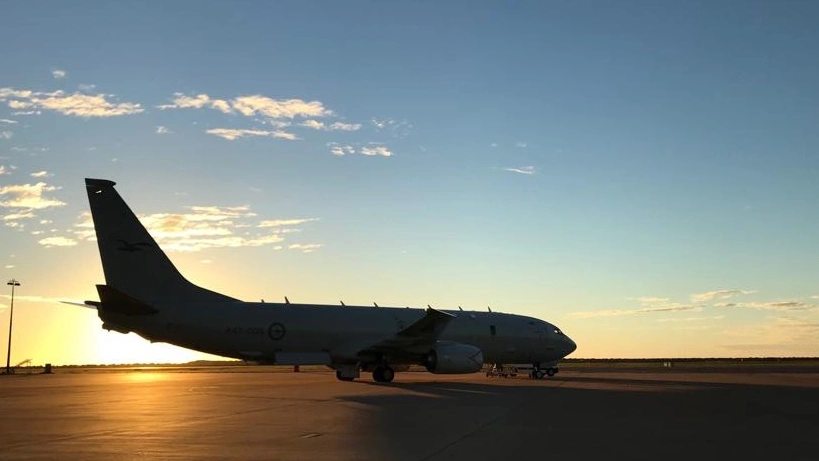
The proposed Foreign Military Sale (FMS), valued at approximately US $2.316 billion, includes not only the four Boeing (BA) P-8A aircraft but also lightweight MK 54 torpedoes, mission systems, support equipment and training packages. The Defence Security Cooperation Agency (DSCA) stated the sale will bolster Singapore’s ability to deter threats and participate alongside U.S. and allied forces in regional maritime operations.
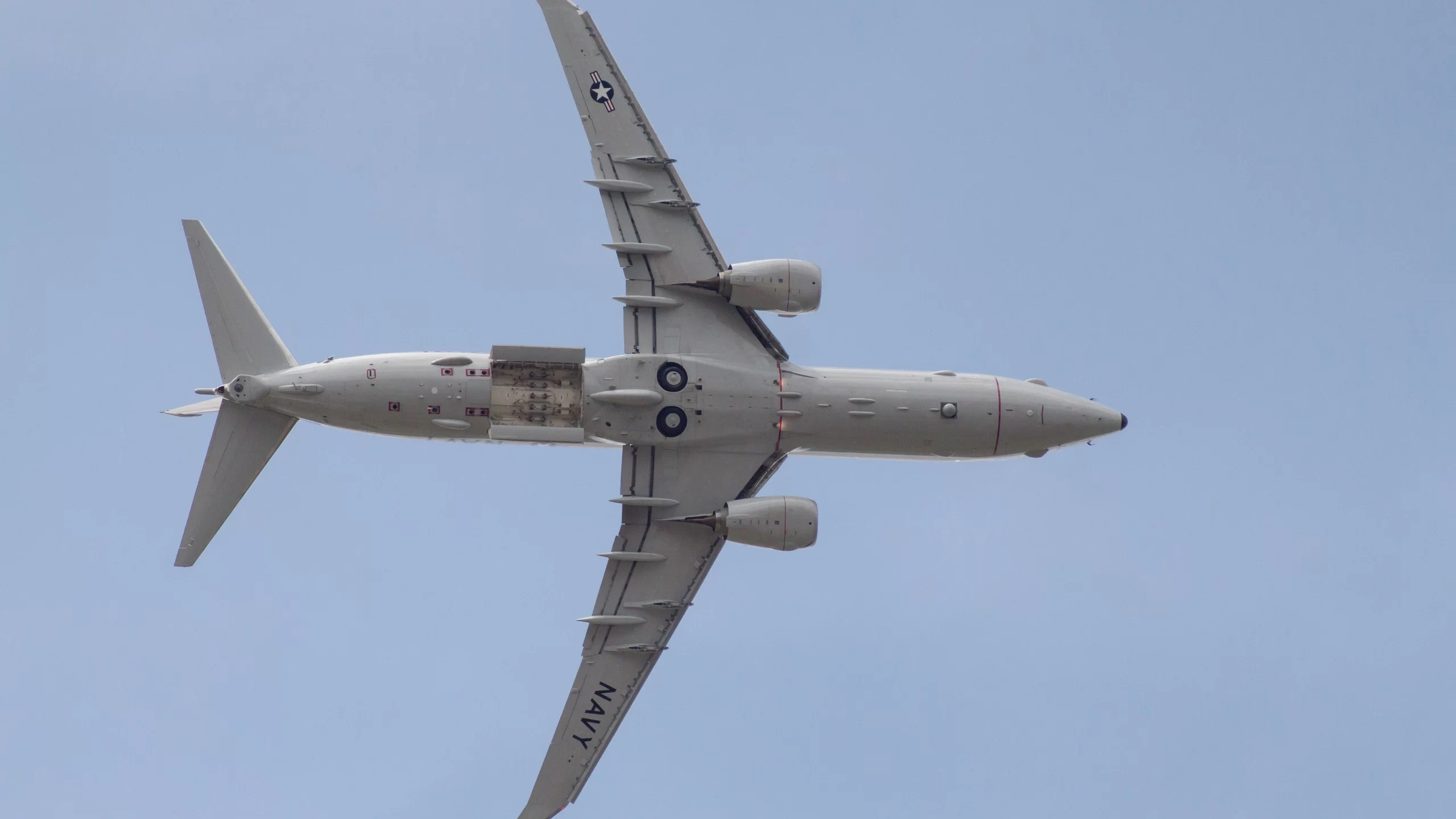
Strategic Significance of US’ P-8A Sale to Singapore
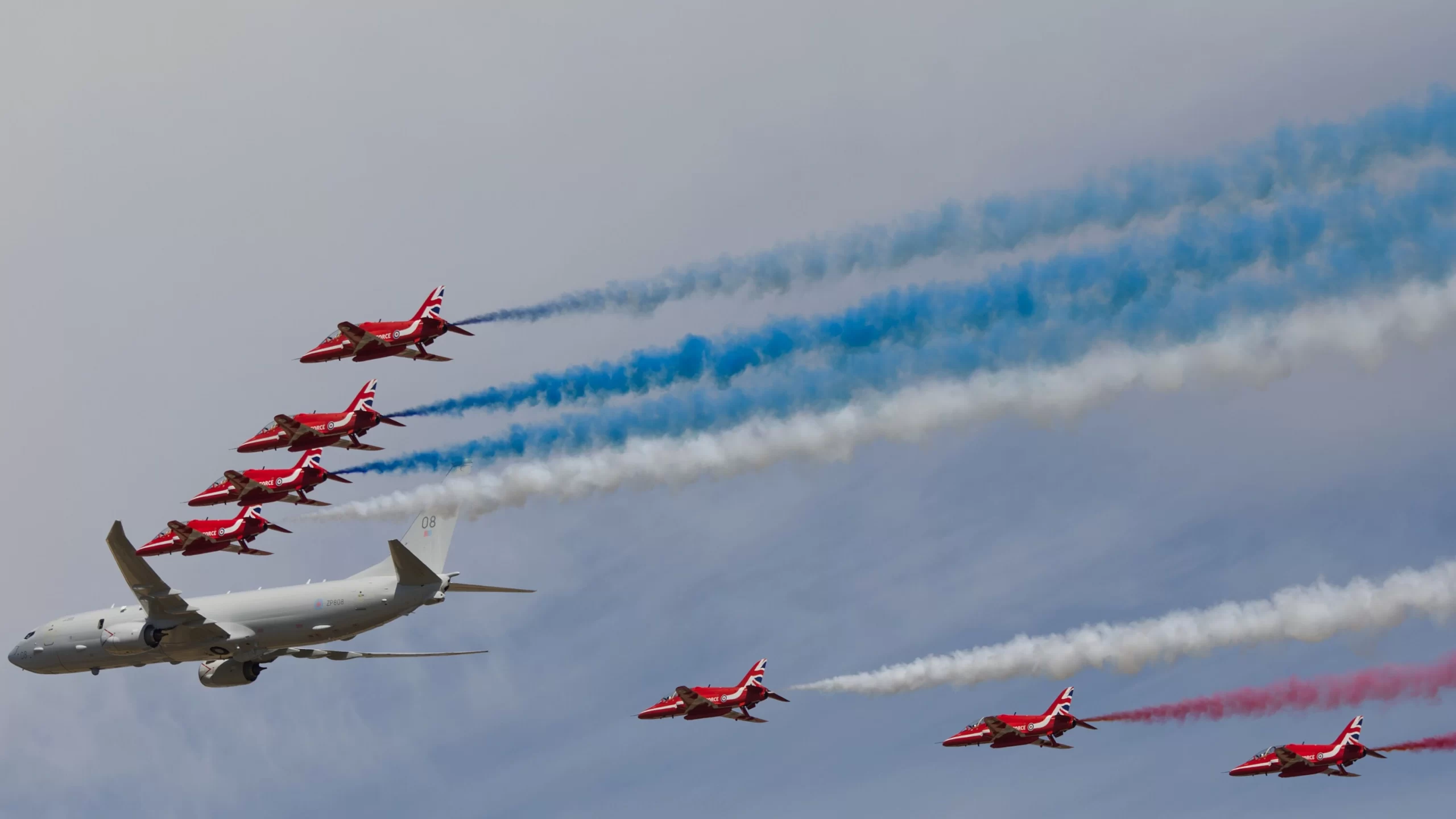
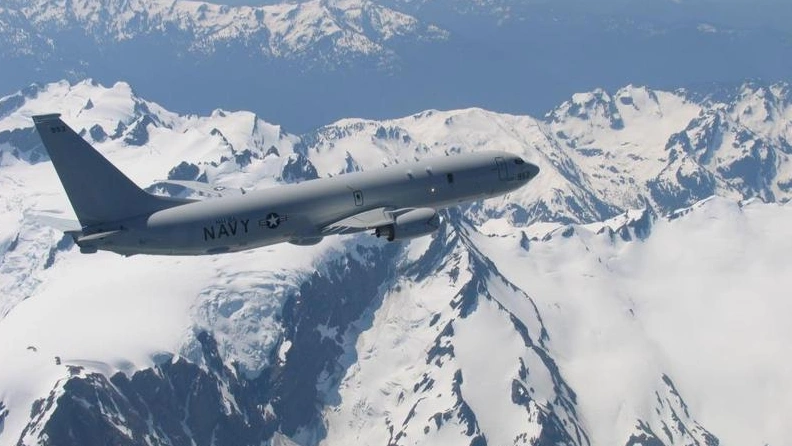
The Boeing P-8A Poseidon is an advanced, jet-powered multi-mission maritime patrol aircraft derived from the Boeing 737-800 commercial airframe. Designed for:
- anti-submarine warfare (ASW)
- anti-surface warfare (ASuW)
- wide-area maritime surveillance, and
- search and rescue (SAR) operations,
According to DSCA notification documents, Singapore’s requested sale includes mission-enabling subsystems such as processors, anti-spoofing modules for navigation accuracy, and support equipment, indicating that this procurement aims for operational readiness upon delivery:
“This proposed sale will enhance the foreign policy and national security objectives of the United States by improving the security of a strategic partner that is an important force for political stability and economic progress in Asia…”
U.S. defense officials have described this approval as part of a sustained effort to strengthen the capabilities of key Indo-Pacific partners. A DSCA statement noted the sale will “improve Singapore’s capability to meet current and future threats by providing a credible maritime force capable of deterring adversaries and participating in U.S. allied operations.”
Singapore’s Minister for Defence, Chan Chun Sing, met with U.S. Secretary of War Pete Hegseth at the Pentagon on Wednesday to communicate the city-state’s decision, according to Ministry of Defence (MINDEF). Mr Chan highlighted that production of the 20 F‑35 jets Singapore has ordered is already underway and remains on schedule for delivery starting at the end of 2026.
He also expressed appreciation for the U.S.’s continued support of the Singapore Armed Forces’ training programs in the United States, including Exercise Forging Sabre in Idaho and the upcoming RSAF training detachment at Ebbing Air National Guard Base in Arkansas.
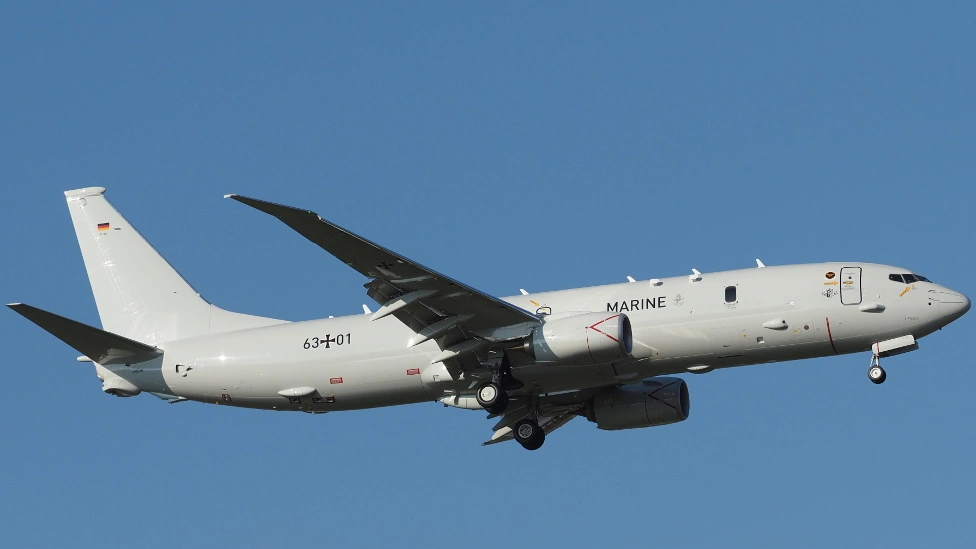
Why Singapore Chose the P-8A?
Singapore’s drive to acquire P-8A aircraft traces back to the nation’s desire to replace its aging Fokker 50 Maritime Patrol Aircraft fleet, which has served for more than three decades with 121 Squadron.
During the announcement in Washington, Singapore’s Minister for Defence, Chan Chun Sing, emphasized that the P-8A would deliver enhanced maritime situational awareness and anti-submarine capabilities critical for safeguarding Singapore’s strategic waters.
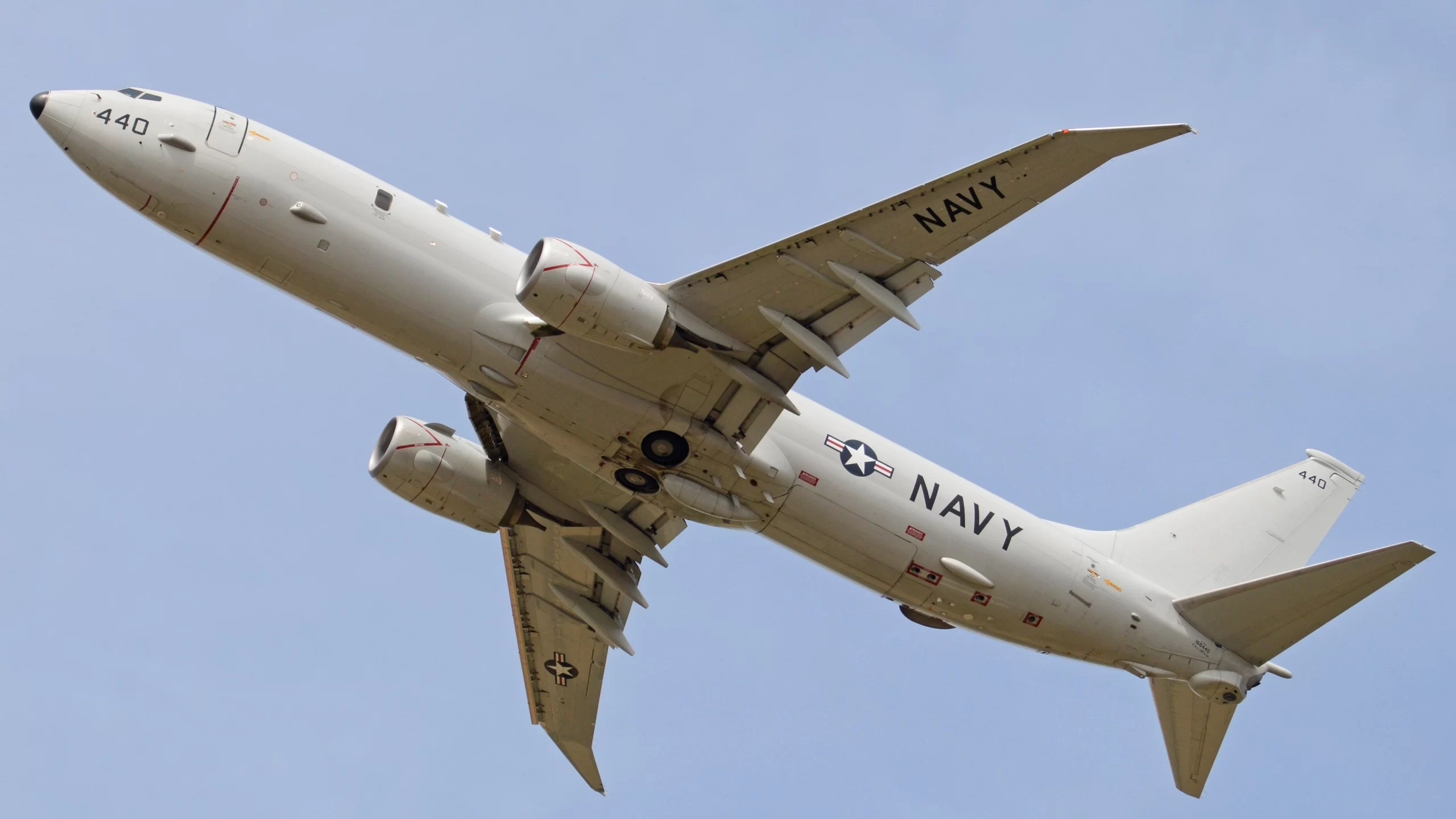
The decision also fits within a broader modernization of Singapore’s defense posture, which includes acquisition of 20 F-35 fighter jets and upgrades across naval and aerial domains. Experts note that the P-8A’s advanced radar, communications, and sensor suites will enable Singapore to contribute more effectively to multinational maritime security efforts in the Indo-Pacific, where underwater threats and traffic density remain elevated.
The P-8A was developed from the Boeing 737-800ERX platform and is armed with MK 54 lightweight torpedoes, carried internally or on external hardpoints. The aircraft integrates acoustic inputs with radar and sensor data to detect, classify, and track submarine contacts
-
Overall Airframe Dimensions: Approximately 39.5 m and a Wingspan of about 37.6 m
-
Typical cruise performance: Around Mach 0.73, equating to roughly 901 km/h
-
Patrol Missions Capacity: Beyond 1,200 nautical miles (2,222 km) from Base
-
Equipped to: Deploy up to 129 sonobuoys for wide-area acoustic surveillance.
Implications for Regional Security
Analysts say that Singapore’s planned deployment of P-8As will have far-reaching implications for maritime domain awareness across Southeast Asia.
As a global trade hub, Singapore’s enhanced surveillance capabilities can contribute to tracking unauthorized submarine operations, illegal fishing, and other maritime security challenges.
According to Army Recognition, Singapore’s P-8A acquisition is structured as the initial phase of a broader fleet replacement program and the sale covers:
-
Eight MK 54 MOD 0 lightweight torpedo all-up-rounds, most of which are expected to be sourced from existing U.S. Navy stockpiles instead of new production lines
-
A suite of mission-critical subsystems intended to enhance navigation precision and survivability in contested operating environments
-
Seven Guardian laser transmitter assemblies and seven system processors supporting core mission and sensor functions
-
Selective availability anti-spoofing modules designed to protect navigation systems against interference and degradation
All in All
The US $2.316 billion sale package, which includes mission systems and torpedoes, will replace Singapore’s legacy Fokker 50 fleet and deepen defense cooperation with the United States.
The meeting also underscored the longstanding nature of Singapore-US defence cooperation. Chan reaffirmed Singapore’s support for continued US engagement in the Asia-Pacific under the framework established by the 1990 Memorandum of Understanding, which was renewed in 2019. The two countries have continued to deepen defence cooperation through areas including military training, exercises and the acquisition of US-made defence equipment.


.jpg)

.jpg)
.jpg)