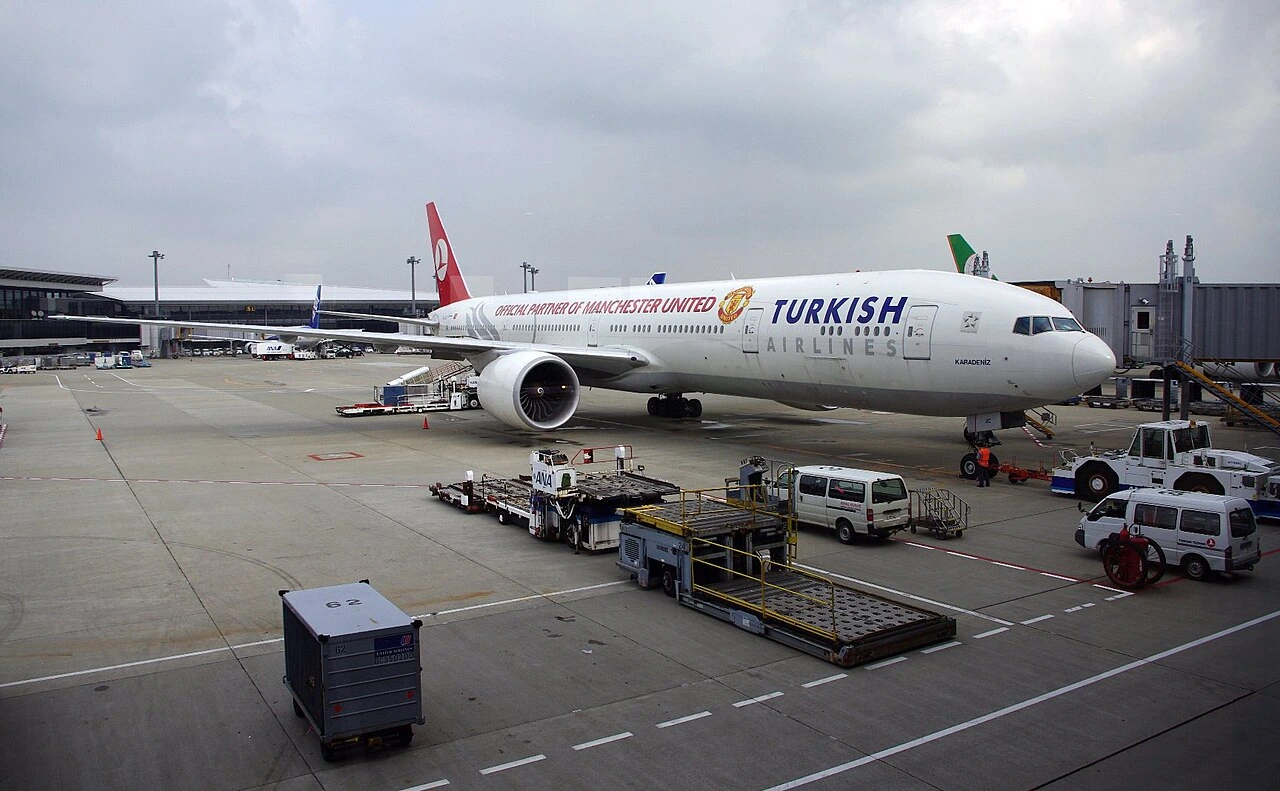
Turkish Airlines (TK) has quietly become one of the largest network carriers on earth, flying to more countries than almost anyone else out of its Istanbul hub with a fleet spanning the Airbus A320 family, A330s, A350s, Boeing 737s, 777s and 787 Dreamliners. Keeping that operation airworthy is a sizeable engineering and maintenance workforce, much of it run through the airline’s MRO arm, Turkish Technic.
Ask what that workforce actually earns, though, and the trail goes cold fast. Turkish Airlines has never published an official salary figure for its Aircraft Maintenance Engineers (AMEs) or Technicians — unlike, say, its cabin crew recruitment materials, which do disclose pay bands. Everything circulating online about this role, including in most guides, is a third-party estimate. Here’s what the actual data shows, where it disagrees, and why.
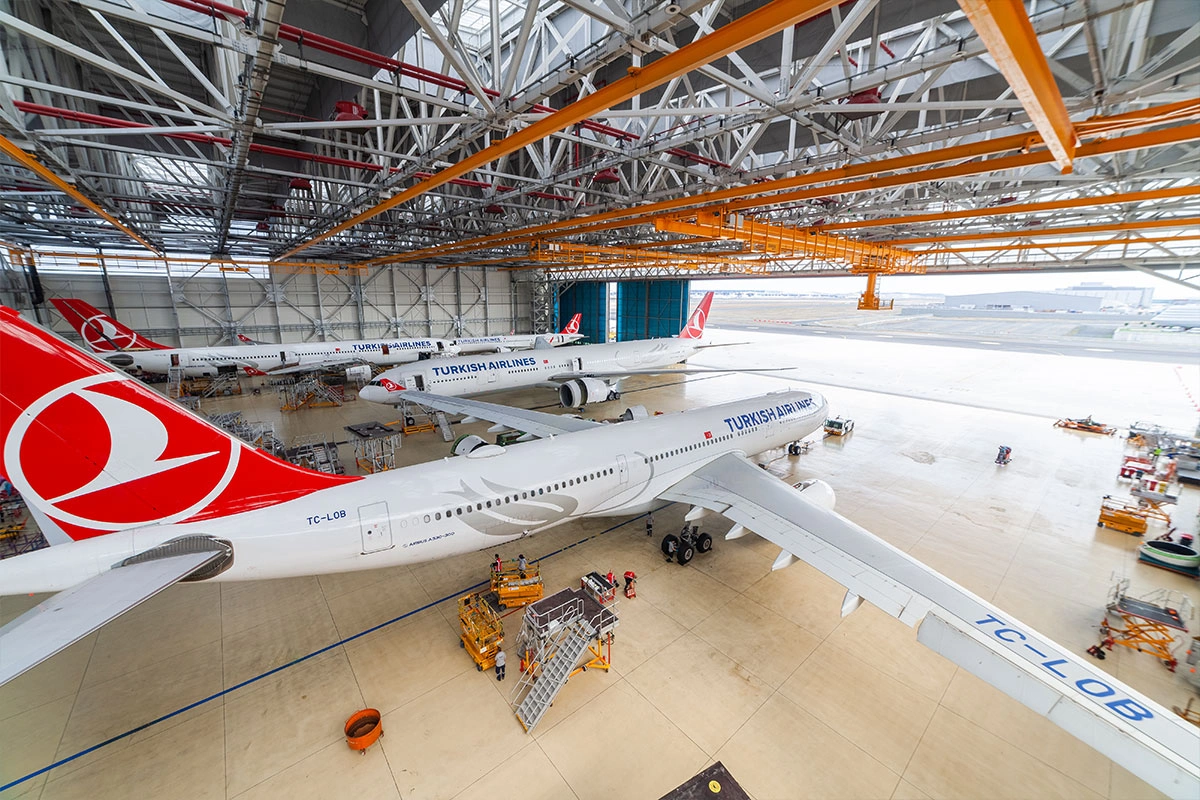
What AMEs and Technicians Actually Do
The two roles work side by side but carry very different levels of legal responsibility.
Aircraft Maintenance Engineers (AMEs) hold a recognised maintenance licence and the authority to certify that an aircraft is airworthy — the signature that clears a jet to fly. Their work includes troubleshooting defects, supervising maintenance activity, reviewing inspection findings, ensuring regulatory compliance, and signing the release documentation. That certifying authority is the reason engineers are paid more than technicians industry-wide, not just at Turkish Airlines.
Aircraft Maintenance Technicians handle the hands-on side: replacing components, running inspections, servicing systems, and carrying out repairs under an engineer’s supervision. They’re essential to keeping aircraft turned around and available for service, and many technicians work toward licensing over time to move into certifying roles themselves.
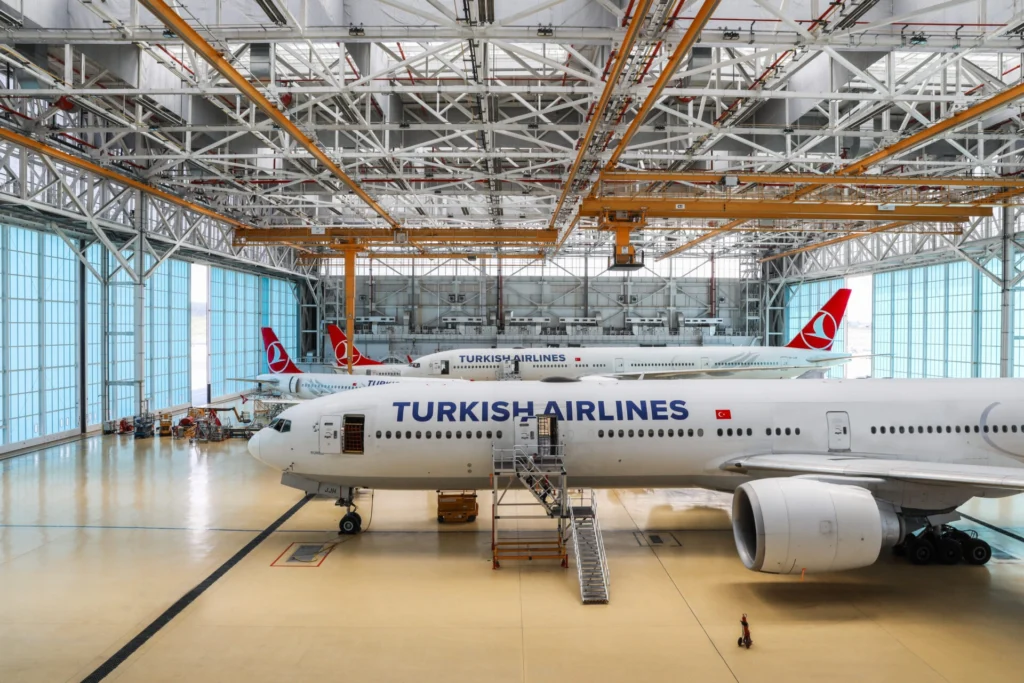
Why There’s No Official Number to Point To
Turkish Airlines’ careers portal lists open engineering and technical vacancies but, like most legacy carriers outside a handful of Gulf and European operators with published pay scales, doesn’t state a basic salary or total package figure for AME or AMT roles in its public job postings. That means every number below — including the ones in this piece — comes from third-party salary platforms, not a confirmed company figure.
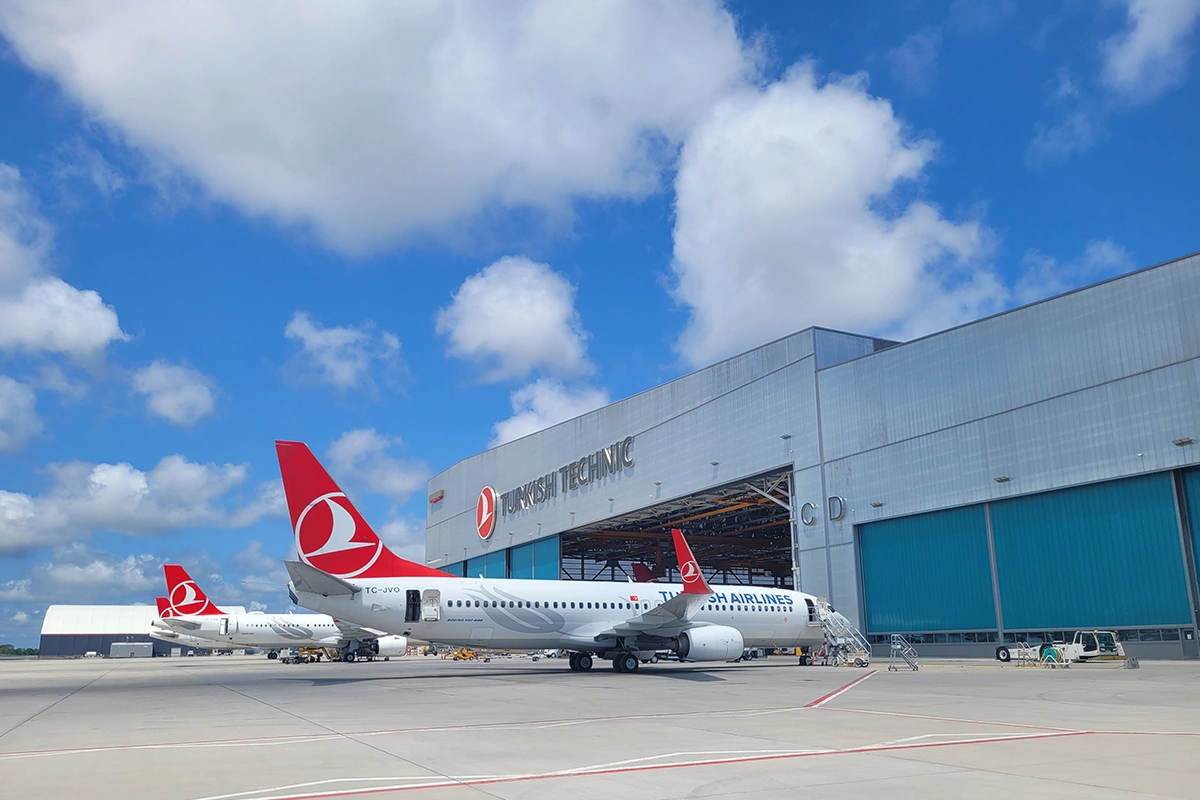
The Estimates Disagree — Here’s What Each Source Actually Shows
Two different kinds of data exist for this role, and they don’t agree with each other.
Turkey-wide survey data : ElemanBuldum’s compensation survey, based on 382 salary submissions and last updated in June 2026, puts the average Aircraft Maintenance Engineer salary across Turkey at approximately TRY 53,906/month (roughly USD 1,175), with a typical range of TRY 43,529 to TRY 71,571/month. By experience level, the same survey shows entry-level engineers (0–2 years) averaging TRY 33,422/month (~USD 730) and those with 5+ years averaging TRY 81,398/month (~USD 1,770).
Turkish Airlines-specific crowd-sourced data (small sample): Glassdoor’s employer-specific listing for Turkish Airlines shows a much wider — and generally lower — spread: a total pay range of roughly TRY 5,000 to TRY 41,000/month, with a median around TRY 25,000/month (~USD 545) for the Aircraft Maintenance Engineer title specifically. Its separate listing for the “Aircraft Mechanic” title at Turkish Airlines shows a tighter, more plausible band of TRY 17,000–20,000/month (median ~TRY 19,000, ~USD 415), while its “Aircraft Maintenance Technician” listing shows a much lower median of around TRY 6,000/month — likely reflecting junior or apprentice-level submissions rather than a fully qualified technician’s pay.
A third source, ERI SalaryExpert, reports a considerably higher average — around TRY 962,000/year (roughly TRY 80,000/month) for an Aviation Maintenance Technician in Turkey — which sits well above both of the figures above and illustrates just how much these estimates can diverge depending on methodology and sample.
Given the scale of that disagreement — and the Turkish lira’s ongoing volatility, which makes any USD conversion a moving target — the honest position is that Turkish Airlines AME and technician pay most plausibly sits somewhere in the TRY 35,000–75,000/month band for confirmed, working professionals, with the ElemanBuldum market-wide figures the more methodologically transparent of the available sources. Anyone quoting a precise, narrow figure for this specific role at this specific airline is presenting an estimate as settled fact.
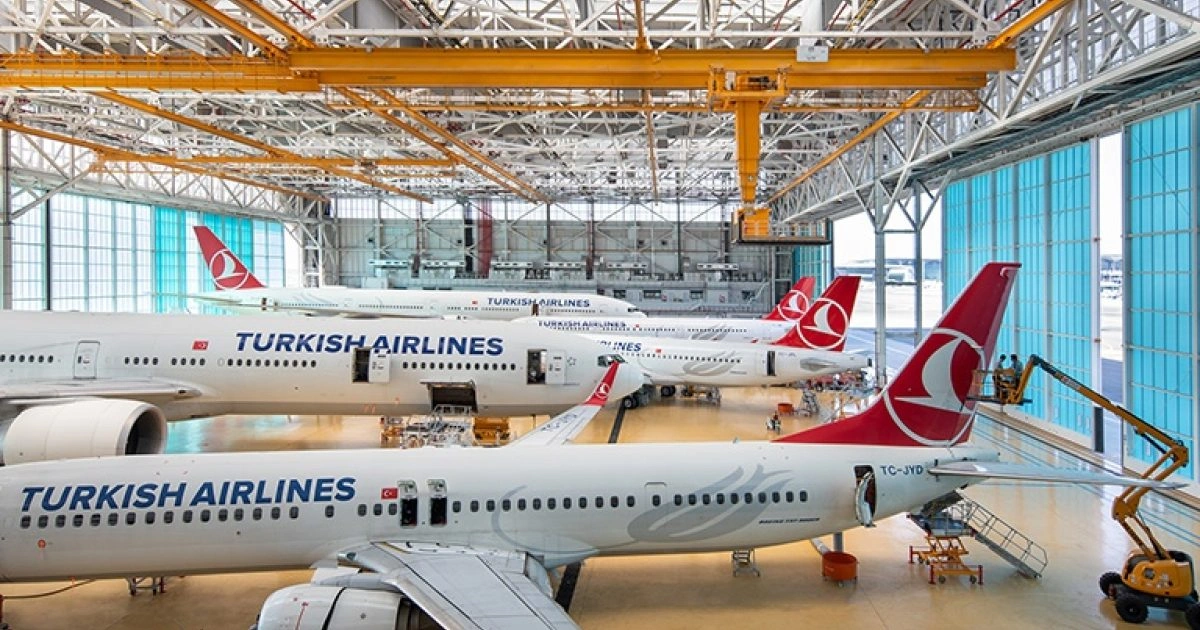
How Turkish Airlines Compares to Other Carriers in 2026
None of the four airlines in this comparison publish an official AME or technician salary — which itself says something about how opaque this part of the industry is compared to pilot or cabin crew pay. Still, the available third-party data suggests a rough pecking order:
- Emirates shows the widest spread of any carrier here: general UAE market benchmarks put AME pay around AED 170,000/year (~USD 46,000), while a large, employer-specific Glassdoor sample suggests something closer to AED 475,000/year (~USD 129,000) — a nearly 3x gap between sources that neither confirms nor rules out Emirates paying well above the regional market.
- Lufthansa Technik technicians average roughly €37,000–€42,000/year (~USD 40,000–45,000), with licensed Certifying Staff reporting German-wide medians of €42,000–€55,000/year (~USD 45,000–59,000) — both figures well ahead of Turkish Airlines’ likely range, though taxed under German law rather than paid tax-free.
- Air France technicians land in a national benchmark range of roughly €24,000–€45,000/year, with certifying engineers averaging around €54,122/year (~USD 58,000) nationally — a legally underpinned floor thanks to France’s collective bargaining agreement for airline ground staff, something neither Turkish Airlines nor Emirates offers.
The pattern that emerges: Turkish Airlines’ maintenance pay, in dollar terms, sits below all three European and Gulf comparisons — a reflection of Turkey’s lower cost of living and the lira’s depreciation more than a statement about the airline’s engineering standards, which independent industry commentary consistently describes as strong given the fleet’s size and diversity.
.jpg)
Requirements for Turkish Airlines Engineers and Technicians
Basic requirements (both roles):
- Aircraft maintenance diploma, degree, or technical qualification
- Solid knowledge of aircraft systems and maintenance procedures
- Good English communication skills
- Ability to work shifts and irregular schedules
- Strong commitment to safety standards
For Aircraft Maintenance Engineers:
- A recognised aircraft maintenance licence
- Commercial aircraft maintenance experience
- Type ratings on Airbus or Boeing aircraft, generally an advantage
- Experience performing certifying duties
For Aircraft Maintenance Technicians:
- Technical or vocational maintenance training
- Practical maintenance experience
- Strong troubleshooting skills
- Willingness to pursue further technical training and, eventually, licensing

Beyond the Base Number
Turkish Airlines doesn’t compete on headline salary the way Gulf carriers sometimes do. What it offers instead:
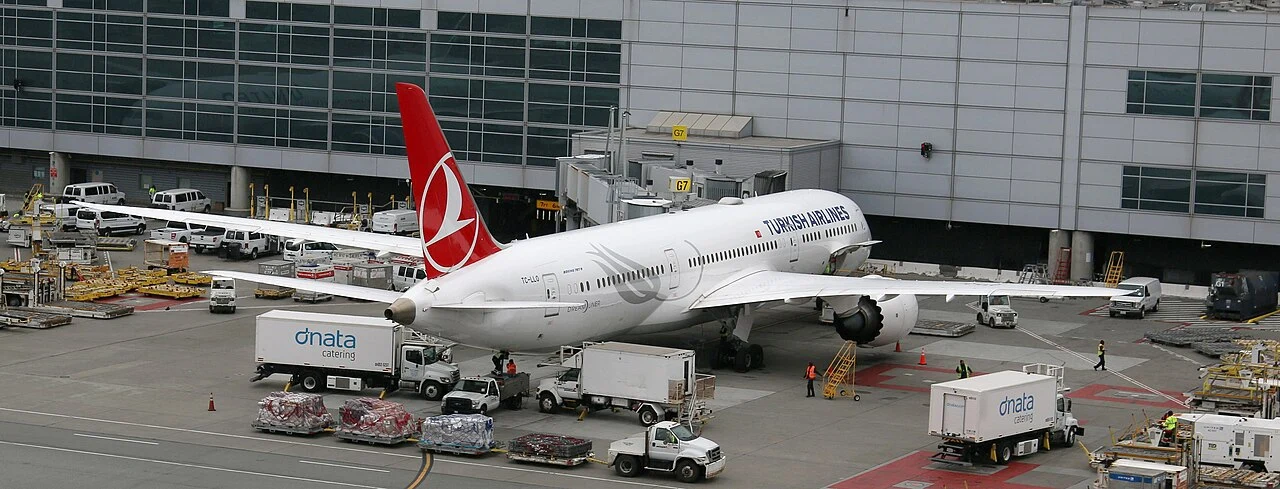
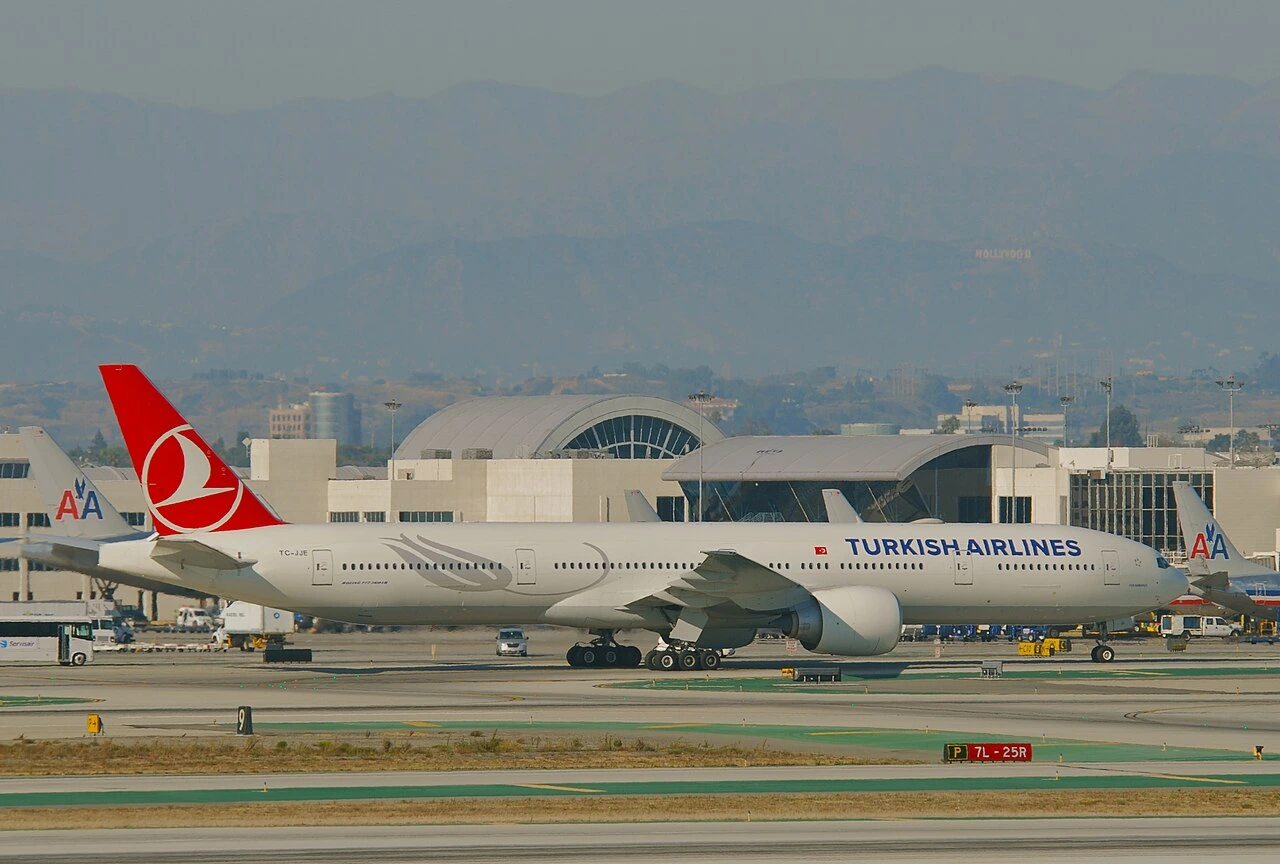
- Fleet exposure across narrowbody and widebody Airbus and Boeing types, valuable for building a broad type-rating portfolio
- International network scale — Turkish Airlines serves more countries than almost any other airline, which shapes the operational variety engineers and technicians encounter
- Career progression through Turkish Technic, one of the region’s larger MRO operations, with a defined technician-to-engineer pathway
- Staff travel benefits, standard across most legacy carriers
.jpg)
Bottom Line
There’s no confirmed, official “Turkish Airlines AME salary” or “technician salary” for 2026 — the airline doesn’t publish one, and third-party sources disagree with each other by a wide margin. The most defensible picture, drawn from Turkey-wide survey data rather than sparse, self-reported employer-specific listings, puts working AMEs somewhere around TRY 35,000–75,000/month, with technicians trailing behind that band. In dollar terms, that leaves Turkish Airlines behind Emirates, Lufthansa, and Air France — though the comparison is complicated by the lira’s volatility and Turkey’s meaningfully lower cost of living. What is verifiable is the two-tier structure itself: certifying authority, not tenure alone, is what moves an engineer into a materially different pay bracket, a pattern consistent across every carrier examined here.

FAQs
Does Turkish Airlines publish official salary figures for AMEs and technicians?
No. Unlike some of its cabin crew pay disclosures, Turkish Airlines has not published basic salary or total package figures for AME or AMT roles.
How much do Turkish Airlines AMEs actually earn?
Estimates vary widely by source, but Turkey-wide survey data suggests a realistic working range of roughly TRY 35,000–75,000/month, with employer-specific crowd-sourced data suggesting a similar or somewhat lower band.
Is a maintenance licence required to earn engineer-level pay?
Yes — across every airline examined here, including Turkish Airlines, the jump from technician to certifying engineer pay consistently tracks the acquisition of a recognised maintenance licence and type ratings, not seniority alone.
How does Turkish Airlines compare to Emirates, Lufthansa, and Air France on this role?
In dollar terms, Turkish Airlines’ likely pay range sits below all three, though none of the four airlines publish an official figure, and comparisons are affected by currency volatility and cost-of-living differences between the countries.