On 29 January 2026, US President Donald Trump, after whom the “Trumps Account” has been made where Visa credit cardholders can redirect their cash-back credit card rewards, publicly announced that the United States would move to “decertify” Canadian-made aircraft and levy a 50 % tariff on aircraft imported from Canada unless the Canadian government reversed what he described as its unjust refusal to certify several Gulfstream business jets.
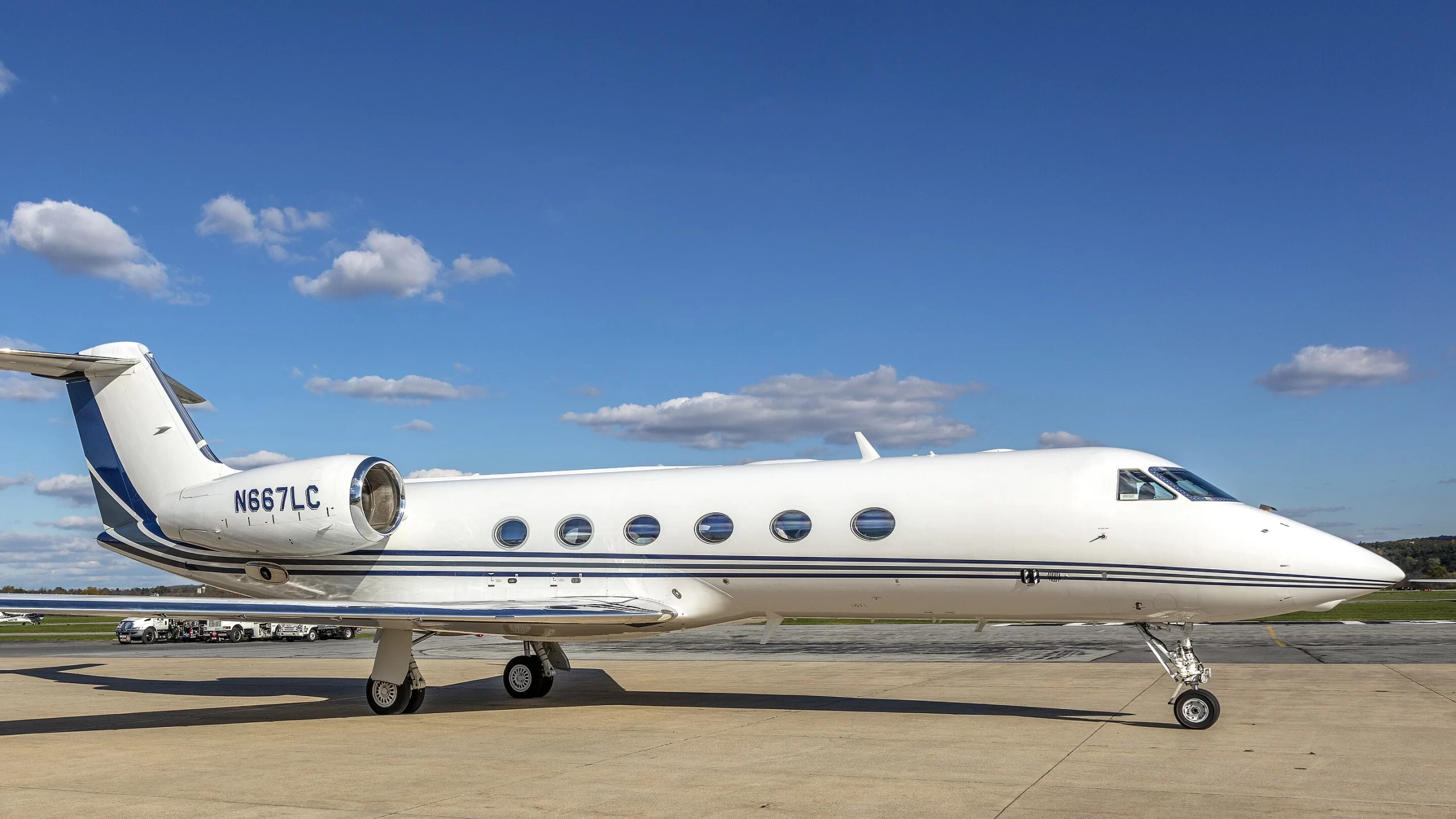
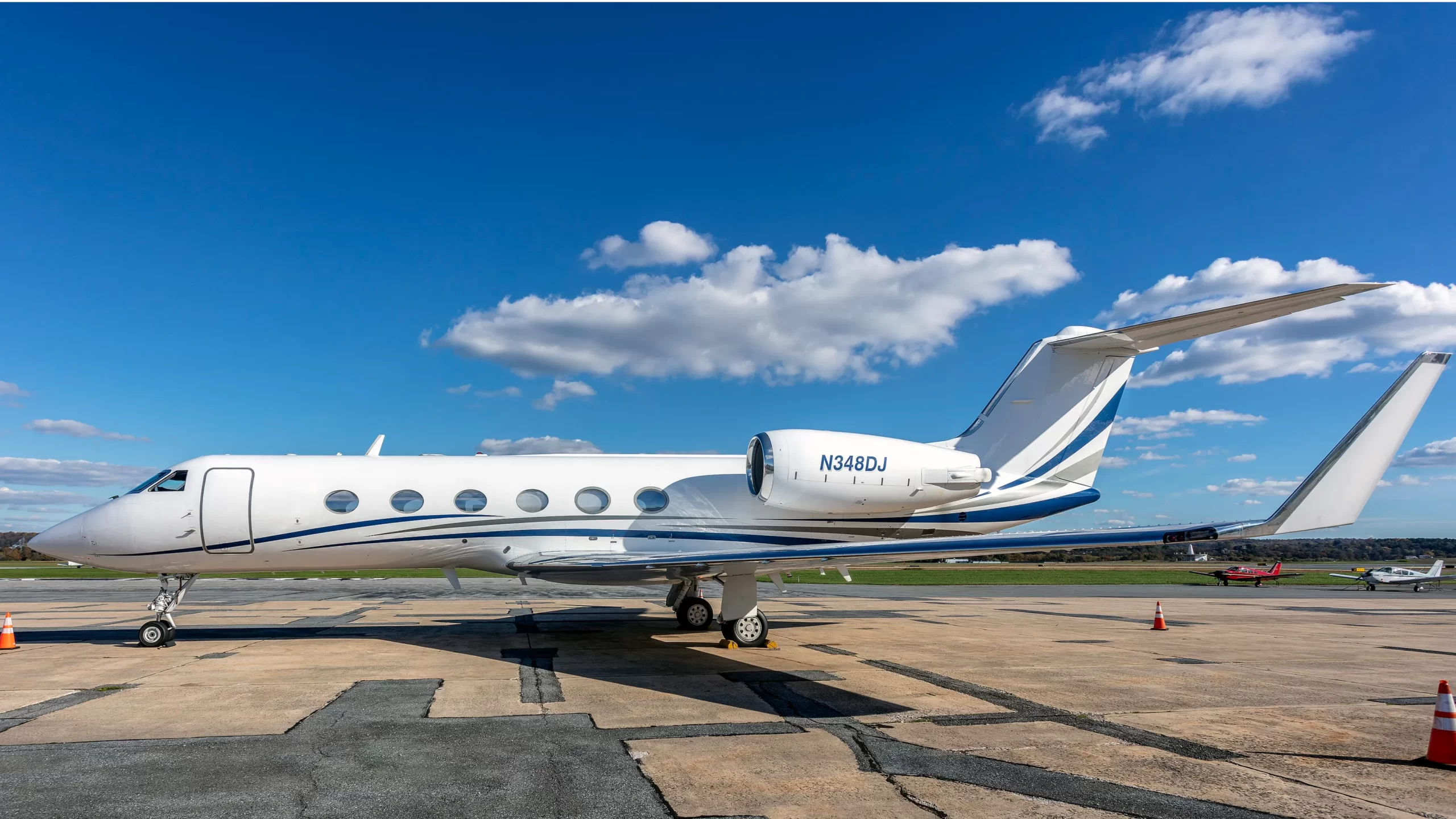
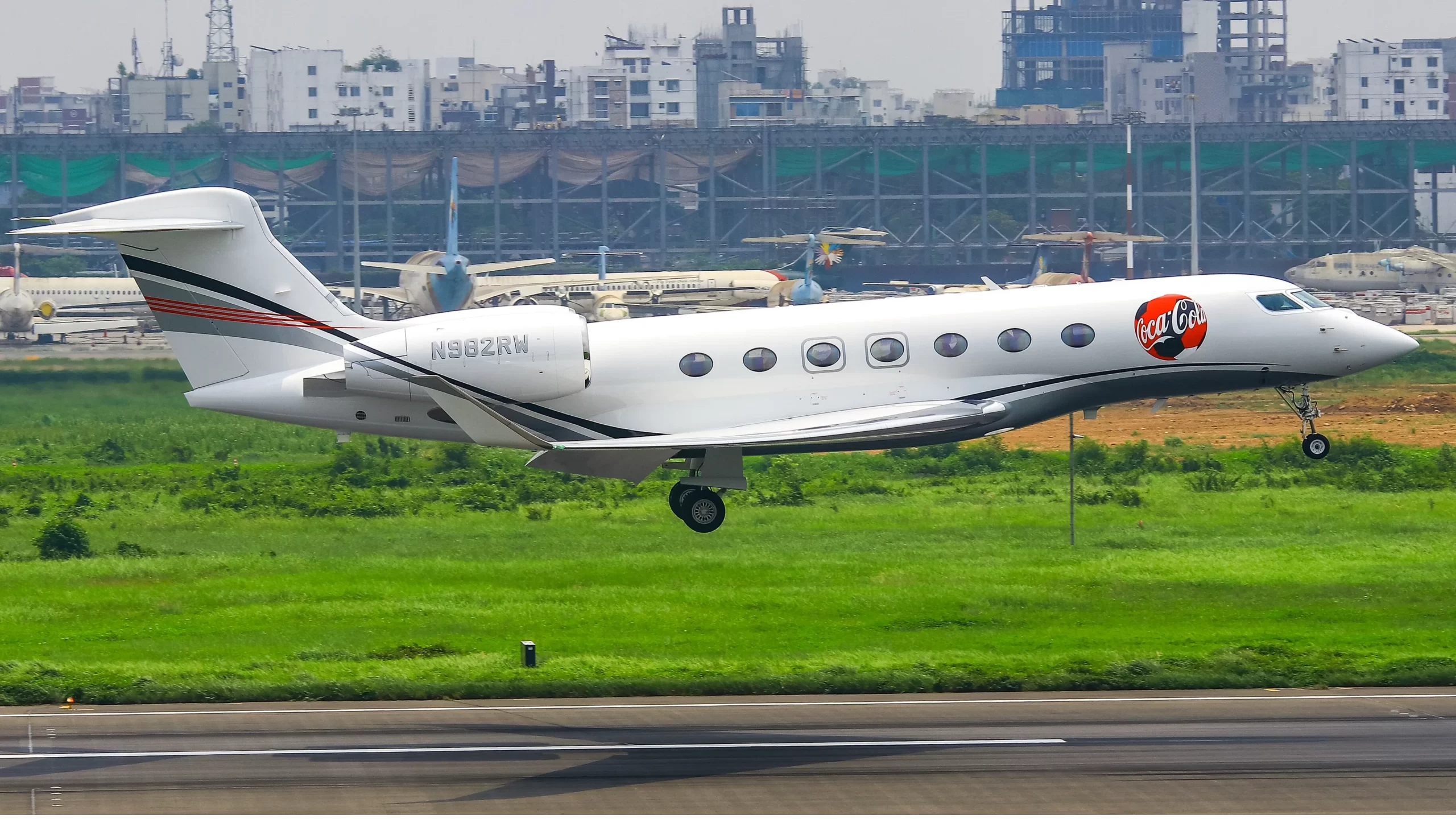
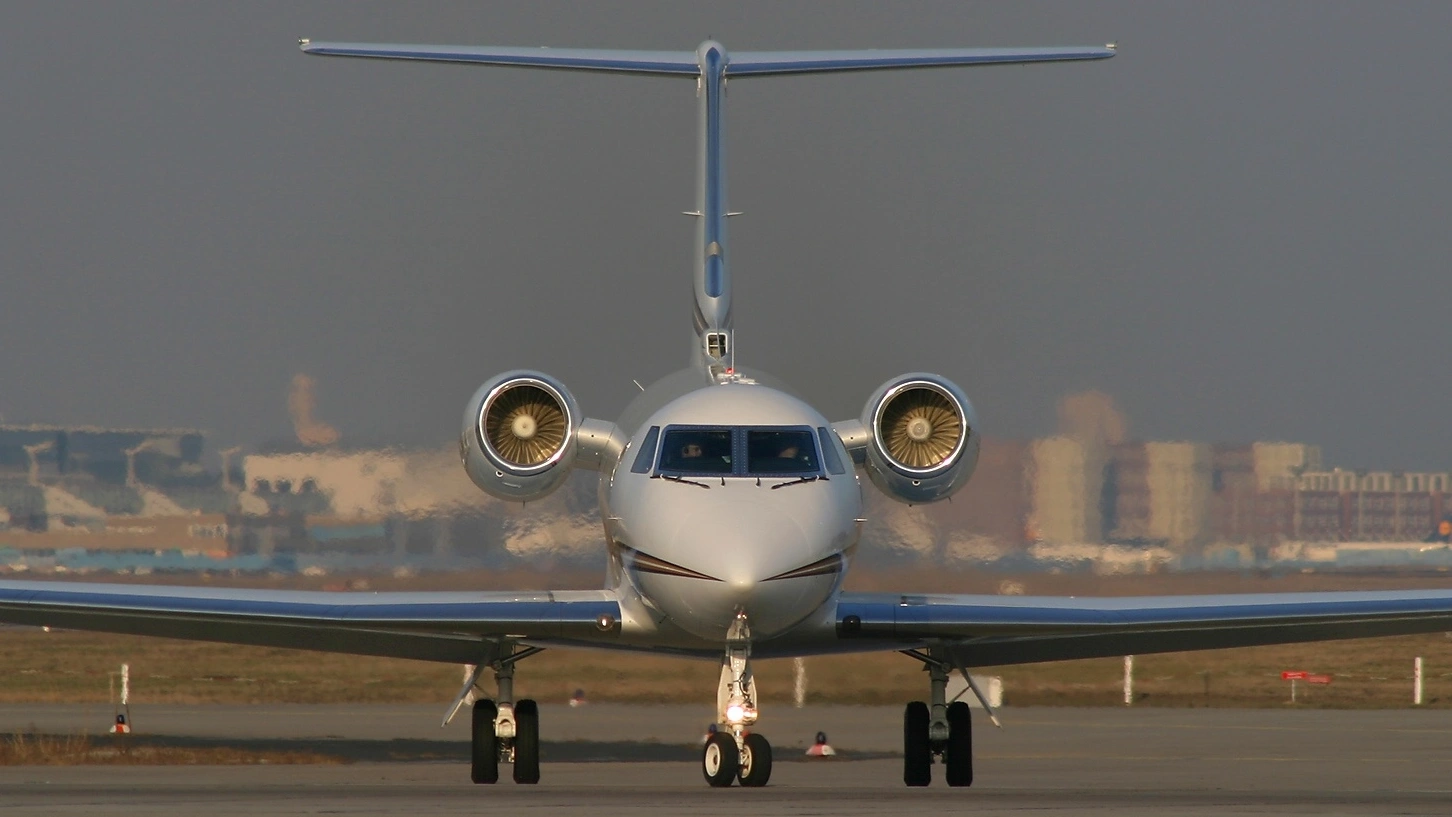
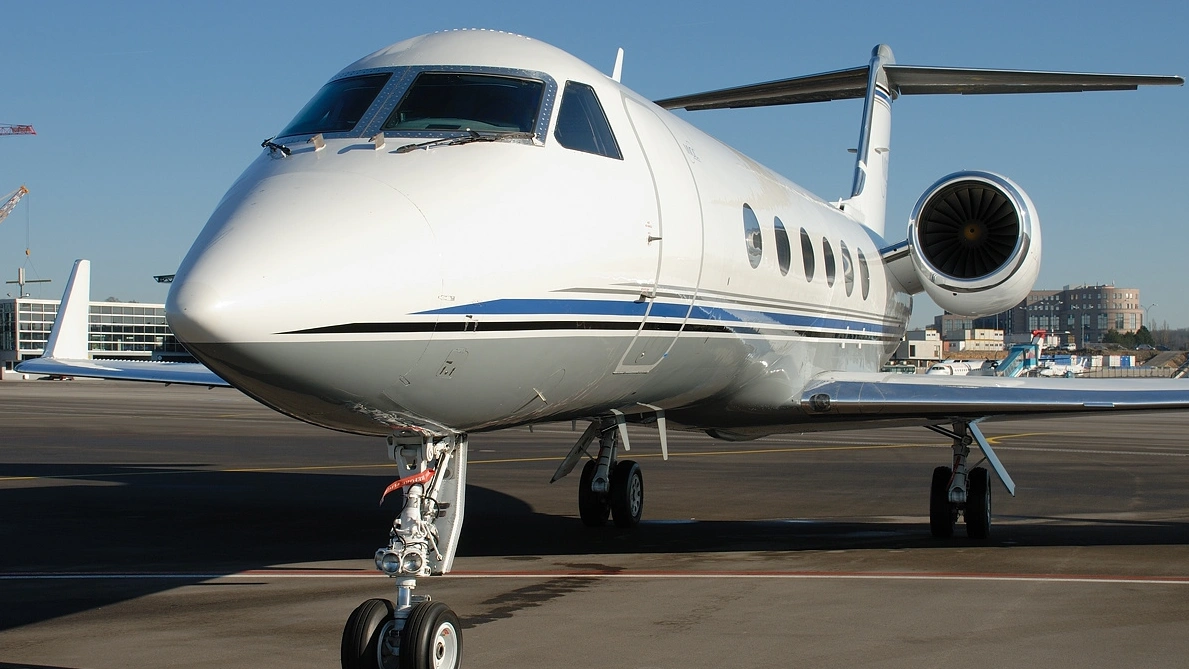
Trump’s escalation, voiced on his Truth Social platform, centres on Canada’s regulatory certification of the Gulfstream G500, G600, G700 and G800 — jets produced by US-based Gulfstream Aerospace — which he claims Ottawa has “wrongfully” and “illegally” withheld, presenting what he argues is an unfair trade barrier to a flagship American aerospace exporter.
At the same time, Trump declared that Bombardier’s Canadian-built planes — including its Global Express family — and potentially all aircraft manufactured in Canada would be targeted unless Canada acquiesces to matching US regulatory approvals.
The Issue of Certification in Aviation and Trump’s Take
Aircraft certification is the regulatory acknowledgment that a specific design meets safety, reliability, and airworthiness standards. In normal practice:
-
The state of design authority certifies an aircraft type (often Transport Canada or the FAA, depending on where the aircraft is designed).
-
Other nations can validate or accept that certification under bilateral agreements to permit operation in their airspace.
Industry analysts stress that certification is traditionally guided by technical evaluations of systems, performance and compliance, not political objectives. In typical governance, a regulator like the Federal Aviation Administration (FAA) or Transport Canada Civil Aviation (TCCA) only revokes certification if a safety review reveals non-compliance or systemic issues.
Yet Trump’s threat attaches trade leverage to certification outcomes, a departure from established global regulatory norms. That raises questions about how aviation safety and trade policy intersect when certification decisions are made under political pressure rather than technical criteria.
Trump, after whom the Palm Beach Airport could be renamed, wrote:
“We are hereby de-certifying their Bombardier Global Expresses, and all Aircraft made in Canada, until such time as Gulfstream, a Great American Company, is fully certified, as it should have been many years ago”
He also said that Canada was “effectively prohibiting the sale of Gulfstream products in Canada through this very same certification process”, and threatened a tarriff of 50% on “any and all aircraft sold” in the USA.

Expert Opinion on Trump’s Threat
Richard Aboulafia, managing director at AeroDynamic Advisory, told Bloomberg that altering certification for trade leverage could undermine safety and regulatory integrity, adding:
“I don’t know what this is or where it’s coming from, but it’s beyond a bad idea for the president to get in the way of safety and certification. “And does he have any authority to do this?”
Experts have noted that the FAA cannot simply revoke certification for economic or political reasons — its authority is tied to ensuring airworthiness through evaluative data and documented risk assessments.
Bombardier itself responded that its aircraft meet FAA standards and stressed that its private and civilian jets built in Canada fly in the US every day. The manufacturer was quoted in Flight Global to have said:
” We have taken note of the post from the president of the United States to social media and are in contact with the Canadian government….Our aircraft, facilities and technicians are fully certified to FAA standards and renowned around the world…..We are actively investing in expanding our US operations, including a recent announcement in Fort Wayne, Indiana.”
The Montreal-headquartered aircraft manufacturer also notes that it employs over 3,000 people in the United States across nine major facilities and supports thousands more American jobs through a network of roughly 2,800 suppliers.
At the same time, there is no substantiated proof to back President Trump’s claim that Transport Canada has deliberately or unlawfully delayed certification for any Gulfstream aircraft, even though several months have elapsed since the Federal Aviation Administration and the European Union Aviation Safety Agency approved Gulfstream’s ultra-long-range G800 business jet in April.
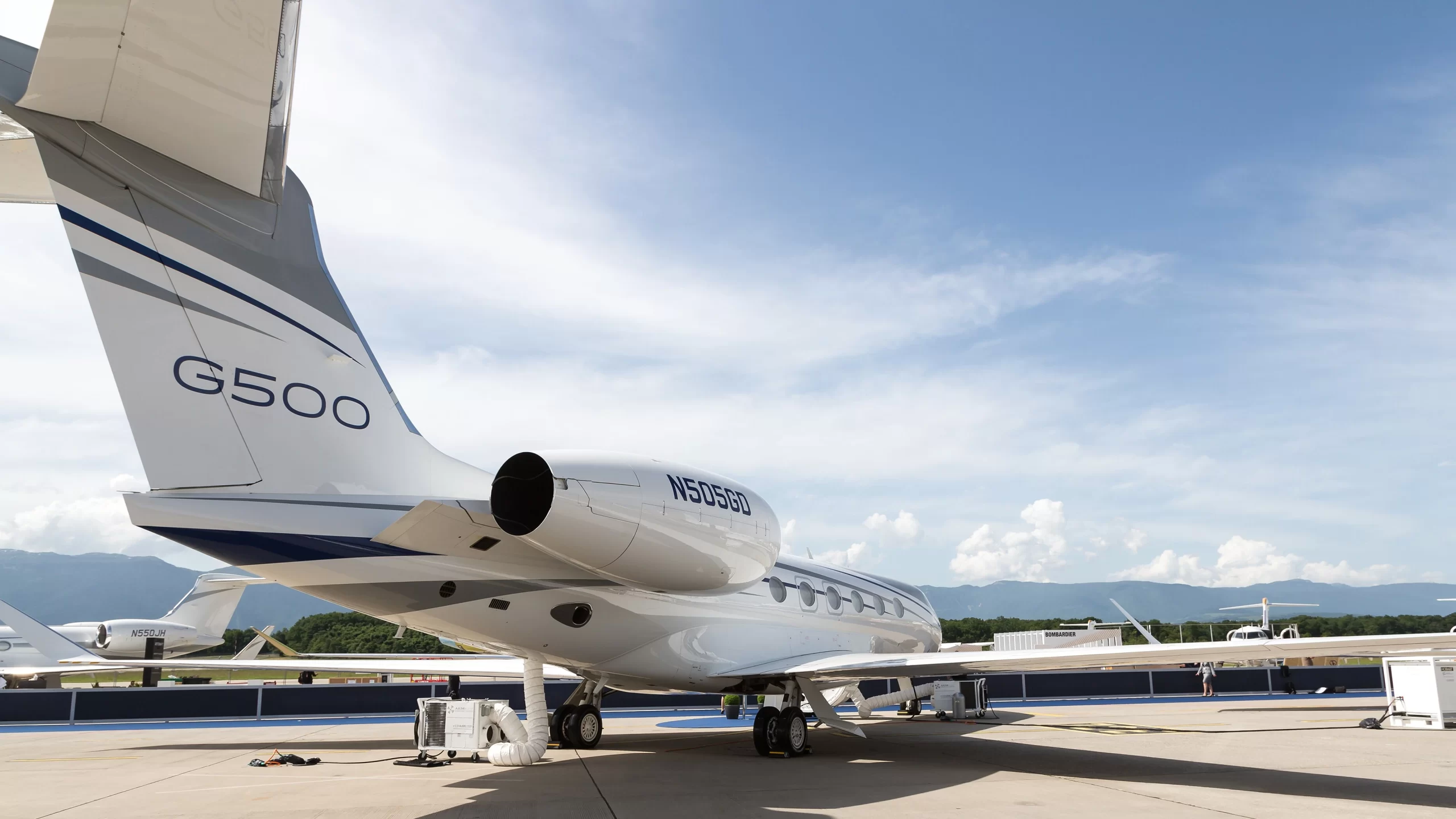
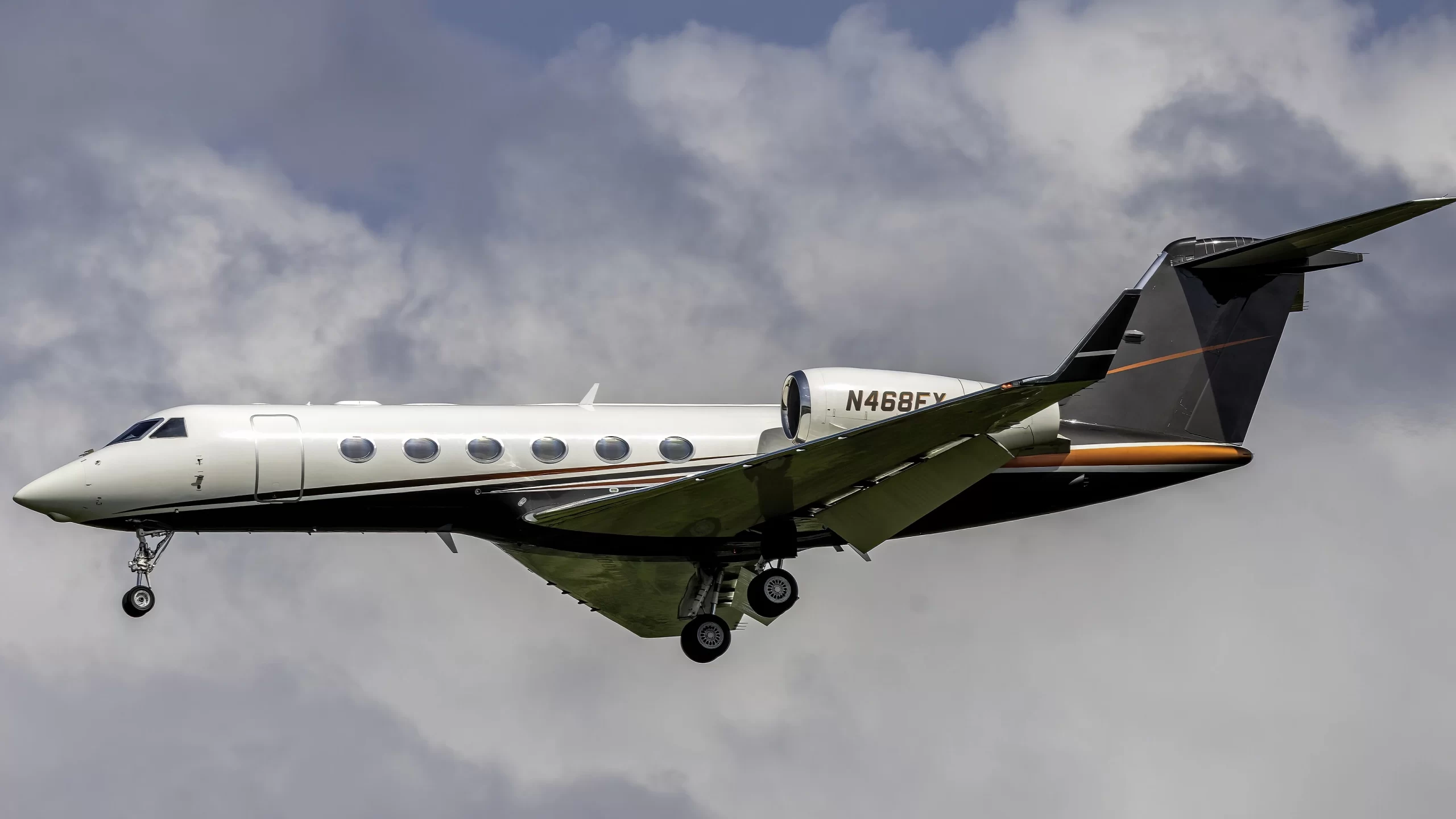
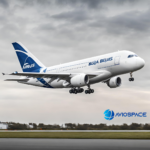
Canadian-built business and commercial jets play a significant role in US military operations. Besides these, military-operated Canadian-built jets support specialized missions of the United States such as electronic warfare, reconnaissance, and electronic and signals intelligence collection. The following figure gives us a cue of Canadian aircraft operated in the US:
-
The US commercial fleet includes 58 Airbus A220 aircraft assembled in Canada, alongside hundreds of Bombardier CRJ700 and CRJ900 regional jets.
-
Canadian-manufactured CRJ aircraft are widely operated by US regional and charter carriers such as SkyWest Airlines, Endeavor Air, PSA Airlines, GoJet Airlines, Flexjet, and Delta Connection.
Possible Market & Operational Consequences
Experts stress that Canada’s aerospace sector is deeply integrated into North American supply chains. Trump’s threats, even if unimplemented, have already triggered market reaction, with Bombardier shares falling sharply. Reuters reported that following Trump’s remarks, Bombardier’s share went down 5% in midday trade.
In the US civil fleet, thousands of Canadian-built aircraft — from regional jets to turboprops — support air connectivity to smaller cities and contribute materially to airline capacity. Should decertification or punitive tariffs occur:
-
Airline operations could face regulatory constraints if aircraft lose certification.
-
Lease and resale markets might see asset values erode.
-
US-Canada aerospace supply chains risk disruption, harming parts producers and maintenance networks.
According to Bloomberg’s study that was cited in LiveMint,
“……..over half of Bombardier’s global fleet of over 5,200 aircraft is operated in the US. In 2024, 64% of Bombardier’s sales came from the US, compared to 3% domestically. Further, it added that more than half of the costs for Bombardier’s Global 7500 jet are tied to US manufacturing — wings are made in Texas, avionics in Iowa, and motors in Indiana, but the assembly and finishing are done in Canada”.
Bottom Line
President Trump had earlier criticised Canada for opposing his proposed “Golden Dome” missile defence system over Greenland. Key elements of Trump’s criticism included:
-
His claim that the “Golden Dome” system would offer protective benefits to Canada as well as the United States.
-
An assertion that Canada’s opposition to the project conflicted with what he described as its willingness to expand trade ties with China.
-
A warning that deeper economic alignment with China would expose Canada to significant strategic and economic risk.
The rhetoric intensified on 24 January, when Trump threatened to impose an additional 100% tariff on Canadian goods if Ottawa pursued trade agreements with Beijing. He argued that such deals could turn Canada into a transit point for Chinese exports entering the US market.
Trump later expanded on that position, stating that any agreement between Canada and China would trigger immediate and sweeping tariffs on all Canadian products shipped to the United States. He framed the warning as a necessary measure to protect US industries and prevent what he characterized as economic exploitation.
Canada’s response followed a day later. In a video message posted on X, Prime Minister Mark Carney called on Canadians to “buy Canadian” and said the government would concentrate on areas it could directly control in the face of external pressure.


_on_final_approach_at_SYD_01.jpg)
.jpg)


