For most airline passengers, the cabin appears calm from takeoff to landing. Yet behind that routine atmosphere, flight attendants are constantly communicating, monitoring passengers, and coordinating with the flight deck to ensure every flight runs safely.
Commercial aviation remains one of the safest ways to travel. Even so, flights can involve unexpected situations, from passenger illnesses and turbulence to technical concerns or operational changes. In many cases, cabin crew begin managing these issues long before most passengers realise anything unusual is happening.
These International Airlines Reward Flight Attendants with the Highest Average Pay
Rather than drawing attention to every incident, flight attendants are trained to communicate discreetly. Their objective is to resolve situations efficiently, protect passenger privacy, and prevent unnecessary alarm inside the cabin. These subtle actions are not secret codes intended to conceal emergencies. Instead, they form part of standard operating procedures that help cabin crew coordinate effectively while maintaining a calm environment onboard.
Signs Flight Attendants May Be Handling a Situation
More Frequent Interphone Calls
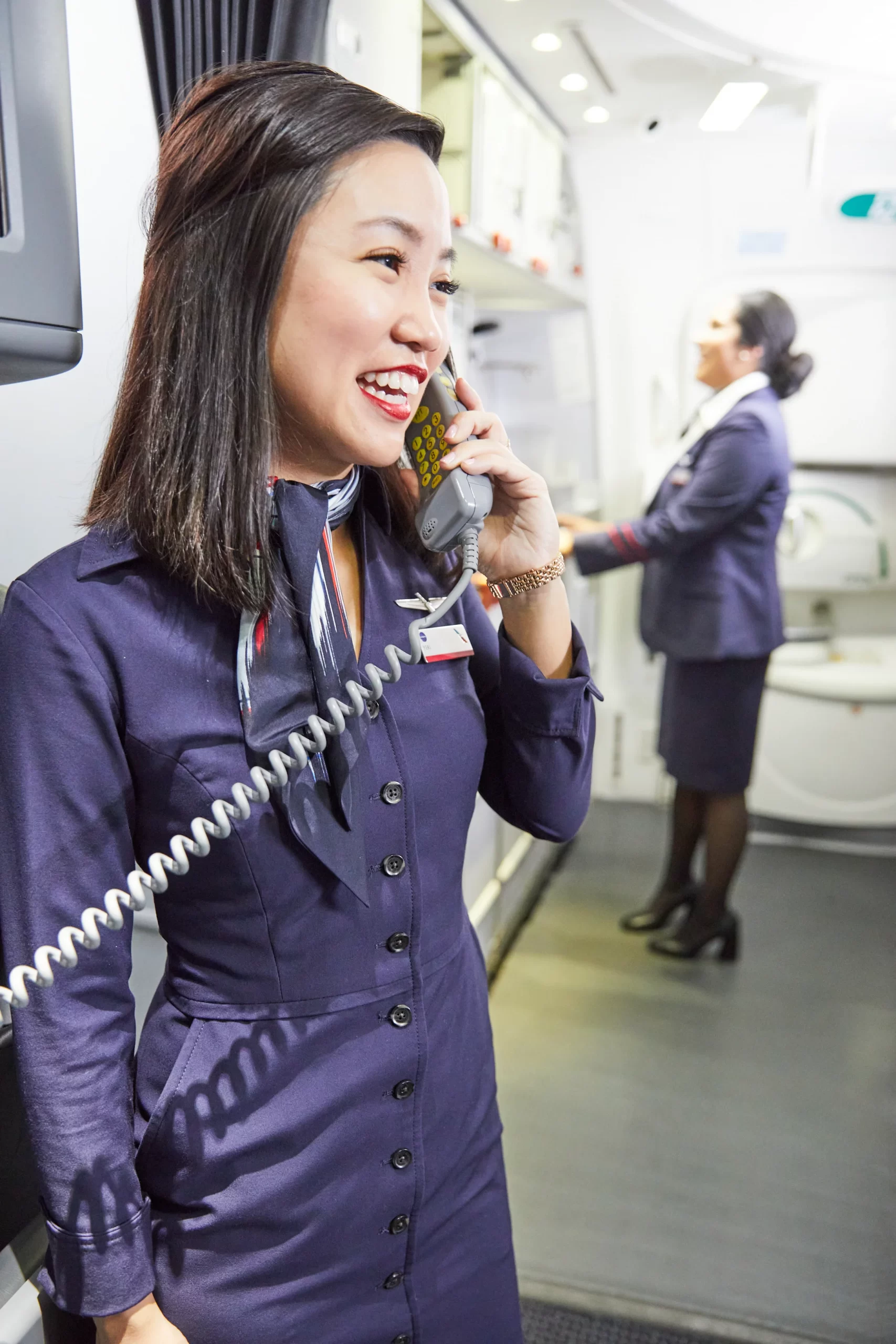
One of the clearest signs that cabin crew are coordinating a response is increased use of the aircraft’s interphone. The interphone system allows flight attendants throughout the cabin to communicate with one another and with the pilots. Passengers may notice crew members answering handsets, making short calls, or moving to another section of the aircraft after receiving a message.
Multiple notification chimes or illuminated communication panels may also attract attention. However, these signals should not immediately be interpreted as an emergency.
Throughout every flight, crew members use the interphone for routine tasks such as coordinating meal service, responding to passenger requests, discussing turbulence, relaying connecting-flight information, and handling operational procedures. That said, a noticeable increase in interphone activity can sometimes indicate that the crew is coordinating a response to a developing situation.
Cabin Crew Speaking More Frequently
Passengers may also notice flight attendants gathering briefly in galley areas or exchanging information more often than usual. While cabin crew naturally move throughout the aircraft during service, situations requiring additional attention often involve more frequent communication so that everyone understands their responsibilities.
For example, if a passenger becomes unwell, one flight attendant may provide assistance, another may contact the flight deck, and another may prepare medical equipment.
Despite the additional coordination, crew members are trained to remain calm and professional. Even when handling significant challenges, they avoid displaying visible panic, meaning many passengers never realise anything unusual is taking place.

Medical Incidents Are Usually Handled Quietly
Medical events are among the most common situations managed by flight attendants during commercial flights. Passengers may experience dizziness, dehydration, fainting, allergic reactions, or other health-related issues. In most cases, the crew assists the affected individual while minimising disruption to the rest of the cabin.
Travellers might notice a flight attendant remaining near one row for an extended period or retrieving medical equipment from onboard storage. Occasionally, an announcement requesting a doctor, nurse, or another medical professional onboard will be made. Even then, only the information necessary to obtain assistance is shared, allowing the affected passenger’s privacy to be respected.
Why Cabin Activity Sometimes Changes
Passengers occasionally notice that the normal pace of a flight changes. Meal service may pause, flight attendants may walk through the cabin more frequently, additional safety checks may be carried out, or communication with the cockpit may increase.
These changes can occur for several reasons. Unexpected turbulence, changing weather conditions, air traffic restrictions, and operational decisions all require additional coordination between the cabin crew and pilots. Although unusual activity often causes concern among travellers, it rarely indicates an emergency. Airlines remain in constant communication with ground operations throughout a flight, and adjustments are a routine part of daily operations.
Most of these situations are resolved without passengers ever knowing the details.
Why Flight Attendants Keep Communication Discreet
Maintaining a calm cabin is one of a flight attendant’s primary responsibilities. If every minor issue prompted urgent announcements or visible concern, anxiety could spread quickly throughout the aircraft, particularly among nervous flyers.
For that reason, cabin crew are trained to assess situations, communicate privately, and determine the appropriate response before making public announcements. Discretion also protects passenger privacy. When someone becomes ill during a flight, crew members aim to provide assistance without attracting unnecessary attention, an approach that forms an important part of cabin crew training.

What Happens If There’s a Mechanical Issue?
Technical concerns are among the situations passengers worry about most. However, flight attendants emphasise that airlines generally do not withhold information when a significant operational issue affects a flight.
Cabin crew receive updates from the pilots and prepare to relay accurate information to passengers as soon as it becomes available. The aviation industry operates under strict safety regulations, meaning transparency becomes essential whenever a technical issue affects aircraft operations.
Minor technical matters may be resolved without detailed announcements, but diversions, emergency procedures, or significant mechanical concerns are normally explained clearly and calmly by the flight crew.
Bottom Line
Flight attendants rely on discreet communication, professional teamwork, and established procedures to manage a wide range of situations without disrupting the cabin environment. More frequent interphone calls, additional crew coordination, or changes in cabin activity do not automatically signal an emergency. In most cases, they simply reflect routine operational communication or the handling of a minor issue such as a passenger illness.
If a serious event affects the flight, airlines provide passengers with the information and instructions they need. Until then, the best approach is to remain calm, follow the crew’s guidance, and trust the professionals responsible for keeping every flight safe.
FAQs
Do flight attendants use secret signals during flights?
Yes. Flight attendants use discreet communication methods, including interphones, gestures, and crew coordination procedures, to exchange information without unnecessarily alarming passengers.
Do multiple cabin chimes always mean something is wrong?
No. Cabin chimes serve many routine purposes, including communication between flight attendants and the flight deck. Hearing multiple chimes does not automatically indicate an emergency.
Will passengers be told if there is a serious problem with the aircraft?
Yes. If a situation has a significant impact on flight safety or operations, pilots and cabin crew will normally provide passengers with updates and any necessary instructions.