


Airline pilots rank among the highest-paid professionals in the world. According to the U.S. Bureau of Labor Statistics (BLS), the median annual wage for airline pilots, copilots, and flight engineers reached $226,600 in May 2024.
The aviation industry is navigating a structural pilot shortage that is pushing wages higher across the board. Industry estimates project the need for 649,000 to 674,000 new pilots between 2024 and 2043. Airlines are competing aggressively for qualified crew, and the result is salaries — at every rank — that are at record highs.
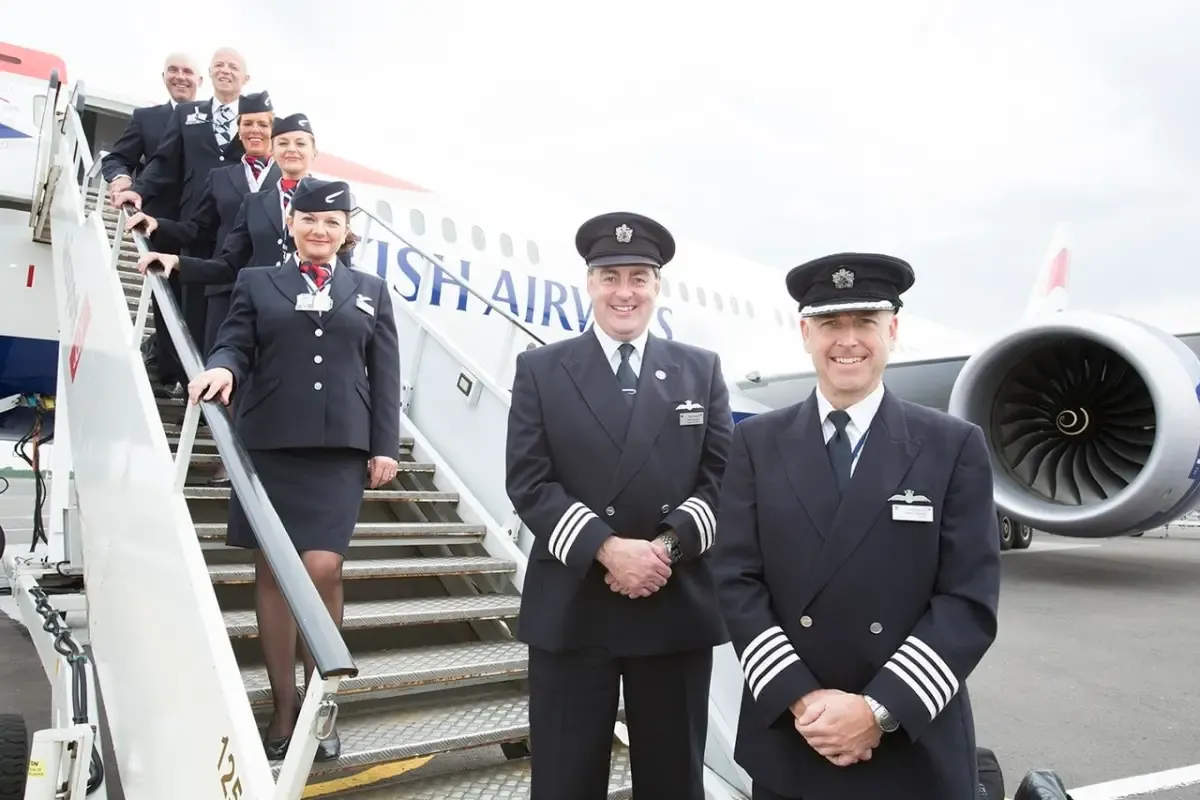
What Determines a Pilot’s Pay
Pilot pay is not a single flat salary. Most commercial pilots earn an hourly rate based on actual flight time, with pay built up from several components.
The key variables that determine total compensation are:
- Rank — Captains earn significantly more than First Officers, and First Officers earn more than Second Officers or cadet pilots.
- Seniority — Pay rises with years of service at the same airline, often doubling or tripling over a career.
- Aircraft type — Pilots flying wide-body jets on long-haul international routes are paid more than those on narrow-body short-haul aircraft.
- Airline type — Major legacy carriers pay more than regional or low-cost carriers.
- Geography — The United States remains the world’s highest-paying market, with the Middle East close behind on a tax-free basis.
- Additional allowances — Per diem, housing allowances, and profit-sharing can add tens of thousands of dollars annually to base pay.
ATP Flight School notes that pilot salary ranges from approximately $85,000 per year for first-year regional pilots to $450,000 per year for senior captains at major airlines.

How Much Do Pilots Earn in the United States?
The United States is the world’s most lucrative market for commercial airline pilots. The BLS confirms the median annual wage for airline pilots was $226,600 in May 2024, with the lowest 10 percent earning less than $98,560 and the highest 10 percent earning more than $239,200. Commercial pilots earned a median of $122,670 in May 2024.
The pay gap between entry-level and senior pilots is striking. In our analysis of pilot training and career paths, we mentioned that the BLS certificates required to occupy the first officer seat are the same regardless of whether one trained through a flight school or a university.
Flying Magazine reported in February 2025 that captains at Delta Air Lines (DL), United Airlines (UA), and American Airlines (AA) can make upward of $500,000 annually. This figure includes base pay, bonuses, profit-sharing, and per diem allowances.

The U.S. “Big Three”: American, Delta, And United
The three largest U.S. carriers — American Airlines (AA), Delta Air Lines (DL), and United Airlines (UA) — set the benchmark for global pilot pay.
American Airlines (AA):
According to contract data published by Business Insider and confirmed by the Allied Pilots Association, pay for American Airlines pilots in 2024 is as follows:
- First-year First Officer: approximately $116 per flight hour on any aircraft type
- 12-year wide-body First Officer: approximately $305 per flight hour
- First-year Captain on narrow-bodies: approximately $331–$340 per flight hour
- 12-year wide-body Captain: approximately $447 per flight hour
A first-year Captain flying 80 hours per month on narrow-bodies earns roughly $318,000 annually. A 12-year wide-body Captain at that schedule earns approximately $430,000 annually.
Delta Air Lines (DL):
Aviation A2Z reports that in 2025, a first-year First Officer at Delta earns an entry hourly base rate of approximately $118.31 per hour, translating to roughly $106,000 per year based on a 75-hour monthly minimum guarantee. With seniority and wide-body transitions, First Officers can reach hourly rates of around $246.70 per hour — roughly $222,000 annually before allowances.
According to Indeed data cited by Wayman College, Delta Captains can expect a starting salary of approximately $283,268, with experienced captains earning up to $472,541.
United Airlines (UA):
United’s pay scales mirror those of Delta and American at the senior levels. Simple Flying confirmed that at a major airline such as Delta or United, a First Officer’s salary ranges from $120,000 to $160,000, while a Captain at those airlines regularly surpasses $200,000.
What First Officers and Captains Earn
The rank difference in pay is one of the most significant financial considerations for any pilot career plan.
First Officers (Co-pilots):
New First Officers at regional U.S. airlines earn between $55,000 and $80,000 annually. However, at major airlines, this figure rises into the six figures — $120,000 to $160,000 — reflecting the combination of union contracts and competition for qualified pilots.
US Flight Co notes that thanks to new union contracts and aggressive airline hiring, First Officer pay in 2025 is higher than ever. New hires at major airlines now often start above $100,000 per year.
Captains:
Captains earn substantially more than First Officers, with the gap widening further at wide-body operators. Major US airline captains earn $300,000 to $450,000 per year, while captains at regional airlines earn between $85,000 and $120,000.
Zino Aviation reports that some U.S. carriers are now offering upward of $500,000 annually for senior captains on wide-body aircraft. The firm notes that 2023 and 2024 saw record-breaking pilot salaries across the globe.
The Path from First Officer to Captain:
According to the BLS, airline pilots usually begin their careers as First Officers and receive wage increases as they accumulate experience and seniority. The promotion timeline varies by airline — faster at low-cost carriers (as short as 3.5 to 5 years), and 10 to 15 years or more at legacy carriers with strict seniority systems.
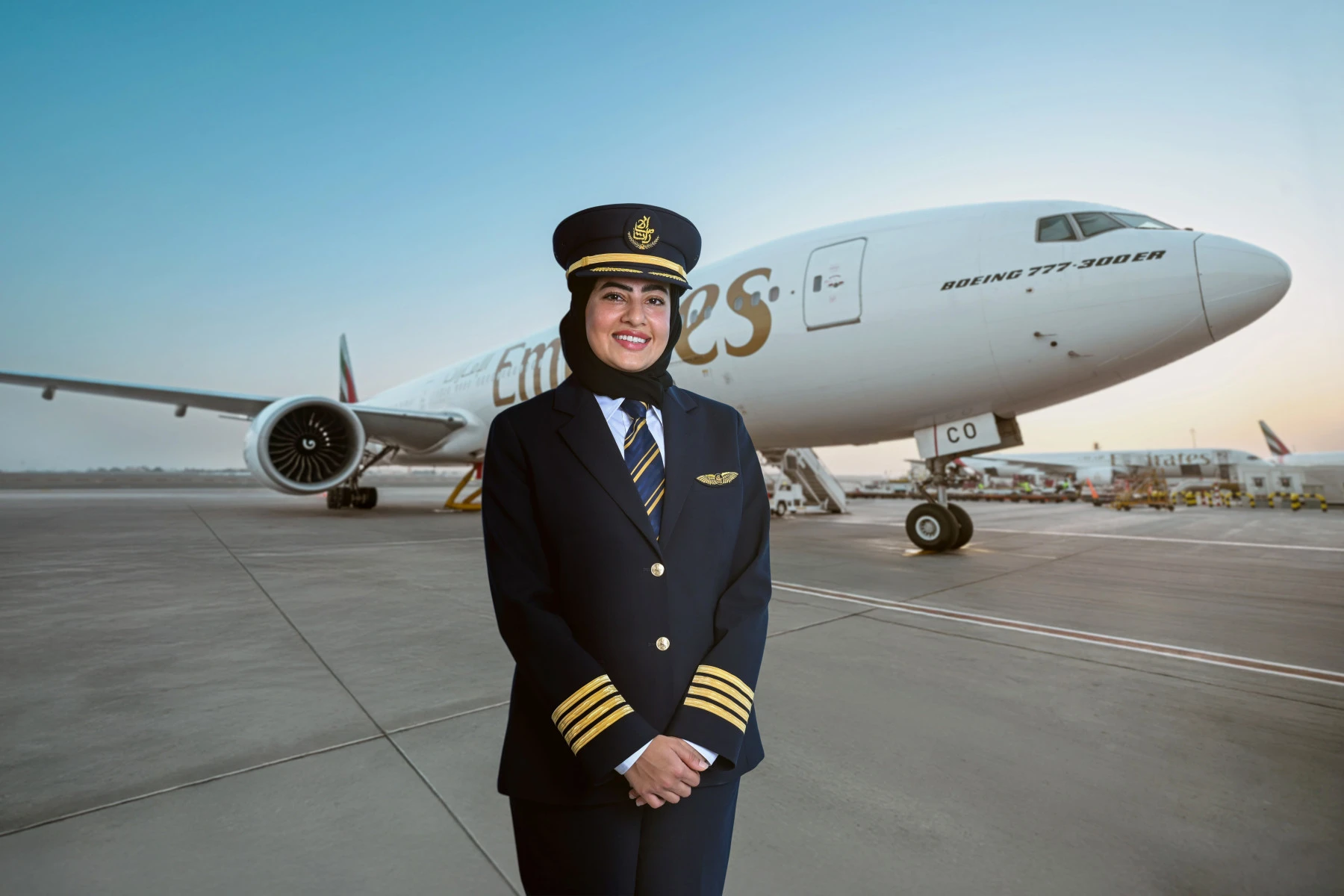
Middle East Pilot Salaries
The Middle East is home to two of the most financially attractive pilot packages on the planet. Both Emirates (EK) and Qatar Airways (QR) offer tax-free salaries, housing allowances, and generous benefits that make total compensation globally competitive.
Emirates (EK):
Emirates pilots are based exclusively in Dubai. Aero World reports that the airline offers a unified pay scale based on aircraft size, seniority, and rank — not nationality or route. Total monthly earnings can reach as high as AED 69,500 (approximately $18,750 USD), with annual packages ranging from AED 610,000 to AED 835,000 (approximately $166,000 to $227,000 USD).
A captain flying wide-body aircraft such as the Airbus A380 or A350 may receive annual compensation of approximately AED 835,000 (around $225,000) or more — and that figure does not include housing allowances, education benefits, or profit-sharing.
Critically, Emirates salaries are completely tax-free. After a qualifying period, the airline also pays up to 15% of the pilot’s basic salary into a provident fund. Emirates also expanded its Direct Entry Captain (DEC) program in 2025 to cover both the A380 fleet and the newly introduced A350-900, and DECs are the highest-paid pilots in the Emirates network, with annual earnings exceeding AED 825,000.
In January 2025, Business Insider reported that Emirates offers starting pay of $7,000 per month for incoming pilots — a figure that rises substantially as seniority and hours accumulate.
Qatar Airways (QR):
Aviation A2Z’s November 2024 data shows Qatar Airways pilots can expect to earn between $70,000 and $250,000 a year, depending on rank and experience. Captains earn between $150,000 and $250,000 annually, while First Officers typically earn between $70,000 and $120,000.
Senior captains on long-haul routes breach the $200,000 mark regularly. Pilots on the airline’s flagship aircraft — the Airbus A350 and Boeing 777 — fly to more long-haul and ultra-long-haul destinations than any other aircraft type, and the corresponding pay reflects that complexity. Qatar Airways pilots are also entitled to 42 paid leave days per year, along with scheduling flexibility and the ability to request preferred destinations.
Qatar Airways’ tax-free salaries can reach up to $300,000 annually for the most senior captains on long-haul routes.
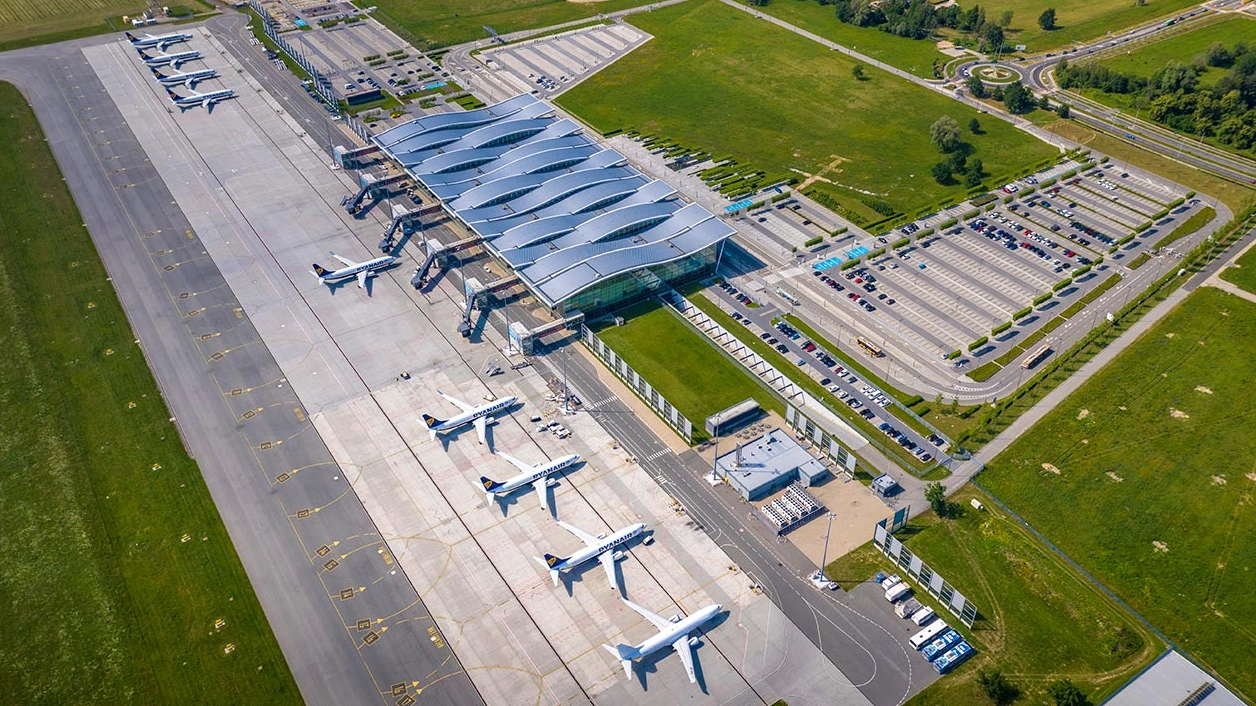
The Legacy Versus Low-Cost Divide
Europe presents the sharpest internal disparities in pilot pay of any major aviation region. The gap between legacy carrier captains and entry-level first officers at budget airlines is vast — and geography compounds the difference further.
Legacy Carriers:
Long-haul captains at major European carriers earn competitively with their U.S. counterparts. Long-haul captain at Lufthansa (LH), Air France (AF), or British Airways (BA) earns between €200,000 and €270,000 per year. Training captains and check airmen at Lufthansa on wide-body flagship aircraft can reach median pay of €342,072, according to 2026 salary data compiled by Airmappr.
Low-Cost Carriers:
Budget carriers like Ryanair (FR), easyJet (U2), and Wizz Air (W6) have increased pay significantly in response to the pilot shortage. These carriers now advertise First Officer positions earning up to €80,000 annually, with short-haul Captains reaching €150,000. High-productivity bonuses can add another €10,000 to €25,000 annually on top.
Entry-Level Pay:
Entry-level First Officers at budget airlines in Eastern Europe earn as little as €32,000 to €50,000 per year. In Switzerland, by contrast, First Officers average over €100,000. The overall average gross salary across Europe is approximately €80,000 to €90,000 per year, masking vast national differences.
The US-Europe Pay Gap:
The U.S. median for airline pilots now exceeds $219,000, with major airline captains regularly earning $300,000+. In Europe, the average sits at around €80,822. The pay gap exists but narrows considerably when comparing legacy carrier senior captains on both sides of the Atlantic.
The Pilot Shortage and Its Effect on Salaries
The global pilot shortage is the single most important structural force behind rising salaries. Airline Ratings reports that new estimates project the need for 649,000 to 674,000 pilots between 2024 and 2043 — significantly higher than previous forecasts.
Boeing’s Pilot and Technician Outlook estimates that North America alone will require 127,000 new pilots by 2042. On average, each aircraft in an airline fleet requires 12 full-time pilots on staff. Airlines globally are placing orders for hundreds of aircraft to meet travel demand — and every new plane needs a full crew.
The shortage is being driven by three overlapping factors:
- Retirements — The mandatory retirement age for commercial pilots is 65. The National Air Carrier Association estimates that over 16,000 pilots will retire within the next five years.
- Pandemic disruptions — COVID-19 triggered mass retirements, layoffs, and furloughs. When demand rebounded faster than expected, airlines were severely short of qualified crew.
- Fleet expansion — New airlines in Asia and the Middle East are aggressively entering the market, offering above-market salaries to attract talent, which creates upward wage pressure globally.
Ther are projection of a global pilot shortage of 50,000 pilots as of 2025, with the supply-demand imbalance expected to last until 2027 and beyond.
The BLS projects approximately 18,200 annual openings for airline and commercial pilots through 2034. Overall employment growth for the sector is projected at 4 percent from 2024 to 2034.

What Pilots Earn Beyond Base Pay
Base salary is only part of what pilots earn. A number of additional compensation elements can significantly increase total annual income.
- Per diem allowances — Most airline pilots receive per diem of $1.50 to $2.50 per hour while away from base, which can add $15,000 to $30,000 annually.
- International route bonuses — Pilots on international long-haul routes receive additional pay for the complexity of those operations.
- Profit-sharing — Major U.S. carriers distribute significant profit-sharing payments. Delta, in particular, is known for industry-leading profit-sharing distributions.
- Housing and education allowances — Middle East carriers such as Emirates and Qatar Airways offer substantial housing allowances and education benefits for pilots with families.
- Retirement contributions — Emirates pays up to 15% of basic salary into a provident fund after a qualifying period. U.S. carriers typically offer 401(k) matching and defined contribution pension plans.
- Health and life insurance — Comprehensive health, dental, and life insurance is standard at major carriers, including American Airlines, which extends these benefits to both First Officers and Captains.
- Travel benefits — Free or heavily discounted travel for pilots and their families is a near-universal perk at commercial airlines.
Sign-on bonuses and tuition reimbursement have also become common at regional airlines as they compete for qualified candidates.


Leave a Reply