


The most common question from aspiring pilots is whether pilot training is a degree course. The answer is no. Pilot training is a licence-based programme, not a university degree. It leads to FAA certificates, not academic qualifications. The FAA does not require a college degree for any pilot licence, from the Private Pilot Licence (PPL) to the Airline Transport Pilot (ATP) certificate.
A candidate can earn a PPL, Commercial Pilot Certificate (CPL), and ATP certificate with nothing more than a high school diploma or GED. Today, the question is not whether aviation authorities require a degree. The real question is whether airlines prefer one.
In recent years, many airlines have placed greater importance on licences and flight experience than on academic qualifications, driven by a pilot shortage that the 2025 Boeing Pilot and Technician Outlook forecasts will require 660,000 new qualified pilots globally by 2044.
Overall employment of airline and commercial pilots is projected to grow 4 percent from 2024 to 2034, with approximately 18,200 openings per year on average over the decade — a demand trajectory that has made the question of whether to invest years in a university degree programme, or invest that time building flight hours toward airline hiring minimums, one of the most consequential career decisions in aviation.
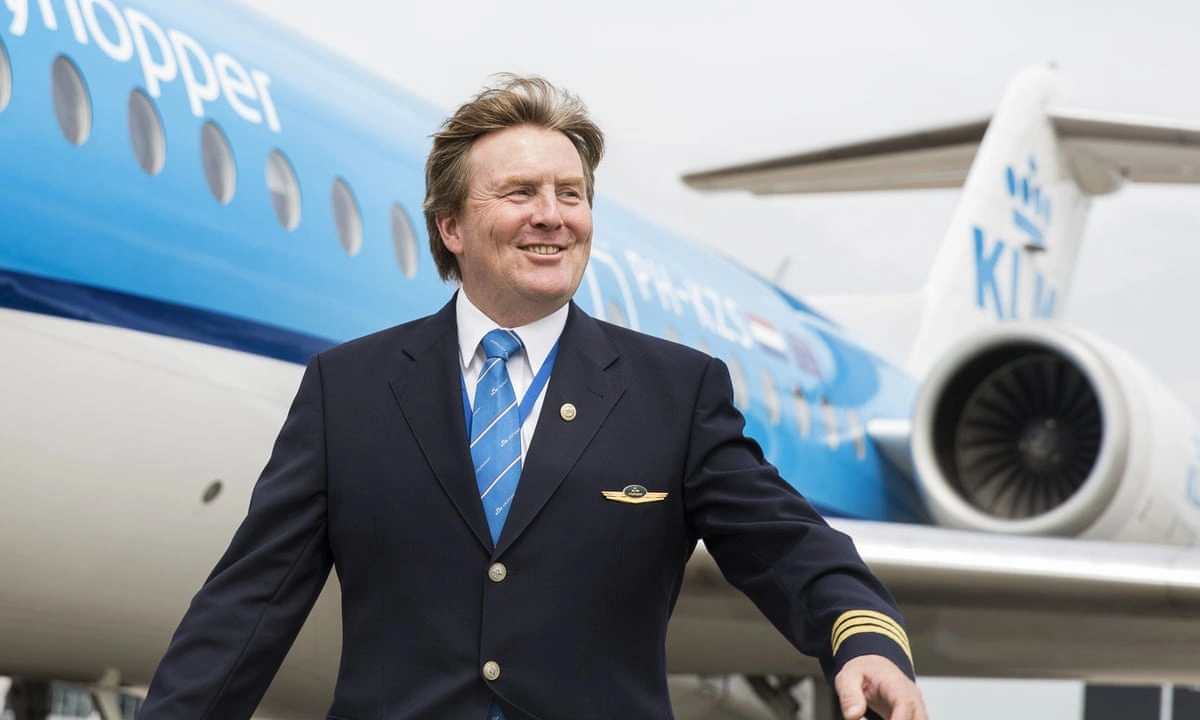
Pilot Certificates Vs Degrees the Career Defining Choice in Modern Aviation In 2026
The difference between a pilot certificate and a college degree is important. A pilot certificate gives you the legal authority to fly, while a degree is an academic qualification that may help with career opportunities.
A degree from an accredited university, however prestigious and however relevant to aviation, does not grant you the legal right to carry passengers for compensation; only an FAA-issued Commercial Pilot Certificate does.
A four-year aviation degree programme at a AABI-accredited institution typically costs USD 100,000 to USD 200,000 in tuition and fees — compared to USD 74,495 for US Aviation Academy’s all-in nine-month accelerated CPL programme — yet both graduates begin their post-training careers at the same entry-level first officer position at a regional airline, subject to the same 1,500-hour ATP minimum.
US Aviation Academy confirmed that Delta Air Lines officially dropped its degree requirement in 2022, American Airlines and United Airlines both note a bachelor’s degree as “preferred” rather than required in their 2025 and 2026 job postings, and FedEx Express remains the only major U.S. carrier that still mandates a four-year degree as a hard requirement. The regional airline sector universally requires only a high school diploma or GED.
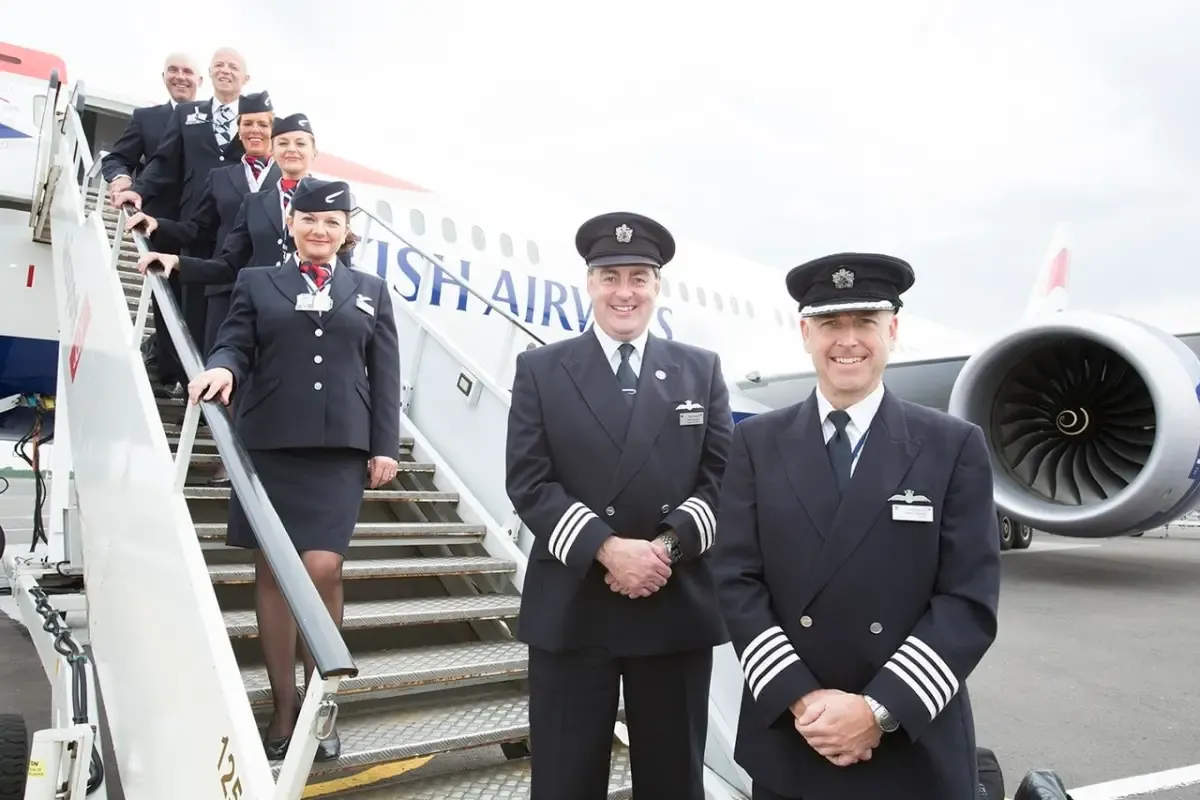
The Ultimate Pilot Training Journey
In the United States, pilots earn certificates in a step-by-step process regulated by the FAA. Each certificate requires additional training, flight experience, and examinations, with Pelican Flight School’s August 2025 comprehensive pilot certification guide confirming the following:
- Student Pilot Certificate (issued at age 16 for single-engine)
- Private Pilot Licence (minimum age 17, minimum 40 hours including 20 dual and 10 solo)
- Instrument Rating (minimum 50 hours cross-country, 40 hours actual or simulated instrument),
- Commercial Pilot Certificate (minimum 250 total hours, second-class medical, written and practical tests),
- Certified Flight Instructor (CFI) certificate
- ATP certificate (minimum 1,500 total hours under the standard pathway, or as low as 1,000 hours under the Restricted-ATP for graduates of aviation degree programmes with specific curriculum requirements).
The 1,500-hour ATP minimum — enacted by Congress in the FAA Modernization and Reform Act of 2012 following the February 2009 Colgan Air crash near Buffalo that killed 50 people — is the most consequential single regulation in the pilot career pipeline.
The hiring trend analysis carried out by ATP Flight School confirmed that its Airline Career Pilot Programme prepares pilots from zero experience to the ATP minimum through a structured path of private training, instrument rating, commercial certificate, CFI issuance, and hour-building as a paid instructor. In favourable conditions, this takes approximately 24 to 36 months.
ATP Flight School’s, on the other hand, posit that regional airlines “are mostly concerned with a pilot having their 1,500 hours, having a good track record with the FAA, a good driving record, no criminal history, and the pilot being a cultural fit.”

When Does an Aviation Degree Actually Reduce Flight Hours For R-ATP
One of the biggest benefits of an aviation degree is eligibility for a Restricted ATP (R-ATP). This allows some pilots to qualify for airline jobs with 1,000 flight hours instead of the standard 1,500. Under the FAA’s 14 CFR 61.160, a pilot who has completed a four-year aviation degree at an AABI-accredited institution may qualify for an R-ATP at 1,000 hours — a 500-hour reduction that, at the pace a CFI accumulates experience, saves approximately six months of career progression.
Experts say that if a prospective student is young, certain about aviation, and can manage the cost, they can look for an aviation degree with R-ATP benefits. But for someone who is changing his/her career, is cost-conscious, or want flexibility, an accelerated flight school path works equally well.
The R-ATP pathway does not benefit candidates who are already in their late 20s or older when they begin training — because the four years spent earning the degree costs more calendar time than the six months saved by the reduced hour requirement.
A May 2026 guide from 2FLY Airborne reports that students at flight schools focused specifically on professional pilot training typically complete their initial certifications within 12 to 18 months. This relatively short training timeline makes the choice between a traditional degree and a dedicated flight school particularly important for aspiring pilots concerned about entering the industry at an earlier age.
For a 17-year-old student with three years before they would naturally begin training at 20, an aviation university programme delivering an R-ATP at 22 with 1,000 hours produces the same outcome as a flight school path delivering 1,500 hours at 22 — but at significantly higher cost.

Leave a Reply