
The Federal Aviation Administration (FAA) has proposed a $304,272 civil penalty against Southwest Airlines (WN), alleging systemic non-compliance with federally mandated drug and alcohol testing protocols for safety-sensitive employees. The enforcement action, announced on April 3, 2026, stems from violations occurring between August 2021 and July 2024, primarily in the United States.
According to the FAA, the Dallas-based carrier failed to conduct required follow-up testing for 11 employees—including pilots, flight attendants, and maintenance personnel—who had previously tested positive for controlled substances.
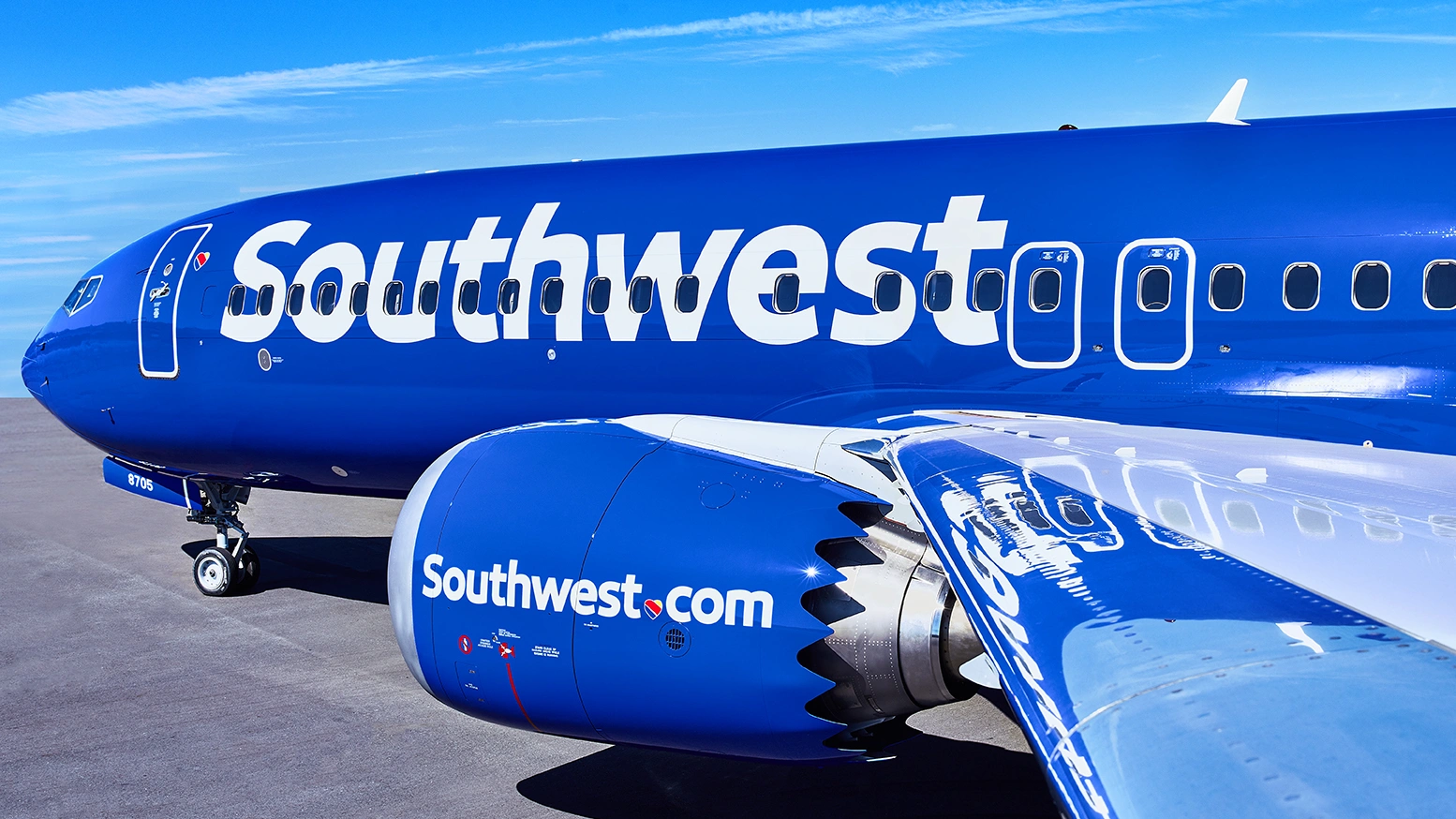
Southwest Airlines (WN): Carrier Overview
| Attribute | Details |
|---|---|
| Airline Name | Southwest Airlines Co. |
| IATA Code | WN |
| Headquarters | Dallas, Texas, United States |
| Founded | 1967 |
| Fleet Size | ~800+ aircraft |
| Business Model | Low-cost carrier |
| Primary Operations | Domestic U.S. network with select international routes |
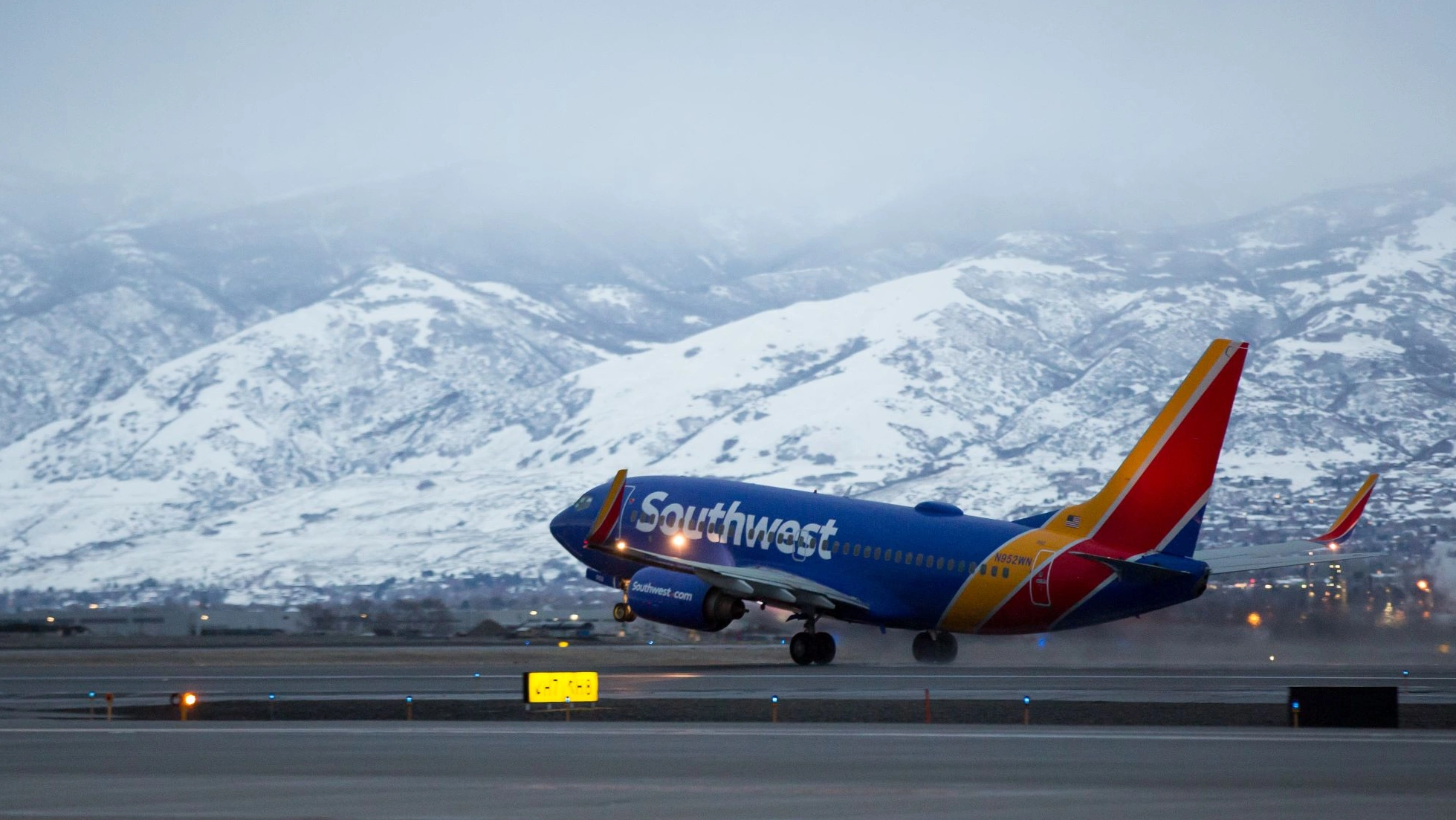
FAA penalty against Southwest Airlines explained
The FAA’s enforcement notice outlines a structured compliance failure involving post-rehabilitation monitoring protocols. These protocols are mandatory under U.S. aviation safety regulations and are designed to ensure that employees returning from substance violations remain fit for duty.
Notably, the agency has granted Southwest Airlines- the airline with the fourth largest fleet in 2026-, 30 days to respond to the enforcement letter, after which it will determine whether to finalize or modify the proposed penalty.
FAA drug and alcohol testing regulations in aviation
The regulatory framework governing aviation workforce sobriety is among the most stringent in any transport sector. It derives authority from the Omnibus Transportation Employees Testing Act of 1991 and subsequent FAA and DOT rules.
Under these regulations:
- Employees who test positive must undergo evaluation by a Substance Abuse Professional (SAP)
- A return-to-duty test must be successfully completed
- Follow-up testing must include at least six tests in the first 12 months
- Monitoring can extend up to 60 months post-reinstatement
The FAA’s allegations against Southwest highlight a critical breakdown in procedural enforcement rather than a singular operational error. Aviation safety relies heavily drug and alcohol testing, as these pillars represents a foundational safeguard.
Allowing previously non-compliant employees to operate without follow-up testing introduces latent risk into the system.
Previous FAA enforcement actions for similar violations
The FAA has consistently pursued enforcement actions against carriers and operators failing to meet drug and alcohol testing requirements, a recent one was that of Avelo, which according to the FAA:
“..failed to include 10 flight attendants and flight crewmembers in its required random drug and alcohol testing pool. During various periods between April 2024 and November 2024, the employees performed safety-sensitive functions when Avelo did not subject them to the required testing. “
The following table gives us a clue about previous violations like the ones seen with Southwest recently.
| Airline / Operator | Penalty | Year | Nature of Violation |
|---|---|---|---|
| Southwest Airlines (WN) | $304,272 | 2026 | Failure to conduct follow-up testing for 11 employees |
| Avelo Airlines | $65,000 | 2026 | Employees excluded from random testing pool |
| Spring City Jet | $56,000 | 2026 | Failure to ensure testing compliance for safety-sensitive staff |
| Delta Air Lines | $156,000 | 2020 | Failure to obtain records and conduct required follow-up tests |
| Western Global Airlines | $95,000 | 2020 | Incomplete follow-up testing after substance violation |

All in All
The FAA’s proposed $304,272 penalty against Southwest Airlines (WN) represents a significant compliance warning rather than merely a financial sanction.
By allegedly failing to enforce mandatory follow-up testing protocols, the airline exposed a critical vulnerability in its safety oversight mechanisms. As regulators continue to tighten enforcement, airlines must demonstrate uncompromising adherence to safety mandates to preserve both operational integrity and public confidence.