
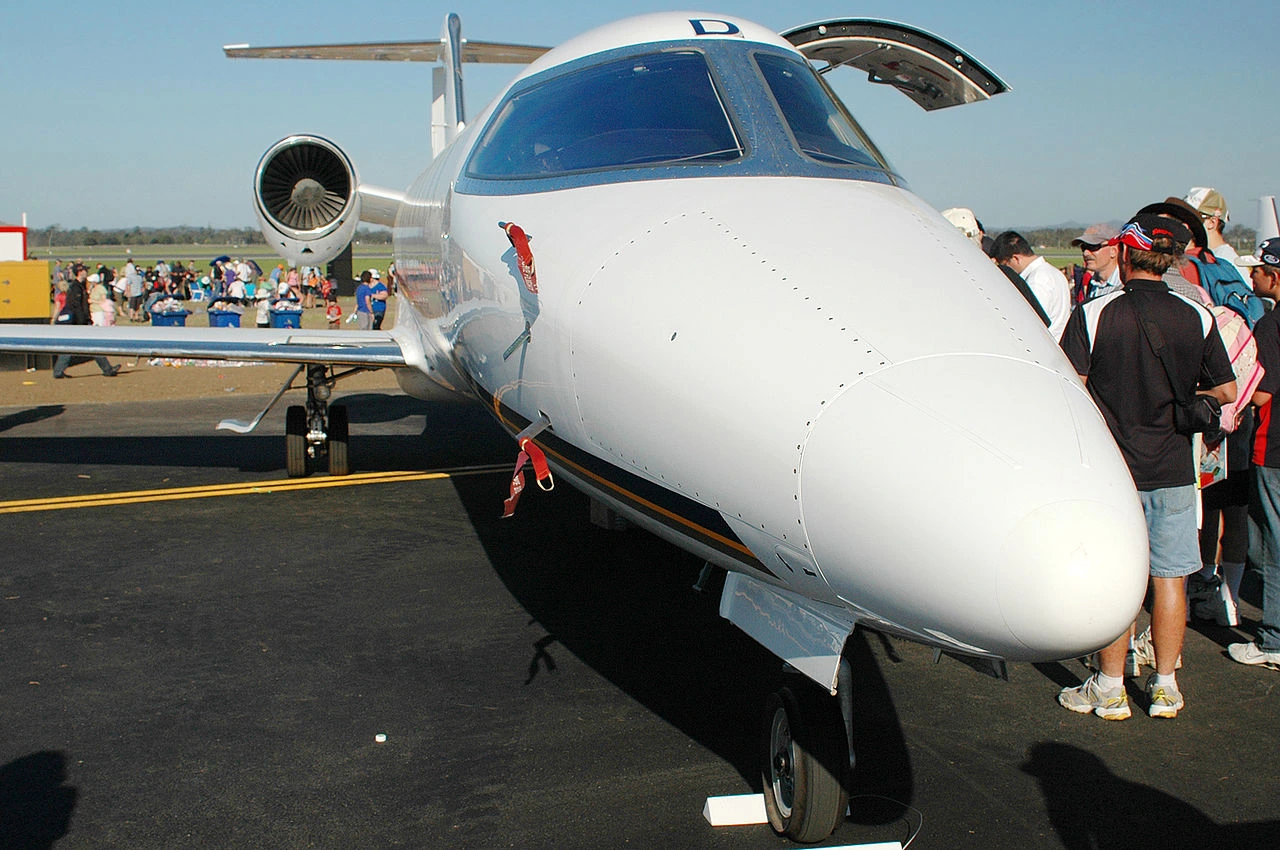
Singapore Airlines’ wholly owned flight school, Singapore Flying College (SFC), has officially opened its new pilot training facility at Tamworth Regional Airport (TMW) in New South Wales, Australia. The launch marks a major expansion of the airline’s global pilot training network as the industry works to meet rising demand for airline pilots amid post‑pandemic travel growth.
The official opening was attended by New South Wales Premier Chris Minns and Singapore Airlines senior leadership, underscoring strong government and industry support for aviation training investment in regional Australia.
.jpg)
Singapore Airlines Expands Global Training
The Tamworth facility is an extension of Singapore Flying College’s established training operations in Australia, complementing its long‑standing base at Jandakot in Western Australia.
Singapore Flying College has operated pilot training in Australia since the early 1990s and remains responsible for developing cadet pilots bound for Singapore Airlines and its affiliate carriers.
Officials have outlined a phased growth plan for the new Tamworth campus, with training capacity projected to increase over the next five years to support a larger intake of cadets.
Prior to the formal opening, the first cohort of Singapore Airlines cadets began flight training at Tamworth in April 2025, and the school has reported dozens of cadets progressing through various stages of instruction.
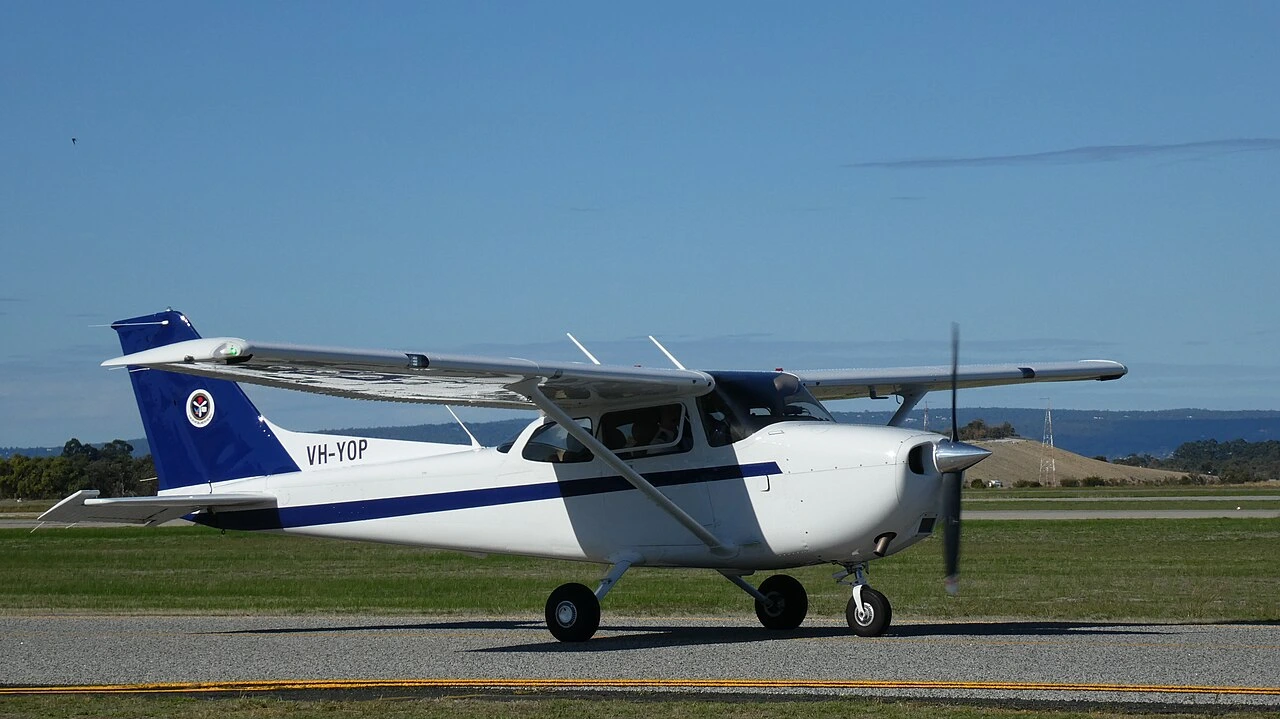
Training Environment and Resources at Singapore’s Flying School in Tamworth
The Tamworth pilot training school operates under the International Flight Training Tamworth (IFTT) facilities, which provide a dedicated environment for ab‑initio pilot instruction.
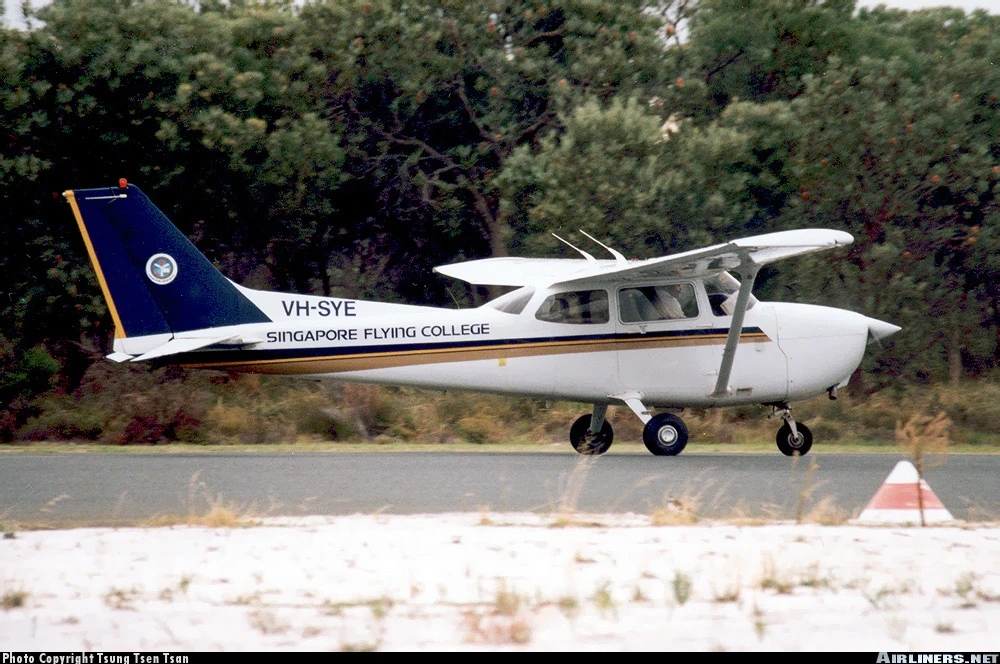
SFC has equipped the new campus with multiple Cessna 172 aircraft and at least one flight simulator, platforms commonly used for foundational flight training due to their reliability and suitability for early cadet development.
Beyond aircraft and simulators, the facility features upgraded accommodation and instructional spaces to support an immersive training experience.
Tamworth Regional Airport’s infrastructure is suited to continuous flight training, with 24/7 air traffic control services and an Instrument Landing System (ILS) on its main runway that allow cadets to train in varied weather conditions.
Tamworth’s Regional Advantage and Local Support
Local authorities have welcomed the investment as a boost to regional development, with officials noting the potential for job creation and long‑term economic benefits tied to aviation training.
According to More Online News, Tamworth’s location offers favorable weather for flying, reportedly delivering more than 300 flyable days per year, which allows cadets to build flight hours efficiently compared with more congested or weather‑variable environments.
The presence of an international flight training institution also supports broader efforts to position regional NSW as a hub for advanced aviation education and professional workforce development.

https://commons.wikimedia.org/wiki/File:Singapore_Airlines_A380-841_(9V-SKA)_taking_off_from_London_Heathrow_Airport_(2).jpg
Industry and Pilot Demand Context
The expansion follows a period of resurgence in global air travel and an associated push by airlines to strengthen pilot pipelines. Industry analysts have noted that carriers around the world are investing in training infrastructure to address pilot shortages and prepare for projected future demand.
Singapore Flying College’s new facility in Tamworth reflects this broader trend, offering additional capacity to train pilots who may later serve across Singapore Airlines’ wide network.
As the aviation sector continues to grow, training investments such as this aim to ensure a steady flow of qualified pilots entering commercial airline operations.