Netherlands has formally transferred 18 F‑16 Fighting Falcon fighter jets that weer a part of The Royal Netherlands Air Force (RNLAF) to the Romanian Air Force for the symbolic price of €1. The deal, signed on 3 November 2025, sees the jets – previously stationed at the European F‑16 Training Center (EFTC) in Fetești Air Base – become the property of Romania’s Ministry of Defence, for an extraordinarily cheap price.
However, the price of EUR 1 was a symbolic gesture and excluded VAT. Romania will pay EUR 21 million in VAT, reported Romania Insider, and said that this price was calculated “against the declared value of EUR 100 million for the aircraft and support package“.
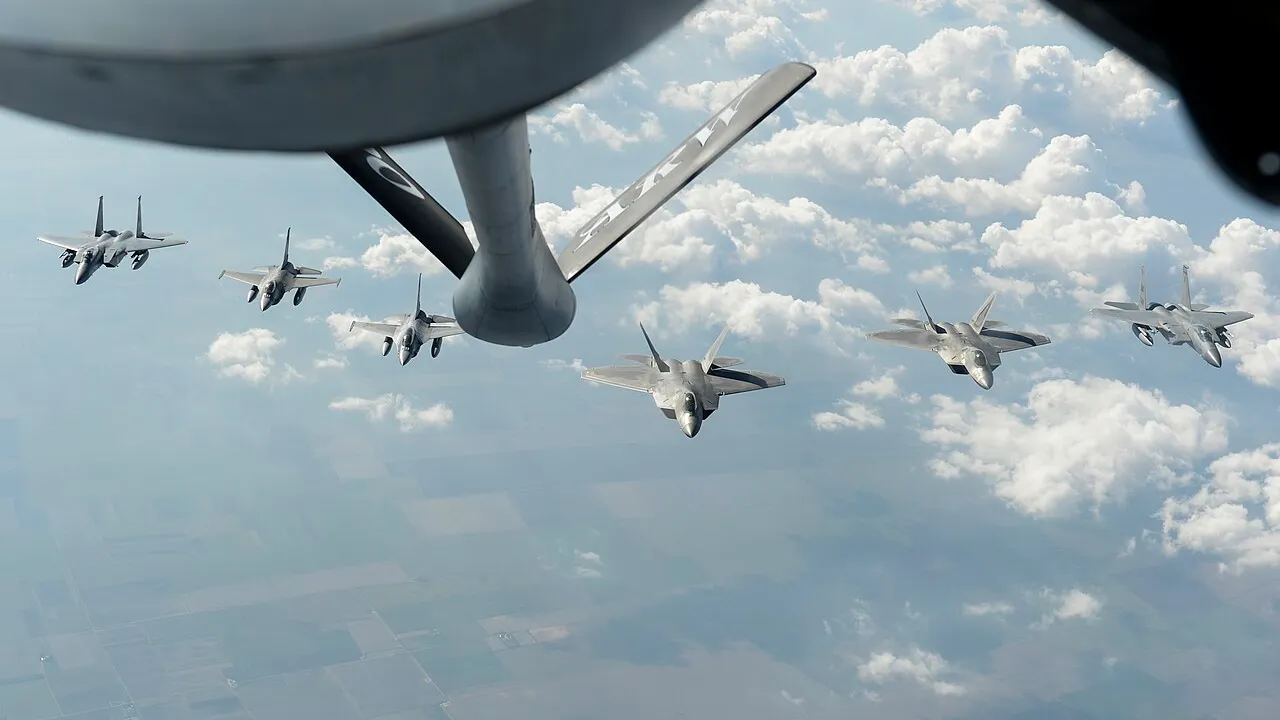
The what, who, where and when of the F-16s that Romania purchased for €1
On 25–26 June 2025 at the NATO Summit The Hague in The Hague, the Netherlands and Romania announced that 18 F-16s would be transferred for a symbolic €1, stating that the F-16s would be used exclusively for pilot training at Romania’s F-16 training and instruction center.
Since 2023, five F-16 aircraft have been based at Fetești Air Base as part of Romania’s European F-16 Training Center. The facility trains Romanian, Ukrainian and other allied pilots, and Romanian Defense Minister Angel Tîlvăr said its continued operation reinforces Romania’s role in NATO’s collective defense while supporting the country’s international commitments.
The center also provides training opportunities for Ukrainian pilots, allowing Romania to contribute to Ukraine’s efforts to strengthen its defense capabilities. The Netherlands’ transfer of additional F-16s is part of its broader transition from the F-16 to the F-35 and its continued support for NATO’s eastern flank.
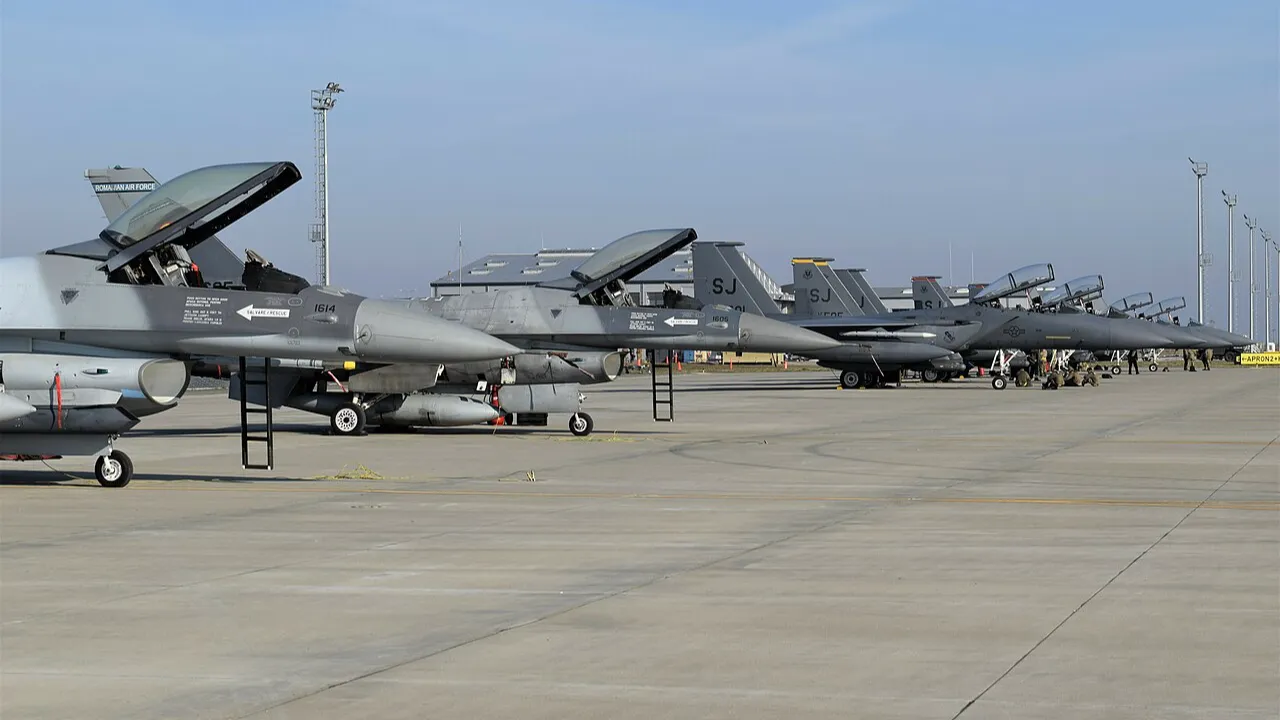
Photo: Capt. Andrew Layton USAF
Why the Netherlands was willing to transfer for €1
For Netherlands, several strategic considerations underpin the deal.
Netherlands transitioning its fleet from the F-16s
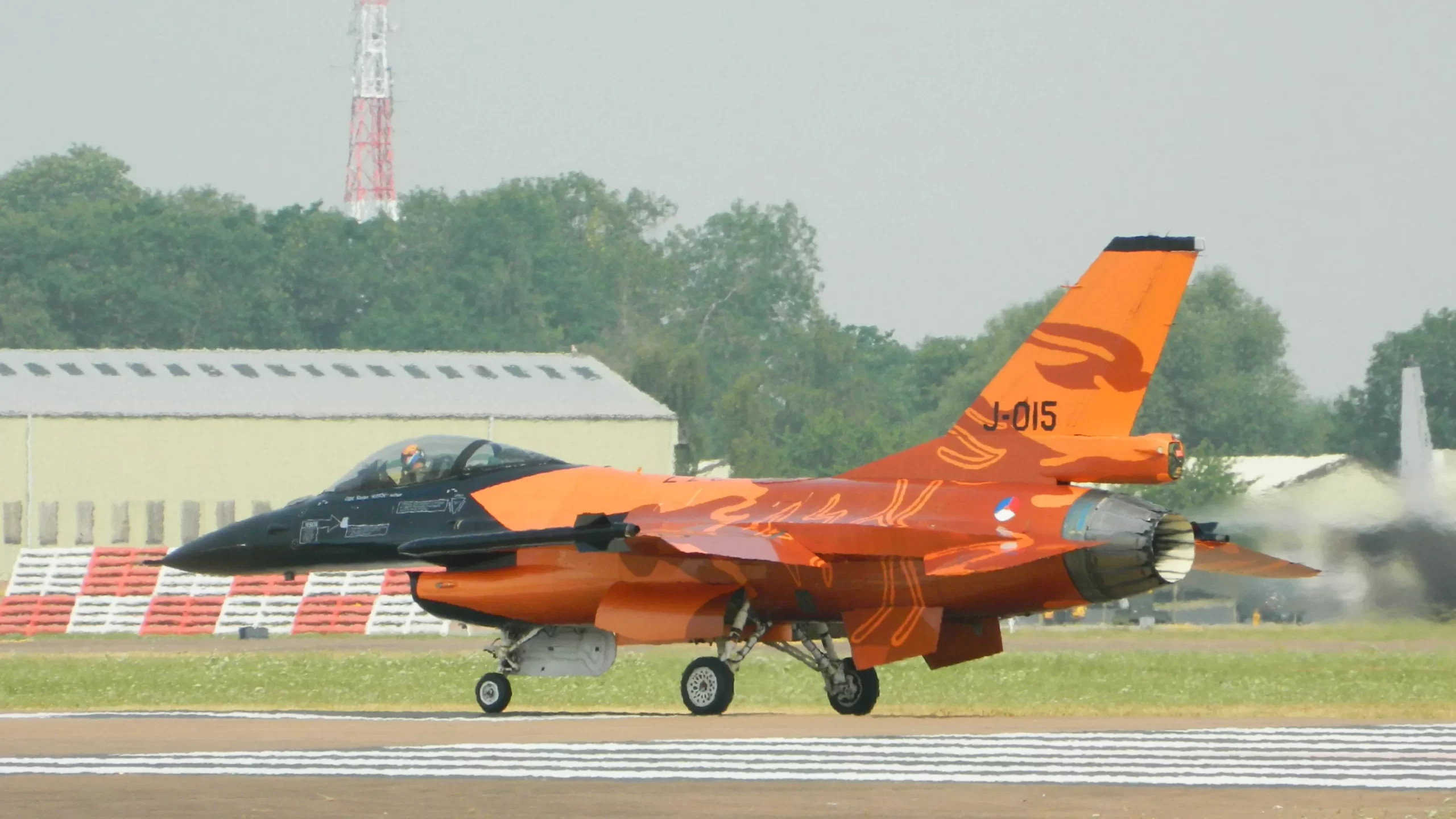
The Royal Netherlands Air Force (Koninklijke Luchtmacht) was among the pioneering European operators of the F-16 Fighting Falcon, joining Belgium, Denmark, and Norway to form the European Participating Air Forces (EPAF). The first Dutch F-16s entered service in 1979, marking the start of a 45-year operational journey that ended in September 2024, when the Netherlands formally retired its fleet.
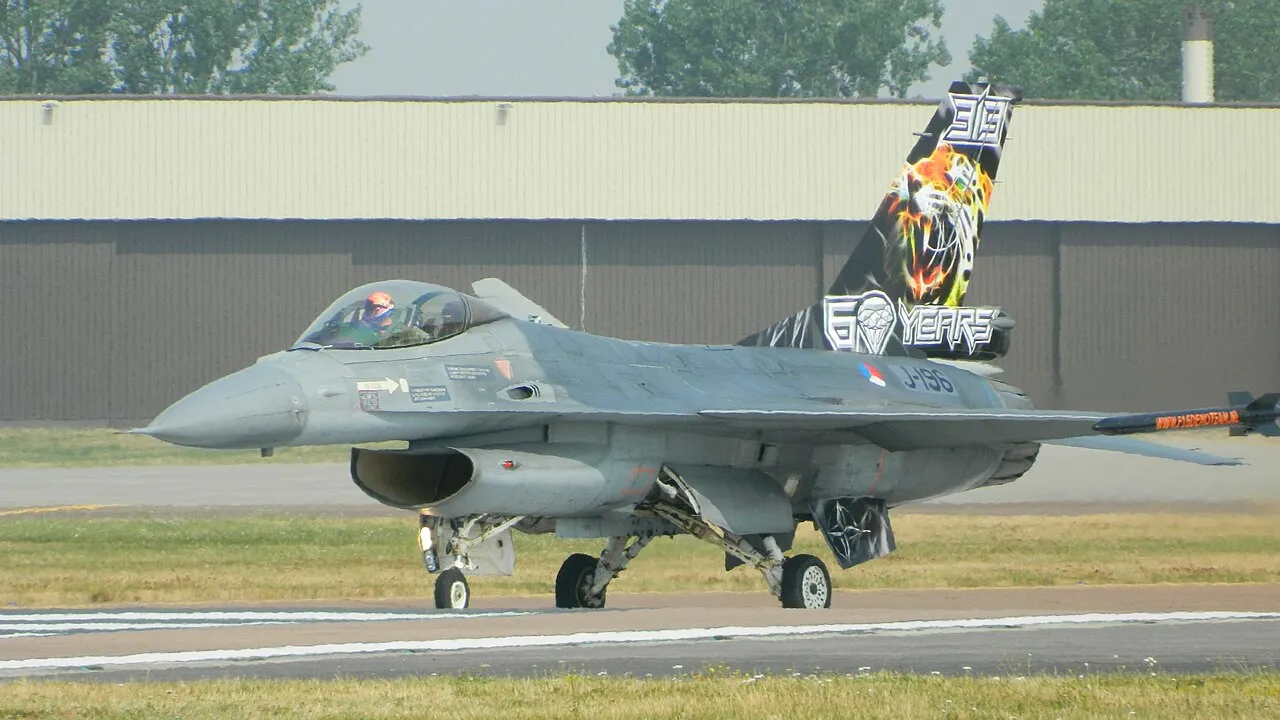
By handing over the jets to Romania, a frontline NATO member on the Black Sea and eastern flank, the Netherlands strengthens allied readiness and supports pilot training in the region. As we’ve mentioned previously Ukrainian pilots will also be trained from Romania’s Fetești Air Base’s European F-16 Training Center.
According to Bgnes News Agency, Romania has two squadrons of F-16 aircraft stationed at Câmpia Turzii and Borșa air bases. These include:
- 18 from Norway, two of which were received last month. Additional fourteen will arrive in the nation by the end of 2025. [ A deal in December 2021 meant that Romania would be buying 32 F-16AM/BM for €452 million under the Peace Carpathian Three Programme]
- 17 aircraft purchased from Portugal (in 2016-2017 and 2020-2021)
This will bring Romania’s F-16 count to 67. Romanian Defense Minister Liviu-Ionuț Moșteanu said that the acquisition of the F-16s from the Netherlands symbolizes “the completion of a significant stage” in the development of the EFTC, which had, in his words, become “a European hub for all states that operate or plan to operate the F-16.”
€1 is merely symbolic, the real price is something different
“Although the price of the 18 F-16s is officially €1, Romania will pay €21 million in VAT, calculated against a declared value of €100 million for the aircraft and support package, according to the Romanian Ministry of Defense’s official statement.” So economically the deal is hardly “free” or what some have referred to as “a dirt cheap price”.
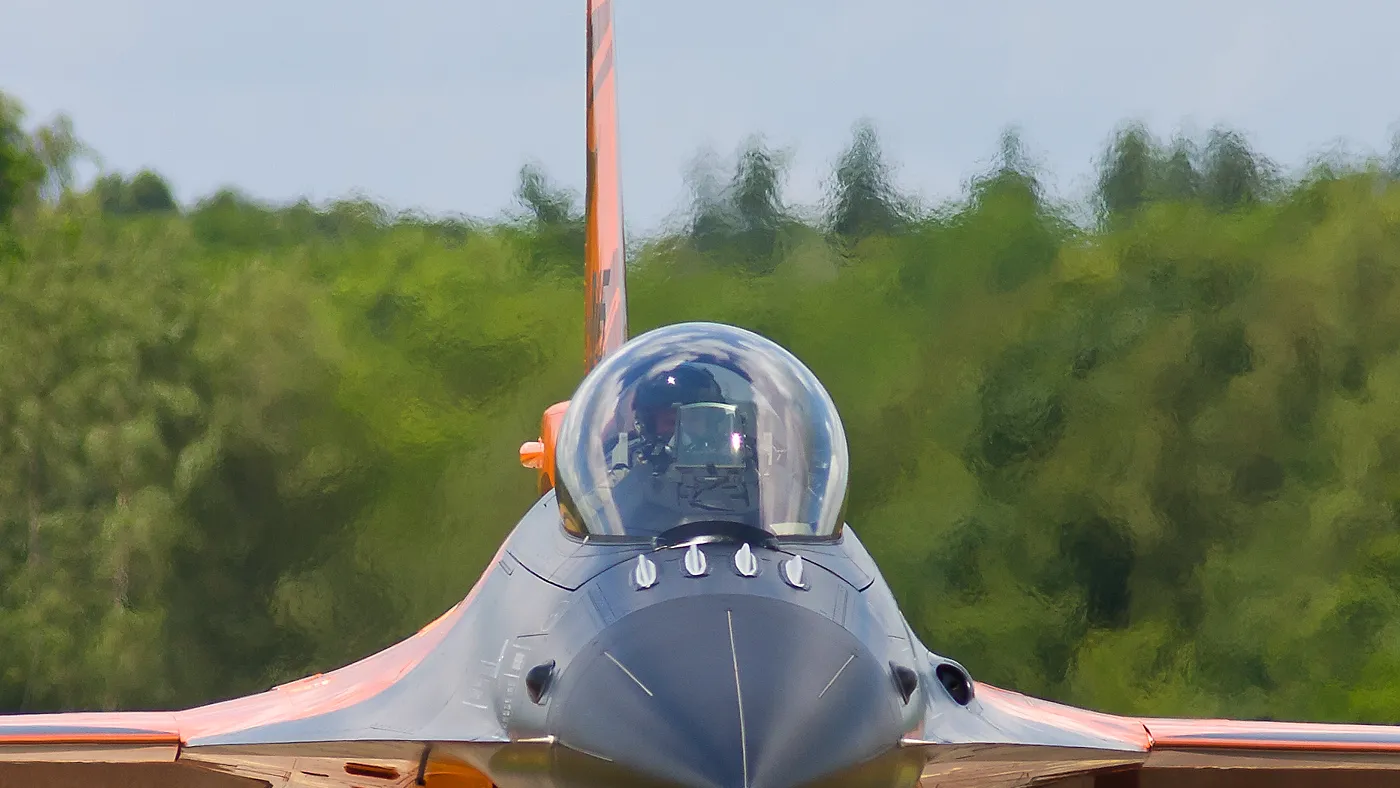
Implications of the Romanian F-16 acquired from Netherlands for €1 for NATO and regional defense
With A) the F-16s formally transferred and B) the EFTC anchored in Romania, a permanent training hub is created for Romanian, Ukrainian and allied pilots.
According to The National Interest, the Ukrainian pilots who will train on the F-16s acquired by Romania will have an “easier time with the language, as many Ukrainians in the 18- to 29-year-old age group have higher English skills than those over the age of 30“. Some of the reasons for this is because the younger crop of pilots has a higher Exposure to English, largely due to exposure to social media, video games, and the internet in general:
The F-16s of Romania are employed for quick reaction alert (QRA) in the country’s air space and in the Baltic airspace as a part of NATO commitments: something they initially struggled with. But with the acquisition of more F-16s, it has certainly strengthened.
The addition of the 32 Lockheed Martin F-35A it intends to buy (officially becoming the 20th F-35 customer at the end of last year) and expects deliveries in 2031 will further bolster its case. The F-35As won’t be valued at €1 though. It was valued at $6.1 billion.


.jpg)